How To Keep Mice Out of Cars in Winter (And All Year Long)
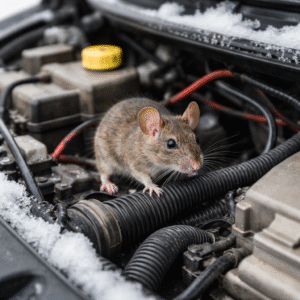
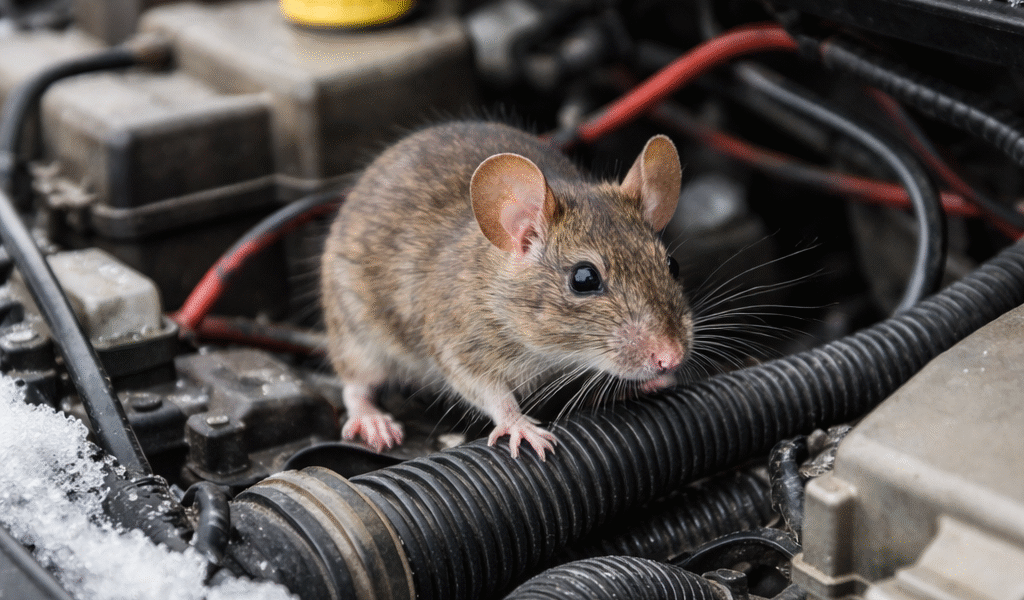
Mice-proofing your vehicle should never be limited to winter alone. While colder months push rodents to seek warmth, cars provide shelter year-round—and once mice or rats get inside, the damage can be shocking.
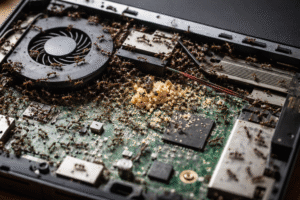
Rodents can leave behind urine and feces, creating a sickening odor that worsens when your air conditioner or heater runs. They chew upholstery, insulation, and—most dangerously—vehicle wiring, which can prevent your car from starting or even create a serious fire hazard.
If a car sits unused for weeks or months, the risk increases. Mice nest quickly, and rats—being larger—can give birth under the hood, turning a minor issue into a costly infestation.
In this guide, you’ll learn exactly how mice get into cars, the warning signs to watch for, and proven, practical ways to keep mice out of your car in winter and beyond.
Affiliate Disclosure: This page contains affiliate links. If you buy through my links, I may earn a small commission at no extra cost to you.
As an Amazon Associate, I earn from qualifying purchases.
Why Mice Are Attracted to Cars
From a rodent’s perspective, a vehicle is the perfect hideout.
Cars offer:
-
Warmth from the engine bay
-
Protection from predators
-
Shelter from rain, wind, and freezing temperatures
-
Dark nesting spaces under the hood, dashboard, and seats
Add even the faint smell of food crumbs, and your car becomes a five-star mouse hotel.
How Do Mice Enter Cars and Other Vehicles?
Some drivers wonder, “How did a mouse enter my car?”
The truth is mice only need a hole the size of a dime.
Common entry points include:
-
Rusted areas with small holes
-
Gaps around electrical cables
-
Open or cracked windows and sunroofs
-
Pedal shafts
-
Steering columns
-
Air intake vents
-
HVAC systems (mice can tunnel from the engine bay into the cabin)
Once inside, they move fast—and quietly.
Signs Your Car May Have Mice or Rats
If you notice any of the signs below, act immediately. Ignoring early clues almost always leads to expensive repairs.
Common Warning Signs
-
Seeing mice or rats near your vehicle
-
Pets (especially cats) suddenly staring or hovering around your car
-
A strong, foul odor—especially when heat or AC is on
-
Chew marks on seats, seat belts, carpets, or floor mats
-
Clogged air vents
-
Gnawed wires or damaged hoses
-
Nests under the hood made of leaves, fabric, paper, or insulation
-
Droppings around the engine or interior
How To Keep Mice and Rats Out of Your Car (Step-By-Step)
1. Start With Your Yard
Rodent control begins outside, not inside your car.
-
Secure trash cans with tight-fitting lids
-
Clean up spilled garbage immediately
-
Remove yard debris and clutter
-
Eliminate standing water in containers
A clean yard reduces rodent pressure dramatically.
2. Avoid Eating in Your Car
Mice have an incredible sense of smell.
Even tiny crumbs can attract them. If you must eat in your car:
-
Vacuum frequently
-
Wipe surfaces with vinegar or mild cleaner
-
Remove wrappers immediately
This also helps prevent ants and cockroaches.
3. Change Parking Spots Often
Parking in the same location every night makes your car easier for rodents to “claim.”
If you don’t have a garage:
-
Rotate parking spots
-
Avoid parking near dumpsters or dense vegetation
4. Seal and Secure the Vehicle
-
Close windows and sunroofs every night
-
Repair rust holes or damaged weather stripping
-
Fix leaks that allow moisture inside
Moisture attracts rodents just as much as food.
5. Keep Your Car Clutter-Free
Clutter provides nesting material.
Remove:
-
Old clothes
-
Paper bags
-
Towels
-
Storage boxes
A clean interior is far less inviting.
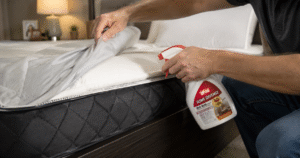
6. Use Natural Rodent Repellents
Rodents hate strong scents.
Effective natural deterrents include:
-
Peppermint oil
-
Cayenne pepper
-
Cedarwood
Mist lightly around the engine bay (never directly on wiring).
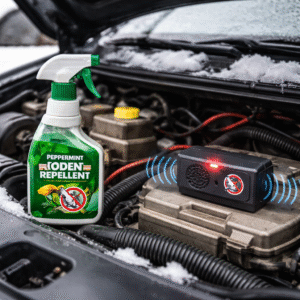
Many drivers prefer pre-mixed peppermint rodent sprays instead of DIY solutions for consistent strength and safety.
7. Use Ultrasonic Sound Repellents
Ultrasonic devices emit frequencies rodents find unbearable.
They:
-
Are silent to humans
-
Don’t harm pets
-
Work best when placed near parking areas
Look for Amazon Best Choice ultrasonic rodent repellents designed for garages and vehicles.
8. Honk the Horn Occasionally
It sounds simple—but vibration and noise discourage nesting, especially in winter.
9. Mothballs (With Caution)
Place mothballs only under the hood, never inside the cabin.
Avoid if children or pets are nearby.
10. Consider Professional Pest Control
If infestations persist, a licensed pest professional can identify hidden access points and eliminate rodents safely.
Comparison Chart: How To Keep Mice Out of Cars in Winter
| Method | Effectiveness | Safety | Best For | Winter Performance |
|---|---|---|---|---|
| Peppermint Oil Spray | High | Pet-safe | Light infestations | Excellent |
| Ultrasonic Repellers | High | Very safe | Garages & driveways | Excellent |
| Engine Bay Wire Wraps | Very High | Safe | Preventing wire damage | Excellent |
| Mothballs (Under Hood) | Medium | Use with caution | Short-term storage | Good |
| Yard Sanitation | Very High | Safe | Long-term prevention | Excellent |
| Traps (Outside Vehicle) | High | Moderate | Active rodent presence | Good |
| Professional Pest Control | Very High | Safe | Severe infestations | Excellent |
Amazon Best Choice Products for Mice in Cars
Ultrasonic Rodent Repeller for Garages & Vehicles
-
No chemicals
-
Long-lasting
-
Ideal for winter parking areas
Peppermint Rodent Repellent Spray (Vehicle-Safe)
-
Ready to use
-
Strong scent rodents hate
-
Safe for wiring when used correctly
Rodent-Resistant Wire Wrap Tape
-
Protects engine wiring
-
Heat resistant
-
Highly recommended for newer vehicles
10 FAQs: Mice-Proofing Your Car
1. Can mice really destroy car wiring?
Yes. Chewed wires can disable your vehicle or cause electrical fires.
2. Are mice worse in winter?
Yes, but infestations can happen year-round.
3. Will peppermint oil really work?
Yes, when applied consistently and correctly.
4. Can rats live under a car hood?
Absolutely. Rats often nest and give birth there.
5. Are ultrasonic repellents safe?
Yes, they are safe for humans and pets.
6. Should I use poison near my car?
Avoid if pets or children are present.
7. How long does it take for mice to nest?
Sometimes less than 24 hours.
8. Can car smells attract rodents?
Food odors and moisture are major attractants.
9. Is garage parking safer?
Yes—but garages must also be rodent-proofed.
10. Should I mice-proof my car even if I drive daily?
Yes. Daily driving lowers risk but doesn’t eliminate it.
Conclusion: Protect Your Car Before Damage Happens
Mice, rats, and other rodents are constantly searching for food, water, shelter, and nesting sites. Cars provide all four if we’re not careful.
The good news?
With proactive steps—yard cleanup, vehicle maintenance, repellents, and smart parking habits—you can stop rodents before they cause costly damage.
Don’t wait until your car won’t start or smells unbearable.
Take action now and keep mice out of your car for good—this winter and every season after.