
Ultimate Guide to Oriental Cockroaches: Identification, Habits, & Effective Control Methods

What Are Oriental Cockroaches?
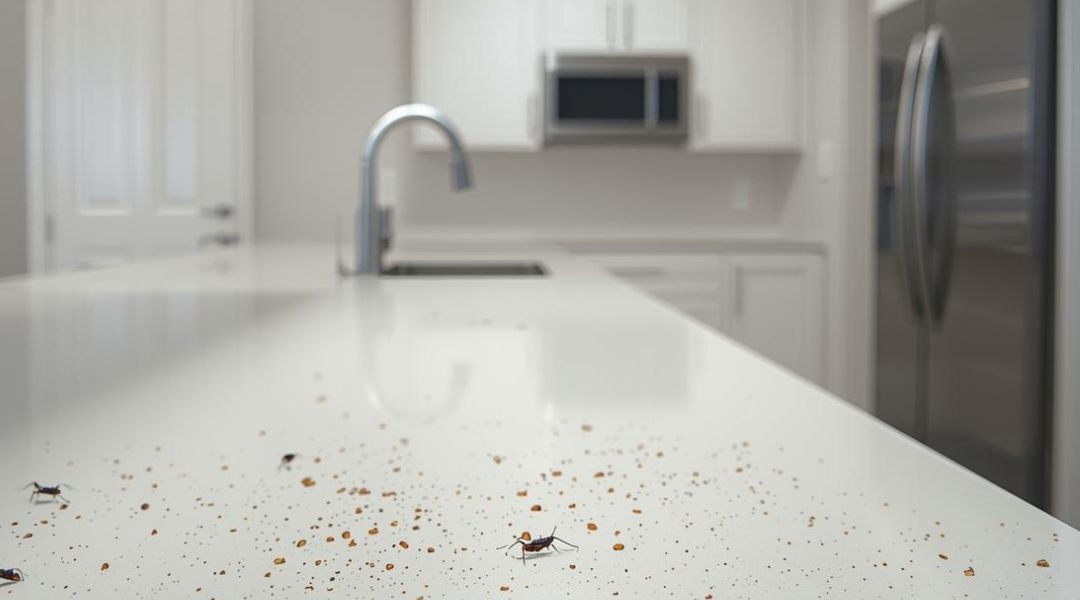
The Oriental cockroach (Blatta orientalis) is a nocturnal pest that can cause significant health problems if left unchecked. These roaches are known for contaminating food and spreading bacteria, which can trigger asthma and allergies, particularly in vulnerable individuals like children or the elderly. They are most active during the spring and summer months and tend to remain hidden during the day.
Characteristics of Oriental Cockroaches:
-
Color: Shiny, dark reddish-brown to black.
-
Size: Typically 1 to 1 ¼ inches long.
-
Physical Features: 6 legs, a pair of antennae, and a smooth, glossy body.
If you’ve spotted an Oriental cockroach indoors, it’s likely due to overcrowding, disturbed hiding spots, or a lack of food outside. But what causes them to infest homes, and how can you prevent it? Keep reading to find out.
Oriental Cockroach Habitat
Oriental cockroaches are primarily found outdoors in warm weather. They thrive in leaf litter, mulch, garbage storage areas, and storm drains. Indoors, they prefer damp, cool places, like crawl spaces, basements, and areas near plumbing.
Outdoor Control:
By controlling these pests outside, you can prevent them from entering your home. Effective outdoor measures significantly reduce the risk of infestations indoors.
Signs of Oriental Cockroach Infestation
Knowing the signs of an Oriental cockroach infestation can help you identify problems early. Here are the most common indicators:
-
Sightings: Spotting Oriental cockroaches, especially at night.
-
Foul, Musty Odor: This chemical smell is used by roaches to communicate and is a telltale sign of an infestation.
-
Egg Cases: Egg capsules, which are dark brown or reddish, contain 16 eggs and can be found in areas where the roaches are active.
-
Droppings: Their feces resemble black pepper or irregularly shaped dark specks, and are often found near their hiding spots.
How to Identify Oriental Cockroaches
To identify Oriental cockroaches, look for the following traits:
-
Color: Shiny, dark reddish-brown to black.
-
Size: Ranges from 1 to 1 ¼ inches.
-
Physical Features: 6 legs, 1 pair of antennae.
Where Oriental Cockroaches Hide Indoors
Oriental cockroaches seek out hidden, moist, and dark places inside your home. Common locations include:
-
Under sinks
-
Floor drains
-
Crawl spaces
-
Basements
-
Behind washing machines
How Do Oriental Cockroaches Get Indoors?
Oriental cockroaches enter homes through cracks, crevices, and open entry points. Here are the most common entry routes:
-
Cracks in the foundation
-
Open doors
-
Windows with gaps or damaged screens
-
Plumbing and electrical entry points
-
Hitchhiking in potted plants or garden soil
-
Tree branches making contact with your home
How to Control Oriental Cockroaches Outdoors
Step 1: Seal Entry Points
Caulk cracks in the foundation, around doors, windows, and plumbing.
Step 2: Use Insecticides
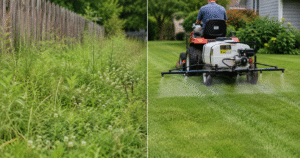
Apply residual insecticide around the perimeter of the house, 2–3 feet up the foundation and 2–3 feet out to create a barrier.
Step 3: Maintain Clean Garbage Areas
Always keep your garbage storage areas clean and sanitized. Store wood piles off the ground and reduce moisture around entry points.
Step 4: Apply Granular Insecticides
Granular insecticides, like Bifen L/P, can be applied around the base of your home to reduce roach activity.
How to Control Oriental Cockroaches Indoors
Once you’ve identified an infestation indoors, these steps will help regain control:
-
Clean Regularly: Remove food particles from countertops, floors, and behind appliances.
-
Seal Gaps: Caulk any openings around doors, baseboards, and plumbing.
-
Fix Leaky Faucets: Repair any water leaks promptly.
-
Use Traps & Baits: Set up sticky traps or use gel baits in cracks and crevices.
-
Eliminate Moisture: Use a dehumidifier to reduce humidity in basements and attics.
10 Common Questions About Oriental Cockroaches
1. What Are Oriental Cockroaches?
They are dark, shiny insects that prefer damp, cool environments like basements and drains.
2. Why Do Oriental Cockroaches Enter Homes?
They are drawn to moisture, food, and shelter, particularly if there are leaky pipes or humid conditions inside.
3. How Can I Tell If I Have an Oriental Cockroach Infestation?
Look for droppings, egg cases, a musty odor, and sightings of the cockroaches themselves.
4. How Do I Get Rid of Oriental Cockroaches Fast?
Start by cleaning and sealing entry points. Use gel baits and sticky traps. In severe cases, consider hiring a professional.
5. Can Oriental Cockroaches Carry Diseases?
Yes, they can spread bacteria and trigger allergies and asthma in some individuals.
6. Are There Natural Remedies for Oriental Cockroaches?
Essential oils (like peppermint, eucalyptus, or tea tree) and diatomaceous earth can help repel them.
7. Where Do Oriental Cockroaches Hide During the Day?
They hide in dark, damp areas like under sinks, behind toilets, and in drains.
8. How Can I Prevent Oriental Cockroaches from Coming Back?
Fix leaks, seal cracks, and reduce indoor moisture. Ensure trash is stored in sealed containers.
9. What Should I Avoid When Dealing with Oriental Cockroaches?
Don’t rely solely on sprays—they don’t address the root of the infestation. Avoid using repellents near bait stations.
10. How Long Does It Take to Get Rid of Oriental Cockroaches?
Control could take from one week to several weeks, depending on the severity of the infestation.
Conclusion: How to Keep Your Home Cockroach-Free
Taking control of an Oriental cockroach infestation requires consistent cleaning, sealing entry points, and applying targeted insecticides both indoors and outdoors. With persistence, you can eliminate these pests from your home and enjoy a pest-free environment.
Don’t wait for a full-blown infestation—act now to prevent Oriental cockroaches from taking over your home!


I live in Rhodes, Greece, where cockroaches are a common challenge for me, so I can definitely relate to the importance of managing these annoying pests.
I liked your post as it has given me some practical and good advice for dealing with similar issues. For example, I never thought about sealing entry points and eliminating moisture sources.
I wanted to ask though, are there any tips you would recommend for taking care of cockroaches in Mediterranean climates like mine? Or are the methods similar?
Thank you for the info.
Chris
Hello,
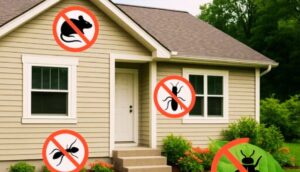
Thanks for stopping by, bascially it is the same practice, sanitation- keeping your indoor and outdoor environment clean and exclusion. Sealing of all entry points because when insects and rodents show up they are in search of water, shelter, food source, and a place to raise their young. If needed insecticides and other control methods may be needed based on the level of infestation to bring control. I hope this helped