
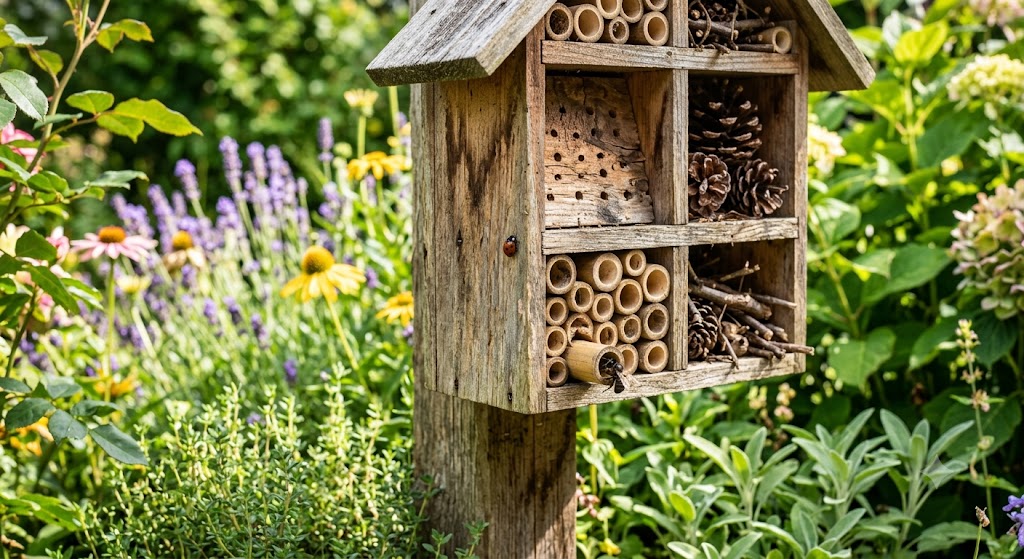
What Insects Live in a Bug Hotel? 10 Beneficial Garden Bugs to Attract
A bug hotel can attract a surprising variety of helpful insects, including solitary bees, ladybugs, lacewings, beetles, hoverflies, and other tiny garden helpers. These small structures provide shelter, nesting areas, and protection from weather while encouraging a healthier backyard ecosystem.
Whether you are a gardener hoping to attract pollinators, a parent teaching children about nature, or someone looking for a more wildlife-friendly garden, a bug hotel is a simple way to invite beneficial insects into your outdoor space.
In this guide, you’ll discover what insects live in a bug hotel, why they are helpful, what materials attract them, and how to create the perfect habitat.
Affiliate Disclosure: This page contains affiliate links. If you purchase through my links, I may earn a small commission at no extra cost to you.
As an Amazon Associate, I earn from qualifying purchases.
Quick Answer: What Insects Live in a Bug Hotel?
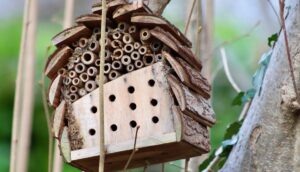
The most common insects and small creatures found in bug hotels include:
- Solitary bees (mason bees and leafcutter bees)
- Ladybugs (ladybirds)
- Lacewings
- Hoverflies
- Beetles
- Earwigs
- Woodlice
- Solitary wasps
- Butterflies seeking shelter
- Spiders that help control insect populations
Different insects use different parts of a bug hotel depending on their needs. Some use hollow tubes for nesting, while others hide among bark, leaves, straw, and pieces of wood.
What Is a Bug Hotel?
A bug hotel, also called an insect hotel or insect house, is a man-made shelter designed to attract and protect beneficial insects.
These structures are usually built with natural materials such as:
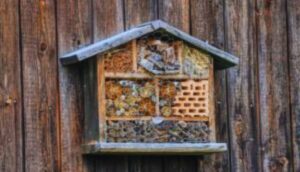
- Bamboo tubes
- Untreated wood
- Pinecones
- Bark
- Straw
- Dry leaves
- Bricks with holes
- Small branches
Bug hotels imitate the natural hiding places insects use in the wild, such as tree cracks, hollow stems, and spaces beneath bark.
According to gardening experts and extension horticulture programs, providing habitat for beneficial insects can support natural pest management by encouraging pollinators and insect predators that help keep garden pests under control.
But why attract insects to your garden?
Because many insects provide valuable benefits, including pollination, natural pest control, and improved soil health.
What Insects Live in a Bug Hotel?
A well-designed bug hotel can become home to many helpful garden visitors. Here are some of the most common guests you may discover.
1. Ladybugs (Ladybirds)
Ladybugs are one of the most popular insects gardeners want to attract.
These colorful beetles are natural pest controllers because both adult ladybugs and their larvae feed on soft-bodied pests such as aphids and mealybugs.
Where ladybugs stay in bug hotels:
- Bark pieces
- Dry leaves
- Small protected spaces
Why they help:
Ladybugs can reduce aphid populations naturally, making them valuable allies for vegetable gardens, roses, and flowering plants.
If your garden struggles with aphids, encouraging beneficial insects like ladybugs can be part of a natural pest control approach.
2. Solitary Bees (Mason Bees and Leafcutter Bees)
Solitary bees are among the most important visitors to bug hotels.
Unlike honeybees, solitary bees do not live in large colonies. Instead, individual females create nests inside small holes in wood or bamboo tubes.
Where solitary bees stay:
- Bamboo tubes
- Hollow plant stems
- Small drilled holes in untreated wood
Why they help:
Mason bees and leafcutter bees are excellent pollinators. Even though they do not produce honey, they play a major role in helping flowers, fruits, and vegetables grow.
A bug hotel with different-sized nesting holes is more likely to attract several types of solitary bees.
3. Lacewings
Lacewings are delicate green insects that are extremely beneficial in gardens.
Their larvae are sometimes called “aphid lions” because they consume large numbers of aphids, mites, and other small pests.
Where lacewings stay:
- Straw-filled sections
- Dry plant material
- Small protected spaces
Why they help:
Lacewing larvae are natural predators that help control common garden pests without chemicals.
Gardens with aphid problems often benefit from attracting lacewings and other predatory insects.
4. Hoverflies
Hoverflies may look like small bees or wasps, but they are harmless and beneficial insects.
Adult hoverflies feed on nectar and pollen, helping with pollination. Their larvae feed on aphids and other soft-bodied pests.
Where hoverflies stay:
- Small cracks
- Dry plant stems
- Protected sections of insect hotels
Why they help:
Hoverflies provide two benefits:
- Adult hoverflies pollinate flowers
- Larvae help control aphids naturally
5. Beetles
Several beetle species may use bug hotels, including ground beetles and rove beetles.
Many beetles are helpful because they feed on garden pests such as slugs, caterpillars, and insect eggs.
Where beetles hide:
- Dark lower sections
- Bark
- Logs
- Moist protected areas
Why they help:
Beetles are an important part of a balanced garden ecosystem and help naturally regulate pest populations.
6. Earwigs
Earwigs often get a bad reputation because of their appearance, but they can be helpful garden residents.
They feed on:
- Aphids
- Decaying plant material
- Small insects
Where earwigs stay:
- Corrugated cardboard
- Dark spaces
- Moist areas protected from sunlight
While earwigs can occasionally damage plants, they are often beneficial when their population remains balanced.
7. Woodlice (Pillbugs)
Woodlice are not insects, but they are common visitors to bug hotels.
These small crustaceans help break down dead plant material and return nutrients to the soil.
Where woodlice stay:
- Damp wood
- Bark
- Shaded areas
Why they help:
Woodlice act as nature’s recyclers by helping decompose organic matter.
8. Solitary Wasps
Not all wasps are aggressive.
Many solitary wasp species are beneficial because they help control garden pests by hunting caterpillars, grubs, and other insects.
Where solitary wasps nest:
- Hollow stems
- Small wooden holes
- Bamboo tubes
Unlike social wasps, solitary wasps usually do not defend large colonies and are less likely to bother people.
9. Butterflies
Butterflies do not usually use bug hotels as permanent homes, but they may use them for temporary shelter.
They may hide during:
- Rain
- Wind
- Cold temperatures
Butterflies prefer:
- Narrow openings
- Dry protected spaces
- Sheltered areas
For attracting butterflies, planting native flowers is usually more important than a bug hotel alone.
10. Spiders
Spiders are not insects, but they may occasionally move into bug hotels.
They help control populations of:
- Flies
- Mosquitoes
- Other small insects
Although some people dislike spiders, they are valuable predators in a healthy garden ecosystem.
Common Bug Hotel Visitors at a Glance
| Garden Visitor | Main Benefit | Preferred Bug Hotel Material |
|---|---|---|
| Solitary bees | Pollination | Bamboo tubes and wood holes |
| Ladybugs | Eat aphids | Bark and leaves |
| Lacewings | Control aphids and mites | Straw and dry material |
| Hoverflies | Pollination and pest control | Plant stems |
| Beetles | Eat garden pests | Logs and bark |
| Earwigs | Eat aphids | Cardboard and dark spaces |
| Woodlice | Break down organic matter | Damp wood |
Why These Insects Matter
A bug hotel is not just a decorative garden feature. It helps create a miniature ecosystem where beneficial creatures can thrive.
Here are some of the biggest benefits:
Pollination
Bees, hoverflies, and butterflies help pollinate flowers and crops, supporting healthier gardens.
Natural Pest Control
Ladybugs, lacewings, beetles, spiders, and solitary wasps help reduce populations of unwanted pests.
For example, beneficial insects can help manage aphids naturally without relying only on chemical sprays.
Soil Improvement
Woodlice and beetles help break down organic material, returning nutrients to the soil.
Education and Wildlife Awareness
Bug hotels are excellent tools for teaching children about biodiversity and how insects contribute to nature.
What Makes a Good Bug Hotel?
A successful bug hotel should provide different environments for different species.
Look for these features:
Use Natural Materials
Good materials include:
- Untreated wood
- Bamboo
- Pinecones
- Straw
- Bark
- Hollow stems
Avoid treated lumber or materials containing chemicals.
Provide Multiple Chambers
Different insects need different spaces. A variety of tube sizes and hiding areas will attract more species.
Keep It Dry
Most beneficial insects prefer dry, sheltered conditions. Excess moisture can cause mold and make the hotel less attractive.
Place It in the Right Location
The best location is usually:
- Sheltered from heavy rain
- Facing morning sunlight
- Near flowers and plants
- Away from high traffic areas
Best Features to Look For When Buying a Bug Hotel
If you are purchasing a ready-made insect hotel, choose one with:
✓ Untreated natural wood
✓ Multiple nesting sections
✓ Bamboo tubes for solitary bees
✓ Strong construction
✓ Protection from rain
✓ Easy-to-replace materials
A well-designed bug hotel is more likely to attract a variety of beneficial insects than a decorative model with only one type of nesting space.
What to Avoid Around Your Bug Hotel
To keep beneficial insects healthy:
Avoid:
- Spraying pesticides nearby
- Using chemical cleaners on the hotel
- Constantly moving or disturbing it
- Allowing materials to stay wet and moldy
Check your bug hotel occasionally, but avoid opening nesting areas frequently.
Best Places to Put a Bug Hotel
Place your bug hotel:
- Near flowering plants
- In a sunny but sheltered area
- About 12 inches or more above the ground
- Away from heavy foot traffic
- Near vegetable gardens or pollinator plants
You can mount one on a fence, attach it to a wall, or place it securely on a post.
How to Maintain a Bug Hotel
Bug hotels require very little maintenance.
Follow these simple tips:
- Replace damp or moldy materials
- Refresh straw and plant stems when needed
- Remove damaged sections
- Avoid harsh cleaning products
Cleaning is best done carefully in early spring before many insects become active.
Frequently Asked Questions About Bug Hotel Insects
Do bees really use bug hotels?
Yes. Solitary bees such as mason bees and leafcutter bees commonly use bamboo tubes and small holes in wood for nesting.
Are bug hotels safe around children?
Yes. Most visitors are harmless. Children should observe insects rather than handle them.
Do bug hotels attract harmful pests?
A properly maintained bug hotel usually attracts beneficial insects. Keeping it dry and clean helps prevent problems.
Do bug hotels attract mosquitoes?
No. Mosquitoes typically need standing water to breed and are not attracted to dry insect hotels.
How long do insects stay in a bug hotel?
Some insects may stay for months, while others only use the hotel temporarily for nesting or shelter.
Should I put food inside a bug hotel?
No. Insects will find food naturally from nearby plants, flowers, and garden ecosystems.
What is the best time to install a bug hotel?
Late winter or early spring is a great time because many insects begin searching for nesting locations.
Do bug hotels help with aphids?
Yes. They can attract natural aphid predators such as ladybugs and lacewings.
Do I need more than one bug hotel?
Large gardens may benefit from multiple hotels placed in different areas.
Do bug hotels need replacing?
Quality bug hotels can last several years, but materials such as straw and bamboo may occasionally need replacing.
Conclusion: Invite Beneficial Insects Into Your Garden
A bug hotel is much more than a simple garden decoration. It creates a safe space where helpful insects can nest, shelter, and support the natural balance of your outdoor space.
So, what insects live in a bug hotel?
From hardworking pollinators like solitary bees to natural pest controllers like ladybugs and lacewings, these tiny visitors can make a big difference in your garden.
By providing the right materials, choosing a good location, and avoiding harmful chemicals, you can create a welcoming habitat that helps nature thrive right outside your door.


I must admit that this is the first time I have heard of a bug hotel. I also didn’t realize how many useful insects you could attract to your garden by having one of these contraptions. I also didn’t know that solitary bees would be attracted to something like this, which would be wonderful. Does one have to make them or can one purchase the structure from somewhere?
You can make these houses as well, but the purchased ones seem to do better based on the material and all that is added to preserve it. However, be on the lookout for my next article, as I will be discussing how to make your very own insect hotel.