Bed Bug Heat Treatment: Cost, Effectiveness & Complete Removal Guide (2026)
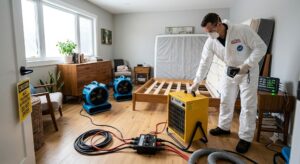
Finding bed bugs in your home can quickly turn into a stressful and overwhelming experience. These little critters are sneaky, and getting rid of them isn’t as simple as you might hope. Many people try sprays or traps, only to find the problem lingering or coming back again. It’s frustrating, and you want a solution that actually works.
Fortunately, there’s a treatment method that’s gaining popularity because of how safe and effective it is: heat treatment. Instead of relying on chemicals or guesswork, this approach uses high temperatures to eliminate bed bugs at every stage of their life cycle. It’s a powerful way to ensure these pests are gone for good without risking your family’s health or damaging your belongings.
In this guide, we’ll walk you through what bed bug heat treatment involves, how it works, and why it might be the best choice for your situation. Whether you’re dealing with a small infestation or something more serious, understanding this method can help you make an informed decision.
We’ll also cover common questions people ask about heat treatment, so you won’t be left wondering what to expect. By the end, you’ll feel confident about tackling bed bugs in a safe, thorough, and hassle-free way.
Affiliate Disclosure: This page contains affiliate links. If you buy through my links, I may earn a small commission at no extra cost to you.
As an Amazon Associate, I earn from qualifying purchases.
⭐ Editor’s Recommended Products for Bed Bug Heat Treatment
Planning a professional bed bug heat treatment? The treatment itself is designed to eliminate bed bugs throughout your home, but using the right products before and after the service can help protect your belongings, monitor for any remaining activity, and reduce the risk of another infestation.
These are some of the most useful products to consider:
🛏️ 1. Bed Bug-Proof Mattress Encasement
Best for: Protecting Your Mattress After Treatment
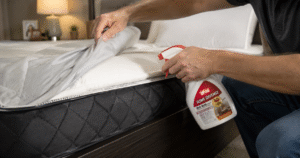
A high-quality mattress encasement completely seals your mattress, trapping any hidden bed bugs that may have escaped detection while helping prevent new infestations. It also makes future inspections much easier because bed bugs have fewer places to hide.
Why we recommend it:
- ✔ Helps protect your mattress after heat treatment
- ✔ Prevents bed bugs from hiding inside the mattress
- ✔ Makes future inspections quicker and easier
- ✔ Durable, breathable, and comfortable for everyday use
Recommended for: Every bedroom treated for bed bugs.
🪤 2. Bed Bug Interceptor Traps
Best for: Monitoring Your Home After Treatment
Interceptor traps are placed beneath the legs of beds and furniture to catch bed bugs attempting to climb up or down. They’re a simple, chemical-free way to monitor your home and confirm that the infestation has been eliminated.
Why we recommend them:
- ✔ Detects bed bug activity early
- ✔ Helps verify treatment success
- ✔ No chemicals or pesticides required
- ✔ Easy to install and maintain
Recommended for: Ongoing monitoring during the weeks following heat treatment.
♨️ 3. High-Temperature Handheld Steamer
Best for: Follow-Up Spot Treatments
While a handheld steamer isn’t a replacement for professional whole-home heat treatment, it can be an excellent tool for treating mattress seams, upholstered furniture, luggage, curtains, pet bedding, and other small areas where bed bugs may hide after travel or future exposure.
Why we recommend it:
- ✔ Produces temperatures capable of killing bed bugs on contact
- ✔ Ideal for furniture seams and hard-to-reach areas
- ✔ Useful for treating luggage after traveling
- ✔ Chemical-free and reusable
Recommended for: Preventive maintenance and treating small items between inspections.
Expert Tip
Professional heat treatment is one of the fastest and most effective ways to eliminate bed bugs because it destroys both adult bed bugs and their eggs without relying on chemical pesticides. However, even the best treatment cannot prevent bed bugs from being reintroduced through luggage, used furniture, or overnight guests.
For long-term protection, pest management professionals often recommend combining professional heat treatment, a quality mattress encasement, and bed bug interceptor traps. This combination helps eliminate existing infestations while making it much easier to detect and stop any future problems before they spread.
✔ Quick Shopping Checklist
Before or after your heat treatment, consider having these essentials on hand:
✅ Bed bug-proof mattress encasement
✅ Bed bug interceptor traps
✅ High-temperature handheld steamer
What Is Bed Bug Heat Treatment?
Bed bug heat treatment involves raising the temperature of your entire living space to a level that’s lethal to bed bugs and their eggs. Unlike chemical sprays or traps, heat treatment kills bed bugs through exposure to high heat. Typically, professionals use special equipment to heat your home to about 120°F to 135°F (49°C to 57°C) for several hours. This temperature penetrates furniture, mattresses, walls, and other hiding places to eradicate bugs at all life stages.
Why Choose Heat Treatment Over Other Methods?
There are many options for bed bug control—chemical treatments, freezing, vacuuming, and more. So why is heat treatment often the preferred choice?
1. Chemical-Free and Eco-Friendly
Heat treatment uses no pesticides or chemicals. This means it’s safe for children, pets, and people with chemical sensitivities. Plus, it leaves no toxic residues behind.
2. Kills Bed Bugs Quickly
Heat treatment is fast. Within a few hours, you can be confident that bed bugs are dead. Chemical treatments often require multiple visits over weeks.
3. Effective on All Life Stages
Bed bugs lay eggs that are resistant to many sprays. Heat penetrates these eggs and kills them, stopping the infestation from returning.
4. No Risk of Resistance
Bed bugs have developed resistance to many insecticides. Heat treatment bypasses this issue entirely.
| Method | Kills Eggs | Chemical-Free | Usually One Visit |
|---|
| Heat Treatment | ✅ | ✅ | ✅ |
| Chemical Spray | Sometimes | ❌ | ❌ |
| Steam | Limited | ✅ | ❌ |
| Freezing | Limited | ✅ | ❌ |
How Does Bed Bug Heat Treatment Work?
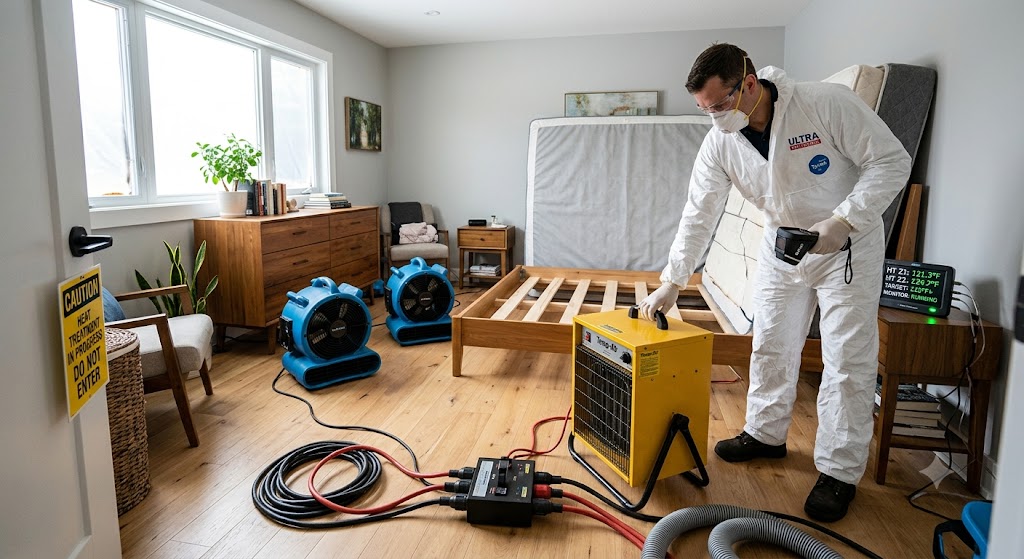
Heat treatment specialists use industrial heaters and fans to raise the temperature evenly throughout your home. The goal is to keep the temperature above 120°F for 3-6 hours. The heat permeates cracks, fabrics, and furniture where bed bugs hide.
During treatment, professional technicians will monitor the temperature to ensure it stays in the effective range. After treatment, your home will be ventilated to cool down and remove any odors.
What Can and Cannot Stay in the Home During Bed Bug Heat Treatment?
Preparing your home properly before a professional bed bug heat treatment is one of the most important steps for getting the best results. While heat treatment is safe for many household belongings, some items can be damaged by high temperatures and should be removed before the process begins.
Your pest control company will usually provide specific preparation instructions, but the following guide can help you understand what items are generally safe to leave behind and what should be taken out.
Items That Can Usually Stay During Heat Treatment
Many everyday household items can remain inside the home during treatment, including:
| Usually Safe to Leave | Why It Is Generally Safe |
|---|---|
| 👕 Clothing | Most clothing can tolerate treatment temperatures, especially when spread out or hanging freely. |
| 👟 Shoes | Most shoes can remain inside unless they contain heat-sensitive materials. |
| 📚 Books | Paper products typically handle heat treatment well when properly exposed. |
| 🛏️ Bedding and linens | Bedding can remain if the technician recommends leaving it in place for treatment. |
| 🧺 Towels | Most towels and fabrics can safely remain inside the treated area. |
| 🪑 Wooden furniture | Wooden beds, dressers, and tables usually tolerate professional heat treatment. |
Items That Should Usually Be Removed Before Treatment
Some belongings can melt, warp, dry out, or become damaged when exposed to high temperatures for several hours.
| Remove Before Treatment | Why It Should Be Removed |
|---|---|
| 🕯️ Candles | Wax can melt and create a mess. |
| 🌱 Houseplants | High temperatures can damage or kill plants. |
| 🧴 Aerosol cans | Pressurized containers may become unsafe when heated. |
| 💊 Certain medications | Some medicines may lose effectiveness when exposed to heat. |
| 💿 Vinyl records | Heat can cause warping and permanent damage. |
| 🔌 Sensitive electronics | Some electronics may require special instructions or removal. |
What About Electronics?
Many everyday electronics can remain in the home during professional heat treatment, but sensitive items may need extra care. Items such as computers, televisions, cameras, and certain appliances should be discussed with your pest control technician before treatment.
Always follow the preparation checklist provided by your treatment company because recommendations can vary depending on the equipment used and the temperature levels reached.
Helpful Preparation Tips Before Heat Treatment
To help the treatment work as effectively as possible:
✅ Remove items listed as heat-sensitive
✅ Open drawers, closets, and cabinets so heat can circulate
✅ Avoid overcrowding rooms with stored items
✅ Move items away from walls when instructed
✅ Follow all instructions provided by your pest control professional
Proper preparation helps ensure heat reaches the areas where bed bugs hide, including mattress seams, furniture joints, cracks, and other difficult-to-reach spaces.
What to Expect During a Bed Bug Heat Treatment
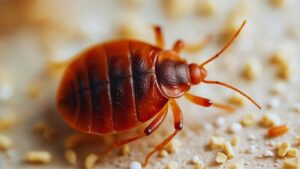
Here’s a quick rundown of what happens during the process:
-
Preparation: Remove heat-sensitive items like candles, plants, electronics, and aerosols.
-
Setup: The technician sets up heaters, fans, and monitors around your home.
-
Heating: Your home heats up slowly and maintains high temps for several hours.
-
Monitoring: Temps are checked in multiple spots to ensure effectiveness.
-
Cooling & Cleanup: The home cools down, and the technician may do a final inspection.
You usually won’t be able to stay inside during treatment because of the heat and equipment noise.
Benefits of Professional Heat Treatment vs. DIY
While some people try DIY heat treatments with heaters or steamers, these methods rarely reach the consistent temperatures needed. Professional treatment offers:

-
Certified equipment designed for whole-home heating
-
Accurate temperature control and monitoring
-
Trained technicians who know how to target hidden areas
-
Faster and more reliable results
Trying to DIY could waste time and money without fully solving the problem.
Does Bed Bug Heat Treatment Really Work?
If you’re dealing with bed bugs, one of the biggest questions you probably have is: Does heat treatment actually work? The answer is yes—when it is performed correctly, professional heat treatment is one of the most effective methods available for eliminating bed bugs.
Unlike many chemical treatments that rely on bed bugs coming into contact with pesticides, heat treatment works by raising temperatures throughout the home to levels that bed bugs and their eggs cannot survive.
How Effective Is Bed Bug Heat Treatment?
Professional heat treatments can achieve very high success rates when performed properly. The goal is to heat all affected areas, including mattresses, furniture, cracks, crevices, and other hiding spots, to temperatures that are lethal to bed bugs.
A successful treatment depends on:
- Maintaining the correct temperature range throughout the home
- Ensuring heat reaches hidden areas where bed bugs may be hiding
- Allowing enough time for the entire space to be treated
- Proper preparation before the treatment begins
When these steps are followed, heat treatment can eliminate adult bed bugs, nymphs, and eggs during a single treatment.
Why Do Some Heat Treatments Fail?
Although heat treatment is highly effective, failures can happen when important steps are missed. A failed treatment does not always mean heat doesn’t work—it often means the process was incomplete.
Common reasons include:
Poor Preparation
Bed bugs can hide in clutter, piles of clothing, storage boxes, and other areas that prevent heat from reaching them. Proper preparation helps ensure the entire home receives effective treatment.
Cold Spots During Treatment
Professional technicians use temperature monitors and specialized equipment to identify areas that may not be getting hot enough. If certain areas remain cooler, bed bugs may survive.
Inexperienced Technicians
Successful heat treatment requires knowledge, experience, and careful monitoring. A technician must know how to position heaters, circulate air properly, and maintain lethal temperatures throughout the treatment area.
Severe Infestations
Large infestations may require extra attention because bed bugs can spread into furniture, walls, and hidden spaces. A professional inspection can help determine the best approach.
Can Bed Bugs Come Back After Heat Treatment?
Yes, bed bugs can return after a successful heat treatment—but usually because they were brought back into the home from another source.
Common ways bed bugs are reintroduced include:
- Traveling with luggage after a trip
- Bringing home used furniture
- Visiting an infested location
- Guests unknowingly carrying bed bugs
Heat treatment eliminates the existing infestation, but it does not create a permanent barrier against future bed bugs.
How to Improve Your Chances of Success
You can help your heat treatment work better by:
✅ Following all preparation instructions from your pest control company
✅ Removing clutter before treatment
✅ Washing and drying bedding and clothing as recommended
✅ Monitoring your home afterward with interceptor traps
✅ Using mattress encasements for long-term protection
✅ Inspecting secondhand furniture before bringing it indoors
The Bottom Line
Professional bed bug heat treatment is one of the fastest and most reliable ways to eliminate an infestation when done correctly. The effectiveness depends on proper preparation, experienced technicians, complete temperature coverage, and continued prevention afterward.
For homeowners looking for a chemical-free solution that targets bed bugs at every stage of their life cycle, heat treatment remains one of the strongest options available.
How Much Does Bed Bug Heat Treatment Cost?
The cost of professional bed bug heat treatment depends on several factors, including the size of your home, the number of rooms affected, the severity of the infestation, and your location. Unlike chemical treatments that may require several visits, heat treatment is often completed in one day, which can make the higher upfront cost worthwhile for many homeowners.
Most professional bed bug heat treatments typically cost between $1,200 and $4,000, but prices can vary depending on the situation.
Average Cost by Home Size
🏢 Apartment or Small Condo
Estimated cost: $800–$2,500
Smaller living spaces usually cost less because they require less equipment, fewer heaters, and less time to treat. However, apartments can be more challenging if bed bugs have spread between neighboring units.
🏠 Townhouse or Multi-Level Home
Estimated cost: $1,500–$3,500
Townhouses often cost more because multiple floors require careful temperature monitoring. Technicians must ensure heat reaches bedrooms, living areas, closets, and other hiding spots throughout the home.
🏡 Single-Family Home
Estimated cost: $2,000–$4,000+
Larger homes require more equipment, longer treatment times, and additional monitoring to maintain safe and effective temperatures in every area.
Factors That Affect Bed Bug Heat Treatment Pricing
Several things can influence your final cost:
Number of Rooms Being Treated
A single bedroom infestation will usually cost less than treating an entire home. The more rooms involved, the more equipment and labor are required.
Severity of the Infestation
A small, early infestation is generally easier to treat than a severe infestation that has spread into furniture, walls, multiple bedrooms, and other areas of the home.
Preparation Requirements
Some companies include preparation assistance, while others require homeowners to complete the preparation themselves. Extra services may increase the total cost.
Follow-Up Treatments
Although professional heat treatment is designed to eliminate bed bugs in one treatment, some situations may require additional inspections or follow-up services, especially if bed bugs are reintroduced after treatment.
Does Bed Bug Heat Treatment Come With a Warranty?
Many professional pest control companies offer warranties or guarantees that provide follow-up inspections or additional treatments if bed bugs return within a specific time period.
Warranty terms vary, so always ask:
- How long does the warranty last?
- Are follow-up treatments included?
- What conditions could void the warranty?
- Does the company require inspections afterward?
Is Bed Bug Heat Treatment Worth the Cost?
Although heat treatment usually costs more upfront than sprays or chemical treatments, many homeowners choose it because it offers several advantages:
✅ Kills adult bed bugs and eggs
✅ Often completed in one visit
✅ No pesticide residue left behind
✅ Works against pesticide-resistant bed bugs
✅ Reduces the stress of repeated treatments
For homeowners dealing with a serious infestation, investing in professional heat treatment can save time, frustration, and money compared with trying multiple unsuccessful DIY methods.
Heat Treatment vs Chemical Treatment
| Heat | Chemical |
|---|---|
| One visit | Several visits |
| Kills eggs | Often doesn’t |
| No residue | Leaves pesticide |
| Higher upfront cost | Lower upfront cost |
| Immediate results | Slower |
Aftercare: What Happens Post-Treatment?
After heat treatment, your home will be bug-free. However, you should:

-
Inspect regularly to catch any new bugs early
-
Use mattress encasements to prevent future infestations
-
Be cautious with secondhand furniture
-
Keep clutter low to reduce hiding spots
These steps help prevent infestation and keep your home bed bug-free long term.
Frequently Asked Questions About Bed Bug Heat Treatment
1. Does heat treatment really kill all bed bugs?
Yes. When performed correctly by a professional, heat treatment kills adult bed bugs, nymphs, and eggs by exposing them to temperatures that they cannot survive. The heat reaches deep into furniture, mattresses, wall voids, and other hiding places where bed bugs often escape chemical treatments.
2. Is one bed bug heat treatment usually enough?
In most cases, yes. A properly performed whole-home heat treatment can eliminate an infestation in a single visit. However, severe infestations or the introduction of new bed bugs after treatment may require additional inspections or follow-up services.
3. What temperature kills bed bugs instantly?
Bed bugs begin to die when exposed to temperatures above 118°F (48°C) for an extended period. Professional heat treatments typically raise indoor temperatures to 120°F–135°F (49°C–57°C) and maintain those temperatures long enough to eliminate bed bugs and their eggs.
4. Can bed bugs survive inside walls during heat treatment?
Professional heat treatment is designed to heat wall voids, cracks, and other hidden areas where bed bugs may be hiding. While no treatment is 100% guaranteed, properly monitored heat treatment is highly effective at reaching places that sprays often miss.
5. How hot does a mattress get during heat treatment?
The temperature inside a mattress generally reaches the same lethal range as the rest of the treated room—typically between 120°F and 135°F. Professionals monitor temperatures throughout the home to ensure mattresses and furniture become hot enough to kill bed bugs hiding inside.
6. Can heat treatment damage electronics?
Most common household electronics can remain in the home during professional heat treatment, but every situation is different. Your pest control company will tell you if any sensitive items should be removed before treatment. Always follow their preparation instructions.
7. What items should be removed before heat treatment?
Items that can melt or become damaged by high temperatures should be removed. These often include candles, aerosol cans, certain medications, live plants, vinyl records, and other heat-sensitive belongings. Your pest control provider will give you a complete preparation checklist.
8. Does heat treatment kill fleas too?
Yes. The temperatures used during professional heat treatment are often high enough to kill adult fleas, flea larvae, and flea eggs. However, if fleas are your primary pest, a treatment specifically designed for flea control may still be recommended.
9. Does bed bug heat treatment kill dust mites?
Heat can kill dust mites that are directly exposed to high temperatures. However, professional bed bug heat treatment is designed to eliminate bed bugs, not to provide long-term dust mite control. Regular cleaning and humidity control remain the best ways to manage dust mites.
10. Will heat treatment kill carpet beetles?
Professional heat treatment can kill carpet beetles and their larvae if they are exposed to lethal temperatures. However, because carpet beetles have different hiding habits than bed bugs, additional cleaning and targeted treatment may still be necessary.
11. Can I sleep in my bed the same night after heat treatment?
In many cases, yes. Once the treatment is complete, the home has cooled to a safe temperature, and your pest control technician confirms it’s safe to return, you can usually sleep in your own bed that night.
12. How long does it take to know if the heat treatment worked?
Most bed bugs die during the treatment itself. You should notice no new bites or signs of bed bug activity within the following days. Many homeowners continue monitoring with bed bug interceptor traps for several weeks to confirm the infestation has been eliminated.
13. Is professional heat treatment better than chemical sprays?
Both methods can be effective, but heat treatment offers several advantages. It kills bed bugs and their eggs in a single treatment, leaves no chemical residue, and avoids problems caused by pesticide resistance. The best option depends on your home’s condition and the severity of the infestation.
14. Is bed bug heat treatment worth the cost?
Although professional heat treatment typically costs more than chemical treatments, many homeowners consider it worthwhile because it often eliminates the infestation in one visit, reduces the need for repeated treatments, and avoids the use of pesticides inside the home.
15. How can I prevent bed bugs from coming back after heat treatment?
To reduce the risk of another infestation:
- Use bed bug-proof mattress encasements.
- Install interceptor traps under beds and furniture.
- Inspect luggage after traveling.
- Carefully examine secondhand furniture before bringing it indoors.
- Reduce clutter around sleeping areas.
- Schedule follow-up inspections if recommended by your pest control company.
These simple steps can help you keep your home bed bug-free long after the heat treatment is complete.
Conclusion: Is Bed Bug Heat Treatment the Right Choice for You?
If you’re looking for the quickest way to eliminate bed bugs without relying on pesticides, professional heat treatment remains one of the most reliable options available. Understanding how the process works, preparing your home properly, and following good prevention practices afterward can greatly reduce the chances of another infestation. Investing in the right treatment today can save time, money, and frustration later.