
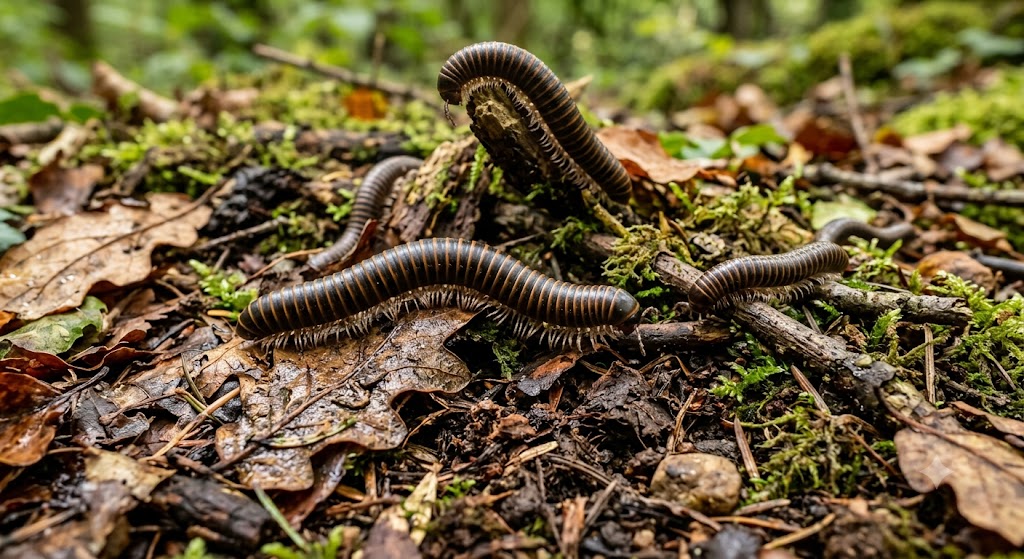
How to Stop Millipedes from Entering Your House (Fast & Permanent Fix)
Millipedes are harmless little creatures, but they can quickly become a nuisance when they start showing up inside your home. They don’t bite, sting, or spread disease, but seeing them crawling across floors or walls is never pleasant.
The good news is that millipedes don’t enter homes randomly. They usually come inside because of specific environmental conditions—mainly excess moisture, heavy rain, drought, or decaying organic matter near your foundation.
Once indoors, they are drawn to damp, dark areas such as basements, crawlspaces, laundry rooms, and bathrooms.
In this guide, you’ll learn exactly how to stop millipedes from entering your house using simple, practical, and long-term prevention methods.
Why Millipedes Enter Homes
Millipedes are arthropods (not worms). They have segmented bodies and many legs, and they play an important role in nature by breaking down decaying plant material.
Outside, they help recycle organic matter in soil. But when outdoor conditions change, especially after:
- Heavy rainfall or flooding
- Extended dry weather
- Overwatered gardens
- Excess leaf litter and mulch buildup
…they may migrate toward homes in search of moisture and shelter.
Unfortunately, once they find entry points, your home becomes an easy hiding place.
Affiliate Disclosure: This page contains affiliate links. If you buy through my links, I may earn a small commission at no extra cost to you.
As an Amazon Associate, I earn from qualifying purchases.
Step 1: Control Millipedes Outside Your Home (Most Important Step)
If you want long-term control, you must start outside. Reducing their outdoor habitat is the most effective way to stop indoor invasions.
1. Reduce Moisture Around Your Home
Millipedes love moisture. Keep outdoor areas dry by:
- Watering plants early in the morning so soil dries during the day
- Fixing leaking hoses, sprinklers, or irrigation lines
- Improving drainage so water doesn’t pool near your foundation
2. Remove Organic Debris
Millipedes feed and hide in decaying material.
- Rake up leaves regularly
- Remove dead plants and grass clippings
- Clean mulch buildup near walls and foundations
- Keep compost bins sealed and away from the house
3. Move Hiding Spots Away From Your Home
Reduce shelter areas near your structure:
- Move firewood stacks away from walls
- Keep rocks, bricks, and logs off the soil near the house
- Avoid storing trash bins close to your foundation
4. Manage Soil and Garden Areas
- Turn soil occasionally to expose eggs and pests to predators
- Keep mulch layers thin (2–4 inches max)
- Avoid placing flower beds directly against your house
5. Improve Outdoor Airflow and Sunlight
Millipedes prefer dark, damp areas.
- Trim shrubs and plants near walls
- Increase sunlight exposure around the foundation
- Improve airflow in garden beds
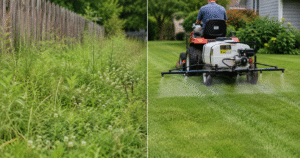
6. Optional Chemical Barrier (If Needed)
For heavy infestations, you can apply a perimeter treatment such as:
- Ortho® Home Defense® Insect Killer for Lawn & Landscape
- Spectracide Triazicide Insect Killer for Lawns & Landscapes
- Raid Max Bug Barrier Spray (Indoor/Outdoor Use)
- BioAdvanced Home Pest Control Outdoor Perimeter
- Harris Home Pest Control Spray (Indoor & Outdoor)
This helps create a barrier around your home’s exterior.
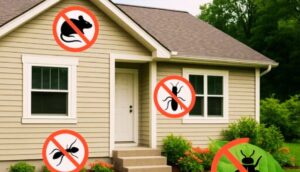
Step 2: Seal Entry Points (Stop Them From Getting Inside)
Even if you reduce outdoor populations, millipedes can still sneak in through small gaps.
1. Seal Doors and Windows
- Install or replace door sweeps
- Repair worn thresholds
- Add weather stripping around doors and windows
2. Seal Cracks and Gaps
Carefully inspect your home exterior:
- Seal cracks in foundations
- Fill gaps around pipes and utility lines
- Caulk openings around windows and vents
3. Block Hidden Entry Points
Millipedes often enter through unnoticed gaps:
- Weep holes in brick or siding
- Spaces behind baseboards
- Utility pipe openings
Use steel wool combined with caulk or foam for better sealing.
4. Protect Crawlspaces and Basements
These are prime entry zones:
- Install vapor barriers on crawlspace soil
- Use dehumidifiers to reduce moisture
- Ensure proper ventilation
Step 3: Indoor Millipede Control (If They’re Already Inside)
If millipedes have already entered your home, don’t worry—they are easy to remove.
1. Remove Moisture Sources
- Fix leaking pipes or faucets immediately
- Dry damp areas like bathrooms and laundry rooms
- Use a dehumidifier in basements
2. Physical Removal
For small numbers:
- Vacuum them up
- Sweep them into a dustpan
- Dispose of them outdoors
For larger groups:
- Use traps or simple collection methods until moisture issues are fixed
3. Use Diatomaceous Earth (Natural Option)
Diatomaceous earth (DE) is a non-toxic powder that works by drying out insects.
Apply it:
- Along baseboards
- Around cracks and entry points
- Near crawlspaces and utility openings
It is safe for humans and pets when used properly.
4. Optional Indoor Treatment
If infestations persist, a light indoor perimeter treatment may help reduce activity. Always follow label instructions carefully.
Step 4: Long-Term Prevention Tips
To keep millipedes from returning:
- Keep gutters clean and draining properly
- Direct rainwater away from your home
- Avoid overwatering garden areas near the foundation
- Maintain a dry buffer zone around your house
- Inspect your home seasonally for new cracks or gaps
Are Millipedes Dangerous?
No—millipedes are not dangerous to humans.
They:
- Do not bite
- Do not sting
- Do not spread disease
However, they can release a mild odor when disturbed, and large numbers indoors can become a nuisance.
Final Thoughts
Millipedes only become a problem when your home environment gives them what they need: moisture, shelter, and easy entry points.
By focusing on:
- reducing outdoor moisture
- sealing entry points
- and fixing indoor humidity
you can effectively stop millipedes from entering your home long-term.
Even if a few still appear occasionally, you’ll notice a major reduction once the environment is no longer suitable for them.


Great information here on bug control! It’s that time of year where I live where insects can start invading indoors. Those were some great steps for controlling the millipedes outdoors and indoors. The biggest problem we have is tiny ants in the kitchen. Right now, we are okay, but I fear we could see them again soon!
I am so happy to help, in the Catergory section you will find information on Ants that may help you. All the best
http://www.bugoffcontrol.com