
How to Check for Wasps in Your Yard: Signs You Shouldn’t Ignore
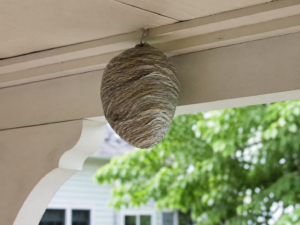
If you’re worried about wasps hanging around your yard, there are simple and natural ways to spot them before they become aggressive or build nests near your home. By using safe, eco-friendly methods, you can identify wasp activity early—without reaching for harsh chemicals. From watching flight patterns to checking common nesting spots, these tips will help you stay ahead of a potential problem.
Keeping your yard wasp-aware doesn’t have to be stressful. With a few smart checks and natural deterrents, you can enjoy your outdoor space while reducing the risk of painful stings. Staying alert now can help protect your family, pets, and peace of mind.
Affiliate Disclosure: This page contains affiliate links. If you buy through my links, I may earn a small commission at no extra cost to you.
As an Amazon Associate, I earn from qualifying purchases.
| Product | Best For | Our Rating |
|---|
| RESCUE! Wasp Trap | Heavy infestations | ⭐⭐⭐⭐☆ |
| Eco Defense Wasp Spray | Natural treatment | ⭐⭐⭐⭐☆ |
| Wasp Decoy Nest | Prevention | ⭐⭐⭐⭐☆ |
| Mighty Mint Peppermint Spray | Eco-friendly | ⭐⭐⭐⭐☆ |
Did You Know?
Not all wasps are bad for your yard. Many species help control caterpillars, aphids, and other garden pests, making them valuable to the local ecosystem. However, if a nest is located near your home’s entrances, patio, deck, children’s play areas, or other high-traffic spaces, it’s important to deal with it safely to reduce the risk of painful stings.
1️⃣ What Wasps Look Like
Wasps are easy to confuse with bees, but they have some clear differences. Here’s how to spot them:
🐝 Appearance: Slender bodies, smooth skin, narrow waists, and bright yellow-and-black markings.
⚡ Quick Identifiers: Unlike bees, wasps are less fuzzy and more aggressive when threatened.
🧐 Common Locations: Around fences, eaves, shrubs, sheds, decks, and outdoor trash areas.
2️⃣ Signs You Have Wasps in Your Yard
Not sure if wasps are nearby? Watch for these warning signs:
👀 Frequent Flying Activity: Wasps repeatedly flying to and from the same spot.
🏠 Visible Nests: Paper-like nests under roof edges, trees, or in ground holes.
🔊 Buzzing Sounds: A steady buzzing near walls, bushes, or outdoor structures.
⚠️ Defensive Behavior: Wasps are becoming aggressive when you get close to certain areas.
3️⃣ Why Wasps Are Invading Your Yard
Understanding what attracts wasps helps prevent future problems:
🍬 Food Sources: Sweet drinks, open trash, fallen fruit, and pet food.
💧 Water: Birdbaths, leaking hoses, or standing water.
🏡 Shelter: Quiet, protected spaces like eaves, wall gaps, trees, and sheds.
4️⃣ How to Prevent Wasps from Nesting
Want to keep wasps away before they settle in? Try these steps:
✅ Seal Gaps: Close cracks in siding, fences, and outdoor structures.
✅ Secure Trash: Use sealed bins and clean spills quickly.
✅ Remove Food: Cover drinks and clean outdoor eating areas.
✅ Natural Deterrents: Hang decoy nests or use essential oil sprays.
Looking for extra protection? These easy yard maintenance habits can make your property much less inviting to wasps throughout the warmer months.
✅ Pick Up Fallen Fruit: Gather and dispose of ripe or rotting fruit from beneath trees as soon as possible. Sweet scents attract foraging wasps, especially in late summer.
✅ Trim Overgrown Shrubs: Keep bushes, hedges, and tree branches neatly trimmed. Thick vegetation provides sheltered spots where wasps may begin building nests.
✅ Repair Damaged Exterior Areas: Inspect your home’s siding, soffits, fascia boards, and other outdoor structures for cracks or openings. Sealing these areas reduces the number of protected spaces where wasps can settle.
✅ Keep Compost Bins Covered: If you compost food scraps, use a secure lid and avoid leaving sweet fruits or sugary waste exposed. This helps reduce odors that can attract wasps.
✅ Clean Your Barbecue Grill After Each Use: Leftover grease, meat juices, and sugary barbecue sauces can draw wasps long after the meal is over. Wipe down cooking surfaces and empty grease trays regularly to make your outdoor cooking area less appealing.
5️⃣ Fast & Safe Treatment Options
If wasps are already present, here are effective ways to handle them:
🍃 Natural Spray: Mix peppermint or clove oil with water and spray nesting areas (from a safe distance).
🪤 Traps: Use non-toxic wasp traps placed away from activity areas.
🧴 Store-Bought Solutions: Eco-friendly wasp sprays designed for outdoor use.
👷 Professional Help: Call an expert if nests are large, hidden, or near living spaces.
6️⃣ Top Recommended Products
Choosing the right product depends on how serious your wasp problem is. Whether you’re trying to prevent nests from forming or deal with active wasps, these popular solutions can help you keep your yard more comfortable and enjoyable.
🪤 Wasp Traps
Wasp traps are a great choice if you regularly notice wasps flying around your yard but haven’t found a nest yet. They use attractants to lure wasps inside, helping reduce their numbers over time. Place the traps away from patios, decks, and seating areas so they draw wasps away from where your family spends time outdoors.
🍃 Essential Oil Repellents
If you prefer a more natural approach, essential oil repellents made with ingredients like peppermint or clove oil can help discourage wasps from visiting common nesting areas. They’re ideal for spraying around eaves, fences, sheds, porches, and other places where wasps may begin building nests. Reapply as directed, especially after rain, for the best results.
🏠 Decoy Wasp Nests
Many wasp species avoid nesting close to another colony. Hanging a realistic decoy nest early in the season may encourage scouting wasps to look elsewhere before they establish a new nest. Decoy nests work best as a preventive measure rather than a solution for existing infestations.
🧴 Outdoor Wasp Spray
When you discover a small, accessible nest, an outdoor wasp spray designed for quick knockdown can be an effective option. Look for products that provide a long-range spray pattern so you can treat the nest from a safer distance. Always read and follow the manufacturer’s directions, and avoid treating nests during windy conditions.
Helpful Tip: Before buying any wasp control product, consider the size of the problem. Traps and repellents are excellent for prevention and reducing wasp activity, while sprays are better suited for treating small, active nests. If you discover a large nest or one hidden inside walls, roofs, or other difficult-to-reach areas, contacting a licensed pest control professional is the safest solution.
Related Guides
- How to Get Rid of hornets Naturally
- Best Outdoor Pest Control Devices
- How to control Hornets
- How to control paper wasp
Frequently Asked Questions (FAQs) About Wasps
1️⃣ How can I check for wasps safely?
Answer: Observe from a distance and watch where wasps repeatedly fly. Avoid disturbing nests.
2️⃣ What attracts wasps to my yard?
Answer: Sweet foods, open trash, water sources, and quiet nesting areas.
3️⃣ Are wasps more aggressive than bees?
Answer: Yes. Wasps can sting multiple times and become aggressive when threatened.
4️⃣ Where do wasps usually build nests?
Answer: Under eaves, in trees, inside sheds, fences, or underground.
5️⃣ Can I remove a wasp nest myself?
Answer: Small nests may be handled with caution, but large or hidden nests should be left to professionals.
6️⃣ Do wasps serve any purpose?
Answer: Yes, they help control other pests, but nests near homes can be dangerous.
7️⃣ When are wasps most active?
Answer: Late spring through summer, especially during warm daylight hours.
8️⃣ Do essential oils really repel wasps?
Answer: Yes. Peppermint, clove, and citronella are known natural deterrents.
9️⃣ Will wasps return to the same spot?
Answer: They can if the area remains attractive and unprotected.
🔟 What’s the best long-term wasp prevention?
Answer: Regular inspections, sealing entry points, and removing food sources.
Conclusion
Wasps can quickly turn a relaxing yard into a stressful space if left unchecked. By learning how to spot early signs, understanding what attracts them, and using natural prevention methods, you can keep your outdoor area safer and sting-free.
Don’t wait for a nest to grow—take action today and reclaim your yard with confidence! 🌿🏡
Ready to get started? Explore trusted products that help keep wasps away naturally and safely!