FREE Rodent Prevention Home Checklist (U.S.A.)

Keeping rodents out of your home starts with a few simple but powerful habits. Rodents like mice and rats are sneaky little creatures that only need a tiny opening to sneak inside. That’s why your first step should always be a full home inspection. Check around your foundation, doors, windows, vents, and even rooflines for cracks or holes. If you find any, seal them up using rodent-proof materials like steel wool, metal mesh, or silicone caulk. Don’t forget to look under sinks and around utility lines—rodents love to squeeze through areas we often overlook.
Next, take a look at how food and clutter are stored in your home. Rodents are scavengers, so anything edible—even pet food or birdseed—is a free meal to them. Keep all food in sealed, hard plastic or glass containers, and clean up crumbs or spills right away. Garbage should be kept in bins with tight-fitting lids. And remember, clutter gives rodents a place to hide and nest, especially in basements, attics, and garages. Decluttering these areas not only makes your home more organized but also far less attractive to pests.
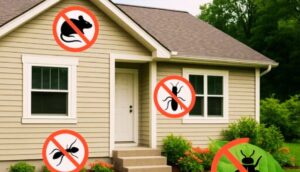
Outside your home is just as important. Trim tree branches and bushes away from the house so rodents can’t use them as bridges to the roof. Keep firewood stacked at least 20 feet away and off the ground, and don’t let yard waste pile up. Check that vents have proper screens and that garage doors close tightly. These small outdoor steps, combined with good indoor habits, create a strong barrier against rodent infestations. With the right checklist and regular upkeep, you can keep your home rodent-free all year long.
Protect your home before rodents move in!
Use this simple checklist to inspect, seal, and safeguard your home today.
1. Seal Entry Points
🔲 Inspect exterior walls for cracks or holes
🔲 Seal gaps around doors and windows with caulk or weather stripping
🔲 Install door sweeps on all exterior doors
🔲 Cover vents and chimneys with metal mesh screens
🔲 Check attic and basement for light coming through gaps — seal immediately
🔲 Fix any broken or missing screens on Windows
2. Eliminate Food Sources
🔲 Store all food in sealed containers (metal or thick plastic)
🔲 Wipe down kitchen counters nightly
🔲 Sweep floors regularly to remove crumbs
🔲 Take out trash daily and use bins with tight-fitting lids
🔲 Clean under appliances like stoves and refrigerators
🔲 Avoid leaving pet food out overnight
3. Eliminate Water Sources
🔲 Repair leaking faucets and pipes
🔲 Clear gutters and downspouts
🔲 Eliminate standing water around the home (birdbaths, puddles)
🔲 Keep basements and crawl spaces dry with dehumidifiers if needed
4. Manage Outdoor Areas
🔲 Trim tree branches at least 6 feet away from the roof
🔲 Keep shrubs and bushes trimmed away from the foundation
🔲 Store firewood at least 20 feet from the house and 18 inches off the ground
🔲 Keep compost piles covered and away from the home
🔲 Remove fallen fruits, vegetables, and nuts from the yard
5. Monitor and Maintain
🔲 Check for rodent droppings in basements, attics, and garages
🔲 Inspect insulation and wiring for signs of chewing
🔲 Listen for scratching sounds inside walls and ceilings
🔲 Set traps or bait stations if early signs are detected
🔲 Schedule a professional inspection yearly
Pro Tip:
✅ Complete this checklist at the start of fall and spring — rodent seasons!
✅ Early action saves thousands in potential repair and extermination costs.
10 Frequently Asked Questions (FAQs)
1. What’s the first step in preventing rodents at home?
Answer:
Start with a thorough inspection of your home—inside and out. Look for gaps, cracks, or holes where rodents can squeeze through. Even a hole as small as a dime can let a mouse inside!
2. How can I seal entry points to keep rodents out?
Answer:
Use steel wool, hardware cloth, or caulk to seal cracks and holes in walls, floors, foundations, and around pipes. Rodents can chew through foam and rubber, so stick with chew-resistant materials.
3. What kind of food storage helps with rodent prevention?
Answer:
Store food in airtight containers made of metal or hard plastic. Avoid leaving pet food out overnight, and keep pantry items off the floor. Rodents are scavengers and love easy access to crumbs or snacks.
4. Are there signs that rodents might already be inside?
Answer:
Yes! Watch for droppings, gnaw marks, greasy rub marks on walls, strange noises (especially at night), and shredded materials used for nesting. One sign is often enough to take action.
5. How does landscaping affect rodent control?
Answer:
Trim back shrubs, trees, and grass around your home. Overgrown vegetation offers shelter and an easy path indoors. Also, keep firewood at least 20 feet from your house and elevated off the ground.
6. Can a messy home invite rodents?
Answer:
Absolutely. Clutter provides hiding spots and nesting materials. Keep your home clean and organized, especially in garages, attics, and storage areas. Regular cleaning helps you notice issues early.
7. Are there natural repellents that work against rodents?
Answer:
Yes, peppermint oil, cloves, and ammonia can deter rodents naturally. These don’t kill but can help discourage them from settling in. Reapply often, especially near entry points or crawl spaces.
8. What should I check outside the home to prevent rodents?
Answer:
Inspect gutters, roof edges, vents, garbage bins, and sheds. Make sure trash cans have tight-fitting lids and aren’t left overflowing. Seal gaps around doors and windows, and repair broken screens.
9. Do rodents enter through plumbing or drains?
Answer:
Yes, especially rats. They can enter through toilet pipes or floor drains. Install drain covers or metal screens and check for leaks that might attract rodents looking for water sources.
10. When should I call a professional for rodent prevention?
Answer:
If you’ve sealed up your home and still see signs of rodents—or if there’s a large infestation—it’s time to call a pest control professional. They can inspect hidden areas and apply safe, effective treatments.
Conclusion
This checklist can help you to stay ahead of rodents and pests, giving you the upper hand to have complete control that will discourage them from your home and your garden. Remember the presence of pests in and an indication that they found a food and water source and even a place they can shelter and raise their young but with this checklist will ensure that you have a pest-free life because a pest-free life is a stress-free life.