
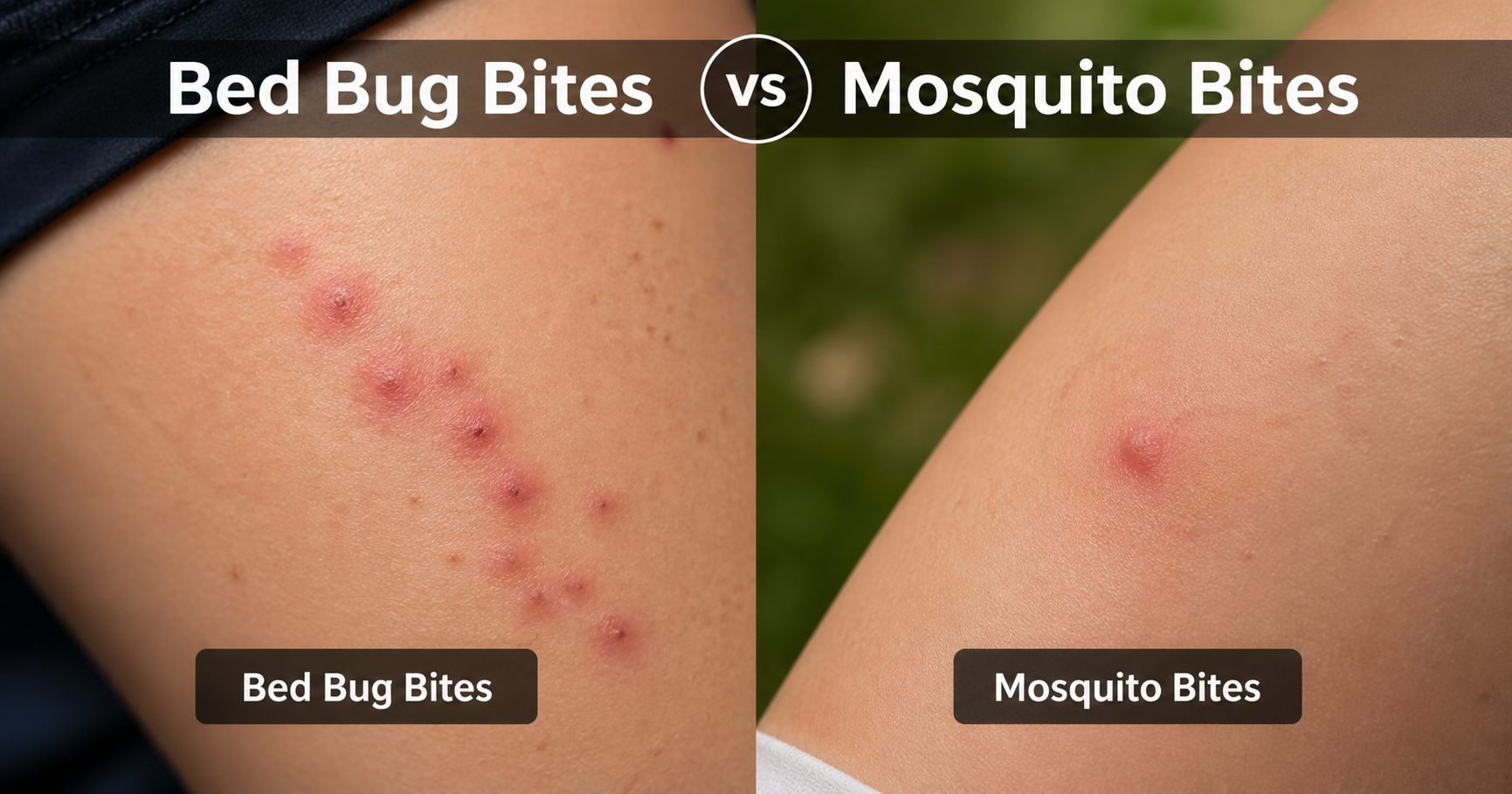
Bed Bug Bites vs Mosquito Bites: Key Differences
Woke up with itchy red bites and wondering if bed bugs or mosquitoes are to blame?
You’re not alone. While the bites can look similar, a few key differences in their appearance, pattern, and timing can help you identify the source.
Mosquito bites usually appear soon after you’ve been outdoors and often show up as random, itchy bumps on exposed skin. Bed bug bites typically develop after a night’s sleep and are more likely to appear in small lines or clusters. If new bites keep appearing each morning, it could be a sign of a hidden bed bug infestation.
This guide explains how to tell bed bug bites from mosquito bites by comparing their symptoms, bite patterns, and treatment options. You’ll also learn how to check for bed bugs in your home and prevent future bites.
Quick Answer
Bed bug bites usually appear in straight lines or small clusters after sleeping and often become itchier several hours later. Mosquito bites are typically random, appear shortly after being bitten outdoors, and cause immediate itching. Looking at the bite pattern, when the bites appeared, and where they are located can help you tell the difference.
According to the Centers for Disease Control and Prevention (CDC), mosquitoes can transmit diseases in some parts of the world, while bed bugs are not known to spread diseases through their bites. However, bed bug infestations can still cause significant discomfort, allergic reactions, and sleep disruption.
Recommended if You Suspect Bed Bugs
If your bites keep appearing after a night’s sleep—especially if they’re in lines, zigzags, or small clusters—it may be time to check for bed bugs. Taking action early can make a big difference before a small problem turns into a larger infestation.
Disclosure: As an Amazon Associate, BugOffControl.com earns from qualifying purchases. This helps support our website at no additional cost to you.
Here are a few products that can help you inspect, confirm, and manage a suspected bed bug problem:
| Product | Best For | Key Benefit |
|---|---|---|
| Bed Bug Mattress Encasement | Protecting your mattress | Helps trap existing bed bugs inside the mattress and makes future inspections easier. |
| Bed Bug Interceptor Traps | Detecting bed bugs | Placed under bed legs to help monitor for bed bug activity while you sleep. |
| Bed Bug Spray | Treating affected areas | Helps control bed bugs in cracks, crevices, bed frames, and other common hiding places when used as directed. |
Quick Tip: Finding bites doesn’t always mean you have bed bugs. Before beginning treatment, inspect your mattress seams, bed frame, headboard, and nearby furniture for other signs such as live bed bugs, shed skins, dark fecal spots, or tiny eggs. Confirming the source helps you choose the right solution and avoid unnecessary treatments.
Top Treatment Recommendations
If you’re not sure whether you’re dealing with bed bug bites or mosquito bites, these products may help relieve itching while also helping you investigate or manage a suspected bed bug infestation.
| Hydrocortisone Anti-Itch Cream | Fast itch relief | Helps reduce itching, redness, and inflammation caused by both bed bug and mosquito bites. |
| Bed Bug Mattress Encasement | Suspected bed bug infestation | Traps existing bed bugs inside the mattress and helps prevent new infestations. |
| Bed Bug Interceptor Traps | Confirming bed bug activity | Detects bed bugs climbing onto your bed so you can identify an infestation early. |
Quick Tip: If your bites appear in straight lines, zigzags, or small clusters after sleeping, inspect your mattress, bed frame, and nearby furniture for other signs of bed bugs, such as dark fecal spots, shed skins, or live insects. Identifying the source early makes treatment easier and helps prevent a larger infestation.
Main Differences Between Bed Bug Bites vs Mosquito Bites
Now let’s compare the two bite types side-by-side:
| Feature | Bed Bug Bites | Mosquito Bites |
|---|
| Typical Pattern | Often appear in straight lines, zigzags, or small clusters (not always). | Usually appear as single, randomly scattered bites, although multiple bites can occur. |
| When They’re Noticed | Often noticed after sleeping. Bites may not become visible for several hours or even 1–2 days. | Usually noticed within minutes to hours after being bitten, whether outdoors or indoors. |
| Itching | May begin immediately or several hours later. Reactions vary from person to person. | Often begins within minutes of the bite. |
| Appearance | Small red bumps that may be flat or raised. Some develop a darker center. | Raised, itchy bumps that vary in size and are often puffy. |
| Common Locations | Exposed skin during sleep, including the arms, neck, shoulders, face, and hands. | Any exposed skin, especially the arms, legs, ankles, and face. |
| How the Bite Feels | Most people do not feel the bite while it is happening. | The bite is often unnoticed at first, but itching usually begins soon afterward. |
| Likely Cause | Bed bugs feeding on exposed skin, most often while a person is sleeping. | Female mosquitoes feeding on exposed skin indoors or outdoors. |
| Recommended Action | Relieve itching with anti-itch products. Inspect your bed, mattress, and nearby furniture for signs of bed bugs. If an infestation is confirmed, begin treatment promptly. | Relieve itching with anti-itch products. Help prevent future bites by using mosquito repellent, removing standing water, and limiting mosquito exposure. |
Bed Bug Bite
✔ Usually in lines
✔ Happens while sleeping
✔ Often appears hours later
✔ Repeats every night
Mosquito Bite
✔ Random bumps
✔ Happens outdoors
✔ Itches immediately
✔ Usually disappears in a few days
Bed Bug Bites vs Mosquito Bites Overview
Affiliate Disclosure: This page contains affiliate links. If you buy through my links, I may earn a small commission at no extra cost to you.
As an Amazon Associate, I earn from qualifying purchases.
What Do Bed Bug Bites Look Like?
Bed bug bites often show up in small groups or straight lines and tend to appear on areas of your body that are left uncovered while you sleep. Common spots include:

-
Arms
-
Neck
-
Face
-
Shoulders
-
Hands
-
Legs
These bites usually look like tiny red bumps that may be slightly swollen. Sometimes, there’s a darker spot in the middle of each bite.
While they might not itch right away, the irritation can build up over time, making the bites more noticeable a few hours later.
Key Features of Bed Bug Bites:
How to Spot Bed Bug Bites
Bed bug bites often have a distinct pattern. They tend to appear in a row or a zigzag across the skin. The bumps are usually red and slightly swollen, with a noticeable center that may be darker than the surrounding area.
Some people find them itchy right away, while others feel the irritation increase hours later. In some cases, the bites don’t fully show up until a day or more after being bitten.
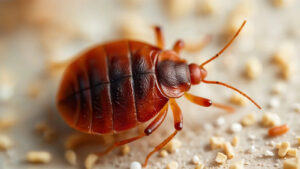
Typical Signs of Bed Bug Bites:
-
Form in lines or uneven zigzag shapes
-
Small, red, raised bumps with a central spot
-
Can be itchy or tender to the touch
-
May take 24–48 hours to become visible
How to Spot Mosquito Bites
Mosquito bites usually show up in no particular order, appearing anywhere a mosquito had access to bare skin. You’ll often notice the bump within minutes.
These bites are round, red, and noticeably puffy in the center. They’re well-known for causing instant itching, which can make them very uncomfortable, especially in warmer weather.
Compared to bed bug bites, they’re more random and tend to go away faster.
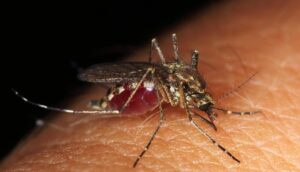
Common Features of Mosquito Bites:
-
Appear randomly and not in a pattern
-
Often larger and puffier than bed bug bites
-
Itching starts quickly after the bite
-
Usually heal within a few days
Knowing these differences helps you take the right action faster.
If you’re unsure whether you’re dealing with mosquitoes or bed bugs, get a closer look with a bed bug detection flashlight. It can help you identify hidden infestations early, giving you peace of mind.
What Do Mosquito Bites Look Like?
Mosquito bites usually appear as round, raised bumps that become itchy shortly after the bite occurs. They can range from small to fairly large depending on how your immune system reacts to the mosquito’s saliva.
Most mosquito bites develop on exposed skin such as the arms, legs, ankles, or face. Unlike bed bug bites, they usually appear individually or in random locations rather than forming lines or clusters. The swelling often begins to improve within a few days.
Symptoms to Watch For
Some symptoms overlap. However, here are signs that can help you figure out what you’re dealing with.
Bed Bug Bite Symptoms:
Identifying Bed Bug Bites
Bites from bed bugs often appear in a noticeable pattern. You might see them lined up neatly or scattered in a zigzag shape.
Each bite usually looks like a small, red bump that’s slightly swollen, often with a darker spot in the center. They might not itch right away, but the discomfort usually increases over time.
Some bites take a day or two to fully appear, making it tricky to connect them to the actual moment you were bitten.
Bed Bug Bite Characteristics:
-
Often follow a straight or zigzag line
-
Small, red, and raised with a darker middle
-
Can be itchy, sore, or both
-
May take a while to become visible on the skin
Recognizing Mosquito Bites
Mosquito bites tend to pop up randomly wherever your skin was exposed. You’ll usually notice them within minutes of being bitten.
They appear as red, round welts with a soft, raised center. These bites are notorious for causing intense itching almost immediately.
Unlike bed bug bites, mosquito bites don’t follow any pattern and are usually spread out. They also tend to fade more quickly.
Mosquito Bite Symptoms:
-
Appear in random spots across exposed skin
-
Typically larger and more swollen than bed bug bites
-
Start itching shortly after the bite
-
Often go away faster than bed bug bites
For effective mosquito control, consider using a high-quality mosquito repellent. Protect your skin and enjoy the outdoors without the itch.
Do Bed Bug Bites Itch More Than Mosquito Bites?
It depends on how your body reacts to the bites. For many people, mosquito bites begin itching almost immediately and can feel more intense at first. Bed bug bites, on the other hand, may not become itchy until several hours later. Once the itching starts, it can last for several days and may become more bothersome if you continue to be bitten night after night.
Everyone reacts differently. Some people experience only mild irritation, while others develop larger, itchier welts from either insect. Scratching the bites can make the irritation worse and increase the risk of a skin infection.
How Long Do The Bites Last?
Bed Bug Bites:
They can last up to 10 days or longer, especially if you keep scratching.
Mosquito Bites:
They usually fade in 1–3 days. Some may last longer if scratched or if you’re allergic.
How Long Do Bed Bug Bites Last?
Most bed bug bites begin to improve within a few days, but they can remain visible for one to two weeks depending on your skin and how strongly your body reacts. If you continue to be bitten each night, it may seem like the bites never go away because new ones keep appearing.
Avoid scratching the affected area whenever possible. Keeping the skin clean and using an appropriate anti-itch treatment may help reduce discomfort while the bites heal naturally.
Can Bed Bug Bites Look Like Mosquito Bites?
Yes. In many cases, bed bug bites and mosquito bites can look very similar, especially during the first day or two. Both may appear as small, red, itchy bumps, making it difficult to tell them apart by appearance alone.
The best way to identify the source is to look beyond the bite itself. Bed bug bites often appear in lines, zigzags, or small clusters after sleeping, while mosquito bites are more likely to appear randomly after you’ve spent time outdoors or in an area where mosquitoes are active. Checking your mattress, bedding, and bed frame for signs of bed bugs can also help confirm the cause.
Can You Have Allergic Reactions?
Yes. Some people are more sensitive to insect bites.
-
Bed bug bites may cause large red patches or even blisters in allergic individuals.
-
Mosquito bites can trigger hives or swelling in severe cases.
If you develop a fever, rash, or swelling beyond the bite, seek medical advice right away.
How to Treat Bed Bug Bites
-
Wash the area with soap and water.
-
Apply an anti-itch cream like hydrocortisone.
-
Take an antihistamine to reduce itching.
-
Avoid scratching to prevent infection.
-
Apply ice packs to relieve swelling.
If the bites persist or worsen, see a doctor. Also, start treating your home for bed bugs immediately.
For fast, chemical-free removal, check out the best bed bug steam cleaner and vacuum for home use.
If you’re worried about bed bugs, consider investing in a bed bug-proof mattress protector. It’s a simple and effective way to keep your sleep space safe from these pests.”
How to Treat Mosquito Bites
-
Clean the bite with warm water and soap.
-
Apply calamine lotion or hydrocortisone.
-
Use cold compresses to ease swelling.
-
Avoid scratching to prevent infection.
-
Use antihistamines if itching is severe.
Most mosquito bites are harmless, but monitor for signs of infection or disease if bitten in high-risk areas.
Ease your itching and irritation with a premium anti-itch cream, perfect for both mosquito and bed bug bites.
When Should You See a Doctor?
Most bed bug bites and mosquito bites can be treated at home and improve without medical care. However, you should contact a healthcare provider if the bites become increasingly painful, show signs of infection, or don’t begin improving after several days.
Seek immediate medical attention if you experience difficulty breathing, swelling of your face or throat, widespread hives, dizziness, or any other signs of a severe allergic reaction. If you develop a fever or other flu-like symptoms after mosquito bites—particularly if you’ve been in an area where mosquito-borne diseases are present—contact a healthcare provider promptly for further evaluation.
How to Check for Bed Bugs at Home
If you suspect bed bugs, here’s what to look for:
-
Tiny reddish-brown bugs in mattress seams
-
Dark spots (bed bug droppings) on sheets
-
Small white eggs or eggshells
-
Blood stains on bedding
-
Musty odor near your bed
Use a flashlight to inspect seams, cracks, and nearby furniture. You can also place bed bug traps to confirm activity.
When It’s Probably Bed Bugs
If you notice several of these signs together, bed bugs are more likely than mosquitoes:
- New bites every morning
- Bites in rows or clusters
- Small blood spots on sheets
- Tiny dark fecal stains on mattresses
- Live bed bugs or shed skins around the bed
How to Prevent Bed Bug Bites
-
Inspect hotel mattresses before sleeping
-
Don’t bring in used furniture unless inspected
-
Wash and dry clothes after travel on high heat
-
Use bed bug-proof mattress covers- king size mattress or Queen size mattress.
-
Declutter your bedroom to limit hiding spots
How to Prevent Mosquito Bites
-
Wear long sleeves and pants outdoors
-
Apply mosquito repellent with DEET or natural oils
-
Use screens on windows and doors
-
Sleep under a mosquito net if needed
-
Remove standing water around your home
When to See a Doctor
Seek medical attention if:
-
You develop blisters or infections
-
Bites spread rapidly or swell severely
-
You have a fever or chills
-
You’re bitten in a mosquito-risk area with known diseases (e.g., Zika, dengue)
-
Your bites don’t heal after two weeks
Bonus On How to Check for Bed Bugs at Home
Take Action Now: If you want to ensure your home is bed bug-free, consider using a bed bug detection trap to monitor any potential activity
10 FAQs About Bed Bug Bites vs Mosquito Bites
Can I get bites from bed bugs and mosquitoes at the same time?
1. Yes, it’s possible to have both. If your home has a bed bug problem and you spend time outdoors where mosquitoes are active, you could end up with bites from both pests.
2. Do bed bugs bite every night?
Not always. Bed bugs don’t need to feed daily. They typically bite every few days, depending on the size of the infestation and how many bugs are present.
3. Can you feel it when a bed bug bites?
Usually not. Bed bugs inject a mild anesthetic into your skin so you won’t feel the bite when it happens. The itchiness and redness usually appear hours later.
4. Are mosquito bites more harmful than bed bug bites?
Yes, in some cases. While bed bug bites are irritating, mosquito bites can spread diseases like Zika, dengue, and malaria in certain regions.
5. Do bed bug bites spread across the skin?
No, they don’t spread like a rash. However, you might notice more bites over several days as more bugs feed.
6. Can scratching a mosquito bite make it bleed?
Yes. If scratched too hard, mosquito bites can break the skin and bleed. Bed bug bites typically don’t bleed unless they’re scratched excessively.
7. Can bed bugs live in places other than beds?
Definitely. Couches, chairs, rugs, and even behind baseboards are all fair game for bed bugs. Any soft or hidden space is a potential hiding spot.
8. Will a bed bug infestation go away on its own?
No. Bed bugs don’t leave without intervention. You’ll need to treat your home to eliminate them completely.
9. Are children more affected by bites than adults?
Yes. Kids can have stronger reactions to both mosquito and bed bug bites. Their skin may swell more, and they may experience more itching or irritation.
10. Can I treat both mosquito and bed bug bites the same way?
Yes, most basic treatments like anti-itch creams, cold compresses, and antihistamines work for both. But solving the underlying cause—whether it’s bed bugs or mosquitoes—requires a different approach.
Conclusion
Know the Difference & Act Fast
Telling bed bug bites apart from mosquito bites can save you time, money, and stress.
While mosquito bites are usually harmless and short-lived, bed bug bites are a sign of an infestation that needs urgent attention.
By knowing what to look for—like bite patterns, timing, and itchiness—you’ll be better prepared to respond.
And once you treat the bites, make sure to get rid of the source.
One of the most effective ways to do this is with the best bed bug vacuum and steam cleaner designed to target hidden infestations.
Don’t wait until a few bites turn into a full-blown infestation.
Act now, treat your skin, and protect your home. Don’t wait until an infestation gets out of hand. Browse our selection of bed bug treatment kits and mosquito control products to protect your home today.”
Here is our Complete Guide on Bed Bug Control
- How To Permanently Get rid Of Bed Bugs At Home?
- Best Bed Bug Pillow Protectors For Allergy Sufferers.
- 7 Best Waterproof Bed Bug Mattress Covers for Queen Size Beds.
- Best Waterproof Bed Bug Mattress Covers For King Size Beds.
- Do Bed Bugs Live In Wood.
- Can Bed Bugs Survive In Laundry?
If you found this guide helpful, share it with others and explore our full bed bug treatment section for more pest-fighting tips.