

How to Remove Cockroaches from Inside Your Walls (Fast & Proven Methods That Work)

A roach infestation inside walls is one of the most frustrating pest problems homeowners face. Cockroaches are incredibly resilient, and once they settle into wall voids, they multiply fast—often without you noticing until the problem gets serious.
In many cases, homeowners also start noticing other early warning signs of pest activity, such as tiny black bugs in the kitchen or even ants appearing in unusual places like electronics or food storage areas. Also want to know how to get rid of ants using natural methods? Then look at this guide that has proven natural methods for ants control. how to get rid of ants in the kitchen naturally.
Seeing cockroaches near baseboards, wall cracks or plumbing openings may indicate that they are hiding nearby. The first step is to identify where they are entering and what is attracting them. Using suitable cockroach baits, reducing moisture and sealing entry points can help control the infestation without tearing open your walls.
The good news? You can eliminate them without tearing down your walls—if you use the right methods and products in the right order.
In this guide, you’ll learn:
✔ How roaches get inside your walls
✔ The fastest way to eliminate the entire colony
✔ The exact products that actually work inside wall voids
⚠️ Important Safety Tips Before You Start
- Never spray liquid insecticides into outlets or wiring
- Always turn off power at the breaker before opening outlets
- Never apply bait directly to wires or terminals
- Focus on wall voids, cracks, and hidden spaces—not electrical components
How Do Cockroaches Get Inside Walls?
Cockroaches are experts at squeezing into tight spaces. Common entry points include:
- Cracks in your foundation
- Gaps around baseboards and trim
- Openings around pipes and plumbing
- Electrical outlets and wall penetrations
Once inside, they stay hidden in warm, dark, and humid wall cavities.
Which Cockroach Species Hide Inside Walls?
Not all cockroaches behave the same way once they get indoors. Some species are more likely to hide deep inside wall voids, while others stay closer to damp basements, kitchens, or crawl spaces. If you are unsure which type you’re dealing with, this helpful guide on how to identify cockroach species in your home can make identification much easier.
In some homes, especially those near wooded or damp outdoor areas, the problem may actually involve wood cockroach instead of the more common indoor species. And if you’re noticing activity near food, crumbs, or appliances, you may also want to explore other kitchen pest control articles to prevent infestations from spreading throughout your home.
Signs of Cockroaches Inside Your Walls
If you notice any of these, you likely have roaches inside your walls:
- Roaches appearing near outlets or cracks
- Droppings that look like black pepper or coffee grounds
- Brown smear marks along walls
- Egg casings (oval-shaped, brown/black)
- Scratching or rustling sounds at night
German Cockroaches (Why They Are the Worst in Walls)
German cockroaches are the most common type found inside homes—and they are especially difficult to eliminate once they enter wall voids.
Unlike larger roaches, German cockroaches:
- Multiply extremely fast
- Hide deep in warm wall spaces
- Prefer kitchens and bathrooms
- Survive on tiny food crumbs and grease
If you are dealing with a fast-growing infestation, there’s a high chance it is German cockroaches rather than larger species.
Affiliate Disclosure
This page contains affiliate links. If you buy through my links, I may earn a small commission at no extra cost to you.
As an Amazon Associate, I earn from qualifying purchases.
How to Get Rid of Cockroaches Inside Walls (Step-by-Step)
To fully eliminate roaches, you need a layered approach. Here’s what actually works:
|
Product |
Best use |
Main advantage |
Important limitation |
|---|
|
Targeted cockroach control |
Attractive bait that can reach other roaches through feeding and contact |
Must be placed according to the label |
|
Ongoing control |
Convenient, enclosed bait |
May take time to reduce activity |
|
Suitable cracks and voids |
Residual control when applied correctly |
Avoid inhaling dust |
|
Dry, label-approved areas |
Controls insects through physical action |
Slow acting; inhalation is a concern |
|
Visible roaches and approved surfaces |
Can provide quick contact kill |
Usually won’t reach hidden colonies |
Related Cockroach Control Guides
If cockroaches are hiding inside your walls, these additional guides can help you explore other control methods and choose suitable treatments.
-
Best Indoor Roach Bait — Compare bait options for controlling cockroaches in your home.
-
Best Way to Eliminate Cockroaches Indoors — Learn about other methods for managing indoor cockroach infestations.
-
How to Identify Cockroach Species in Your Home — Identify the cockroach species before selecting a treatment.
Product Comparison (WITH PROS & CONS)
Advion Cockroach Gel Bait

Best for: Killing entire colonies inside walls
How it works: Roaches eat bait and spread poison to others
Pros: ✔ Extremely effective (professional-grade) ✔ Kills entire colonies, not just visible roaches ✔ Works deep inside wall voids
Cons: ✖ Requires careful placement ✖ Not an instant kill solution
- Place multiple small dots every 6–12 inches in active areas
- More small placements > fewer large ones
- Refresh every 5–7 days if eaten
Combat Roach Bait Stations

Best for: Long-term control near walls
How it works: Roaches enter stations and carry poison back
Pros: ✔ Easy to use (no mess) ✔ Continuous 24/7 protection ✔ Safe for kitchens
Cons: ✖ Slower than gel bait ✖ Not strong enough alone for heavy infestations
Harris Boric Acid Powder

Best for: Deep wall void treatment
How it works: Kills roaches slowly as they walk through it
Pros: ✔ Very affordable ✔ Long-lasting residual effect ✔ Great for cracks and hidden areas
Cons: ✖ Works slower than gel bait ✖ Must apply lightly for best results
2. Don’t mix bait with dust in the same exact spot
This is a subtle but important mistake many people make.
- Boric acid or diatomaceous earth can repel roaches from bait
- If they avoid the bait, you lose your main kill method
Food-Grade Diatomaceous Earth

Best for: Natural non-toxic control
How it works: Dehydrates roaches on contact
Pros: ✔ Non-toxic when used correctly ✔ Safe for homes with pets/kids ✔ Good for prevention
Cons: ✖ Slow acting ✖ Must stay dry to remain effective
2. Don’t mix bait with dust in the same exact spot
This is a subtle but important mistake many people make.
Important: Keep bait and insecticide dust separate. Applying dust directly over or next to bait may interfere with cockroaches finding and feeding on the bait. Follow the product labels for appropriate placement.
Roach Sprays (General)

Best for: Killing visible roaches only
How it works: Instant contact kill
Pros: ✔ Fast knockdown ✔ Easy to use
Cons: ✖ Does NOT reach nests ✖ Can scatter infestation deeper into walls
How to Get Rid OF Roaches In Walls
1. Use Gel Bait (Your #1 Weapon)
Gel bait is the most effective way to kill roaches inside walls.
It works by turning roaches into poison carriers—they eat it, return to the nest, and spread it to others.
Best choice:
Advion Cockroach Gel Bait (highly effective, used by professionals)
✔ Works inside wall voids
✔ Kills entire colonies
✔ Easy to apply in cracks and outlets
1. Use Cockroach Gel Bait
Gel bait can help control cockroaches that hide in cracks, crevices and other accessible areas. Cockroaches consume the bait, and some products can affect other cockroaches through secondary exposure.
Recommended product: Advion Cockroach Gel Bait
- Apply small amounts only in locations permitted by the product label.
- Target cockroach activity near cracks, crevices and suitable sheltered areas.
- Keep bait away from children, pets, food and food-contact surfaces.
- Check the bait regularly and replace it as directed by the manufacturer.
Important: Never put gel bait inside electrical outlets or directly on wiring. Use only application locations permitted by the product label.
Pro Tip: Rotate Baits if Needed
If roaches stop feeding on the bait after 2–3 weeks, they may have developed bait aversion. Switch to a different gel bait with a new active ingredient.
This is a common professional technique to keep treatments effective.

2. Add Bait Stations for Continuous Control
Bait stations act as long-term killers and are perfect for hidden infestations.
Recommended:
Combat Roach Killing Bait Stations
✔ No mess, no smell
✔ Works 24/7
✔ Perfect for kitchens and wall-adjacent areas
Place near:
- Walls where activity is seen
- Under sinks
- Behind appliances
3. Use Boric Acid or Roach Dust (Deep Wall Treatment)
Dusts are critical because they reach places sprays can’t.
Top option:
Harris Boric Acid Roach Powder with Lure
✔ Long-lasting
✔ Kills roaches that walk through it
✔ Perfect for wall voids
Lightly dust:
Apply boric acid powder only in dry cracks, crevices and wall voids specifically permitted by the product label. Use only the amount directed by the manufacturer. Avoid creating airborne dust, and never apply it inside electrical outlets or near exposed wiring.
4. Use Diatomaceous Earth for a Natural Option
Diatomaceous earth can help control cockroaches in suitable dry locations. However, it works slowly and should be applied only where the product label permits. Avoid breathing the dust, and keep it away from children, pets and food-preparation areas. If you prefer a non-toxic method, this is a great backup.
Best pick:
Food-Grade Diatomaceous Earth
✔ Safe for homes (when used properly)
✔ Kills roaches by dehydration
✔ Great for long-term prevention
5. Seal All Entry Points (CRITICAL Step)
Even the best treatment will fail if roaches keep getting inside.
Use:
- Caulk for cracks
- Expanding foam for larger gaps
- Door sweeps for entry doors
Focus on:
- Baseboards
- Pipe openings
- Wall cracks
- Window frames
6. Keep Your Home Clean and Dry
Roaches stay where food and moisture exist.
Do this daily:
- Store food in airtight containers
- Clean crumbs and spills immediately
- Don’t leave dishes overnight
- Fix leaks under sinks and behind walls
7. Use Sprays Only as a Backup
Sprays do NOT eliminate infestations inside walls, but they can kill visible roaches.
Use only for:
- Quick knockdown
- Surface treatment
Avoid spraying deep into walls—it scatters roaches and makes the problem worse.
Timeline expectations could be more realistic
- Light infestation: ~1–2 weeks
- Moderate: ~3–4 weeks
- Heavy (inside walls): 4–8+ weeks
Pro Tip (Most People Miss This)
Important Safety Tip for Cockroaches Near Electrical Outlets
Cockroaches near electrical outlets may be entering through wall openings or gaps around electrical boxes. Never spray insecticides, place gel bait or apply dust inside an electrical outlet unless the specific product label explicitly permits that application.
If cockroaches are emerging from outlets or you suspect an infestation inside electrical equipment, consult a qualified pest control professional. Have an electrician inspect any suspected electrical damage.
How to Prevent Cockroaches from Coming Back
Preventing cockroaches from returning requires eliminating the conditions that attract them. Keep food sealed, clean up crumbs and grease, repair leaking pipes and reduce excess moisture around sinks and appliances.
Pay particular attention to gaps around plumbing pipes, baseboards and other openings that cockroaches can use to enter wall cavities. Seal suitable gaps with appropriate materials after addressing any active infestation.
Once you eliminate them, prevention is key.
Seal Everything
Close all cracks, gaps, and wall openings.
Control Moisture
Fix leaks and eliminate standing water
- Even tiny leaks under sinks or inside walls can sustain an infestation
- Dry environments can dramatically reduce survival rates
Stay Consistent with Bait
Keep bait stations active—even after the infestation is gone.
Frequently Asked Questions (FAQs)
FAQs About Cockroaches Inside Walls
1. What is the best way to kill cockroaches inside walls?
The appropriate treatment depends on the cockroach species and where the insects are hiding. Cockroach gel baits and properly labeled insecticide dusts can help control infestations when applied in suitable locations. Sealing entry points and correcting moisture problems are also important.
2. Will sprays kill roaches inside walls?
No. Sprays only kill visible roaches and usually do not reach nests inside walls. In some cases, sprays can even push roaches deeper into hiding.
3. How do I know if roaches are living in my walls?
Common signs include droppings (like black pepper), scratching sounds at night, roaches appearing near outlets or baseboards, and a musty odor coming from walls.
4. Do German cockroaches live inside walls?
Yes. German cockroaches are one of the most common species found in wall voids, especially in kitchens and bathrooms where warmth and moisture are present.
5. How long does it take to eliminate cockroaches in walls?
Light infestations may take 1–2 weeks, while moderate to heavy infestations inside walls can take 4–8 weeks or longer depending on treatment consistency.
6. Why do cockroaches go inside walls in the first place?
Walls provide warmth, darkness, moisture, and protection from predators, making them an ideal nesting and breeding environment for cockroaches.
7. Can cockroaches travel between rooms inside walls?
Yes. Cockroaches can move freely through wall voids, plumbing gaps, and electrical openings, allowing infestations to spread between rooms.
8. Is boric acid safe to use inside walls?
Boric acid can be used in certain cracks and wall voids when the product label permits it. Apply it carefully to avoid airborne dust, and keep it away from children, pets, food and electrical components. Follow all label directions.
9. What attracts cockroaches to walls and hidden spaces?
They are attracted to food crumbs, grease, moisture leaks, and warm hidden areas behind appliances, sinks, and electrical wiring.
10. When should I call a professional for wall cockroaches?
If the infestation is severe, spreading quickly, or not improving after 2–3 weeks of consistent treatment, a pest control professional is recommended.
Final Thoughts: How to Control Cockroaches Inside Walls
Cockroaches hiding inside walls can be difficult to control, but a careful, consistent approach can help reduce an infestation.
Start by identifying the cockroach species and locating areas of activity. Choose an appropriate bait or other labeled treatment, reduce food and moisture sources, and seal suitable entry points.
Avoid applying insecticides inside electrical outlets or other locations not permitted by the product label. If cockroach activity persists or appears to involve electrical equipment, consider hiring a qualified pest control professional.
With appropriate treatment, regular monitoring and preventive measures, you can reduce cockroach activity and help prevent future infestations.

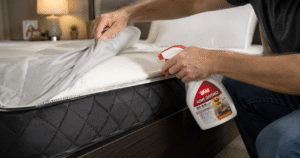
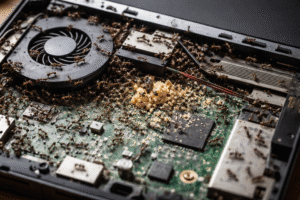
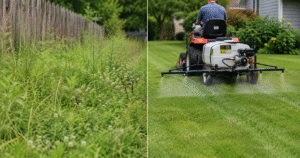
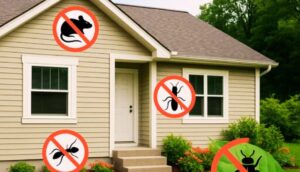

Cockroaches are persistent pests that can easily find their way into walls, often going unnoticed until signs of an infestation appear. It’s important to understand how they gain entry and take proactive steps to prevent them, such as sealing cracks and eliminating food and water sources. Using baits, traps, and proper sanitation can help control and even eliminate a roach problem. In my experience, addressing both outdoor and indoor issues is key to long-term success in keeping cockroaches at bay. Prevention is always better than dealing with an infestation down the road!
The key takeaway here is sanitation and exclusion which is your best line of defense of keeping roaches away.