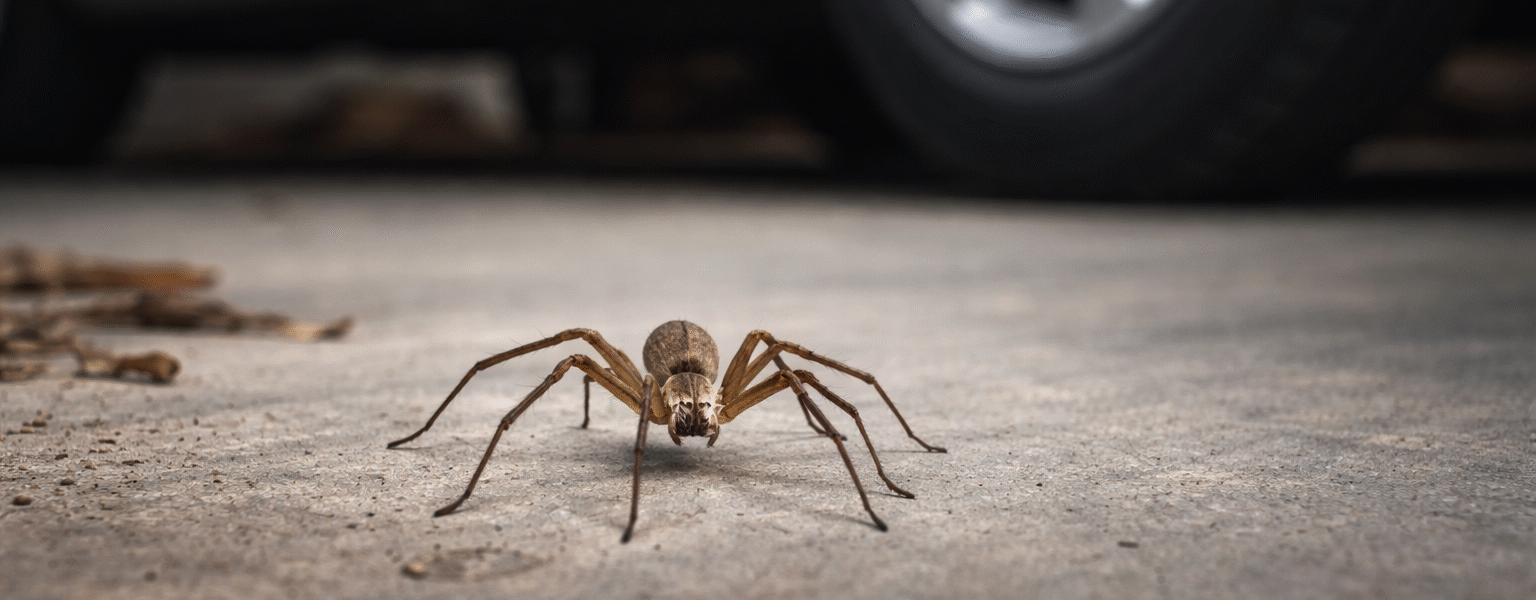
How To Control and Remove Brown Recluse Spiders Safely
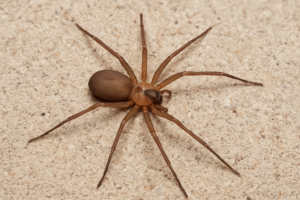
Brown recluse spiders can make even the bravest homeowners uneasy. Many spiders are mistaken for brown recluses. If you’re unsure, consider contacting your local extension office or pest professional for confirmation before starting treatment. Brown recluse spiders love warm, dry places and often set up their homes outdoors under rocks, logs, or tree bark. However, they’re also drawn to human-made spots like sheds, garages, closets, and storage rooms. Brown recluse spiders are most common in the central and southern United States. If you live outside these areas, confirmed sightings are much less likely.
These spiders spin messy, irregular webs and like to hide in dark, quiet areas with plenty of clutter where they can stay safe and catch their next meal. Sometimes, they even hitch a ride into houses inside boxes, furniture, or other items that have been sitting outside. If you’ve spotted one in your home, you might be wondering how to safely get rid of them — without putting your family or pets at risk.
In this guide, we’ll cover everything you need to know about identifying, removing, and preventing brown recluse spiders. We’ll also share practical tips, DIY methods, and professional options so you can choose the best solution for your home.
Quick Start: Reduce Brown Recluse Risk Today
If you’re worried about brown recluse spiders, start with these five simple steps:
☐ Remove cardboard boxes and switch to sealed plastic bins
☐ Vacuum closets, baseboards, and storage areas this week
☐ Seal cracks around doors, windows, and your foundation
☐ Move woodpiles and debris away from your home’s exterior
☐ Place sticky traps in dark, undisturbed areas to monitor activity
These quick actions immediately make your home less inviting to brown recluse spiders. Now, let’s look at how to properly identify them and build a long-term prevention plan.
Identifying Brown Recluse Spiders
Before you start any removal efforts, you need to confirm what you’re dealing with. Many harmless spiders look similar. Here’s what sets brown recluse spiders apart:
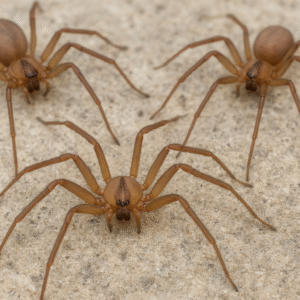
- Color: Light to medium brown, sometimes with a yellowish tone.
- Marking: A violin-shaped mark on the back, with the “neck” pointing toward the abdomen.
- Eyes: Unlike most spiders with eight eyes, brown recluses have six eyes arranged in pairs.
- Size: Body length around 1/4 to 1/2 inch, with legs extending longer.
- Smooth: evenly colored legs that don’t have stripes or bands, long and slender in shape, and no prickly hairs
Brown recluses are nocturnal and often hide in dark, quiet places. Basements, closets, and attics are common hiding spots.
Targeted Exclusion: Beyond the Spray
| Why it matters | |
| Cardboard vs. Plastic | Recluses love the glue in cardboard boxes. Swapping cardboard for plastic totes isn’t just about “neatness”; it removes a primary food/nesting attractant. |
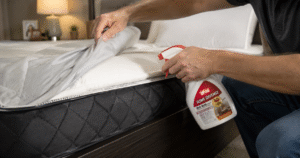
| The “Bed Island” Technique | In infested homes, moving the bed 6 inches away from the wall and removing bed skirts prevents spiders from crawling up into the sheets. |
| Pesticide Limitations | Many over-the-counter sprays are “pyrethroids” which can actually act as a repellent, causing the spiders to scatter deeper into the walls rather than dying. |
Why Brown Recluse Spiders Enter Homes
These spiders don’t want to harm you. They enter homes searching for food (small insects) and shelter. Cluttered spaces, cardboard boxes, and piles of clothes create perfect hiding places. Understanding what attracts them is the first step in controlling them.
How To Get Rid Of Brown Recluse Spiders
Let’s look at practical ways to reduce or eliminate brown recluse spiders in your home.
Brown recluses don’t rely on webs to catch prey, so broad spray treatments often have limited impact. Targeted crack-and-crevice applications and reducing insect populations are far more effective.
1. Declutter Your Home
Start by reducing hiding spots. Get rid of cardboard boxes and store items in plastic bins with tight lids. Vacuum closets, basements, and storage areas regularly. The fewer dark, cluttered spaces you have, the less likely spiders will settle in.
2. Seal Entry Points
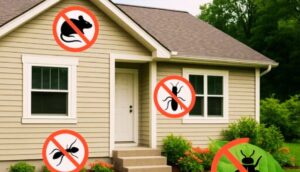
Inspect windows, doors, vents, and wall cracks. Seal gaps with caulk or weather-stripping. Spiders can squeeze through tiny openings, so closing entry points is key.
3. Use Sticky Traps
Place sticky traps along baseboards, under furniture, and near suspected hiding areas. These traps help catch spiders and monitor activity levels. If you see many spiders, you may need additional control methods.
4. Regular Vacuuming
Vacuum floors, corners, and under furniture weekly. Pay attention to areas behind appliances and under beds. Vacuuming can remove spiders, egg sacs, and other insects they feed on.
5. Reduce Outdoor Attractants
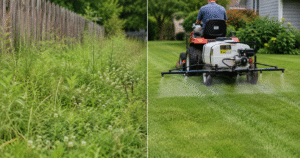
Keep woodpiles, debris, and tall grass away from your home’s foundation. Trim bushes and trees so they don’t touch the house. This reduces the chance of spiders migrating indoors. In the more northern parts of their range, they are almost exclusively indoor pests. If you live in a place like Chicago or Ohio and find a “recluse” outside, it is almost certainly a harmless Wolf spider or Grass spider.
6. Insecticides (Use With Care)
For severe infestations, consider targeted insecticide sprays or dusts labeled for brown recluse spiders. Apply around baseboards, corners, and entry points. Always follow label directions and keep pets and kids away until areas are dry.
7. Call a Professional
If you’re seeing multiple brown recluses, call a pest control expert. Professionals have access to stronger products and know where to treat safely and effectively.
Comparison Table: DIY vs. Pro
| Feature | DIY Method (Sticky Traps/Cleaning) | Professional Treatment |
| Cost | Low ($10–$50) | Moderate to High ($150+) |
| Effort | High (Labor intensive cleaning) | Low (Technician does the work) |
| Effectiveness | Best for prevention/minor sightings | Best for established infestations |
| Safety | Very safe (non-toxic) | Requires following safety labels |
Preventing Brown Recluse Spiders From Returning
Getting rid of spiders is one thing, however here’s how to keep them from coming back:
- Store clothing and shoes off the floor.
- Shake out clothing, towels, and bedding before use if spiders are common in your area.
- Keep storage areas clean and well-lit.
- Use yellow outdoor lights, which attract fewer insects (spider food).
Safety Tips When Dealing With Brown Recluse Spiders
Brown recluse bites can cause serious skin reactions. Always wear gloves when cleaning garages, attics, or storage areas. If bitten, wash the bite area with soap and water and seek medical attention immediately.
10 Frequently Asked Questions About Brown Recluse Spiders
1. Are brown recluse spiders aggressive?
No. They are shy and will only bite when threatened or pressed against the skin.
2. What does a brown recluse bite look like?
It may start as a red bump that becomes blistered. In some cases, it turns into a painful ulcer. Seek medical care if you suspect a bite.
3. Can brown recluse spiders kill you?
Severe cases are rare. Most bites heal with proper care. However, medical attention is still recommended.
4. Where are brown recluse spiders most common?
They are most common in the central and southern United States, including states like Missouri, Arkansas, and Oklahoma.
5. Do brown recluse spiders make webs?
Yes, but their webs are small, irregular, and used for hiding, not for catching prey.
6. Can I get rid of brown recluse spiders naturally?
Yes. Decluttering, vacuuming, and sealing entry points are natural and effective control methods.
7. Are sticky traps safe around pets?
Yes, but place them where pets can’t step on them. Sticky traps are non-toxic but can cause a mess if a pet touches one.
8. How do I know if I have an infestation?
If you regularly see brown recluse spiders or catch them on traps, you may have an infestation that needs professional treatment.
9. Can I prevent brown recluse spiders entirely?
You can greatly reduce their numbers, but complete prevention is challenging, especially if you live in an area where they are common.
10. Should I use a bug bomb?
Bug bombs are not effective against brown recluse spiders because they hide in cracks and crevices where the fog can’t reach.
Brown Recluse Spider Prevention Checklist
Use this quick checklist to reduce the risk of brown recluse spiders in your home:
☐ Remove cardboard boxes and switch to sealed plastic storage bins
☐ Vacuum closets, baseboards, and storage areas weekly
☐ Seal cracks around windows, doors, and foundation walls
☐ Install weather stripping on exterior doors
☐ Keep woodpiles at least 20 feet away from your home
☐ Trim shrubs and tree branches away from siding and rooflines
☐ Reduce indoor insect activity (their main food source)
☐ Place sticky traps in dark, undisturbed areas for monitoring
☐ Store shoes and clothing off the floor
☐ Shake out stored clothing and towels before use
Pro Tip: If you check off most of these items, your home is already much less attractive to brown recluse spiders.
Final Thoughts
Brown recluse spiders can be unnerving, but you can take steps to protect your home and family. Start by decluttering, sealing entry points, and using sticky traps. Regular cleaning and outdoor maintenance help prevent them from returning. For large infestations, professional pest control is your safest option.
By following these tips, you can create a safer, spider-free home — without unnecessary fear or risk.
Ready to take action? Start with the simple steps today and reclaim your peace of mind. A clean, well-maintained home is your best defense against brown recluse spiders.