
How to Get Rid of Roof Rats: A Complete Guide to Control and Prevention
A common household problem that many homeowners face is dealing with rodents. Among the various types of rodents, rats often top the list. These pests are relentless, and their search for food, water, shelter, and a place to reproduce can cause serious damage. One type of rat that can quickly become a significant issue is the roof rat.
Roof rats prefer to nest in the upper parts of homes and buildings, such as attics and rafters. However, they are also found in trees, wood piles, or debris. If left unchecked, their population can grow rapidly, with a female roof rat giving birth to up to three litters per year. In warmer climates, their population growth can spiral out of control. But don’t worry—there are several ways to effectively prevent and eliminate roof rats from your home.
Identifying Roof Rats vs. Norway Rats
Knowing the difference between roof rats and Norway rats is crucial in deciding the best course of action. Here’s how you can identify roof rats:
-
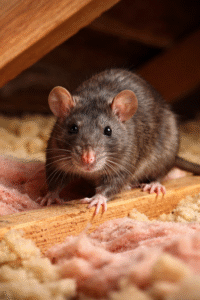
Size: Roof rats are smaller and thinner, measuring around 13-18 inches from head to tail. They can weigh anywhere from 5 to 8 ounces.
-
Color: Roof rats are black or dark brown, while Norway rats tend to be gray or brown.
-
Physical Features: Roof rats have pointed faces, large, hairless ears, and longer tails, while Norway rats have blunt noses, thicker tails, and smaller ears.
Signs of Roof Rat Infestation
Understanding the signs of an infestation can help you act quickly. Keep an eye out for:
-
Sighting the rats: Roof rats are nocturnal, but you might catch them during the day in some cases.
-
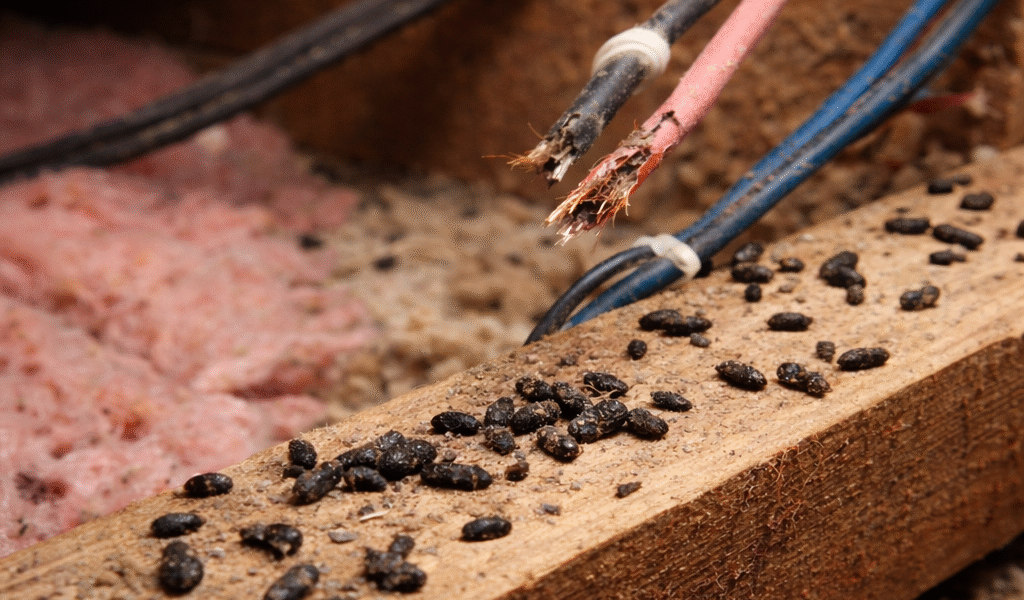
Droppings: Roof rat droppings are moist and soft when fresh, becoming dry and brittle over time.
-
Gnawing Noises: You might hear scratching sounds from walls, attics, or ceilings, especially at night.
-
Urine Trails: Roof rats leave behind visible streaks or spots of urine, which can sometimes have a strong, musky smell.
-
Grease Marks: Rats often leave behind greasy marks on walls or along pathways they use frequently.
-
Damage to Electrical Wires: Rats can chew through wires, causing power shortages or even fire hazards.
-
Fruits or Plants Damaged: Roof rats are attracted to fruits, so damaged fruits in trees can be a giveaway.
How to Get Rid of Roof Rats
Here are proven methods to keep roof rats away and ensure your home remains rat-free:
1. Seal Off Entry Points
Roof rats are expert climbers and can easily gain entry through small gaps, vents, or cracks. Here’s what to do:
-
Inspect the exterior of your home for any small openings or cracks.
-
Seal gaps using caulk, expanding foam, or wire mesh.
-
Install metal vents to cover chimneys and vents, preventing rats from entering.
2. Eliminate Food Sources
Rats invade homes in search of food. To make your home less inviting to them:
-
Keep food sealed in air-tight containers.
-
Clean up food particles in kitchens and dining areas.
-
Store your pet food in sealed containers and don’t leave it out overnight.
-
Dispose of garbage in tightly sealed bins, both inside and outside your home.
3. Reduce Water Sources
Roof rats are also attracted to water. You can discourage them by:
-
Fixing leaks in pipes and faucets.
-
Removing standing water from potted plant saucers, bird baths, or outdoor containers.
4. Eliminate Nesting Areas
Roof rats seek shelter in high places, such as attics, rafters, or even dense vegetation. Minimize these options by:
-
Trimming trees and shrubs that give rats access to your roof.
-
Clear away debris, wood piles, or other materials where rats might hide.
5. Use Rodent Repellents
You can use chemical or natural rodent repellents to deter roof rats. Some effective options include:
-
Peppermint oil: A natural repellent for rats.
-
Ammonia: The smell of ammonia can drive rats away.
6. Set Traps
Traps are one of the most effective ways to capture rats. Consider these options:
-
Snap traps: These are reusable, non-toxic, and effective for killing rats. Place them along known rat pathways.
-
Glue boards: These are best for capturing rats, but make sure they’re large enough to handle the size of roof rats.
-
Electronic traps: These traps delivers a high-voltage shock that kill rats immediately. Some models, like the Rat Zapper, offer easy disposal and are safe to use around children and pets.
7. Consider Ultrasonic Devices
Ultrasonic devices emit high-frequency sound waves that are uncomfortable for rats but inaudible to humans. These devices can help deter rats from nesting in your home.
Comparison Chart of Roof Rat Control Methods
| Method | Effectiveness 🌟 | Safety for Kids & Pets 🐾 | Cost 💵 | Ease of Use 🛠️ | Speed 🕒 |
|---|---|---|---|---|---|
| Snap Traps | ⭐⭐⭐⭐ | 🐾 Safe if placed correctly | 💲 | 🛠️ Easy | ⏳ Fast |
| Glue Boards | ⭐⭐⭐ | 🐾 Safe but not always effective | 💲 | 🛠️ Easy | ⏳ Moderate |
| Electronic Traps | ⭐⭐⭐⭐⭐ | 🐾 Safe, but check for proper placement | 💲💲 | 🛠️ Easy | ⏳ Fast |
| Ultrasonic Devices | ⭐⭐⭐ | 🐾 Safe | 💲💲 | 🛠️ Easy | ⏳ Moderate |
| Rat Repellents | ⭐⭐⭐ | 🐾 Safe | 💲 | 🛠️ Moderate | ⏳ Slow |
10 FAQ: Get Rid Of Roof Rats
1. What are roof rats, and how do they differ from Norway rats?
Answer: Roof rats are smaller, slender rodents with long tails and a preference for nesting in high places like attics or rafters. Unlike the stockier and bulkier Norway rats, roof rats are darker, more agile climbers, and tend to live in elevated areas, such as trees or roofs, rather than on the ground.
2. How can I tell if I have a roof rat infestation in my home?
Answer: Some common signs of roof rat infestations include hearing scratching noises at night, finding droppings that are moist and fresh, noticing greasy trails along walls, and spotting damaged electrical wires or gnaw marks. If you see rats in trees or your attic, it’s a clear sign they may be taking shelter there.
3. What are the best ways to get rid of roof rats in my home?
Answer: To keep roof rats out, begin by sealing any cracks or gaps in your walls, vents, and chimneys. Make sure to eliminate food and water sources by wiping up spills, storing food in sealed containers, and fixing any leaky pipes. Using traps, like snap or electronic traps, can be a great way to catch rats, and natural repellents like peppermint oil can help keep them at bay. If the issue continues, it might be time to reach out to a professional pest control service for further help.
4. Can roof rats cause significant damage to my home?
Answer: Yes, roof rats can be very destructive. They tend to chew on wires, which can lead to electrical shortages or even fires. They can also damage insulation, wood, and even plumbing systems. Their constant gnawing can create structural damage, especially in the attic and roof areas.
5. How can I prevent roof rats from entering my attic?
Answer: Make sure to seal up any holes or gaps in your attic, roof, and vents. Use metal mesh to cover any openings around chimneys, and check that your roof tiles or shingles are securely in place. It’s a good idea to inspect your attic regularly for any signs of rats, and keep trees trimmed back to prevent them from reaching your roof easily.
6. What types of traps are best for catching roof rats?
Answer: Snap traps are a reliable choice for roof rats. They work quickly and are effective when placed along rat travel paths. Electronic traps, such as the Rat Zapper, are another excellent option, providing a humane and clean kill with minimal risk to pets and children. Always place traps out of reach of small children or pets.
7. Are rat repellents effective in keeping roof rats away?
Answer: Yes, natural repellents like peppermint oil, ammonia, or even mothballs can deter roof rats. These methods can be effective when used around entry points, like vents, doors, and windows. However, for severe infestations, a combination of sealing, cleaning, and trapping will yield better results.
8. How do I know if the roof rats are gone for good?
Answer: After setting traps and removing any potential food or water sources, check for signs like fresh droppings, gnaw marks, or evidence of rats in the attic. If you see no further signs for a few weeks and traps remain empty, your home is likely free of roof rats. It’s a good idea to continue monitoring your home for a while to be sure.
9. Can roof rats carry diseases that affect humans or pets?
Answer: Yes, roof rats can carry diseases such as leptospirosis, salmonella, and rat-bite fever, which can be transmitted to humans through direct contact with rat droppings or urine. They can also spread parasites like fleas and ticks, which can be harmful to pets and humans alike. It’s important to move quickly to prevent exposure.
10. Do I need professional help to get rid of roof rats?
Answer: While DIY methods such as sealing entry points, using traps, and applying repellents can be effective, professional pest control may be necessary for severe infestations. Experts have the experience, tools, and knowledge to safely and efficiently eliminate roof rats from your home, especially if the infestation is widespread or persistent.
Conclusion
Roof rats can cause significant damage if not dealt with promptly. The best way to eliminate these pests is through a combination of preventive measures, such as sealing entry points, eliminating food sources, and using traps or repellents. By taking the right steps, you can regain control of your home and keep roof rats from making a comeback.
With the right information and tools, managing roof rats becomes much easier. Use the methods discussed above, and keep your home safe from these destructive pests. The earlier you take action, the more likely you will be to avoid serious damage and costly repairs. Stay vigilant, and your home will remain pest-free.


I located this write-up on removing roof covering rats to be exceptionally helpful and beneficial. The extensive protection of both preventative actions and reliable elimination strategies is much valued. Having handled these bugs before, I can attest to the significance of taking on the concern without delay to avoid it from spiraling unmanageable. The recommendations on sealing entrance factors and making use of catches is straightforward and can significantly lower the danger of infestation. Furthermore, I value the focus on environment-friendly remedies, such as peppermint oil, which provides a secure and safe means to ward off rats.
One question I have is: Just how do you take care of roofing system rat problems that are tough to reach, like in attics or ceilings? It can often be challenging to accessibility these rooms, so any kind of suggestions on managing hard-to-reach locations would be appreciated. Also, what should you do if the rats appear to keep coming back in spite of your efforts to secure access factors and eliminate them?
Overall, this post offers wonderful techniques for both stopping and taking care of roofing system rats. It is essential to remain positive, and your ideas will absolutely assist any individual facing this issue. Many thanks for sharing these practical services!
First, seal all entry points, keep your home sanitized, and remember that rodents need food and a water source to survive. An environment without food and water will cause a rat to become stressed. Placing traps in the attic provides the only food source where rats will fall victim.
Then that means there are some points of entry that were overlooked so go back and cover your steps or look for those entry points you may have missed. I hope this helps.