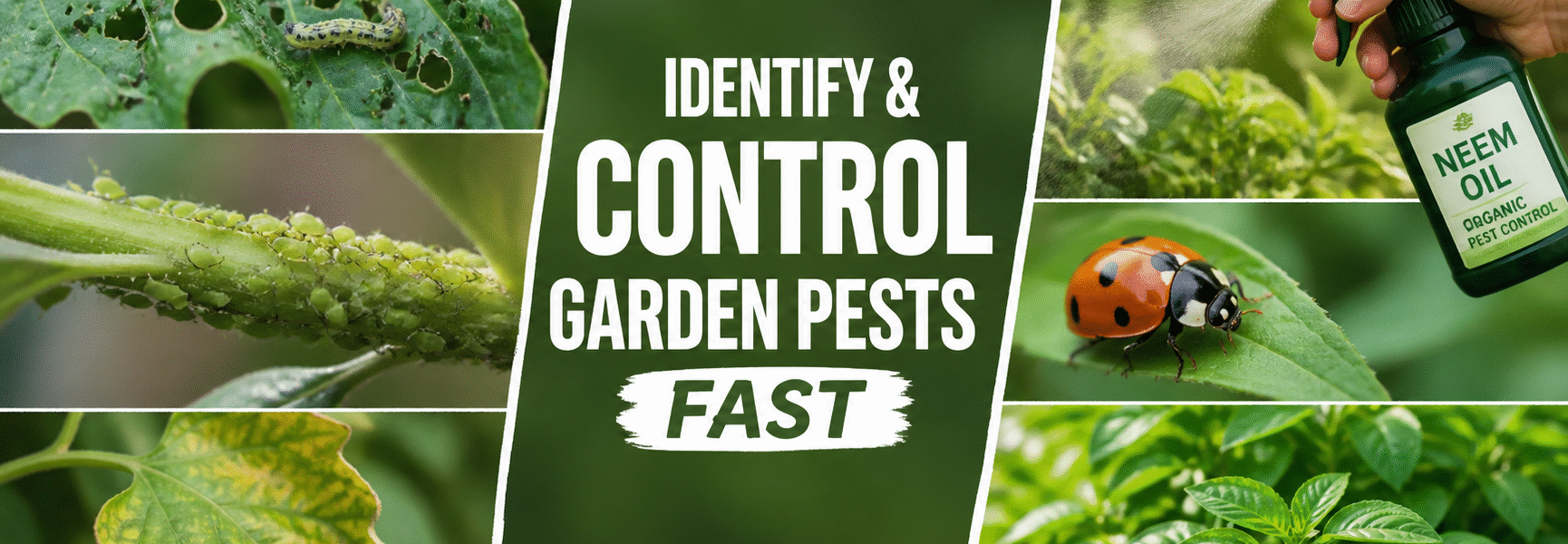
How to Identify and Get Rid of Garden Insect Pests (Beginner-Friendly Guide)
Ever walked out to your garden expecting fresh growth, only to find chewed leaves, yellow spots, or tiny bugs taking over? It can feel frustrating watching your hard work get undone so quickly. The good news is, most garden pests leave clear clues—and once you know how to spot them, you can take action fast and protect your plants before the damage spreads.
If you’ve started noticing holes in your leaves, sticky residue on your plants, or tiny bugs gathering under leaves, you’re not alone. Garden pests are one of the fastest ways to turn a healthy, thriving garden into a frustrating mess.
The good news? Once you know what pest you’re dealing with and how they behave, you can stop the damage quickly—often with simple, effective solutions.
In this guide, you’ll learn:
- How to identify the most common garden insect pests
- The exact signs to look for before damage gets worse
- Easy, proven methods to control pests naturally or with safe treatments
- Practical tips to keep your garden pest-free long term
Whether you’re growing vegetables, flowers, or a small backyard garden, this step-by-step guide will help you take control and protect your plants with confidence.
Identifying Garden Pest Damage
Garden pests don’t just show up—they leave clear signs behind. If you know what to look for, you can catch problems early before they get out of control.
Here are the most common ways pests damage plants:
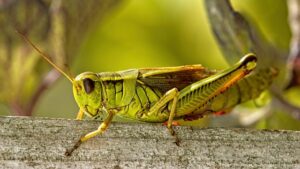
Chewing Insects
These pests eat leaves, stems, and sometimes entire plants.
Common signs:
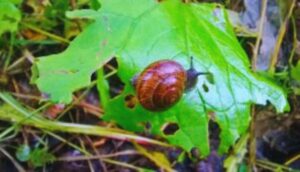
- Holes in leaves
- Ragged or torn edges
- Missing plant parts
Typical culprits:
Slugs, snails, caterpillars, and grasshoppers
Sucking Insects
These insects pierce plant tissue and feed on sap, weakening the plant over time.
Watch for:
- Yellowing or wilting leaves
- Sticky residue (honeydew)
- Stunted growth or curled leaves
Common pests:
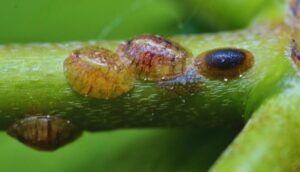
Aphids, whiteflies, mealybugs, and scales
Boring Insects
These pests tunnel inside stems, branches, or roots, causing hidden damage.
Signs include:
- Small holes in bark or stems
- Sawdust-like material near entry points
- Branch dieback or weak growth
Examples:
Beetles, borers, and wood wasps
Leaf Miners
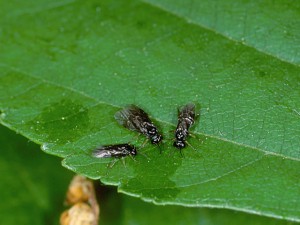
Leaf miners are insects live inside leaves and feed as they move through plant tissue.
Look for:
- Winding trails or tunnels on leaves
- Pale or blotchy patches
- Leaves turning brown and dropping early
Gall-Forming Insects
These pests cause unusual growths as they feed on plant sap.
Common symptoms:
- Swollen or lumpy plant tissue
- Twisted stems or leaves
- Odd-shaped growths (galls)
Quick Tip
Check your plants at least once a week, especially under leaves. Early detection makes pest control much easier and more effective.
Garden Pest Quick ID Cheat Sheet
Short on time? This quick guide helps you spot common garden pests and take action fast. If you notice any of these signs, you can match them with a simple fix right away.
| Pest | What You’ll Notice | Quick Solution |
|---|---|---|
| Aphids | Sticky leaves, clusters on stems | Spray with neem oil |
| Slugs & Snails | Irregular holes, damage overnight | Use beer traps or barriers |
| Whiteflies | Tiny white bugs flying when disturbed | Apply insecticidal soap |
| Spider Mites | Fine webbing, speckled yellow leaves | Rinse plants + use neem oil |
| Caterpillars | Large holes, visible droppings | Handpick or use BT spray |
| Mealybugs | White cotton-like clusters on plants | Dab with alcohol or soap spray |
| Thrips | Silvery streaks, distorted leaves | Use sticky traps or neem oil |
Quick Tip
If you’re unsure which pest you’re dealing with, start by checking under the leaves and along stems—that’s where most pests hide first
A Simple Step-by-Step Plan to Get Rid of Garden Pests
Feeling unsure where to start? Don’t worry—you don’t need to do everything at once. Follow this simple routine, and you’ll be able to manage most garden pest problems with confidence.
Step 1: Check Your Plants Closely
Take a few minutes to inspect your plants, especially under the leaves and along stems. Early signs like tiny bugs, spots, or holes are easier to deal with before they spread.
Step 2: Identify the Pest Problem
Not all pests are the same, so identifying the culprit matters. Use the signs you’ve seen—chewed leaves, sticky residue, or webbing—to match the pest type.
Step 3: Pick the Right Treatment
Once you know the pest, choose a solution that targets it effectively. Natural options like neem oil or insecticidal soap work well for many common garden pests.
Step 4: Apply It the Right Way
Follow the instructions carefully. Apply treatments during the cooler parts of the day (morning or evening) and make sure to cover affected areas, including the undersides of leaves.
Step 5: Keep an Eye on Things Weekly
Pest control isn’t a one-time fix. Check your plants regularly and reapply treatments if needed. Staying consistent helps prevent pests from coming back.
Quick Tip
Start small and act early. A minor pest problem is much easier to control than a full-blown infestation.
What’s Worked for Me (And How to Use It Safely)
Over time, I’ve dealt with everything from aphids covering new growth to caterpillars chewing through leaves overnight. One thing I’ve learned is this—quick action makes all the difference.
For example, when aphids started taking over a few of my plants, I used a simple neem oil spray in the early evening. Within a couple of days, I noticed fewer insects, and in less than a week, the infestation was under control. Staying consistent with treatment and checking plants daily made a big impact.
The same goes for other pests. Using the right solution early often prevents a small issue from turning into a major problem.
⚠️ A Few Safety Tips to Keep in Mind
Before using any pest control method, it’s important to protect both your plants and yourself:
- Always follow the instructions on the product label
- Always Try a Small Patch First Before Spraying the Whole Plant
- Avoid applying treatments during the hottest part of the day
- Keep treatments away from beneficial insects when possible
- Be sure to wash your hands thoroughly after using any pest control products
Quick Tip
Consistency beats intensity. Light, regular treatments are often more effective than heavy, one-time applications.
Best Management Practice
The best management practices will help to maintain a beautiful garden that’s thriving, these practices once carried out on a daily or weekly basis depending on your garden type will yield great results. But what are some of these practices that will encourage a healthy garden?
Water Management
Make sure that you know your plant’s watering needs and are giving them the right amount of water, a lack of water will lead to a plant’s decline as well as overwatering.
Fertilizing Methods
While it’s true that many species of garden plants can thrive without fertilization it’s a good idea to give your plant a boost, fertilizers are the ABCs or the building blocks to encourage proper growth. There are many fertilizer brands and types on the market, Be cautious before fertilizer application read and follow the manufacturer’s directions for the best results. For edible plants, I prefer to use organic rather than synthetic or man-made fertilizers.
Keep your Plants Properly Groomed
This is so important and should not be ignored, garden plants should be trimmed to control their growth rate and the direction in which they grow. However, caution should be taken when pruning because what you don’t want is to prune too heavily, pruning at the wrong time of the year, or insufficient pruning. Pruning will also help a plant to produce more flowers, leaves, and fruits so before you attempt to prune know why first.
Garden Pests Control
Garden insect pests can cause much damage if they are not brought under control, once the pest has been properly identified, it’s a matter of choosing the right pesticides, some pesticides are not organic but are very effective in reducing insect pests population and then some are organic. For edible groups, I recommend the use of organic pesticides which are safer. Before using any type of pesticide read and follow the manufacturer’s directions for the best results. Also, avoid pesticide application if rain is forecast or right after it rains because pesticides will get washed away or washed off.
Best Products to Control Garden Pests (That Actually Work)
Once you’ve identified the pest problem, the next step is choosing a solution that works quickly without harming your plants. Below are some reliable, beginner-friendly options that gardeners use to get pests under control fast.
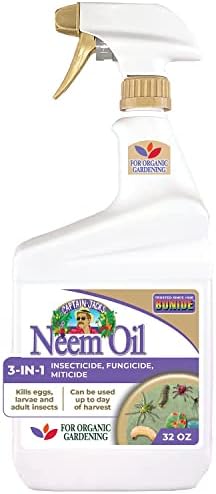
1. Neem Oil Spray (Natural & Safe for Most Plants)
Neem oil is one of the most popular natural pest control solutions—and for good reason. It works by disrupting the life cycle of insects like aphids, whiteflies, spider mites and soft-bodied pests stopping them from feeding and reproducing.
Why gardeners love it:
- Works on a wide range of common pests
- Safe for vegetables and herbs when used correctly
- Also helps prevent fungal issues
Pros:
✔ Organic and plant-based
✔ Easy to apply as a spray
✔ Great for ongoing prevention
Cons:
✖ Needs repeated applications for best results
✖ Strong smell for some users
Don’t wait for infestations to grow—grab a proven neem oil spray today
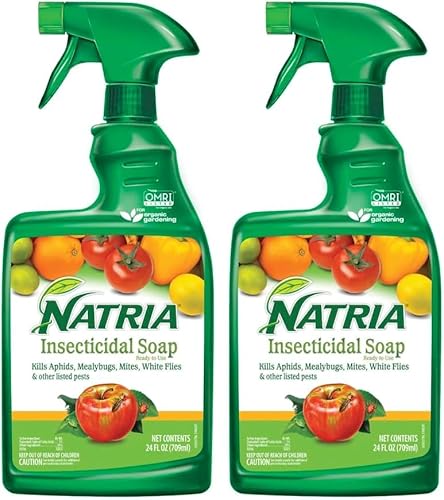
2. Insecticidal Soap (Fast-Acting Contact Killer)
If you’re dealing with soft-bodied insects like aphids or mealybugs, insecticidal soap is a simple and effective option. It works on contact, breaking down the pest’s outer layer and eliminating them quickly.
Why it works well:
- Fast results you can see
- Ideal for indoor and outdoor plants
- Low toxicity when used as directed
Pros:
✔ Quick knockdown of pests
✔ Ready-to-use options available
✔ Safe for most plants
Cons:
✖ Only works when it directly contacts pests
✖ May need frequent reapplication
Tired of pests taking over? Get instant knockdown solutions here
3. Diatomaceous Earth (Long-Lasting Barrier Protection)
Diatomaceous earth is a natural powder that works by damaging the outer layer of crawling insects like ants, slugs, and beetles. It’s a great option if you want a longer-lasting, low-maintenance solution.
Why it stands out:

- Creates a protective barrier around plants
- Works continuously as long as it stays dry
- Chemical-free pest control option
Pros:
✔ Long-lasting when dry
✔ Safe for garden use (food-grade option)
✔ Great for soil pests
Cons:
✖ Less effective after rain
✖ Can be messy to apply
Stop crawling insects naturally—check best-rated DE products now
Quick Tip
For best results, always match the product to the pest you’re dealing with. Using the right solution early can stop an infestation before it spreads—and save your plants from serious damage.
Weed Management
I don’t know if you are like me when it comes to weed removal but I hate it but the job must be done because if weeds are left to grow will take over a garden area. Weeds will also compete with garden plants for sunlight, water, and nutrients. Weeds have also been known to carry certain diseases and a harborage or hiding place for garden insect pests. Whether hand-weeding or the use of herbicides use what methods work best for you but be very careful when using herbicides because they are poisonous. Herbicides should not be used near edible crops, garden flower beds, and other garden plants.
Never apply herbicides in windy conditions that can drift to plants nearby, when rain is forecast or just after it rains, hand weeding may be tedious but it is a safer approach to avoid contamination especially when growing food crops. To make the removal of weeds is easy, remove weeds when they are young or at the immature stage, and weed early in the morning before the sun rises or in the evening just before the sunset. Also, get help if needed.
The Removal of Leaves
The removal of leaves that have fallen and other debris will help your garden to look its best, a rake is the ideal tool to use. Leaves that are removed can be used to start a compost pile. The final result of a compost pile is dark rich healthy soil that your plants will love.
Other practices are involved in a beautifully maintained garden but these listed garden basics will encourage healthy plants and a beautiful landscape and garden.
10 Frequently Asked Questions (FAQs)
1. What are the most common insect pests in home gardens?
Some of the usual suspects include aphids, whiteflies, caterpillars, spider mites, thrips, Japanese beetles, and cutworms. These pests can damage leaves, stunt growth, or even kill your plants if left unchecked. Each pest type has its own habits and preferred host plants.
2. How can I tell if my plants have an insect problem?
Look for signs for example chewed leaves, yellowing or wilting, sticky residue (honeydew), or small bugs crawling on the stems or on the undersides of leaves. You might also notice slower growth or a sudden plant decline. A close inspection is key—grab a magnifying glass if you need to!
3. Are there any natural ways to control garden pests?
Absolutely! You can use neem oil, insecticidal soap, or diatomaceous earth to fight bugs without harming your plants. Also, inviting beneficial insects like ladybugs, lacewings, and parasitic wasps can help keep pest populations down naturally.
4. What’s the best way to prevent insect pests in the first place?
Healthy gardens are the best defense. That means:
-
Rotating crops
-
Removing plant debris
-
Watering correctly (not too much or too little)
-
Choosing pest-resistant varieties
-
Inspecting new plants before planting
Think of it as building your garden’s immune system.
5. Do companion plants really help repel bugs?
Yes, they can! Marigolds help repel nematodes and aphids, basil deters flies and mosquitoes, and nasturtiums can lure aphids away from veggies. Strategic planting can support pest control while keeping your garden colorful and diverse.
6. Are chemical insecticides safe for vegetable gardens?
Some are, but you need to be cautious. Always check that the product is labeled for edible plants, follow the instructions to a tee, and stick to the recommended wait times before harvest. When possible, opt for organic or low-impact solutions.
7. How do I deal with aphids without using harsh chemicals?
Wash the off with a strong Spray of water, use neem oil or insecticidal soap, or introduce natural predators like ladybugs. Aphids multiply quickly, so act fast if you spot them. You can also prune heavily infested areas to reduce their numbers.
8. What’s eating holes in my leaves at night?
Most likely, it’s slugs, snails, or caterpillars. These nighttime feeders hide during the day. You can set beer traps for slugs, handpick caterpillars, or sprinkle diatomaceous earth around your plants to create a gritty barrier they’ll avoid.
9. Can I attract helpful insects to my garden?
Yes, and it’s a smart move! Plant dill, fennel, yarrow, and alyssum to attract beneficial bugs like ladybugs and lacewings. These insects feast on common pests like aphids and mites. Having a mix of flowers and herbs helps build a balanced ecosystem.
10. What’s a simple weekly routine to stay ahead of pests?
Great question! Here’s a quick checklist:
-
Inspect plants closely (especially under leaves)
-
Remove dead leaves and weeds
-
Water in the morning to avoid fungal issues
-
Reapply any natural sprays if it rained recently
-
Spot treat early signs of pests
Staying consistent helps prevent infestations before they get out of hand.
Final Thoughts: Take Action Before Pests Take Over
Garden pests can go from a small annoyance to a serious problem faster than most people expect. The key is to act early, stay consistent, and use the right solution for the job.
If you’ve already started seeing signs like holes in leaves, sticky residue, or damaged growth, now is the time to step in. Simple treatments like neem oil, insecticidal soap, or other targeted solutions can make a big difference when used correctly.
Don’t wait until the damage spreads—take a few minutes today to treat your plants and protect your garden. You can explore some of the most effective pest control options mentioned above and choose what works best for your setup.
A healthy, pest-free garden is absolutely achievable with the right approach—and once you get into the habit of checking your plants regularly, it becomes second nature.