
Best Rat Block Baits for Home Use – Complete Buyer’s Guide

Rat bait blocks contain toxic ingredients that can seriously harm children, pets, and wildlife if misused. For safe home use:
- Always place bait inside tamper-resistant bait stations
- Never leave bait exposed outdoors or indoors
- Store unused bait in a locked container, out of reach of children and pets
- Wear gloves when handling bait blocks
- If accidental exposure occurs, contact Poison Control immediately
If you’re unsure about safe placement, especially in homes with kids or pets, consult a licensed pest control professional before proceeding.
Note: Rodenticide rules vary by location—check local regulations and always follow the label.
Why Rat Block Baits Are Popular for Home Use
Rat block baits are solid, compact blocks made from food-grade attractants mixed with rodenticides. Unlike loose pellets, blocks:
- Last longer outdoors
- Resist moisture and heat
- Fit securely inside bait stations
- Reduce spillage and waste
As a result, many homeowners prefer block baits for outdoor and perimeter control.
However, safety always comes first. These products should never be placed openly. They must be secured inside tamper-resistant bait stations.
Comparison Table: Best Rat Block Baits for Home Use
| Product | Active Type | Best Use | Amazon Link |
|---|---|---|---|
| J.T. Eaton 704-PN Bait Block | Anticoagulant | Indoor & Outdoor | Check Today’s Price on Amazon |
| Contrac Blox Rodenticide – 18 lb Pail | Anticoagulant | Heavy Infestations | Check Today’s Price on Amazon |
| Final Blocks Rodenticide 18 lbs | Anticoagulant | Indoor and Outdoor Use | Check Today’s Price on Amazon |
| Victor Fast-Kill Refillable Bait Station + Blocks | Acute Toxicant | Fast Control | Check Today’s Price on Amazon |
| Peanut Butter Flavor Rodenticide Bait Blocks – 9 lb Pail | Anticoagulant | Long-Term Control | Check Today’s Price on Amazon |
Note: Professional-sized pails may require a pesticide applicator license or specific certification in certain regions as of 2026
How Rat Bait Blocks Work
Anticoagulants (Delayed Effect)
Anticoagulant rat baits work by interfering with a rodent’s ability to clot blood. After feeding over one or more days, the active ingredient gradually causes internal bleeding, leading to death several days later. Because the effect is delayed, rats do not associate the bait with illness. This makes anticoagulant bait blocks especially effective for ongoing infestations, as other rats in the colony continue feeding without becoming suspicious.
Acute Toxicants (Faster, Single-Feed)
Acute toxicant baits are designed to deliver a lethal dose after a single feeding. These products act more quickly than anticoagulants, sometimes reducing rodent activity within a shorter time frame. However, because the effect is faster, some rodents may associate the bait with illness if they consume a partial dose. For that reason, proper placement and sufficient bait availability are critical when using acute toxicant block baits.
Why Delayed Death Reduces Bait Shyness
Rats are cautious animals and often test new food sources before fully committing to them. When a bait causes immediate illness, other rats may avoid it — a behavior known as bait shyness. Delayed-action anticoagulant baits help prevent this problem because the rodent does not feel sick right away. As a result, more members of the colony continue feeding, improving overall control success when bait blocks are used correctly inside secure bait stations.
Product Reviews: Pros, Cons, and Best Uses
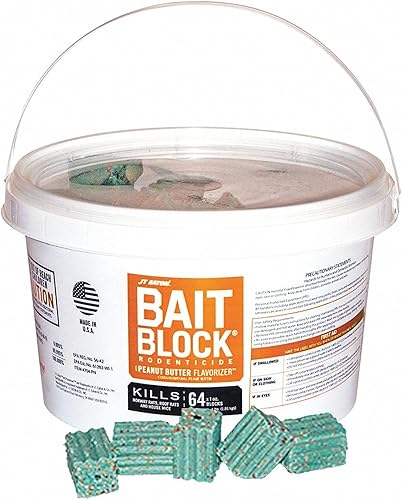
1. J.T. Eaton 704-PN Bait Block
Best for: Homeowners who want dependable indoor and outdoor rat control.
This bait block uses a peanut-based formula that rats find highly attractive. It works well in garages, crawl spaces, and outdoor bait stations.
Pros:
- Strong food appeal
- Works on rats and mice
- Mold and moisture resistant
- Fits most bait stations
Cons:
- Requires multiple feedings
- Must be used in a bait station
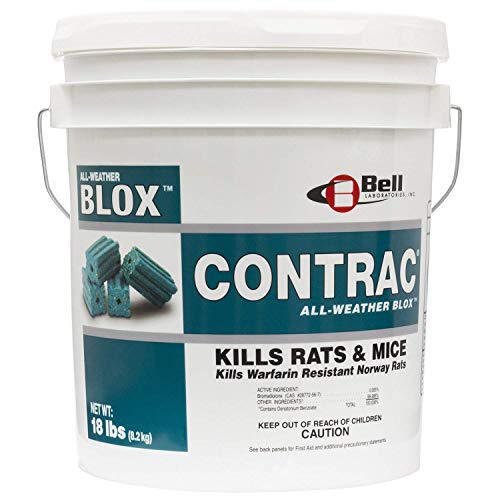
2. Contrac Blox Rodenticide – 18 lb Pail
Best for: Severe or recurring rat infestations.
Contrac Blox is often used by professionals. It remains palatable even in damp areas. Because of its strength, it’s ideal for outdoor perimeter control.
Pros:
- High weather resistance
- Large pail offers long-term value
- Trusted by pest professionals
Cons:
- Higher upfront cost
- Overkill for small infestations
3. Final Blocks Rodenticide 18 lbs
Pros:

-
Palatable formula designed for strong feeding attraction
-
Weather-resistant block design holds up in indoor and outdoor conditions
-
Large 18 lb pail provides extended supply for ongoing control programs
-
Compatible with most tamper-resistant bait stations
-
Ideal for long-term maintenance and perimeter rodent control
-
Multiple gnawing edges encourage consistent consumption
Cons:
-
Must be used inside tamper-resistant bait stations
-
Requires routine inspection and replenishment
-
Not always the fastest solution for severe, high-density infestations
-
Higher upfront cost compared to smaller package sizes
Best for: Long last, Dependable, long-term protection in any season, featuring a tough formula that stands up to the elements and resists moisture and mold for reliable performance indoors or out.
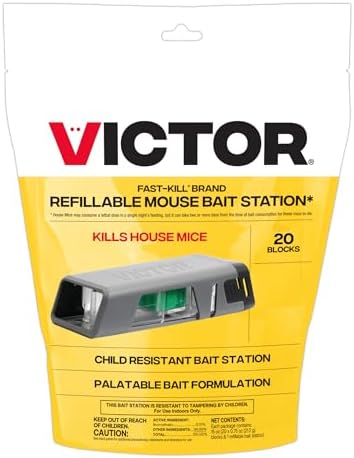
4. Victor Fast-Kill Refillable Bait Station (M923)
Best for: Homeowners who want speed and convenience.
This kit includes a refillable bait station and fast-acting bait blocks. The dual-entry design improves rodent access.
Pros:
- Includes secure bait station
- Designed to deliver results after consumption while remaining secured inside a tamper-resistant station
- Tamper-resistant design
Cons:
- Fewer replacement blocks included
- Not ideal for large properties
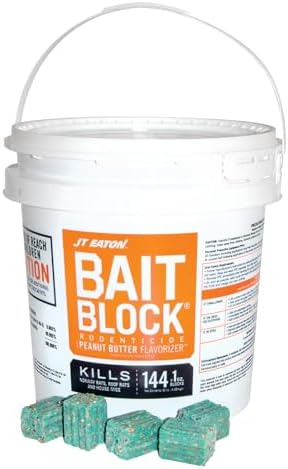
5. Peanut Butter Flavor Rodenticide Bait Blocks – 9 lb Pail
Best for: Long-term rodent prevention around homes.
These blocks use a peanut butter flavor that rats prefer. The formula works well when used consistently in bait stations.
Pros:
- Long-lasting blocks
- Good value for homeowners
- Effective for maintenance control
Cons:
- Requires patience
- Must be monitored regularly
How to Place Rat Bait Blocks Inside Bait Stations
Proper placement increases effectiveness and reduces risk.
Step-by-step placement:
- Wear gloves when handling bait
- Open the bait station using the provided key
- Secure bait blocks onto rods inside the station
- Close and lock the station tightly
- Place station flush against walls or structures
Always anchor bait stations so they cannot be tipped over.
Correct Placement of Outdoor Bait Stations
For outdoor use:
- Place stations along fences, walls, or foundations
- Space stations 15–30 feet apart
- Avoid open yards and play areas
- Never place near food gardens or pet bowls
Check stations weekly and replace consumed bait.
Safety Warnings for Homes With Children and Pets
Rat bait blocks are toxic. Improper use can cause serious harm.
Important safety tips:
- Never place bait openly outdoors
- Always use tamper-resistant bait stations ,lockable bait stations made from durable plastic or metal. These stations stay securely closed and only open with a special key, keeping everyone safer.
- Keep the Station Secure: Make sure bait stations are firmly anchored to the ground, attached to a wall, or tucked under heavy furniture. This helps stop curious pets from tipping them over or dragging them away.
- Store unused bait in locked containers
- Keep bait out of reach of children and pets
- Wash hands after handling bait
If accidental exposure occurs, contact poison control immediately.
When to Call a Professional Pest Control Company
If you feel unsure about bait placement or safety, it’s best to call a licensed pest control professional. This is especially important for homes with children, pets, or repeated infestations.
Professionals can:
- Install secure bait stations
- Identify entry points
- Reduce long-term rodent risk
What If Rats Ignore the Bait?
Sometimes rats can be picky or distracted by more appealing food sources. If you notice they’re ignoring your bait blocks, try these steps:
1. Remove Competing Food Sources – Clean up pet food, bird seed, fallen fruit, or unsecured trash. Rats always choose the easiest, tastiest option.
2. Change Bait Location – Place the bait station along walls, behind objects, or in areas with droppings. Rats prefer traveling along familiar paths.
3. Rotate Bait Flavors or Types – Some rats develop preferences or aversions. Switching between peanut-flavored, chocolate, or other formulas can help.
4. Check Station Accessibility – Make sure the bait is inside a secure station that rats can enter but pets and children cannot.
5. Be Patient – Anticoagulant baits require multiple feedings. Give it a few days for consistent feeding patterns to develop.
6. Pro Tip: If rats still avoid bait after trying these steps, it may indicate a very large or cautious infestation. In that case, consult a licensed pest control professional to assess entry points and recommend stronger or alternative solutions.
Note: New Rules for 2026: Know Before You Buy
Before you hit “add to cart” on those massive professional pails, just a quick heads-up: the rules have changed a bit recently! In 2026, many areas have tightened the reins on “second-generation” baits (the heavy-duty stuff) for home use. Some of those 18 lb buckets might even require a special license depending on where you live. To stay on the right side of the law, it’s a smart move to double-check your local EPA website or search for your state’s “Restricted Use Pesticide” (RUP) list. It only takes a minute and saves you the headache of a canceled order or a DIY mishap!
Protecting Your Neighborhood Pets and Wildlife
One thing we always have to keep in mind is the “domino effect” of rodent control. If a neighborhood cat or a local hawk happens to snack on a rat that’s already eaten an anticoagulant bait, they could accidentally get sick too. This is what pros call “secondary poisoning,” and it’s a big concern for animal lovers. If you’re worried about the local owls or your neighbor’s curious tabby, a non-anticoagulant option like Victor Fast-Kill is a much “greener” way to go. It works differently and breaks down faster, giving you peace of mind while still getting the job done.
Frequently Asked Questions (FAQs)
1. Are rat bait blocks safe for home use?
Yes, rat bait blocks are safe for home use when placed inside tamper-resistant bait stations and handled according to the label. Never leave bait exposed, especially in homes with children or pets.
2. Can I place bait blocks directly in my yard?
No. Always use sealed bait stations.
3. How long does it take for bait blocks to work?
Most take several days after feeding.
4. Are bait blocks better than pellets?
Yes. Blocks last longer and reduce waste.
5. Can pets access bait stations?
Quality stations are tamper-resistant.
6. How often should bait be replaced?
Check weekly and replace as needed.
7. Do rats avoid bait after a while?
Rotate products if feeding declines.
8. Can I use bait indoors?
Yes, in garages and crawl spaces with stations.
9. Will one station be enough?
Usually no. Multiple stations improve control.
10. What if rats keep returning?
Consider professional pest control support.
Conclusion: Choosing the Best Rat Block Bait for Your Home
The best rat block bait for home use depends on infestation size, location, and safety needs. Products like Contrac Blox and J.T. Eaton offer reliable control, while Victor Fast-Kill provides a convenient all-in-one option.
No matter which product you choose, always prioritize safety. Use bait stations, store bait properly, and consult professionals when needed.
Take action today. Choose a trusted rat bait block and protect your home safely. Check Price on Amazon to see current deals and availability.