The Complete Guide to Bed Bug Inspection and Treatment: How to Spot, Manage, and Get Rid of Bed Bugs at Home
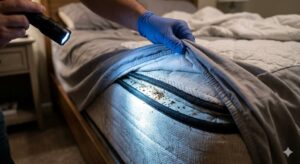
Bed bugs can be a major nuisance, and their presence can lead to itchy bites, sleepless nights, and stress.
These tiny pests are not only bothersome but can also multiply rapidly if left unchecked.
If you suspect you have bed bugs, it’s crucial to act quickly to prevent a full-blown infestation. By understanding the signs, causes, and natural solutions, you can effectively use to protect your home and family.
The good news is, bed bug control doesn’t always require harsh chemicals. There are natural and non-toxic methods to eradicate these pests.
By inspecting your bedding, furniture, and surroundings regularly, and implementing a few prevention strategies, you can keep your home free from these unwanted guests.
Quick Guide: How to Find and Treat Bed Bugs at Home Fast
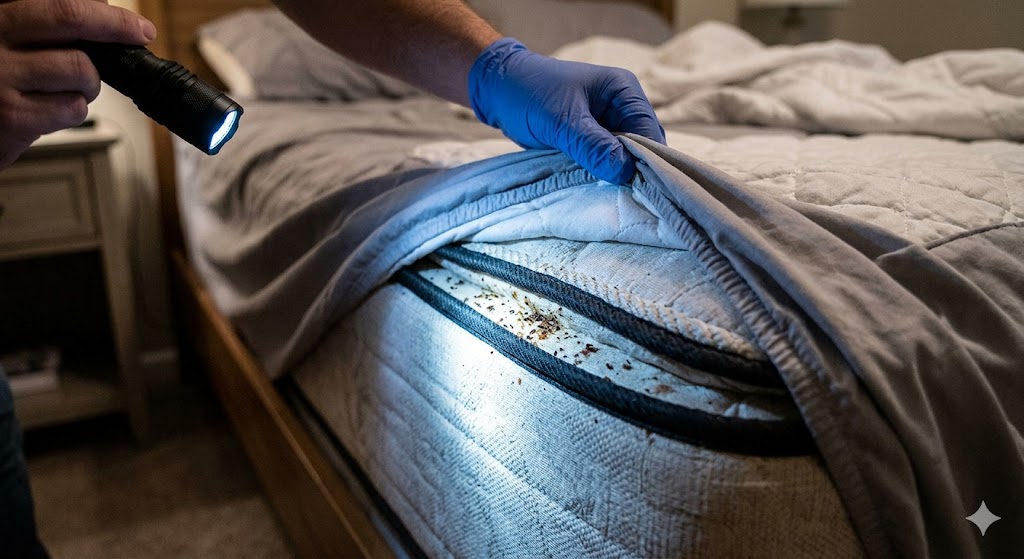
Bed bug detection involves carefully inspecting your mattress seams, furniture, and hidden cracks for signs like small dark spots, shed skins, or live insects.
Early bed bug treatment at home includes vacuuming, heat washing bedding, steam cleaning, and using natural solutions like diatomaceous earth.
The sooner you identify the issue, the easier it is to control the infestation before it spreads.
Affiliate Disclosure: This page contains affiliate links. If you buy through my links, I may earn a small commission at no extra cost to you.
As an Amazon Associate, I earn from qualifying purchases.
1️⃣ What the Bed Bug Looks Like
-
Small, oval-shaped, reddish-brown insects.
-
Adults are about the size of an apple seed (4-5mm).
-
Flat bodies and wingless.
-
They may be visible at night, especially around seams of mattresses and bed frames.
Quick Identifiers:
-
Reddish stains on bedding (from crushed bugs).
-
Tiny eggs or shells near seams.
-
Foul, musty odor.
2️⃣ Signs You Have Bed Bugs
-
Itchy, red, raised bites, often in a linear pattern.
-
Blood stains on sheets or pillowcases.
-
Visible bed bugs in the crevices of furniture, mattresses, or baseboards.
-
Unpleasant, musty odor.
Bed Bug Bites vs Other Common Bites (How to Tell the Difference)
Not every itchy bite means you have bed bugs. In fact, a lot of people mistake other insect bites for bed bug bites—and that can lead to unnecessary worry or missed problems.
Here’s a simple way to tell them apart.
Bed Bug Bites
Bed bug bites often have a very specific pattern and timing.
- Usually appear in lines or small clusters
- Commonly found on exposed skin (arms, neck, legs)
- Often show up overnight or early morning
- Itching may increase over time
A key clue: multiple bites in a row or grouped together.
Mosquito Bites
Mosquito bites are more random and less patterned.
- Usually single, isolated bumps
- Can appear anywhere on the body
- Often show up immediately after being outdoors
- Itching tends to fade within a few days
Unlike bed bugs, mosquitoes don’t leave organized bite patterns.
Flea Bites
Flea bites are often linked to pets or carpets.
- Common around ankles and lower legs
- Small red bumps that may appear in clusters
- Very itchy and sometimes have a red ring around them
- Often found in homes with pets
If you have pets, fleas are often the first thing to check.
3️⃣ Why It’s Showing Up
-
Food: Bed bugs feed on blood, usually at night while you sleep.
-
Travel: Accidentally picking up bed bugs from hotels or other public spaces and bringing them home.
-
Clutter: Piles of clothes, bedding, or other items can provide hiding places.
-
Cracks and Crevices: Small openings around windows, walls, and furniture where pests can slip inside
Bed Bug Lifecycle & How Fast They Multiply
Bed bugs aren’t just annoying—they’re quick growers. Understanding their life cycle helps you see why even a small problem can turn into a big infestation faster than expected.
Bed Bug Severity Levels (Quick Self-Check Guide)
Not all bed bug problems are the same. Some are caught early, while others have been spreading for a while without being noticed.
Use this simple guide to understand what stage you might be dealing with:
🟢 Low Infestation (Early Stage)
This is the best-case scenario and usually the easiest to control.
- You may find 1–5 bed bugs total
- Bites are occasional and limited
- Signs are usually confined to one area (like the bed only)
- No visible staining on furniture or sheets yet
At this stage, fast action with cleaning and targeted treatment can often stop the problem before it spreads.
🟡 Medium Infestation (Spreading Stage)
This means the bed bugs have had time to multiply and move around.
- Bugs may be found in more than one room or furniture piece
- Noticeable dark or rusty stains on bedding or mattresses
- Bites may appear more frequently, sometimes in clusters
- You might spot shed skins or eggs in hidden areas
This is the point where stronger treatments or multiple control methods are usually needed.
🔴 Severe Infestation (Widespread Stage)
This is the most serious level and requires immediate attention.
- Bed bugs may be seen during the day (not just at night)
- They are present in multiple rooms and furniture areas
- Strong musty odor may be noticeable
- Bites are frequent and widespread
At this stage, DIY methods alone are often not enough, professional pest control may be the fastest solution.
Travel & Bed Bug Prevention (Don’t Bring Them Home With You)
One of the most common ways bed bugs enter the home isn’t dirt or clutter—it’s travel. Hotels, guest rooms, and even public seating can sometimes expose you to these pests without you realizing it.
The good news? A few simple habits can dramatically reduce your risk.
Quick Hotel Bed Inspection Checklist
Before you even unpack, take a minute to check your room. It only takes a few minutes and can save you a major headache later.
- Pull back the sheets and check mattress seams
- Look along the edges of the mattress and box spring
- Inspect the headboard (especially behind it if possible)
- Check for tiny black dots, shed skins, or small live bugs
- Use your phone flashlight for better visibility
If anything looks suspicious, request a different room immediately.
Keep Your Luggage Off the Bed
This is one of the simplest but most important habits.
- Never place suitcases directly on the bed or carpet
- Use luggage racks if available
- Keep bags on hard surfaces like tile floors or metal stands
Bed bugs can easily crawl into fabric luggage if given the chance.
Wash Clothes Immediately After Travel
Even if you didn’t notice anything unusual, it’s smart to act fast when you get home.
- Wash all travel clothes in hot water
- Dry them on high heat for at least 30 minutes
- Store clean clothes separately from luggage
Heat is one of the most effective ways to kill hidden eggs or bugs.
Use Protective Luggage Encasements
If you travel often, this small step adds extra protection.
- Use zippered luggage liners or encasements
- Choose tightly sealed travel bags when possible
- Keep belongings contained and not loosely exposed
This helps reduce the chance of bed bugs hiding inside your suitcase.
Why This Section Matters
Many infestations don’t start at home—they start after a trip. A few simple travel habits can stop bed bugs before they ever become a problem in your bedroom.
Think of it as your first line of defense against bringing them home.
4️⃣ How to Prevent It
✅ Regularly inspect mattresses, box springs, and bed frames for signs of bed bugs.
✅ Use mattress and pillow encasements to trap any existing bed bugs.
✅ Vacuum regularly, especially around cracks, crevices, and seams.
✅ Wash and dry bedding on high heat to kill any eggs or bugs.
✅ Reduce clutter in your home to eliminate hiding spots.
Why This Step Matters
Finding bed bugs early makes treatment much easier and cheaper. A quick 10–15 minute inspection can save you weeks of frustration later.
5️⃣ Fast Treatment Options
Natural Method: Sprinkle diatomaceous earth around bed frames and furniture to kill bed bugs by drying them out.
Home Remedy: Use a mixture of essential oils like tea tree oil, lavender, and eucalyptus in a spray bottle to deter bed bugs.
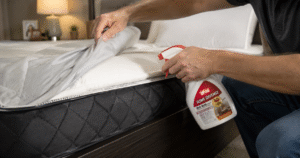
Store-bought Product: Try bed bug sprays, powders, or steam cleaners to eliminate bed bugs from furniture and carpets.
Expert Support: If the infestation gets out of hand, it’s a smart move to call in a pest control professional for a deeper, more effective solution.
Common Bed Bug Mistakes (What NOT to Do)
When dealing with bed bugs, it’s easy to focus on “doing something fast.” But here’s the problem—many well-intentioned actions actually make the infestation harder to eliminate.
Let’s go over the most common mistakes so you can avoid them.
1. Only Treating the Bed
A lot of people focus only on the mattress and forget everything around it.
- Bed bugs don’t stay in one place
- They hide in walls, furniture, baseboards, and even outlets
- Treating only the bed leaves the rest of the infestation untouched
You need to think of the whole room, not just the mattress.
2. Using Bug Bombs (Foggers)
This is a common slip-up many homeowners tend to make.
- Bug bombs don’t reach deep hiding spots
- Bed bugs often escape into walls and spread further
- It can actually push the infestation into new areas
Unfortunately, foggers are rarely effective for bed bugs.
3. Throwing Away Furniture Too Quickly
It’s understandable to want to get rid of infested furniture, but doing it too early can be a mistake.
- You might still have bed bugs elsewhere in the home
- New furniture can get re-infested quickly
- Proper treatment should always come first
In many cases, furniture can be saved with the right treatment plan.
4. Not Repeating Treatments
One round of cleaning or spraying is rarely enough.
- Bed bug eggs can survive initial treatments
- Hidden bugs may reappear days later
- Without repetition, the cycle continues
Consistency over 1–2 weeks is key to fully breaking their life cycle.
Why Avoiding These Mistakes Matters
Bed bug control isn’t just about what you do—it’s also about what you avoid. Steering clear of these common errors can save you time, money, and frustration.
A smart approach is always more effective than a rushed one.
Step-by-Step Bed Bug Treatment Plan (Simple 7-Step System)
If you’re dealing with bed bugs, random treatments won’t be enough. The key is to follow a clear, repeatable process so you don’t miss hidden bugs or eggs.
Here’s a simple step-by-step plan you can follow at home:
Step 1: Declutter the Affected Area
Start by removing anything unnecessary around your bed or infested space.
- Pick up clothes, bags, and loose items
- Clear the floor so you can see hiding spots
- Reduce clutter where bed bugs can hide
This makes every following step more effective.
Step 2: Wash & Heat-Dry All Bedding
Heat is one of the most powerful bed bug killers.
- Wash sheets, pillowcases, and blankets in hot water
- Dry everything on the highest heat setting for at least 30 minutes
- Seal clean items in plastic bags if possible
This helps eliminate eggs and bugs hiding in fabric.
Step 3: Vacuum Thoroughly
Now it’s time to physically remove as many bugs as possible.
- Vacuum mattress seams, bed frame, and nearby furniture
- Focus on cracks, corners, and edges
- Empty the vacuum immediately into a sealed bag outside
This step reduces the active population quickly.
Step 4: Apply Diatomaceous Earth
This natural powder helps target hidden bed bugs.
- Lightly apply around bed legs, baseboards, and cracks
- Focus on areas where bugs travel or hide
- Leave it in place for continuous control
It works slowly but helps long-term elimination.
Step 5: Steam Treatment
Steam is extremely effective against bed bugs and their eggs.
- Use a steam cleaner on mattresses, furniture, and seams
- Move slowly so heat penetrates deep areas
- Pay attention to hidden cracks and folds
High heat kills bugs instantly on contact.
Step 6: Monitor for 7–14 Days
After treatment, don’t assume the problem is gone immediately.
- Check for new bites or signs daily
- Inspect mattress seams and furniture regularly
- Watch for any remaining activity
Bed bugs often hide before reappearing.
Step 7: Repeat the Process if Needed
One treatment cycle is rarely enough.
- Repeat vacuuming and steam every few days
- Reapply diatomaceous earth if disturbed
- Continue monitoring for at least two weeks
Consistency is what fully breaks the infestation cycle.
Why This System Works
Instead of trying random fixes, this step-by-step method targets bed bugs at every stage of their life cycle—eggs, nymphs, and adults.
Following the full cycle gives you a much higher chance of fully clearing the infestation.
6️⃣ Top Recommended Products
Bed Bug Product Guide (What to Use & When)
Choosing the right product depends on how bad your bed bug situation is. Instead of guessing, use this simple guide to match the product with your needs.
Mattress Encasement (Best for Prevention & Early Protection)
A mattress encasement is a protective cover that seals your mattress and box spring.
- Best used when you want to prevent bed bugs from entering or escaping
- Helps trap any hidden bugs inside so they eventually die off
- Great for early-stage infestations or prevention after treatment
Think of this as your first layer of defense for your bed.
Bed Bug Spray (Best for Light Infestations)
Sprays are useful when you’ve just started noticing activity.
- Works well on visible bugs and exposed areas
- Ideal for treating seams, furniture edges, and cracks
- Good for quick knockdown of small infestations
Best used alongside other methods, not as a standalone solution.
Diatomaceous Earth (Best for Long-Term Control)
This natural powder works slowly but effectively over time.
- Ideal for hidden areas and hard-to-reach cracks
- Works by drying out bed bugs after contact
- Continues working as long as it stays dry
Perfect for ongoing protection after initial cleanup.
Steam Cleaner (Best for Immediate Kill)
Steam is one of the fastest ways to kill bed bugs instantly.
- High heat kills bugs and eggs on contact
- Works well on mattresses, furniture, and tight seams
- Best for deep cleaning and heavy infestations
This is your “power tool” for fast results.
How to Choose the Right Product
- 🟢 Prevention → Mattress encasement
- 🟡 Early infestation → Spray + encasement
- 🟠 Ongoing control → Diatomaceous earth + steam
- 🔴 Heavy infestation → Steam + full treatment system
Using the right combination makes treatment much more effective than relying on just one product.
Simple Treatment Comparison Table
- Spray → Best for quick surface treatment
- Diatomaceous Earth → Best for long-term hidden control
- Steam Cleaner → Best for instant kill of bugs & eggs
- Mattress Encasement → Best for prevention & containment
This helps readers decide faster what they actually need.
☑️ 2. Checklist Box (Easy “Do This Next” Guide)
Quick Bed Bug Action Checklist:
- Inspect mattress seams and furniture
- Wash bedding on high heat
- Vacuum cracks and edges
- Apply treatment products
- Monitor for 7–14 days
- Repeat if needed
3. Warning Callouts
⚠️ Don’t ignore early signs like tiny black spots or shed skins. Bed bugs multiply quickly if left untreated.
⚠️ Avoid using bug bombs—they often make infestations worse by spreading bed bugs into hidden areas.
Frequently Asked Questions (FAQs) About Bed Bugs
1️⃣ How do professionals find bed bugs?
Professionals use a combination of visual inspections, flashlights, and sometimes special tools like bed bug interceptors or heat sensors. They carefully check mattress seams, furniture joints, baseboards, and hidden cracks where bed bugs like to hide.
2️⃣ Can bed bugs live in carpets?
Yes, bed bugs can hide in carpets, especially along edges and near walls. However, they usually prefer staying close to where people sleep, such as beds, couches, and nearby furniture.
3️⃣ Do bed bugs go away on their own?
No—bed bugs won’t disappear on their own. In fact, they usually get worse over time because they continue to feed and reproduce. Active treatment is always needed to fully eliminate them.
4️⃣ What is the fastest way to get rid of bed bugs at home?
The fastest approach usually combines multiple methods: heat (washing and steam), vacuuming, and targeted treatments like sprays or diatomaceous earth. Consistency over several days is key.
5️⃣ How do I know if bed bugs are gone?
You’ll know bed bugs are gone when there are no new bites, no fresh stains, and no signs of activity for at least 2–3 weeks after treatment. Continued monitoring is still important.
6️⃣ Can bed bugs survive in clean homes?
Yes. Bed bugs are not attracted to dirt—they are attracted to people. Even very clean homes can have infestations if bed bugs are brought in through travel, furniture, or guests.
7️⃣ Do bed bugs only come out at night?
Mostly yes. Bed bugs are nocturnal and prefer to feed at night when people are asleep. However, in heavy infestations, they may also appear during the day.
8️⃣ Can vacuuming alone remove bed bugs?
Vacuuming helps reduce the population, but it cannot fully eliminate bed bugs. It must be combined with heat, steam, or other treatments to break the life cycle.
Conclusion: Take Control of Bed Bugs Before They Take Over
Bed bugs can feel overwhelming at first, but once you understand how they behave, they become much easier to manage. The key takeaway from this guide is simple: early action makes all the difference.
These pests don’t disappear on their own. In fact, they quietly multiply, hide deep in furniture, and spread from room to room when left untreated. That’s why spotting the signs early, checking your home carefully, and using the right treatment approach matters so much.
If you suspect bed bugs in your home, here’s what to remember:
- Begin by carefully checking your bed, furniture, and any nearby cracks or crevices.
- Confirm the severity so you know how serious the problem is
- Use a step-by-step treatment plan instead of random quick fixes
- Don’t skip repeat treatments—bed bugs are persistent
- Protect your home going forward with prevention habits
What to Do Next (Important)
If you’re seeing signs right now, don’t wait for things to get worse. Even a small infestation can spread quickly if ignored.
- Stop the infestation before it spreads to every room
- Protect your mattress tonight—start treatment immediately
- Act early to avoid a full home infestation later
Final Thought
Getting rid of bed bugs is absolutely possible—it just takes consistency and the right approach. The sooner you act, the easier the process becomes and the faster you can get your home and sleep back to normal.