Best Mosquito Control After Flooding (Effective Ways)
Flooding can leave behind a long list of problems, from property damage to difficult cleanup tasks. Unfortunately, once the water starts to disappear, another issue often begins to emerge—mosquitoes.
Even after a storm has passed, leftover puddles, saturated soil, clogged gutters, and other sources of standing water can create ideal breeding conditions for mosquitoes. In a surprisingly short time, a few small water-filled areas can turn into a major mosquito problem.
Many homeowners discover that outdoor activities become less enjoyable after flooding. Relaxing on the patio, working in the garden, or spending time with family outside can quickly become frustrating when mosquitoes are constantly buzzing around and biting.
The good news is that there are several effective ways to reduce mosquito populations and prevent future outbreaks. Whether you prefer natural solutions, chemical treatments, or a combination of both, taking action early can make a significant difference.
Mosquitoes aren’t the only pests that become active after severe weather. Excess moisture and storm damage can also attract ants, flies, cockroaches, rodents, and other unwanted visitors. For more post-storm pest prevention advice, be sure to check out our Emergency Pest Control Tips For Hurricane Season guide.
In this article, you’ll discover the best mosquito control options after flooding, learn how mosquitoes multiply so quickly, and find practical tips to help keep your yard comfortable throughout mosquito season.
Affiliate Disclosure: This article contains affiliate links. If you purchase through one of these links, I may earn a small commission at no additional cost to you.
As an Amazon Associate, I earn from qualifying purchases.
At a Glance
🏆 Best Overall: Summit Mosquito Dunks
🌿 Best Natural Solution: Murphy’s Naturals Lemon Eucalyptus Spray
⚡ Fastest Knockdown: Cutter Backyard Bug Control Fogger
🛡️ Best Long-Term Protection: Ortho Home Defense Backyard Mosquito & Bug Killer
🔄 Best Set-and-Forget Solution: DynaTrap DT2000XLP
🏠 Best for Large Mosquito Problems: Professional Mosquito Control Servic
Best Mosquito Control After Flooding (Quick Comparison)
| Product/Method | Type | Best For | Protection Speed | Duration | Pet & Family Friendly | Overall Rating |
|---|---|---|---|---|---|---|
| Summit Mosquito Dunks | Larvicide (Bti) | Standing water, ponds, rain barrels | ★★★☆☆ | ★★★★★ | ★★★★★ | Best Overall |
| Murphy’s Naturals Lemon Eucalyptus Spray | Natural Repellent | Personal protection and outdoor activities | ★★★★★ | ★★★★☆ | ★★★★★ | Best Natural Option |
| Cutter Backyard Bug Control Fogger | Fogger | Severe mosquito outbreaks | ★★★★★ | ★★★★☆ | ★★★☆☆ | Fastest Results |
| Ortho Home Defense Backyard Mosquito & Bug Killer | Residual Spray | Long-term yard protection | ★★★★☆ | ★★★★★ | ★★★☆☆ | Best Long-Term Control |
| DynaTrap DT2000XLP | Mosquito Trap | Continuous outdoor mosquito reduction | ★★★★☆ | ★★★★★ | ★★★★★ | Best Low-Maintenance Option |
| Professional Mosquito Control Service | Professional Treatment | Large properties and recurring infestations | ★★★★★ | ★★★★★ | ★★★★☆ | Best for Severe Infestations |
Why Mosquitoes Become a Problem After Flooding
After a flood, most homeowners focus on cleaning up debris, drying out affected areas, and getting their property back to normal. However, while recovery efforts are underway, mosquitoes are often taking advantage of the conditions left behind.
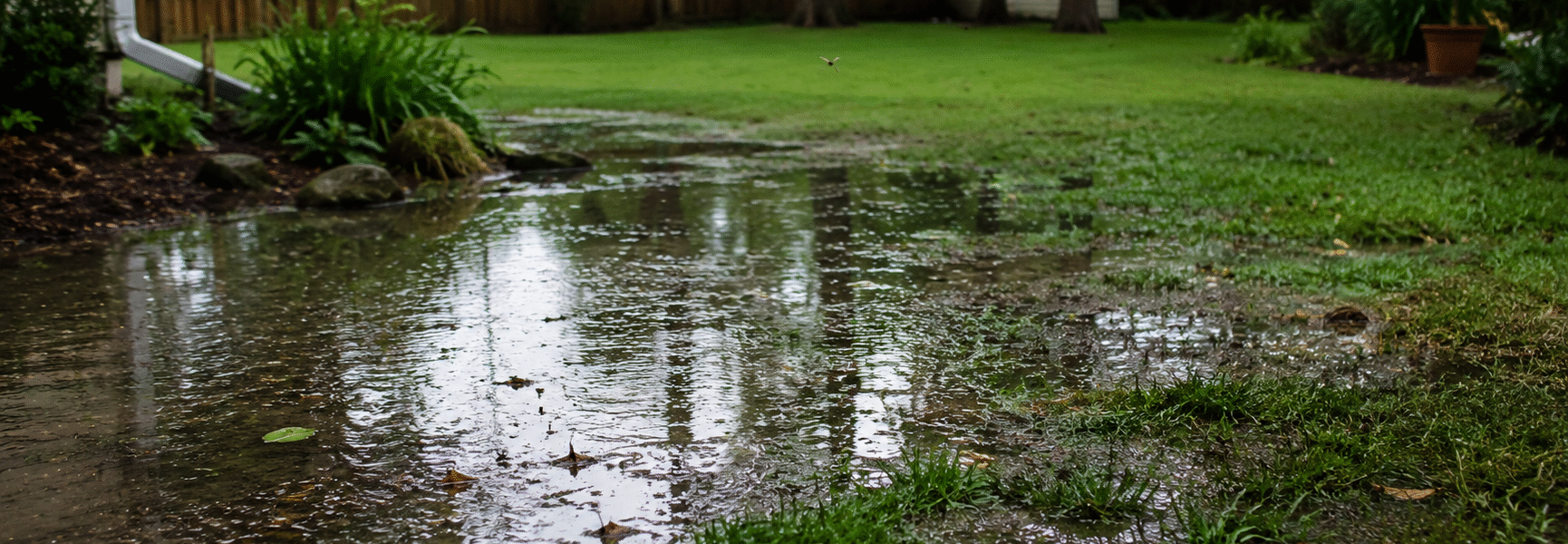
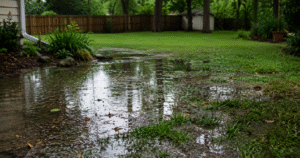
One reason mosquito populations increase so quickly after flooding is that standing water provides the perfect environment for reproduction. As floodwaters recede, they frequently leave behind water-filled areas in places such as:
- Clogged gutters
- Drainage ditches
- Flower pots
- Wheel ruts
- Birdbaths
- Children’s toys
- Low spots in the yard
- Tarps and outdoor equipment
These small collections of water may not seem important, but they can quickly become breeding sites.
Warm temperatures and high humidity often follow storms, creating ideal conditions for mosquito development. Under favorable conditions, mosquito eggs can hatch rapidly, and many species can develop into biting adults within a week or two.
What makes the situation even more challenging is that mosquitoes do not need large amounts of water. Even a small puddle can support mosquito development if it remains undisturbed long enough.
Certain species, often called floodwater mosquitoes, are especially well adapted to temporary pools of water created by storms. As floodwaters disappear, these mosquitoes can emerge in large numbers, causing a sudden increase in biting activity around homes and neighborhoods.
The good news is that early action can dramatically reduce mosquito populations before they become overwhelming. Removing standing water, treating areas that cannot be drained, and using proven mosquito control methods can help break the breeding cycle and limit future problems.
After severe weather hits your area, it’s a smart idea to check your property for any hidden pockets of standing or trapped water. Taking a few simple preventive measures today can help create a more comfortable outdoor environment in the weeks ahead.
For additional storm recovery tips, visit our guide on How To Keep Bugs And Rodents Out After A Hurricane.
Natural Mosquito Control Solutions That Really Work
If you prefer to limit chemical use around your home, there are several natural mosquito control methods that can help reduce mosquito activity while remaining family and pet friendly.
1. Remove Standing Water as Quickly as Possible
The most effective mosquito control method often costs nothing at all—eliminating breeding sites.
Because mosquitoes rely on standing water to reproduce, removing water sources can significantly reduce future mosquito populations.
After flooding, inspect your property and:
- Empty buckets and containers
- Drain children’s toys
- Refresh birdbath water regularly
- Clean pet water bowls often
- Clear clogged gutters
- Improve drainage in low-lying areas
The fewer breeding sites available, the fewer mosquitoes you’ll have to deal with later.

Helpful Tool: Raindrip Gutter Cleaning Scoop
This simple tool makes it easier to remove leaves and debris from gutters after heavy storms, helping prevent water from collecting.
2. Use Mosquito Dunks for Standing Water
When water cannot be removed, mosquito dunks can be one of the safest and most effective solutions available.
Mosquito dunks contain Bti (Bacillus thuringiensis israelensis), a naturally occurring bacterium that targets mosquito larvae before they mature into adults.
Bti is commonly used because it is considered safe for:
- Pets
- Birds
- Fish
- Wildlife
- Most beneficial insects
Mosquito dunks work well in:
- Rain barrels
- Ponds
- Drainage ditches
- Decorative water features
Recommended Product: Summit Mosquito Dunks
If you have areas of standing water that cannot be drained, Summit Mosquito Dunks offer an easy way to interrupt the mosquito life cycle before adult mosquitoes emerge.
Pros

✔ Targets mosquito larvae directly
✔ Easy to apply
✔ Long-lasting protection
✔ Safe for many outdoor environments
Cons
✘ Only effective in standing water
Best For
- Rain barrels
- Ponds
- Water gardens
- Drainage areas
Interested in preventing mosquitoes before they hatch? Check current pricing and customer reviews for Summit Mosquito Dunks on Amazon.
3. Use Essential Oil-Based Mosquito Repellents
If you’re looking for a more natural way to discourage mosquitoes, essential oil sprays can be a helpful addition to your mosquito control plan.
Certain plant-based oils contain scents that mosquitoes tend to avoid. While they may not eliminate mosquito populations, they can help reduce bites and make outdoor spaces more comfortable.
Some of the most commonly used essential oils for mosquito control include:

- Lemon eucalyptus
- Citronella
- Peppermint
- Lavender
- Tea tree oil
You can apply these sprays around patios, decks, outdoor seating areas, and entry points around your home.
Recommended Product: Murphy’s Naturals Lemon Eucalyptus Oil Spray
Murphy’s Naturals offers a plant-based mosquito repellent that is free from DEET and designed for everyday outdoor use.
Pros

✔ Plant-based ingredients
✔ Pleasant scent
✔ Easy to apply
✔ Suitable for many outdoor activities
Cons
✘ Requires more frequent reapplication than some chemical repellents
Best For
- Patios
- Gardens
- Outdoor gatherings
- Light mosquito activity
Looking for a natural mosquito repellent? Check current pricing and customer reviews for Murphy’s Naturals Lemon Eucalyptus Oil Spray on Amazon.
4. Add Mosquito-Repelling Plants to Your Landscape
While no plant can completely eliminate mosquitoes, certain plants may help make outdoor areas less attractive to them when used around seating areas, walkways, and entry points.
Popular mosquito-repelling plants include:
Lavender
Lavender provides a pleasant fragrance for people while helping discourage mosquitoes and other pests.
Basil
This versatile herb can be grown in containers and garden beds while adding flavor to your cooking.
Lemongrass
Lemongrass contains citronella, a well-known ingredient found in many mosquito repellents.
Marigolds
Marigolds contain compounds that naturally repel some insects and add bright color to the landscape.
For best results, place these plants near:

- Patios
- Decks
- Porches
- Windows
- Doorways
Recommended Product: Back to the Roots Lavender Grow Kit
This beginner-friendly grow kit makes it easy to add lavender to your indoor or outdoor spaces.
5. Encourage Natural Mosquito Predators
Nature already provides several helpful allies when it comes to mosquito control.
Many animals feed on mosquitoes or mosquito larvae and can contribute to a healthier outdoor ecosystem.
Common mosquito predators include:
Dragonflies
Dragonflies are excellent hunters and consume a variety of flying insects, including mosquitoes.
Birds
Species such as swallows and purple martins feed on many flying insects and may help reduce mosquito activity.
Bats
Bats consume numerous flying insects throughout the night and can contribute to overall insect management around a property.

You can encourage beneficial wildlife by installing:
- Birdhouses
- Bat houses
- Pollinator-friendly gardens
- Water features designed to support healthy ecosystems
Mosquito Control Options for Severe Infestations
Sometimes mosquito populations become too large for natural methods alone.
When that happens, stronger mosquito control products may provide faster relief.
1. Apply Mosquito Larvicides
Larvicides target mosquitoes during their early development stages before they become biting adults.
They are often useful for:
- Retention ponds
- Drainage areas
- Flood-prone properties
- Large standing water sources
Common active ingredients include:
- Methoprene
- Temephos
Always follow label directions carefully.
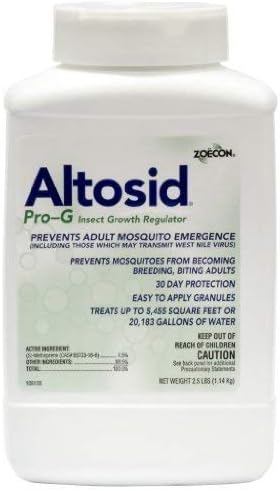
Recommended Product: Altosid Pro-G Mosquito Larvicide
Altosid Pro-G helps interrupt mosquito development and is commonly used in larger mosquito management programs.
Pros
✔ Long-lasting protection
✔ Helps break the mosquito life cycle
✔ Effective in difficult-to-drain locations
Cons
✘ May not be necessary for smaller residential properties
Best For
- Ditches
- Retention ponds
- Flood-prone areas
Interested in longer-lasting larval control? Check current pricing for Altosid Pro-G Mosquito Larvicide on Amazon.
2. Use Outdoor Mosquito Foggers
Mosquito foggers provide rapid knockdown of adult mosquitoes and are often used when mosquito numbers become overwhelming.
They are commonly used around:

- Backyards
- Patios
- Campsites
- Outdoor events
For best results, apply fogging treatments during:
- Early morning
- Late evening
These are the times when mosquitoes are typically most active.
Recommended Product: Cutter Backyard Bug Control Fogger
This fogger is designed to help reduce adult mosquito populations quickly.
Pros

✔ Fast-acting
✔ Covers large outdoor areas
✔ Helpful during heavy mosquito outbreaks
Cons
✘ Requires periodic reapplication
Best For
- Patios
- Backyards
- Outdoor gatherings
- Severe mosquito activity
Need quick mosquito relief? View current pricing and reviews for Cutter Backyard Bug Control Fogger on Amazon.
3. Apply Residual Mosquito Sprays
Residual sprays create a protective barrier by treating surfaces where mosquitoes rest.
Many products continue working for several weeks after application.
Common active ingredients include:
- Permethrin
- Lambda-cyhalothrin
- Deltamethrin
Focus applications around:
- Shrubs
- Bushes
- Decks
- Window frames
- Doorways
Recommended Product: Ortho Home Defense Backyard Mosquito & Bug Killer
This product is designed to provide longer-lasting outdoor mosquito protection while also helping control other common yard pests.
Pros

✔ Long-lasting protection
✔ Covers large outdoor spaces
✔ Targets multiple pests
Cons
✘ Not considered a natural treatment
Best For
- Lawns
- Landscaping
- Patios
- Outdoor living areas
Looking for extended mosquito protection? Check today’s pricing for Ortho Home Defense Backyard Mosquito & Bug Killer on Amazon.
4. Set Up Mosquito Traps
Mosquito traps can provide continuous mosquito management without requiring regular spraying.
Many modern traps attract mosquitoes using combinations of:

- Light
- Heat
- Carbon dioxide (CO₂)
- Airflow technology
Popular options include:
- DynaTrap
- Mosquito Magnet
- Flowtron
These systems often work best when combined with other mosquito control methods.
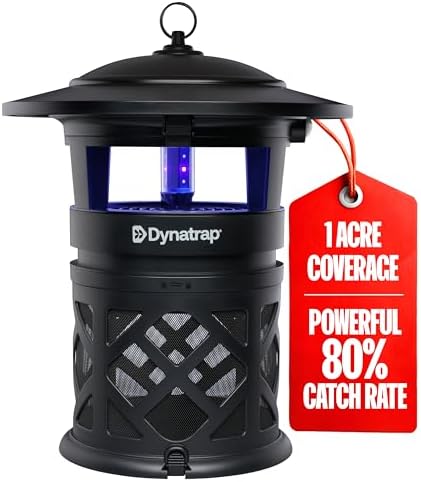
Recommended Product: DynaTrap DT2000XLP Insect Trap
DynaTrap traps insects continuously and can help reduce mosquito activity over time.
Pros
✔ Operates continuously
✔ No sprays required
✔ Quiet operation
✔ Low maintenance
Cons
✘ Results may take time to become noticeable
Best For
- Patios
- Decks
- Outdoor living spaces
- Backyards
Interested in continuous mosquito control? Check current pricing and customer reviews for DynaTrap DT2000XLP on Amazon.
5. Consider Professional Mosquito Control
If mosquito populations remain high despite your efforts, hiring a licensed pest control professional may be worthwhile.
Professionals can:
- Identify breeding sites
- Apply specialized treatments
- Develop seasonal mosquito management plans
- Monitor long-term mosquito activity
This option is often beneficial for properties located near wetlands, retention ponds, or frequently flooded areas.
How to Choose the Best Mosquito Control Method
The right solution depends on your specific situation.
Consider the following:
Mosquito Population Size
- Light activity: Natural solutions may be enough.
- Heavy activity: Additional treatments may be necessary.
Children and Pets
Many homeowners prefer natural or low-toxicity options in areas where children and pets spend time.
Budget
DIY methods are generally more affordable, while professional services offer convenience and expert support.
Property Conditions
Flood-prone properties often benefit from combining multiple mosquito control strategies.
In many cases, a layered approach provides the best results.
How to Prevent Mosquitoes From Returning
After reducing mosquito populations, focus on prevention to avoid future outbreaks.
Helpful prevention tips include:
- Keep gutters free of debris
- Repair leaking outdoor faucets
- Improve yard drainage
- Empty standing water regularly
- Cover rain barrels with fine mesh
- Maintain window and door screens
- Trim overgrown vegetation
- Inspect your property after heavy rainfall
Consistency is one of the most effective mosquito control tools available.
For more prevention strategies, visit our guide on Mosquito Prevention Around Homes.
Frequently Asked Questions
1. How quickly can mosquitoes appear after flooding?
Mosquito eggs can begin developing shortly after standing water forms. In favorable conditions, mosquito populations may increase noticeably within one to two weeks.
2. Can flooding increase mosquito-related health risks?
Yes. Mosquitoes can carry diseases such as West Nile virus, dengue, Zika virus, and chikungunya in some regions.
3. Are natural mosquito repellents effective?
Natural repellents can help reduce mosquito bites, especially during mild mosquito activity. Severe infestations may require additional control methods.
4. Are mosquito dunks safe around pets?
When used according to label directions, Bti mosquito dunks are generally considered safe for pets, birds, fish, and wildlife.
5. How long do mosquito sprays last?
Many residual sprays remain effective for one to four weeks, depending on weather conditions and the specific product used.
6. Can mosquito foggers be used indoors?
Most mosquito foggers are intended for outdoor use only. Always follow manufacturer instructions carefully.
7. Do mosquito traps really work?
Yes. Mosquito traps can help reduce mosquito populations over time, especially when combined with other mosquito management strategies.
8. When is the best time to spray for mosquitoes?
Early morning and evening are generally the most effective times because mosquitoes are often more active during these periods.
9. Does flooding make mosquitoes more aggressive?
Flooding usually increases mosquito populations, which can make mosquito activity seem much worse due to the larger number of mosquitoes present.
10. When should I call a pest control professional?
Consider professional help if mosquito activity remains severe after several weeks of consistent control efforts.
Our Top Recommendation
For many homeowners dealing with post-flood mosquito problems, Summit Mosquito Dunks are an excellent starting point.
They target mosquitoes before they become biting adults, are easy to use, and can help reduce mosquito populations at the source by treating standing water that cannot be drained.
Learn more about Summit Mosquito Dunks and check current Amazon pricing to see if they’re a good fit for your mosquito control plan.
Final Thoughts
Flooding can create ideal conditions for mosquitoes, but it doesn’t have to mean months of uncomfortable outdoor living.
The most effective mosquito control strategy combines prevention, early intervention, and the right treatment methods for your property. Removing standing water, treating breeding sites, and maintaining regular mosquito prevention habits can dramatically reduce mosquito activity after a storm.
The sooner you address mosquito breeding areas, the easier it becomes to keep populations under control.
With a little planning and consistent effort, you can enjoy your yard, patio, and outdoor spaces with far fewer mosquito problems throughout the season.