How to Check for Termites in Your Home Before They Cause Costly Structural Damage
Quick Guide: Spot Termites Before They Damage Your Home

Worried you might already have termites in your home? The good news is you don’t need special tools or professional experience to check for early warning signs.
In just a few minutes, you can learn how to inspect your home for termites, spot hidden damage, and take action before repairs become expensive.
Here’s what you’ll learn in this guide:
- How to quickly check for termites in key areas of your home
- The early warning signs most homeowners miss
- Simple DIY inspection steps anyone can follow
- When to handle it yourself—and when to call a professional
- Easy prevention tips to keep termites away long-term
If you act early, you can stop termites before they cause serious structural damage—and potentially save thousands in repair costs.
Termites don’t make noise, and they don’t announce themselves—but they can quietly cause serious damage behind your walls and under your floors.
In many cases, homeowners don’t realize there’s a problem until they’re facing thousands of dollars in repair costs. By then, the damage has already been happening for months.
That’s what makes termites so risky—they work silently, slowly, and often completely out of sight.
The good news is that learning how to check for termites early can help you catch the warning signs before things get expensive or stressful.
If you’re worried about termites damaging your home, there are simple and effective ways to check for them early—before costly repairs are needed. You don’t need any fancy tools or strong chemicals to notice the early warning signs.
By knowing what to look for, you can catch a termite problem early and protect your home.
Checking for termites doesn’t have to be complicated. With some simple do-it-yourself inspection tricks and a few smart prevention habits, you can keep an eye on what’s happening in your home and lower the chances of major damage down the line.
Early detection is the key to keeping your home safe and termite-free.
Affiliate Disclosure: This page contains affiliate links. If you buy through my links, I may earn a small commission at no extra cost to you.
As an Amazon Associate, I earn from qualifying purchases.
Why Early Termite Detection Matters More Than You Think
Termites aren’t just a small nuisance—they’re responsible for billions of dollars in property damage each year, and most of that damage happens quietly behind walls and under floors.
Expert Insight: Many pest control professionals agree that termite infestations often go unnoticed for months—or even years—because the insects stay hidden while feeding on wood from the inside out.
That’s why regular checks and early detection are so important. The sooner you spot the warning signs, the easier (and cheaper) it is to stop the problem before it spreads.
How to Check for Termites in Your Home (Quick Answer)
To spot termites in your home, start by looking closely at your foundation and any wooden structures. Watch for mud tubes, gently tap wood to see if it sounds hollow, keep an eye out for dropped wings around windows and doors, and don’t forget to check for any damp or moisture-prone areas. Early detection helps prevent costly structural damage.
How to Check for Termites in Different Areas of Your Home
When learning how to check for termites, it’s important to go beyond a quick glance. Termites often hide in specific areas, so knowing where to look gives you a big advantage.
How to check for termites in walls:
Gently tap along walls and listen for hollow sounds. You may also notice faint lines, bubbling paint, or tiny holes—these can signal hidden termite tunnels.
How to inspect for termites yourself:
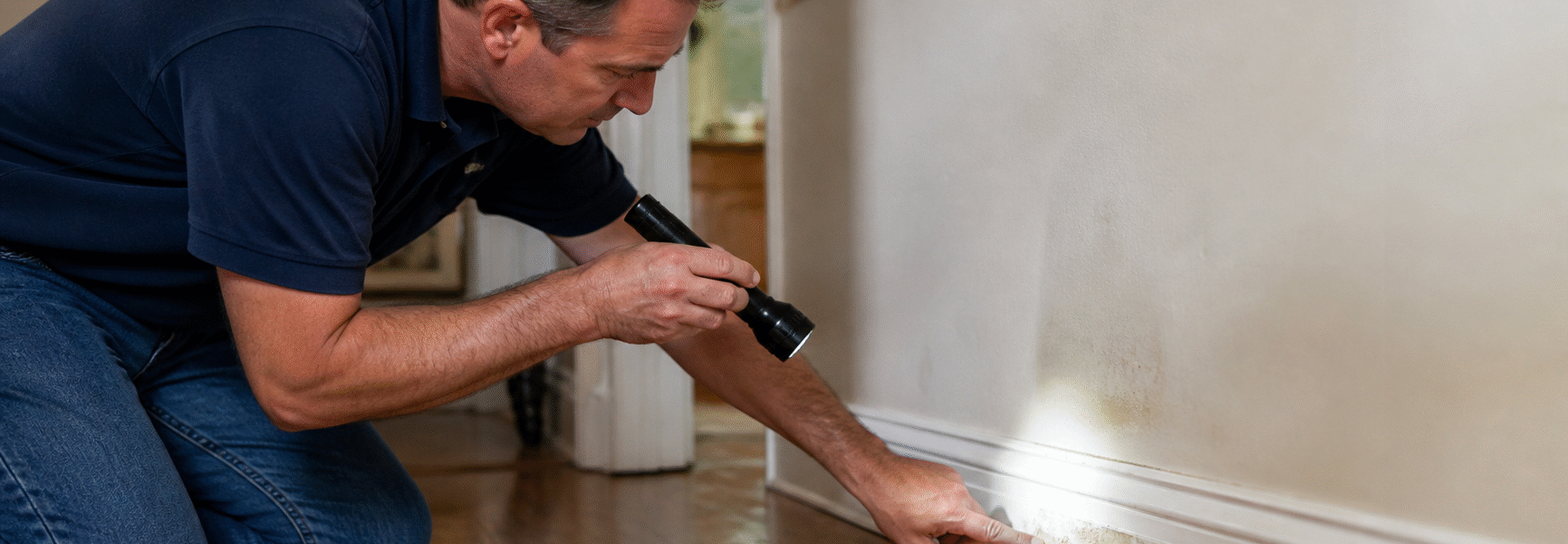
Start with a simple walkthrough. Check baseboards, window frames, crawl spaces, and any exposed wood. Use a flashlight to spot mud tubes, damage, or moisture buildup.
Signs of termites in your house:
Keep an eye out for discarded wings, cracked or blistering wood, and mud tubes along your foundation. These are some of the most common early warning signs homeowners notice.
Helpful Tip: The more areas you check, the better your chances of catching termite activity early—before it turns into expensive damage.
1️⃣ What Termites Look Like
Termites are tiny insects, but they can cause a surprising amount of damage before you even realize they’re there. Here’s how to identify them:
Appearance: Pale or light brown insects with soft bodies. Worker termites are small and wingless, while swarmer’s have wings.
Quick Identifiers: They avoid light, live in colonies, and are often confused with ants—but termites have straight antennae and uniform waists.
Common Locations: Inside walls, wooden structures, basements, crawl spaces, and near foundations.
2️⃣ How to Tell If Termites Are in Your Home
Not sure if termites are present? Watch for these common warning signs:
Mud Tubes: Thin, pencil-sized tubes along walls, foundations, or crawl spaces.
Hollow-Sounding Wood: Wood that sounds empty when tapped can indicate internal damage.
Discarded Wings: Piles of tiny wings near windows or doors are signs of termite swarmers.
Damaged Wood: Wood that crumbles easily or shows blistering or peeling paint.
3️⃣ Why Termites Are Invading Your Home
Understanding what attracts termites helps you stop them before they move in:
Wood & Cellulose: Termites feed on wood, paper, and cardboard.
Moisture: Leaky pipes, damp basements, and poor drainage attract termites.
Easy Access: Easy entry points: Small cracks in the foundation, wood that’s in direct contact with the soil, and any gaps or unsealed openings around your home can all make it easy for pests to get inside.
4️⃣ How to Check for Termites Yourself (DIY Inspection)
You can perform a basic termite check at home using these steps:
✅ Inspect wooden areas around doors, windows, and baseboards
✅ Check the foundation for mud tubes or cracks
✅ Tap wood surfaces and listen for hollow sounds
✅ Look for wings near light sources
✅ Use a flashlight to inspect dark or damp areas
Pro Tip: Use a Termite Checker Tool to assess your home’s risk level in minutes.
Step-by-Step Termite Inspection You Can Do at Home
If you want a more thorough approach, follow this simple step-by-step inspection. It’s designed to help you spot termite activity quickly and confidently.
1️⃣ Start at the foundation
Walk around the outside of your home and look closely for mud tubes, cracks, or wood touching the soil.
2️⃣ Check all exposed wood
Inspect doors, window frames, baseboards, and decks. Tap lightly and listen for hollow sounds or notice any soft spots.
3️⃣ Look for moisture-prone areas
Focus on basements, crawl spaces, kitchens, and bathrooms where leaks or humidity may attract termites.
4️⃣ Inspect walls and paint surfaces
Watch for bubbling paint, faint lines, or small holes—these can be hidden signs of termite tunneling inside walls.
5️⃣ Examine windows, doors, and light sources
Termite swarmers are drawn to light, so check for discarded wings on window sills or near entry points.
6️⃣ Repeat checks regularly
A quick inspection every few months can help you catch problems early before they become serious.
Quick Termite Check Checklist
Short on time? Use this fast checklist to scan for the most common warning signs:
- Mud tubes along walls or foundation
- Hollow-sounding or damaged wood
- Piles of discarded wings
- Bubbling paint or unexplained cracks
- Damp or musty areas near wood structures
Helpful Tip: Even a quick 5-minute check can reveal early warning signs—consistency matters more than perfection.
5️⃣ How to Prevent Termites from Entering
Prevention is the best defense against termites:
✅ Fix leaks and reduce moisture
✅ Try to keep wood piles and mulch a little distance away from your home’s foundation to help reduce the risk of pests moving in.
✅ Make sure to seal up any cracks or gaps around your home so pests have fewer ways to sneak inside.
✅ Store firewood away from the house
✅ Ensure proper drainage around the foundation
6️⃣ Fast Treatment Options
If you suspect termite activity, act quickly:
Natural Methods: Use orange oil or neem oil for localized infestations
DIY Solutions: Boric acid treatments for early-stage problems
Store-Bought Products: Termite bait stations and sprays
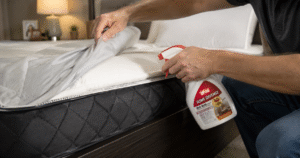
Professional Help: Professional help: If you suspect a widespread issue or see signs of active termites, it’s best to contact a licensed termite inspector to assess and handle the situation properly.
When DIY Termite Control Isn’t Enough
While DIY methods can work for small or early infestations, there are times when it’s safer—and often cheaper in the long run—to bring in a professional.
Watch for these warning signs:
- Mud tubes in multiple areas
If you’re seeing termite tunnels in more than one spot, the colony is likely well-established. - Sagging floors or weakened wood
This can mean structural damage has already started, which requires expert repair and treatment. - Large piles of discarded wings
A heavy swarm usually signals a mature colony nearby. - Signs keep coming back after treatment
If termites return after DIY efforts, the root of the problem hasn’t been fully eliminated.
Helpful Tip: Professional termite inspectors have tools that can detect hidden colonies inside walls—something DIY methods can easily miss.
Top Termite Control Products That Actually Work
Choosing the right product can make a huge difference, especially if you catch termite activity early. Here are a few reliable options that homeowners use to detect, stop, and prevent infestations.
Best for Early Detection: Termite Monitoring Stations
These stations help you spot termite activity before serious damage begins. They’re placed around your home and checked regularly for signs of termites.
Great for: Homeowners who want a simple, low-maintenance way to monitor their property
Why it works: Detects termites early so you can act fast
Take action: Check the latest price on Amazon and start monitoring your home today
Best Natural Option: Orange Oil Termite Treatment
Orange oil is a popular natural solution that targets termites on contact. It’s ideal for small, localized infestations.
Great for: Eco-conscious homeowners or small problem areas
Why it works: Breaks down termite exoskeletons and eliminates them quickly
Try it now: See available options on Amazon for a safer treatment approach
Best DIY Solution: Boric Acid Termite Killer
Boric acid is a proven method for controlling termites in early stages. It can be applied to wood or used in bait form.
Great for: Budget-friendly DIY pest control
Why it works: Disrupts termite digestion and gradually wipes out colonies
Get started: Find a trusted boric acid product on Amazon today
Best for Prevention: Wood Treatment Sprays
These sprays protect wood surfaces and help prevent future infestations. They’re especially useful after treatment or during renovations.
Great for: Long-term protection and prevention
Why it works: Creates a barrier that termites avoid
Protect your home: Browse top-rated wood treatments on Amazon now
Quick Tip: If you’re dealing with widespread damage or aren’t sure how serious the problem is, combining a product solution with a professional inspection is often the smartest move.
Not Sure What to Choose? Here’s a Simple Guide
With so many termite control options out there, it’s easy to feel unsure about what actually fits your situation. The good news? You don’t need to overthink it—just match the solution to the severity of the problem.
Here’s a quick way to decide:
- Early signs (a few wings or minor wood damage):
Start with monitoring stations or boric acid treatments. These are affordable, easy to use, and work well for catching problems early. - Small, localized infestation (one area affected):
Try orange oil or a targeted wood treatment spray. These solutions focus directly on the problem without treating the whole house. - Ongoing activity (mud tubes or repeated signs):
Use termite bait stations combined with preventative treatments to stop the colony and reduce the chance of reinfestation. - Severe infestation (visible damage in multiple areas):
It’s time to call a professional termite inspector. DIY methods alone usually aren’t enough at this stage.
Helpful Tip: When in doubt, start small—but don’t wait too long to upgrade your approach if the signs continue. Acting early can save you thousands in repairs.
Frequently Asked Questions (FAQs) About Termites
1️⃣ How can I tell if my house has termites?
Answer: Look for mud tubes, hollow wood, discarded wings, and unexplained wood damage.
2️⃣ Can I check for termites without a professional?
Answer: Yes, a DIY inspection can catch early signs, but professionals are recommended for confirmation.
3️⃣ Where should I look first for termites?
Answer: Check basements, crawl spaces, foundations, and any wood touching soil.
4️⃣ Do termites only attack old homes?
Answer: No, termites can infest both new and old homes.
5️⃣ Are termites active year-round?
Answer: Yes, though swarmers are most active in warm months.
6️⃣ Can termites cause serious damage?
Answer: Yes, termites can weaken structural wood if left untreated.
7️⃣ What attracts termites the most?
Answer: Moisture, wood, and easy access through cracks.
8️⃣ Do termites spread quickly?
Answer: Yes, colonies grow fast and damage increases over time.
9️⃣ Is termite damage covered by insurance?
Answer: Most home insurance policies do not cover termite damage.
🔟 What’s the best way to prevent termites long-term?
Answer: Moisture control, regular inspections, and preventive treatments.
Conclusion
Don’t wait for hidden damage to get worse. In less than a minute, you can spot potential termite risks and take action before repairs become expensive.
Try the Termite Checker now and see what might be hiding in your home—it only takes 60 seconds to get peace of mind.
Ready to protect your home? Use a Termite Checker and take action now!