
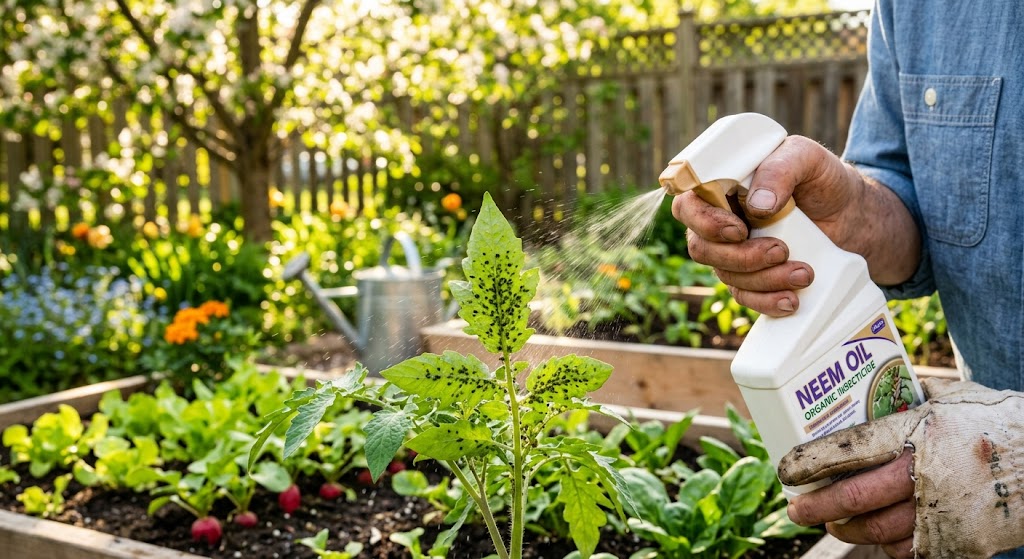
5 Best Natural Aphid Control Products for Spring Gardens (2026 Buyer’s Guide)
Spring is the season when your garden blooms… and when aphids sneak in. These tiny pests suck sap from your plants, causing curled leaves, stunted growth, and less harvest. Left unchecked, they spread fast, threatening your flowers, vegetables, and herbs.
The good news? You don’t need toxic chemicals. There are natural, safe ways to stop aphids—from ready-to-use sprays to beneficial insects like ladybugs and simple DIY remedies. These methods protect your plants while keeping your kids, pets, and garden wildlife safe.
In this guide, you’ll discover the top 5 recommended products, learn how to use them effectively, see the pros and cons of each, and get answers to the most common aphid control questions. By the end, you’ll have everything you need to protect your spring garden naturally and confidently.
How We Selected These Aphid Control Products
Choosing the right aphid treatment can be challenging with so many garden products available. We compared these options based on several important factors to help gardeners find effective and practical solutions.
Our selection criteria included:
✅ Effectiveness against aphids – How well the product targets common aphid problems.
✅ Organic certification and natural ingredients – Preference for options suitable for gardeners looking for more eco-friendly approaches.
✅ Ease of application – Whether the product is simple to apply for beginner and experienced gardeners.
✅ Customer feedback – Consideration of user experiences and product popularity.
✅ Suitability for vegetables and flowers – Focus on products commonly used around home gardens.
✅ Long-term garden care – Looking at how each option fits into a complete pest management routine.
| Product | Best For | Type | Rating |
|---|
| Safer Brand Insecticidal Soap | Fast aphid removal | Spray | ⭐ Best Overall |
| Bonide Neem Oil | Long-term control | Concentrate | ⭐ Best Value |
| Garden Safe Soap | Family gardens | Spray | ⭐ Best Safe Choice |
| Live Ladybugs | Chemical-free control | Beneficial insects | ⭐ Best Natural Method |
| Natria Neem Spray | Beginners | Ready-to-use | ⭐ Easiest Option |
Affiliate Disclosure: This page contains affiliate links. If you buy through my links, I may earn a small commission at no extra cost to you.
As an Amazon Associate, I earn from qualifying purchases.
-
Identify the pest: Are they aphids or similar bugs?
-
Check your plants for early signs of infestation.
-
Choose natural control methods first: sprays, insects, or DIY remedies.
-
Implement preventive measures: companion planting, mulching, and healthy soil.
-
Monitor weekly during spring peak season.
Need fast results? To naturally get rid of aphids in your spring garden:
-
Use eco-friendly sprays
-
Introduce beneficial insects
-
Apply DIY home remedies like neem oil or soap solutions
Stay with us and you’ll get a full comparison of the 5 best picks, including pros, cons, and links to buy with one click.
⚠️ Important: Before using any insecticide (even organic sprays), always read and follow the manufacturer’s label directions for safe and proper use.
Top 5 Natural Aphid Control Products for Spring Gardens
-
Safe for vegetables, flowers, and herbs
-
Non-toxic and eco-friendly
-
Highly Rated and Best Buys
Why These Are the Best Choices
1. Safer Brand 5118 Insecticidal Soap — Best Overall Aphid Spray
Best for: Vegetable gardens, flower beds, herbs, and gardeners who want a simple ready-to-use solution
Safer Brand 5118 Insecticidal Soap is a popular choice for gardeners who need a quick and convenient way to manage aphids naturally. This ready-to-use spray eliminates the need for measuring or mixing, making it a beginner-friendly option for protecting flowers, vegetables, and herbs during the growing season.
Why Gardeners Like It
✅ Ready-to-use formula – The spray bottle makes application simple, allowing you to treat affected plants without preparing a separate solution.
✅ Targets aphids directly – When applied properly, the soap works on contact with soft-bodied pests like aphids that gather on leaves and stems.
✅ Designed for organic gardening – OMRI listing makes it appealing to gardeners looking for a more natural pest control option.
How to Use Safer Brand 5118
Inspect plants carefully and spray areas where aphids commonly hide, including the underside of leaves, stems, and new plant growth. Good coverage is important because the spray works best when it reaches the insects directly.
Follow the product label instructions and reapply as needed during ongoing infestations.
Potential Drawbacks
❌ Requires repeat applications – Heavy aphid infestations may need multiple treatments before populations are reduced.
❌ Does not prevent future aphid problems – It controls existing pests but does not create long-term protection against new infestations.
Our Recommendation
Safer Brand 5118 is an excellent choice for gardeners who want a straightforward aphid solution without mixing concentrates or complicated steps. It is best suited for anyone looking for a convenient spray they can quickly apply when aphids appear.
2. Bonide Neem Oil Concentrate — Best Long-Term Aphid Control
Best for: Gardeners who want broader pest protection and a concentrated organic solution
Bonide Neem Oil Concentrate is a versatile garden treatment that many gardeners use for aphids and other common plant pests. Unlike ready-to-use sprays, this concentrate allows you to create multiple applications, making it a practical option for larger gardens or repeated pest problems.
Why Gardeners Like It
✅ Multi-purpose garden solution – Neem oil can help manage several common garden pests, making it useful beyond just aphid control.
✅ Long-lasting protection approach – Many gardeners choose neem oil because it works as part of a regular garden care routine.
✅ Cost-effective for larger areas – Since it is a concentrate, one bottle can provide multiple treatments when mixed according to the label.
How to Use Bonide Neem Oil
Mix the concentrate according to the manufacturer’s instructions and apply it evenly to affected plants. Pay close attention to leaf surfaces and areas where aphids gather.
For best results, use during the recommended times of day and avoid spraying during extreme heat or when beneficial insects are active.
Potential Drawbacks
❌ Requires mixing before use – Unlike ready-to-use sprays, this product requires preparation before application.
❌ May need careful application – Gardeners should follow label directions closely to avoid plant stress.
Our Recommendation
Bonide Neem Oil Concentrate is a strong choice for gardeners who want more than a quick aphid treatment. It works well for people who prefer a natural, multi-purpose garden product and do not mind taking a few extra steps during application.
3. Garden Safe Insecticidal Soap — Best Eco-Friendly Aphid Spray
Best for: Families, beginner gardeners, and homeowners looking for gentle pest control
Garden Safe Insecticidal Soap is designed for gardeners who want an easy-to-use product for managing aphids and other soft-bodied insects. Its simple spray application makes it a convenient option for flowers, vegetables, and household gardens.
Why Gardeners Like It
✅ Easy spray application – The ready-to-use bottle makes treating affected plants quick and convenient.
✅ Biodegradable formula – Many gardeners appreciate having a pest control option that fits an eco-conscious gardening routine.
✅ Suitable for many garden plants – It can be used on a variety of flowers, herbs, and vegetables when applied according to the label.
How to Use Garden Safe Insecticidal Soap
Spray directly onto areas where aphids are present, including leaf undersides and new growth. Continue monitoring plants regularly and repeat treatments when necessary.
Consistent applications are often important because aphids can reproduce quickly.
Potential Drawbacks
❌ Works best with repeated use – One application may not be enough for larger infestations.
❌ Requires direct contact – The spray needs to reach the insects to be effective.
Our Recommendation
Garden Safe Insecticidal Soap is a great pick for gardeners who want a simple and environmentally friendly way to handle aphids. It is especially useful for homeowners who prefer an uncomplicated spray option for routine garden maintenance.
4. Clark&Co Organic 1500 Live Ladybugs — Best Natural Biological Control
Best for: Gardeners who prefer using beneficial insects instead of sprays
Clark&Co Organic 1500 Live Ladybugs offer a completely natural approach to aphid management. Instead of applying a product to plants, you introduce helpful insects that naturally feed on aphids and support a healthier garden ecosystem.
Why Gardeners Like It
✅ Chemical-free pest control – Ladybugs provide a natural alternative for gardeners who want to reduce spray use.
✅ Natural aphid predators – Ladybugs are well-known beneficial insects that help control aphid populations.
✅ Supports garden biodiversity – Encouraging beneficial insects can improve the overall balance of your outdoor space.
How to Use Live Ladybugs
Release ladybugs according to the supplier’s instructions, preferably during cooler parts of the day. Watering plants lightly before release can help encourage them to stay in the garden.
Provide a healthy environment with plants and shelter that attract beneficial insects.
Potential Drawbacks
❌ Temperature sensitive – Extreme heat or cold can reduce their effectiveness.
❌ May leave the garden quickly – Without the right conditions, ladybugs may move to another area.
Our Recommendation
Clark&Co Organic 1500 Live Ladybugs are ideal for gardeners who want a natural, pesticide-free way to fight aphids. They work best as part of a complete garden strategy that includes healthy plants, companion planting, and proper garden care.
5. Natria Neem Oil Ready-to-Use Spray — Best Convenience Option
Best for: Beginners and gardeners who want neem oil benefits without mixing
Natria Neem Oil Ready-to-Use Spray combines the benefits of neem oil with the convenience of a pre-mixed formula. It is a practical choice for gardeners who want a simple spray solution without the extra preparation required by concentrated products.
Why Gardeners Like It
✅ No mixing required – The ready-to-use bottle allows quick application whenever aphids appear.
✅ Convenient for small gardens – Perfect for flower pots, raised beds, herbs, and smaller outdoor spaces.
✅ Multi-purpose protection – Neem oil products are commonly used as part of broader garden pest management routines.
How to Use Natria Neem Oil Spray
Shake the bottle well and apply according to the product label. Spray affected plant areas thoroughly, including leaves where aphids are commonly found.
Regular monitoring and repeat applications may be needed depending on pest pressure.
Potential Drawbacks
❌ May require repeated treatments – Aphid populations can return if conditions remain favorable.
❌ Neem odor may be noticeable – Some gardeners may find the natural scent unpleasant.
Our Recommendation
Natria Neem Oil Ready-to-Use Spray is a convenient option for gardeners who want an easy natural solution without dealing with measuring and mixing. It is especially suitable for beginners who want a simple product they can apply quickly when aphids appear.
How to Use These Products Effectively
-
Inspect Plants Regularly – Check leaves, stems, and buds weekly.
-
Choose the Right Product – Spray for immediate results or use ladybugs for long-term control.
-
Follow Directions – Always follow label instructions, especially for concentrates.
-
Repeat Treatments – Many products need reapplication during heavy infestations.
-
Combine Methods – Spray + biological control works best.
Pros and Cons Summary
-
Quick results vs. long-term solutions
-
Spray convenience vs. predator benefits
-
Organic safety vs. repeated application needs
| Product | Pros | Cons |
|---|---|---|
| Safer Brand 5118 | Easy, fast, safe | Needs reapplication |
| Bonide Neem Oil | Long-lasting, multi-pest | Mixing required |
| Garden Safe | Biodegradable, safe | Repeated use needed |
| Clark&Co Organic 1500 Live Ladybugs | Natural predator, eco-friendly | Short lifespan |
| Natria Neem Spray | Pre-mixed, convenient | Slight odor, reapply |
FAQs About Natural Aphid Control
1. What are aphids?
Aphids are small, soft-bodied insects that feed on plant sap, causing leaves to curl, yellow, or wilt.
2. When is the best time to treat aphids?
Spring is ideal because aphid populations grow rapidly as plants start to bloom.
3. Are natural sprays safe for edible plants?
Yes, most eco-friendly sprays like Safer Brand and Neem Oil are safe for vegetables and herbs. Note: Always read the label properly before spray application to understand how the product works and what to use product on.
4. Can I use ladybugs in all gardens?
Ladybugs work best outdoors in mild temperatures. Avoid extreme heat or frost.
5. How often should I reapply insecticidal soap?
Typically, every 7–10 days until aphids are under control.
6. Will neem oil harm bees or butterflies?
Neem oil is generally safe when applied carefully, preferably in the evening.
7. Are these products safe for kids and pets?
Yes, all listed options are non-toxic when used as directed.
8. Can I mix neem oil with other sprays?
Avoid mixing with strong chemicals; stick to water-based or compatible organic products.
9. How can I prevent aphids naturally?
Use companion plants, encourage beneficial insects, and maintain healthy soil.
10. How long does it take to see results?
Sprays often show results in 24–48 hours, while biological control may take a few days to weeks.
Comparison Quick Picks
-
Best Quick Spray: Safer Brand 5118 – ready-to-use and fast
-
Best Long-Term Solution: Bonide Neem Oil – long-lasting and multi-pest
-
Best Eco-Friendly: Garden Safe – safe for kids and pets
-
Best Biological Control: Clark&Co Organic 1500 Live Ladybugs – predator insects
-
Best Convenience: Natria Neem Spray – pre-mixed and easy
Tips for Maximum Effectiveness
-
Apply sprays in the morning or evening to avoid leaf burn.
-
Use repeated light applications instead of a single heavy dose.
-
Introduce predator insects early in the season for prevention.
-
Combine methods for best results: spray + ladybugs + companion planting.
Conclusion
Getting rid of aphids in your spring garden naturally is easy when you use the right products and methods. Whether you prefer ready-to-use sprays, biological control, or DIY neem solutions, there’s a safe and effective option for every gardener.
When used according to label directions, these natural aphid control options are designed for use around gardens and households.
By staying with this guide, you now know which top 5 Amazon products work, how to apply them, and the pros/cons of each.
-
Safer Brand 5118 Insecticidal Soap: Check Price on Amazon
-
Bonide Neem Oil Concentrate: Check Price on Amazon
-
Garden Safe Insecticidal Soap: Check Price on Amazon
-
Clark&Co Organic 1500 Live Ladybugs: Check Price on Amazon
-
Natria Neem Oil Ready-to-Use Spray: Check Price on Amazon
Take action today, protect your spring garden naturally, and enjoy a healthy, pest-free harvest!