
Fall Pest Prevention: 10 Tips for Home & Garden
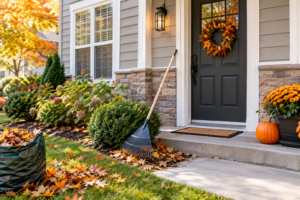
Fall is a wonderful time to enjoy your home and garden, but seasonal changes can also bring unwanted pests. Mice may find their way into storage areas, ants may follow food trails into kitchens, and cockroaches may gather around damp areas. Outside, slugs, snails, aphids, and caterpillars can continue damaging plants when conditions are favorable.
The good news is that you can prevent many pest problems with a few practical changes. Sealing entry points, storing food properly, repairing leaks, and keeping outdoor areas tidy can make your property less attractive to unwanted visitors.
In this guide, you’ll learn how to prevent common fall pests, recognize the difference between light and severe pest activity, choose useful prevention products, protect your garden, and know when professional pest control may be necessary.
Whether you live in a house, apartment, or property with a vegetable garden, these steps will help you prepare for seasonal pest activity without relying unnecessarily on pesticides.
Quick Answer: What Is the Best Way to Prevent Fall Pests?
The most effective approach is to combine exclusion, sanitation, moisture control, and regular inspections. These methods address the conditions that allow pests to enter your property and survive.
Start with these five steps:
- Seal entry points: Repair damaged screens and close suitable gaps around doors, windows, pipes, and foundations.
- Remove food sources: Store food and pet food securely, clean crumbs, and use garbage containers with tight-fitting lids.
- Control moisture: Repair leaks, improve ventilation, and eliminate standing water where practical.
- Reduce outdoor shelter: Manage fallen fruit, infested plant debris, and clutter near buildings.
- Monitor for warning signs: Look for droppings, gnaw marks, insect trails, damaged plants, and repeated pest sightings.
When pest activity is minor, simple prevention measures may be all you need. If the problem becomes more noticeable, adding suitable traps or carefully placed baits may help. For a serious infestation or one that keeps returning despite your efforts, consider contacting a qualified pest control professional.
Best Products for Fall Pest Prevention
The best product depends on the pest, the location, and whether you’re trying to prevent entry or control pests already present.These five product categories cover common household prevention and control needs. Amazon links allow you to compare available products, prices, specifications, and customer feedback before purchasing.
Affiliate disclosure: As an Amazon Associate, BugOffControl.com earns from qualifying purchases. If you buy through our links, we may earn a commission at no additional cost to you.
| Product | Best for | Main benefit | Limitation |
|---|---|---|---|
| Door sweeps and weatherstripping | Gaps beneath doors and around windows | Helps block pest entry and drafts | Must fit correctly and cannot repair major structural gaps |
| Copper mesh exclusion material | Certain irregular openings around pipes | Can help fill suitable gaps when installed correctly | Not suitable for every opening; may require a durable repair over it |
| Mouse snap traps | Confirmed mouse activity indoors | Provides targeted rodent control | Requires careful placement, inspection, and safe handling |
| TERRO liquid ant bait | Certain household ant species | Allows foraging ants to carry bait back toward the colony | Not effective for every ant species or situation |
| Ortho Home Defense insect control | Certain labeled indoor or outdoor insect problems | Offers a convenient option for listed pests | Formulations and permitted uses vary; not a universal preventive barrier |
Which product should you choose?
- To prevent pests from entering: Start with door sweeps, weatherstripping, suitable sealants, and structural repairs.
- If you find mouse droppings: Investigate entry points and consider appropriately placed snap traps.
- If ants are following a trail: Remove food sources and consider a bait labeled for the suspected ant and intended location.
- If insects repeatedly appear indoors: Identify the pest before purchasing an insecticide.
- If the infestation is widespread: Consider professional identification and treatment instead of buying several unrelated products.
For many households, exclusion and sanitation are the best first investments because they address the underlying causes of recurring pest problems.
Table of Contents
- Who this guide is for
- How serious is your pest problem?
- Why pests become a problem in fall
- 10 fall pest prevention tips
- Natural vs. chemical prevention
- How to use pest prevention products
- A seasonal prevention plan
- Common mistakes
- Frequently asked questions
Who Is This Fall Pest Prevention Guide For?
This guide is designed for homeowners, renters, gardeners, and property managers who want to reduce pest activity before it becomes a bigger problem.
It is particularly useful if you:
- Have noticed insects gathering near doors and windows.
- Want to reduce the chance of mice or rats entering your home.
- Store seasonal decorations, firewood, or gardening supplies.
- Grow vegetables, maintain ornamental plants, or have fruit trees.
- Prefer to start with practical, lower-risk prevention methods.
- Want to understand when traps, baits, or professional treatment may be needed.
Who is this guide not for?
General prevention advice may not be sufficient for an established bed bug infestation, suspected termites, extensive cockroach activity, recurring rodents in inaccessible wall cavities, or a wildlife problem that presents a safety risk.
These situations require pest-specific guidance. Termite damage, in particular, should be assessed promptly rather than treated as an ordinary seasonal nuisance.
If you suspect a serious infestation, seek qualified assistance instead of relying on general-purpose repellents or repeatedly applying pesticides.
How Serious Is Your Fall Pest Problem?
Before purchasing products, determine whether you’re dealing with an occasional visitor, a recurring problem, or a potentially serious infestation.
Light pest activity
Typical signs
- One or two insects near a window or exterior door.
- An isolated ant trail after a spill.
- No recurring droppings, gnaw marks, or significant damage.
What to do
- Identify the pest if possible.
- Remove food residues and accessible water sources.
- Repair damaged screens and close suitable gaps.
- Clean the affected area.
- Monitor for additional activity before deciding whether treatment is necessary.
Your goal: Prevent occasional visitors from becoming a recurring problem.
Moderate pest activity
Typical signs
- Repeated sightings over several days.
- Ant trails that return after cleaning.
- Fresh mouse droppings or gnaw marks.
- Repeated insects in cabinets, storage areas, or around plumbing.
- Several possible entry points or persistent moisture problems.
What to do
- Inspect the affected area and nearby rooms.
- Identify entry points, food sources, leaks, and hiding places.
- Correct sanitation and exclusion problems.
- Use suitable traps or species-specific baits where appropriate.
- Monitor activity and record where pests appear.
- Seek professional advice if activity persists or the source is inaccessible.
Your goal: Reduce active pest numbers, locate the source, and prevent reinfestation.
Severe pest activity
Typical signs
- Frequent sightings in multiple rooms.
- Numerous fresh rodent droppings, nesting material, or gnaw damage.
- Widespread insect activity or multiple recurring colonies.
- Damage to wiring, stored goods, or building materials.
- Continued pest activity despite appropriate control measures.
What to do
- Arrange a qualified pest inspection, especially for suspected termites or persistent rodents.
- Keep children and pets away from contaminated areas and pest-control products.
- Avoid scattering pesticides around the property without identifying the pest.
- Address entry points, leaks, sanitation problems, and structural defects.
- Follow appropriate cleanup and treatment guidance.
Your goal: Resolve the infestation, protect the property, and reduce the risk of recurrence.
These are practical screening categories, not a formal diagnostic scale. A single finding can justify prompt attention when the pest poses a significant risk, as with suspected bed bugs or termites.
Why Fall Pest Prevention Matters
Pests need food, water, shelter, and suitable environmental conditions. Seasonal changes can influence where they find these resources.
In temperate climates, cooling temperatures may encourage certain rodents and insects to seek sheltered locations. In warm, humid climates, including The Bahamas, pest activity may depend more on rainfall, humidity, food availability, and local temperatures than on a traditional autumn cold spell.
Common pests to watch for include:
- Mice and rats: May enter buildings through gaps in search of food or shelter.
- Ants: Follow food trails and take advantage of small openings.
- Cockroaches: Favor suitable food sources, moisture, and sheltered spaces.
- Spiders: May appear indoors while hunting other insects or seeking shelter.
- Stink bugs and certain beetles: Some species gather around buildings or shelter in protected spaces.
- Slugs and snails: Can thrive in damp garden conditions.
- Aphids and caterpillars: May continue damaging suitable plants when conditions allow.
Not every pest becomes more active in fall, and not every species attempts to enter homes. Correct identification helps you select the appropriate prevention method.
10 Fall Pest Prevention Tips for Your Home and Garden
1. Seal Entry Points Around Your Home
Closing suitable gaps is one of the most useful ways to reduce pest entry.
Inspect:
- Gaps beneath exterior doors.
- Damaged window and door screens.
- Openings around pipes and utility lines.
- Cracks around window and door frames.
- Gaps where siding meets foundations.
- Damaged vent covers and other exterior openings.
Mice can squeeze through surprisingly small openings. A gap around 6 mm (approximately 1/4 inch) may be large enough for a young mouse, depending on its size and the shape of the opening.
How to seal gaps
- Inspect the exterior of your property.
- Install suitable weatherstripping and door sweeps
- Seal appropriate stationary cracks with compatible materials.
- Use durable, rodent-resistant repairs for openings that mice could chew through.
- Check seals periodically for damage.
Never block required ventilation, drainage, or combustion-air openings. If you’re unsure about an opening, consult a qualified professional before closing it.
Related guide: How to Keep Mice Out of Cars in Winter.
2. Store Firewood Away From the House
Firewood piles can provide shelter for insects, spiders, and rodents. Stacking wood directly against a building also makes it easier for pests to reach the structure.
Whenever practical:
- Store firewood away from exterior walls; approximately 20 feet is a useful target when space permits.
- Keep the stack elevated on a suitable rack.
- Avoid stacking wood against siding, doors, or foundations.
- Bring inside only the amount of firewood you intend to use soon.
- Inspect logs before carrying them indoors.
Firewood can harbor insects even when it appears clean, so avoid storing large quantities inside living spaces.
3. Keep Kitchens and Food Storage Areas Clean
Food residues attract ants, cockroaches, mice, and rats. Small, repeated sources of food can sustain pest activity even when the rest of the kitchen looks clean.
Make these habits part of your routine:
- Wipe counters after preparing meals.
- Sweep or vacuum crumbs beneath appliances and furniture.
- Store dry food in tightly sealed containers.
- Clean grease and food residue from cooking areas.
- Avoid leaving dirty dishes overnight.
- Store pet food securely and remove uneaten portions.
- Use garbage containers with well-fitting lids.
If ants keep returning, follow their trail to find the entry point or food source. Spraying visible ants alone may not resolve the underlying problem.
Related guides:
4. Repair Leaks and Reduce Excess Moisture
Leaking pipes, wet cabinets, condensation, and standing water can create favorable conditions for certain pests.
Inspect:
- Under kitchen and bathroom sinks.
- Around washing machines and water heaters.
- Behind refrigerators where condensation collects.
- Bathrooms with poor ventilation.
- Roofs, gutters, and downspouts.
- Outdoor containers that collect rainwater.
Repair leaks promptly and improve ventilation where appropriate. A dehumidifier may help in persistently damp indoor spaces, but it cannot replace repairing the source of moisture.
Outside, empty containers that collect water and improve drainage where practical. Removing standing water also helps reduce mosquito breeding opportunities in suitable climates.
5. Protect Seasonal Decorations and Stored Belongings
Cardboard boxes, undisturbed storage areas, and piles of fabric can provide hiding places for pests. Rodents may also chew packaging to reach stored items.
Before packing away seasonal decorations:
- Inspect items for insects, droppings, and damage.
- Clean and dry decorations before storage.
- Use sturdy plastic containers with secure lids where practical.
- Avoid storing containers directly against damp walls.
- Check stored belongings periodically, especially in garages, sheds, and attics.
Plastic containers are not a guarantee against pests, but secure lids can make access more difficult than ordinary cardboard packaging.
6. Clean Up Garden Debris Without Removing Every Beneficial Habitat
Fallen leaves, dead plants, and discarded fruit can provide shelter or food for certain pests. However, leaf litter also supports soil health and beneficial organisms, so removing every leaf is unnecessary.
Use a balanced approach:
- Remove diseased plant material and heavily infested debris.
- Collect fallen fruit that attracts flies, ants, or rodents.
- Trim vegetation touching the building when it creates a pest pathway.
- Keep the immediate area around foundations reasonably clear.
- Manage compost to avoid creating a source of rodent food.
- Retain suitable leaf litter in garden areas where it supports beneficial wildlife and does not create a specific pest problem.
If rodents are active, avoid leaving dense piles of debris immediately beside buildings, sheds, or outdoor food-storage areas.
7. Protect Vegetable Beds and Ornamental Plants
Cool-season vegetables such as kale, cabbage, and broccoli can attract caterpillars, aphids, and other plant-feeding insects. In warmer climates, suitable pests may remain active well beyond the traditional fall season.
To reduce plant damage:
- Inspect the undersides of leaves and tender growing tips.
- Remove heavily infested leaves when practical.
- Use suitable floating row covers to exclude certain flying pests.
- Secure covers properly and account for pollination needs.
- Remove weeds that harbor identified pests near vulnerable crops.
- Rotate crops where practical and remove diseased plant material.
Row covers work best when installed before pests reach the crop. They are not suitable for every plant or pest, and they may exclude beneficial insects or interfere with pollination if used incorrectly.
Related guide: Natural Ways to Repel Garden Pests.
8. Manage Mulch, Ground Cover, and Dense Vegetation
Mulch helps retain moisture and protect soil, but excessive moisture and dense ground cover near buildings can provide shelter for some pests.
Follow these practices:
- Avoid piling mulch against exterior walls or siding.
- Keep soil and mulch below vulnerable building materials.
- Leave an appropriate gap around plant stems.
- Avoid persistently waterlogged beds.
- Trim vegetation that touches the building.
- Inspect sheltered areas for slugs, snails, and rodent activity.
There is no single mulch depth suitable for every plant and climate. Follow recommendations for your garden, and avoid creating a damp bridge between soil and vulnerable building materials.
Related guide: Natural Ways to Get Rid of Slugs in the Garden.
9. Harvest Produce and Remove Fallen Fruit Promptly
Overripe fruit and vegetables can attract fruit flies, ants, beetles, and other animals. Fallen produce may also provide food for rodents.
Walk through your garden regularly and:
- Harvest ripe produce promptly.
- Pick up fallen fruit.
- Remove rotting vegetables.
- Dispose of heavily diseased produce appropriately.
- Keep harvest baskets and storage containers clean.
- Inspect stored produce for insects and decay.
If you compost suitable garden waste, manage the pile so it does not become a source of rodent food or a persistent nuisance.
10. Monitor Pest Activity and Use Targeted Control When Needed
Prevention works best when paired with regular inspections. Check kitchens, bathrooms, garages, storage areas, garden beds, and likely entry points. Look for fresh droppings, gnaw marks, insect trails, shed insect skins, damaged leaves, and recurring sightings.
If you discover a problem:
- Identify the pest as accurately as possible.
- Determine whether the activity is occasional or recurring.
- Correct food, water, shelter, or entry-point problems.
- Select a product designed for the identified pest and intended location.
- Follow the product label and monitor the results.
Avoid applying several pesticides at once without a clear plan. More product does not necessarily mean better control, and unnecessary applications can increase risks to people, pets, wildlife, and beneficial insects.
Natural vs. Chemical Pest Prevention: Which Should You Choose?
There is no single pest control method that works best for every situation. The right approach depends on the pest you are dealing with, where it is appearing, how serious the problem has become, and what you want to achieve. In many cases, combining good prevention habits with a carefully chosen treatment provides a more practical solution.
| Pest Prevention Method | Best Used For | Things to Keep in Mind |
|---|---|---|
| Sealing entry points and repairing gaps | Helping keep mice, rats, and crawling insects out of buildings | Inspect the property carefully and seal suitable openings using materials appropriate for the location. |
| Cleaning and moisture management | Removing food scraps, standing water, and damp conditions that attract pests | These habits help discourage pest activity but may not resolve an infestation that is already established. |
| Traps | Monitoring and controlling certain rodents and insects | Choose a trap designed for the target pest, place it correctly, and check it regularly. |
| Baits | Controlling specific ants, cockroaches, and other pests named on the product label | Results depend on the pest species, bait formulation, placement, and whether competing food sources are available. |
| Pesticide sprays | Treating particular pests listed on the product label | Follow all label directions and precautions to reduce risks to people, pets, pollinators, and other non-target organisms. |
| Essential oils and plant-based repellents | Certain limited, situation-specific repellent applications | Effectiveness varies by product and pest. These options should not be assumed to provide dependable, lasting protection. |
| Biological and garden-based methods | Encouraging beneficial organisms and managing some outdoor pest problems | Success depends on the pest, local conditions, and the method selected. Some approaches work gradually rather than providing immediate control. |
The bottom line: Start with prevention wherever possible. Keep your home clean, manage moisture, remove pest hiding places, and close suitable entry points. If additional treatment is needed, select a method designed for the pest you have identified and use it according to its directions. Natural products are not automatically safer or more effective than conventional pesticides, so make your choice based on reliable information and the needs of your situation.
Are natural pest control methods always safer?
No. Natural does not automatically mean harmless. Essential oils can irritate people or harm pets, and concentrated plant-derived products can injure plants or aquatic organisms.
Diatomaceous earth can irritate the respiratory tract if dust is inhaled. Use only a product appropriate for the intended setting, follow its label, and avoid creating airborne dust around children, pets, or people with respiratory conditions.
Herbs such as rosemary, mint, and thyme can be useful garden plants, but planting them around a doorway should not be treated as a dependable substitute for sealing gaps or controlling an established infestation.
When should you consider pesticides?
A pesticide may be appropriate when the pest has been identified and nonchemical measures alone are insufficient.
Before buying or applying one:
- Confirm that the label lists the target pest.
- Check that the product is permitted for the intended indoor or outdoor location.
- Follow the application rate, placement, and frequency exactly.
- Keep people and pets away as instructed.
- Protect pollinators and other nontarget organisms.
- Never transfer pesticides to food or drink containers.
- Never mix products unless the label specifically directs you to do so.
If you live outside the United States, check local registration and use requirements as well as the product label.
How to Use Fall Pest Prevention Products Correctly
The best results come from matching the product to the problem rather than buying a general-purpose treatment for every pest.
Door sweeps and weatherstripping
Use these to close appropriate gaps around exterior doors and windows. Measure the opening, choose a compatible product, and install it so the door can still open and close properly.
Inspect the seal periodically for wear or gaps. Weather stripping cannot correct large structural openings or replace repairs to damaged walls and foundations.
Copper mesh and gap-filling materials
Copper mesh may help fill certain irregular openings, but installation must be appropriate for the material and location. Do not block ventilation, drainage, or access to equipment.
For larger rodent entry points, use a durable repair method suitable for the building material. Expanding foam alone may be chewed through and should not be treated as a dependable rodent barrier.
Mouse traps
Place snap traps where rodent activity has been confirmed, such as along likely travel routes and near signs of activity. Follow the manufacturer’s placement instructions and inspect traps regularly.
Keep traps inaccessible to children and pets. If rodent activity continues, investigate how mice are entering instead of relying on traps alone.
Ant bait
Use ant bait only when the product is suitable for the identified ant and intended location. Place it near an established trail where the label permits, while keeping it away from children, pets, food-preparation surfaces, and other prohibited areas.
Some baits work slowly because workers carry the bait back toward the colony. You may initially notice more ants around the bait. Avoid spraying repellent insecticides directly on or around bait placements unless the label specifically allows it, as this may interfere with bait uptake.
Insect-control sprays
Check the label for the exact pest and application site. Do not assume an indoor product can be used outdoors or that an outdoor product is suitable for kitchens, gardens, or food-growing areas.
Avoid spraying flowering plants or areas visited by pollinators unless the label specifically permits the use and the application can be made safely. Never exceed the labeled rate or frequency.
Protect Children, Pets, Pollinators, and Wildlife
Pest prevention should reduce unwanted pest activity without creating unnecessary risks for people, pets, or the surrounding environment.
Follow these precautions:
- Store pesticides and baits in their original containers and in secure locations.
- Keep children and pets away from traps, baits, and treated areas as directed by the label.
- Do not place rodent bait where pets or wildlife can reach it.
- Avoid applying pesticides near food, drinking water, or food-preparation surfaces unless the label specifically permits the use.
- Use garden treatments selectively to minimize exposure of pollinators and beneficial insects.
- Avoid inhaling dusts, sprays, or vapors.
- Follow all re-entry, ventilation, and cleanup instructions.
If a person or pet may have been exposed to a pesticide, follow the product’s emergency instructions and contact an appropriate medical, poison-control, or veterinary service promptly.
Your Four-Week Fall Pest Prevention Plan
You do not have to complete every task in one day. Spread the work across several manageable sessions.
Week 1: Inspect and seal
- Check doors, windows, screens, and utility openings.
- Repair suitable gaps.
- Inspect firewood and storage areas.
- Look for rodent droppings and insect entry points.
Week 2: Clean and organize
- Secure pantry items and pet food.
- Clean behind accessible appliances.
- Organize seasonal decorations.
- Reduce unnecessary clutter in pest-prone storage areas.
Week 3: Reduce outdoor attractants
- Collect fallen fruit.
- Inspect garden plants.
- Manage debris and compost.
- Check drainage, standing water, and vegetation touching the building.
Week 4: Monitor and follow up
- Recheck sealed gaps.
- Look for new droppings, trails, or damage.
- Evaluate whether traps or targeted treatments are needed.
- Arrange professional assistance for persistent or serious problems.
Adapt this schedule to your climate, property, and the pest species present. In warm and humid environments, moisture inspections and outdoor pest monitoring may need to continue throughout the year.
Fall Pest Prevention Checklist
Use this checklist to keep your home and garden on track.
Inside the home
-
Seal suitable gaps around doors, windows, and utility lines.
-
Repair damaged window and door screens.
-
Store food and pet food securely.
-
Clean crumbs, spills, and grease.
-
Repair plumbing leaks.
-
Inspect cabinets and storage areas for droppings or insect activity.
-
Store seasonal decorations in secure containers.
-
Monitor traps and baits according to their instructions.
Outside the home
-
Store firewood away from exterior walls where practical.
-
Remove fallen fruit and rotting produce.
-
Clear blocked drainage and address standing water.
-
Trim vegetation that creates a pest pathway into the building.
-
Manage mulch and compost appropriately.
-
Inspect garden plants for pests and damage.
-
Check exterior gaps and damaged vent covers.
-
Reinspect areas where pest activity has occurred.
Fall Pest Prevention Mistakes to Avoid
Even well-intentioned prevention can fail when it focuses on the wrong problem.
Using repellent instead of sealing an opening: A scent-based product cannot reliably stop rodents from entering through a gap.
Ignoring a recurring water leak: Treating visible insects without correcting persistent moisture may leave the underlying attraction in place.
Applying pesticides before identifying the pest: Different species respond to different control methods. Identification helps avoid unnecessary treatment.
Assuming one sighting proves an infestation: An isolated insect may have entered accidentally. Monitor the situation and look for additional evidence.
Waiting too long when rodent signs appear: Fresh droppings and gnaw marks deserve prompt attention, particularly near food, wiring, and stored goods.
Overusing insecticides in the garden: Broad or poorly timed applications can harm pollinators and beneficial insects. Use targeted methods and follow the label.
Assuming natural products are harmless: Plant-derived products and dusts can still present health and environmental risks.
Forgetting to check whether pests have returned: Prevention requires follow-up. Reinspect the original location and nearby entry points.
Frequently Asked Questions About Fall Pest Prevention
1. Why do pests enter homes in the fall?
In regions where temperatures decline, some pests seek sheltered places with suitable warmth, food, and moisture. Others may enter buildings because of available hiding places or favorable conditions. Timing varies by species and climate.
2. What are the most common fall pests?
Common examples include mice, rats, ants, cockroaches, spiders, certain beetles, and stink bugs. Garden pests such as aphids, caterpillars, slugs, and snails may also remain active when conditions favor them.
3. What is the best way to keep mice out of the house?
Seal appropriate entry points, store food securely, reduce clutter, and investigate signs of rodent activity. Use suitable traps when necessary and arrange professional help if activity is persistent or extensive.
4. Do natural pest repellents work?
Some products may repel particular pests under certain conditions, but results vary. Essential oils, herbs, and other natural products should not be relied on as universal or long-lasting solutions. Exclusion, sanitation, and targeted control are generally more dependable starting points.
5. When should I call a pest control professional?
Seek professional assistance for persistent or widespread infestations, suspected termites, recurring rodent activity, inaccessible nesting areas, significant damage, or situations involving health and safety concerns. A professional can identify the pest and recommend a suitable treatment plan.
6. How can I protect my fall vegetable garden from pests?
Inspect plants regularly, remove heavily infested material when appropriate, harvest produce promptly, and use suitable row covers where they will not interfere with pollination. Identify the pest before choosing a treatment.
7. Do stink bugs enter houses in the fall?
Some stink bug species gather around buildings and seek sheltered places as seasons change. Repair screens and seal suitable gaps. If stink bugs appear indoors, remove them carefully rather than crushing them, since some release an unpleasant odor.
8. Can mulch attract pests?
Mulch can provide shelter and retain moisture, creating favorable conditions for certain pests when placed or managed poorly. Keep it away from vulnerable building materials, avoid waterlogged conditions, and monitor areas with known pest activity.
9. How do I prevent cockroaches in the fall?
Remove food residues, store food securely, repair leaks, reduce clutter, and close suitable entry gaps. If cockroaches continue to appear, identify the species and use targeted baits or other labeled methods as appropriate. A substantial infestation may require professional treatment.
10. Is fall pest prevention necessary in warm climates?
Yes. Pest activity may follow different seasonal patterns in warm climates, but sanitation, exclusion, moisture management, and routine inspection remain useful throughout the year. Adapt the timing of prevention work to local weather and the pests present.
Final Thoughts: Prepare Your Home and Garden Before Pests Become a Problem
Fall pest prevention does not have to involve complicated treatments or a cupboard full of chemicals. Start by making your property less attractive to pests: close appropriate entry gaps, keep food secure, repair leaks, manage garden debris, and monitor for early signs of activity.
For a light problem, simple preventive steps may be enough. Moderate activity calls for closer inspection and targeted control, while severe or persistent infestations may require a qualified pest professional.
Choose products based on the pest you have identified, use them exactly as directed, and remember that prevention works best when you address the conditions that allow pests to thrive.
Ready to get started? Compare the prevention products above, inspect your home and garden, and tackle the areas that need attention first. Consistent maintenance can help protect your property through fall and throughout the rest of the year.
More Pest Control Guides
Continue learning with these related BugOffControl.com resources: