
How to Control Drywood Termites
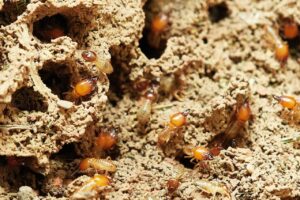
Termites are one of the most destructive pests that can cause damages into the hundreds and thousands of dollars, the termite population is vast. There are said to be some “2000 termite species that vary in size, shape, and behavior. Of these species of termites, one of the more common ones that do damage to homes and building structures is drywood termites. A single colony of drywood termites is estimated to be around 4,800, these types of termite species live entirely inside of the wood and do not make contact with the ground, unlike subterranean termite colonies. It’s said that in the “US alone drywood termites cause more than five billion in damage annually”.
Drywood termites do not feed on soft moist wood but as the name denotes these termites feed on the cellulose of drywood, their eating pattern is consuming the grain of the wood which is damaging and dangerous to homes and building structures. If you’re having termite issues but need proper identification and control measures to put an end to their destruction then this guide is here to provide the information that will help reduce and bring complete control to the drywood termite population.
Drywood Termites LifeCycle
The female lays her eggs, after the eggs hatch into larvae goes through 3 molts, the young begin the process of separating into castes. Some molt into presoldiers, that resemble soldiers but are unsclerotized being white. Others become nymphs, which will eventually develop into winged reproductives or alates. Other nymphs once molted become the worker class or the colony, taking care of excavating galleries and keeping the soldiers fed, drywood termites continue to develop into alates if a need arises in their colony.
Drywood Termite Identification
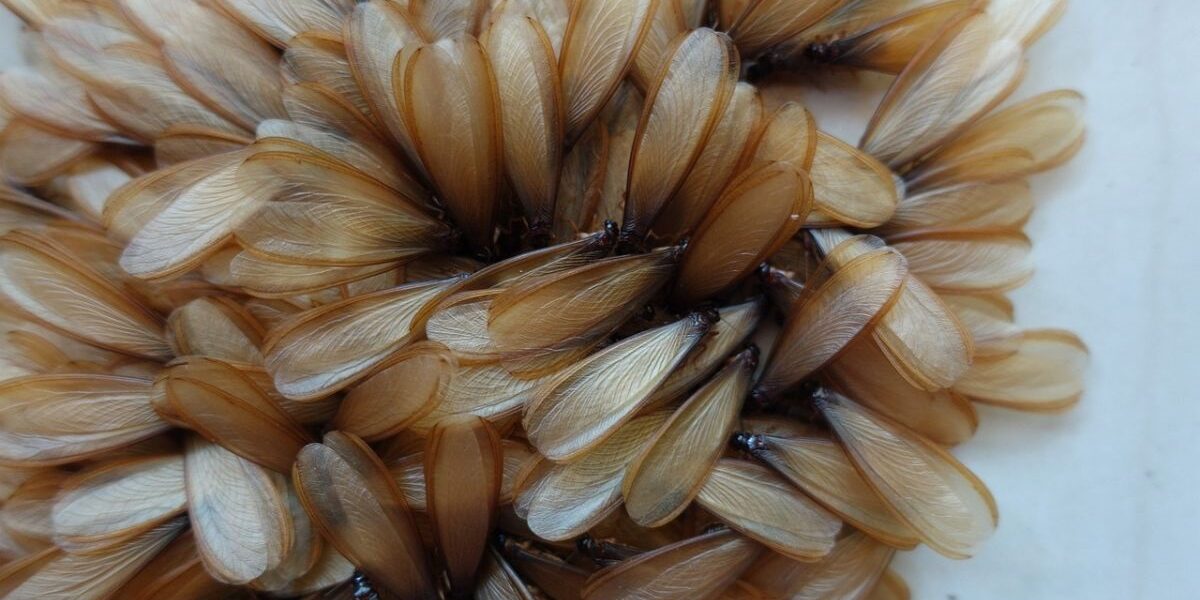
To the untrained eyes drywood termites are mistaken for ants, but here is how to identify a drywood termite, a drywood termite is usually pale brown even though it can vary between dark brown and light, yellowish tan. Their wings are translucent or Smokey gray, and they possess two sets of wings forewings and hind wings that are equal in length. They have mandibles that protrude from their head segment, these termite species have a distinctive pattern of veins on their forewings making their identification easier.
Termites Vs Ants Identification
- Termites have thick waists but ants have noticeably small waists.
- Termites have straight antennae but ants have bent antennae or clubbed.
- Termites have short legs but the legs of ants are longer.
- The wings of termites are the same length but the front wings are longer than the back wings.
Drywood Termite Damage
Here are signs that you may have drywood termite issues.
- Sounds of clicking noises, these sounds are made either when feeding or to alert the colony of danger.
- Frass are the droppings of termites as these termites work their way through your home by feeding they excrete frass kicking it out of the tunnel. The Frass results in a powder substance that is dark in color, with small black marks buildup around the infected area.
- The flying termites can be seen.
- The wood takes on a hollow sound because they eat from the inside out they leave a very tiny layer of wood or just the paint. If the wood of parts of your home sounds papery or tin when knocked on may be a sign that you have drywood termite infestation.
- Signs of white ants-like insects, with a cream-colored body. or just the wings
- Mud Tubes are small, pencil-sized tunnels made by worker termites made of small pieces of soil, wood, and the termite’s saliva located around termite nests, wood structures, and concrete or stone foundations. The tubes that are constructed are dark brown.
Note: It is best to consider calling first a professional company to do the job for you.
How to Control Drywood Termites
- Wood injections- involve injecting insecticides into small holes that are drilled into the infected wood. This localized treatment gets to the source of the infestation and is effective in killing them.
- Fumigation- is a method that involves covering your property with a tent and releasing a predetermined amount of fumigant into the infected areas of the house.
- Micro Electrocution- is a method used to treat drywood termites however this process is dangerous and can cause damage to property if not done correctly.
- Heat treatment is the process of heating up the infected areas that are infested with termites. This method will kill the colony.
- Cold treatment is the process of controlling the temperature, liquid nitrogen is applied to the infected areas to lower the temperature to a point the infestation cannot survive.
- Once the termite colony is spotted you want to replace the damaged wood and treat the area with a product known as Bora-Care. This product should be mixed in a bucket of warm water with a power drill, the product should be thoroughly mixed with the water. Pour the mixture into a sprayer and spray the wood until it gets wet. Spray up in the artic and behind sheetrock, Bora-Care will penetrate the wood and kill the termites as they feed. Expose Wood underneath your home can also be sprayed provided you have access. Next, apply Fipro Aerosol foam into termite galleries’ that are exposed. Along fireplaces, windows, doors, cracks crevices, and voids.
How to Prevent Drywood Termites
- When building use termite-resistant materials for example Bald Cypress and Spanish Cedar are naturally resistant to termites.
- If You’re having a new home built pretreat the wood with specific termite insecticides to prevent termites.
- Remove tree stumps because termites are attracted to them.
- Fences that are rotting should be removed, also remove wooden structures that are old and rotting.
- If you’re storing mulch and firewood keep them at least 20 feet away from the perimeter of your home.
- Do an inspection and apply Bora-Care to all exposed wood and up in the artic, also to the exterior to the floor joist
- Install red-eyed termite stations to the exterior of your home, once a month monitor the red eye to see if it’s still visible. If the red eye drops that’s an indication that termites are feeding. Inject Fipor aerosol into the station and spray a generous amount of this aerosol to get deep into the termite galleria.
10 Frequently Asked Questions (FAQs)
1. What exactly are drywood termites?
Drywood termites are tiny pests that live and feed inside dry wood — and do not need to make contact with soil! They don’t build mud tubes like subterranean termites and are often found in wooden furniture, door frames, attics, or walls. Because they hide inside wood, they’re harder to detect and treat.
2. How do I know if I have a drywood termite problem?
Look for tiny piles of wood-colored pellets (termite droppings), hollow-sounding wood, or blistering paint. If you tap on wood and it sounds hollow or you notice small holes, it’s time to take action. Unlike other termites, drywood termites don’t always swarm in the open, so signs can be subtle.
3. Can I treat drywood termites myself, or do I need a pro?
Spot treatments and termite sprays might help in early stages, but because these termites live inside wood, DIY solutions often miss the mark. For major infestations, it’s best to call a licensed pest control pro. They can assess the extent and recommend the right treatment — like fumigation or localized injection.
4. What’s the most effective treatment for drywood termites?
Fumigation is often the gold standard for widespread infestations. It involves sealing the home and using gas to penetrate all infested wood. For smaller infestations, heat treatment, orange oil, or direct chemical injection into the wood can work well. Your termite specialist will guide you based on severity and location.
5. Is fumigation safe for my family and pets?
Yes — when done professionally, fumigation is safe. However, you’ll need to vacate your home for a couple of days during the process. Afterward, the house is thoroughly ventilated before anyone re-enters. Your pest control team will give you all the prep steps so everything goes smoothly.
6. How long does drywood termite treatment last?
It depends on the method used. Fumigation offers a clean slate and can last for many years if preventive measures are taken afterward. Spot treatments may need to be repeated if termites return. Ongoing monitoring is key to long-term protection.
7. Can drywood termites come back after treatment?
Unfortunately, yes. Like most pests, they can return if entry points aren’t sealed or infested wood remains untreated. After treatment, it’s smart to fix any exposed or damaged wood, seal cracks, and consider a regular inspection plan to keep your home termite-free.
8. What’s the difference between drywood and subterranean termites?
Great question! Subterranean termites live underground and build mud tubes to access wood, while drywood termites live entirely inside the wood they consume. Drywood colonies are smaller and harder to detect, but both types can cause serious damage if left unchecked.
9. Is orange oil really effective for drywood termites?
Orange oil (which contains d-limonene) is a popular eco-friendly option that can kill termites on contact. It’s great for localized infestations, especially in furniture or small wood structures. But it might not reach hidden colonies deep within large beams or walls — that’s where stronger methods may be needed.
10. How can I prevent drywood termites from infesting my home?
Prevention is all about vigilance! Seal cracks and crevices, keep wooden items off the ground, inspect furniture before bringing it indoors, and schedule regular termite inspections. If you live in area that is termite prone, implementing these steps can save you thousands in repairs down the line.
Conclusion
Termites are a nightmare to homes and building structures, their presence should not be ignored but steps should be taken to reduce and eradicate their population, I have seen the destruction of termites on many occasions. Following this guide will help to control drywood termites and give you the results you’re looking for. Why should these pests cause you hundreds or thousands of dollars in damage when you can put an end to their reign by striking back?




Hi Norman,
Thank you for the detailed post on treating drywood termites. It’s great to have a variety of treatment options explained so clearly, from wood injections to fumigation and more natural methods like heat treatment. I recently noticed some frass near my window sill, which makes me suspect a termite presence. In your experience, which treatment method would you recommend as the most effective yet least disruptive to a household?
Thank you for your work and for sharing this valuable information!
Best,
Makhsud.
Wood injections- involve injecting insecticides into small holes that are drilled into the infected wood. This localized treatment gets to the source of the infestation and is effective in killing them. I hope this helps.
When I saw that my parents were paying an annual fee for termite control, I thought that it was a waste of money. That is until I experienced a termite infestation of my own. It’s amazing the amount of damage that these small creatures can cause. When you see the actual damage, it is a rude awakening.
You give great advice on how to recognize these destructive pests. I had to research to see if what I saw actually was termites, and they definitely were. If you can’t control them on your own, then I would highly suggest hiring a pest-control company that knows how to deal with them. Without proper control, these creatures can destroy a home in just a few years.
You are right termites can cause damages into the hundreds or thousands so quick action should be taken to bring control.