
A Complete Guide for Gardeners and Farmers
If you grow sweet corn, you know how frustrating corn earworms can be. These pests can destroy an entire harvest if left unchecked. But here is the good news: controlling corn earworm is possible with the right strategy. This guide will show you everything you need to know about corn earworms, from identifying them early to preventing future infestations. By the end, you will be ready to protect your corn and enjoy a healthy, pest-free crop.
What Are Corn Earworms?
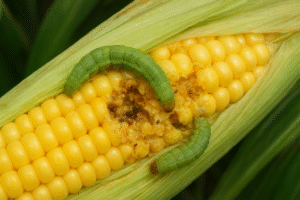
Corn earworms (Helicoverpa zea) are moth larvae that target sweet corn, field corn, and other crops. They are also known as tomato fruitworms and cotton bollworms because they attack several plants. Adult moths lay eggs on corn silks, and when the eggs hatch, the larvae tunnel into corn ears to feed on kernels. This causes significant damage.
Corn earworms are one of the most destructive pests for corn growers. They can affect both large-scale farms and backyard gardens. The earlier you identify and manage them, the better your harvest will be.
How to Identify Corn Earworms
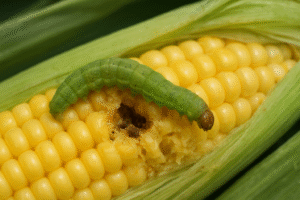
Before you control them, you must know what they look like. Corn earworm larvae can vary in color from green to brown to pink, with light and dark stripes along their bodies. They grow up to 1.5 inches long. You might see them feeding on corn silks or inside the tips of the ears.
The adult moths are tan-colored with a wingspan of about 1.5 inches. You might not notice the moths, but monitoring for eggs and early larvae is crucial.
Why Controlling Corn Earworm Matters
If left untreated, corn earworms can ruin most of your corn crop. The larvae chew through kernels, leaving behind waste and making the corn unappealing and unsafe to eat. Infested ears also invite mold and secondary pests. Early control saves time, money, and your harvest.
Best Practices for Controlling Corn Earworm
Let’s explore proven methods to keep corn earworms away from your crop. The most effective strategy is a combination of monitoring, prevention, and treatment.
1. Start With Prevention
Healthy plants are less vulnerable. Follow these steps:
- Plant early: Early planting can help you avoid peak corn earworm season.
- Choose resistant varieties: Some corn varieties have tighter husks that make it harder for earworms to get inside.
- Rotate crops: Avoid planting corn in the same spot each year. Crop rotation disrupts pest cycles.
2. Monitor for Moths and Eggs
Use pheromone traps to track adult moth activity. When you see an increase in moths, prepare for egg laying. Regularly inspect corn silks for tiny white eggs. Early detection allows you to act before larvae damage the corn.
3. Apply Biological Controls
Beneficial insects can help keep earworm populations low. Lacewings, lady beetles, and parasitic wasps prey on eggs and larvae. Consider releasing these predators in your garden. This is a natural way to reduce pest pressure.
4. Use Safe Insecticides
If infestations are severe, you may need to use insecticides. Look for organic options like Bacillus thuringiensis (Bt) or spinosad. These are safe for humans and beneficial insects when applied correctly. Spray silks every two to three days while moth activity is high.
5. Protect Ears Physically
You can place small paper or cloth bags over developing corn ears to keep moths from laying eggs on the silks. This works best in smaller gardens.
6. Harvest Early
Harvest corn as soon as it reaches maturity. The longer it stays in the field, the higher the chance of infestation.
Integrated Pest Management (IPM) for Corn Earworms
An Integrated Pest Management (IPM) approach works best. This combines cultural, biological, and chemical methods to keep pest numbers low while protecting the environment. IPM includes:
- Monitoring with pheromone traps
- Using beneficial insects
- Applying targeted insecticides only when needed
- Practicing crop rotation and good field hygiene
This holistic approach ensures long-term success.
FAQs About Controlling Corn Earworm
1. What is the best way to prevent corn earworms?
The best prevention is a combination of early planting, crop rotation, and monitoring for moths. Adding beneficial insects to your garden can also reduce egg and larval survival.
2. Do corn earworms only attack corn?
No. Corn earworms can also attack tomatoes, peppers, beans, and other crops. They are highly adaptable pests.
3. Are chemical insecticides safe for corn?
Yes, but they should be used carefully. Choose options labeled safe for food crops, follow directions, and avoid spraying when pollinators are active.
4. What are natural ways to control corn earworm?
Natural control methods include releasing beneficial insects, using Bt sprays, and bagging corn ears to keep moths away.
5. When should I spray Bt for corn earworm?
Spray Bt on fresh silks every two to three days during peak moth activity. This ensures larvae are exposed when they first hatch.
6. Do corn earworms survive winter?
In warmer regions, yes. They can overwinter as pupae in the soil. In colder regions, they migrate north each season.
7. How do pheromone traps help?
Pheromone traps attract male moths, helping you track their population levels. When you see an increase in trap catches, you know it is time to take action.
8. Can I eat corn that has earworm damage?
Yes, if the damage is small. Simply cut off the affected portion. However, heavily infested ears are best discarded.
9. Will crop rotation alone stop corn earworms?
No, but it reduces the number of overwintering pupae in the soil. Use it along with other methods for the best results.
10. Is handpicking earworms effective?
For small gardens, yes. Regularly check ears and remove any larvae you find.
Conclusion
Controlling corn earworm is not as hard as it may seem. With early detection, preventive measures, and a mix of natural and chemical controls, you can protect your crop. Remember to monitor moth activity, spray Bt or spinosad at the right time, and harvest early. By using an Integrated Pest Management plan, you will enjoy healthy, delicious corn with minimal damage.
Start applying these tips today, and you will see a huge difference in your harvest. Your corn will thank you, and so will your taste buds!