
Giant House Spiders: How to Identify, Prevent, and Safely Remove These Common Pests
Giant house spiders are one of the most misunderstood and often feared pests found in homes across the globe. With their large size and fast movements, it’s easy to see why people might feel uneasy around them. But in reality, these spiders are usually harmless and play a beneficial role in controlling other pests in your home. If you’ve encountered one of these eight-legged creatures in your living space, don’t panic! In this article, we’ll explore how to identify a giant house spider, how to prevent them from entering your home, and how to safely remove them if you prefer them to stay outside.
What Is a Giant House Spider?
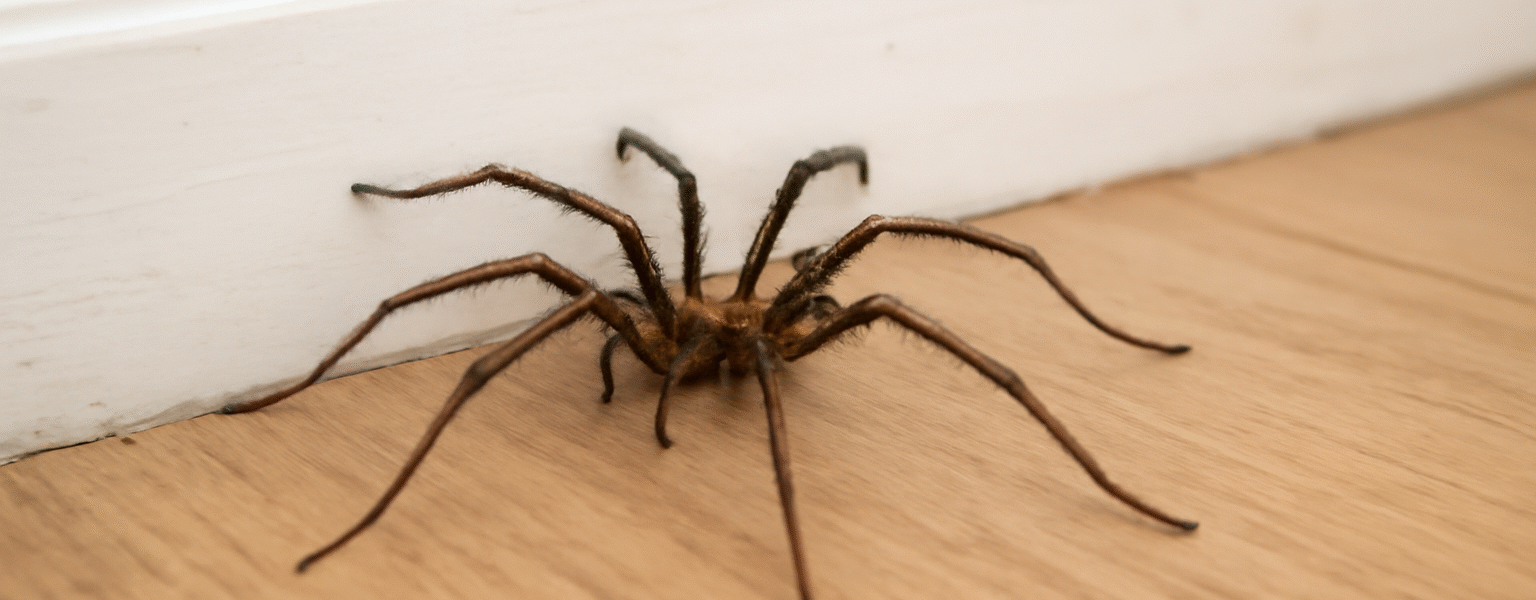
The giant house spider (Eratigena atrica) is a common species found in homes across Europe, North America, and parts of Asia. These spiders are often mistaken for other, more dangerous species due to their large size. However, they are generally not aggressive toward humans. In fact, they are more likely to avoid you than engage in any confrontation.
Physical Characteristics of a Giant House Spider:
-
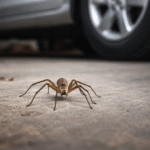
Size: These spiders can grow to be quite large, with leg spans of up to 4 inches (10 cm). While they are not the largest spiders in the world, their size can make them appear intimidating.
-
Color: They typically have a brown or grayish-brown body with darker markings, often featuring a pattern on their abdomen.
-
Legs: Their legs are long and spindly, covered in fine hairs that help them sense vibrations in the air.
Habitat and Behavior
Common house spiders love quiet, hidden spots in homes and other buildings where they can go undisturbed. You’ll often find them in basements, attics, garages, sheds, or tucked away in corners of walls and ceilings. Outside, they prefer places like under rocks, boards, or in gardens where they can find plenty of insects to snack on. These spiders enjoy creating webs in areas that are out of the way, which is why you’ll often see their webs in corners, behind furniture, or around window frames.
Are Giant House Spiders Dangerous?
One of the main reasons people fear giant house spiders is because of their size and fast movements. However, despite their intimidating appearance, these spiders are generally harmless to humans. Their bites, although they can occur if they feel threatened, are not life-threatening. The venom is mild and rarely causes more than a localized reaction, such as slight swelling or redness. In most cases, a bite from a giant house spider will heal on its own without medical intervention.
It’s also important to note that these spiders are not aggressive. They typically prefer to scurry away when faced with a threat, rather than engaging in a fight. Most of the time, they’re simply looking for food (like other insects) and a safe place to hide.
How to Identify a Giant House Spider
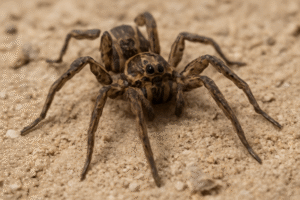
Identifying a giant house spider is relatively easy once you know what to look for. Here are the key features to help you spot one:
-
Large Size: As mentioned earlier, these spiders can have leg spans of up to 4 inches, making them quite large compared to other household spiders.
-
Distinct Markings: Look for a brown or gray body with a darker, striped pattern on their abdomen.
-
Spindly Legs: The legs of a giant house spider are long and thin, giving them a somewhat spindly appearance.
-
Speed: If you spot a spider quickly scurrying across the floor, there’s a good chance it’s a giant house spider, as they are known for their fast movements.
If you’re still unsure whether you’ve encountered a giant house spider or a similar species, it’s always a good idea to consult an expert or pest control professional who can help with identification.
How to Prevent Giant House Spiders from Entering Your Home
While giant house spiders are generally harmless, most people would prefer not to share their living space with them. Fortunately, there are several ways you can prevent them from entering your home:
-
Seal Cracks and Gaps:
Check the exterior of your home for cracks and gaps around windows, doors, and the foundation. Use caulk to seal any openings to prevent spiders from entering. Be sure to also check around vents, pipes, and other potential entry points. -
Use Spider Repellents:
There are several natural spider repellents that can help keep giant house spiders at bay. Essential oils such as peppermint, lavender, and citrus are known to deter spiders. You can mix a few drops of these oils with water in a spray bottle and apply it to areas where spiders are commonly seen. -
Keep Your Home Clean and Tidy:
Spiders are more likely to invade homes that provide plenty of hiding places. Regularly vacuuming your home, especially in dark corners and behind furniture, will help remove spider webs and eggs. Keeping your space clutter-free will make it less attractive to spiders. -
Remove Food Sources:
Spiders enter homes in search of food, which typically consists of other insects. By keeping your home free of other pests, you reduce the likelihood of attracting giant house spiders. Consider using natural pest control methods to keep insects in check. -
Install Screens on Windows and Doors:
Ensure that all windows and doors are equipped with tight-fitting screens to prevent spiders from crawling inside. This is especially important during the warmer months when spiders are more active.
How to Safely Remove a Giant House Spider
If you’ve already found a giant house spider in your home and want to remove it, here are some safe methods to consider:
-
Use a Glass and Paper:
One of the easiest and safest ways to remove a spider is to trap it in a glass. Simply place a glass over the spider, then carefully slide a piece of paper under the glass. Once the spider is contained, you can release it outside. -
Vacuuming:
If you’re not comfortable getting close to the spider, you can use a vacuum cleaner to suck it up. Make sure to empty the vacuum bag or canister immediately afterward, as the spider may crawl out if left inside. -
Spider Catcher Tools:
There are specialized tools available that allow you to catch and remove spiders without touching them. These tools have long handles and a gentle grip to safely capture the spider and relocate it outside. -
Call a Professional:
If you’re unsure how to handle a large spider or you’re dealing with an infestation, it’s best to contact a pest control professional. They can safely remove the spider and provide advice on preventing future encounters.
10 Frequently Asked Questions (FAQs) About Giant House Spiders
1. Are giant house spiders poisonous?
Giant house spiders are not poisonous to humans. Their venom is not dangerous and usually causes only mild irritation if bitten.
2. How do I know if I have a giant house spider in my home?
Look for a large, brown or gray spider with a leg span of up to 4 inches. They are fast-moving and tend to hide in dark, undisturbed areas.
3. Can a giant house spider bite me?
While it is possible, giant house spiders will not bite unless they feel threatened. Their bites are rarely harmful and typically cause only mild swelling or redness.
4. Why do giant house spiders come inside?
They come inside in search of food (other insects) and a safe place to hide. They are most active at night.
5. How can I prevent giant house spiders from entering my home?
Seal cracks, use spider repellents, keep your home clean, and remove other pests to make your home less inviting for spiders.
6. What should I do if I find a giant house spider?
If you find one, use a glass and paper to trap it, then release it outside. Alternatively, you can vacuum it up or use a spider catcher tool.
7. Do giant house spiders spin webs?
Yes, giant house spiders build webs, but they tend to live in secluded areas, such as basements or attics, where their webs are less noticeable.
8. Are giant house spiders dangerous to pets?
Giant house spiders are generally harmless to pets, but it’s always best to monitor your pets to ensure they don’t ingest or play with spiders.
9. How long do giant house spiders live?
Giant house spiders can live for up to two years, though they typically only spend a few months in your home during their active season.
10. Can I use pesticides to get rid of giant house spiders?
While pesticides can kill spiders, they are not always effective for long-term control. It’s better to focus on prevention methods and natural solutions.
Conclusion
While giant house spiders might seem intimidating at first, they are generally harmless and play an important role in controlling pests in your home. By understanding how to identify them, preventing them from entering your living spaces, and knowing how to remove them safely, you can coexist with these spiders without causing them harm. And remember, if you ever feel uncomfortable or overwhelmed by their presence, pest control professionals are just a phone call away to help you manage the situation.
By following these tips, you can keep your home spider-free and enjoy a peaceful, pest-controlled living environment.





This article does an excellent job of breaking down the mystery and fear surrounding giant house spiders. It’s refreshing to see such a clear, balanced explanation that focuses not only on identification but also on their surprisingly helpful role in keeping other household pests under control. The guidance on how to prevent them from entering your home is practical and easy to follow, especially the reminders about sealing cracks, reducing clutter, and removing insect food sources. I also appreciate the calm, step-by-step tips for safely removing a spider without harming it — perfect for anyone who wants them outside but prefers not to get too close. The FAQ section is incredibly useful, addressing the most common concerns with straightforward reassurance. Overall, this is a thoughtful, informative resource that helps turn fear into understanding while giving readers real tools to manage these fast-moving visitors.
Thanks so much for your kind words, it is so good to know that I can help and also to take the fear out of house spiders. This guide will help to bring complete control to ensure you have a pest free home.