
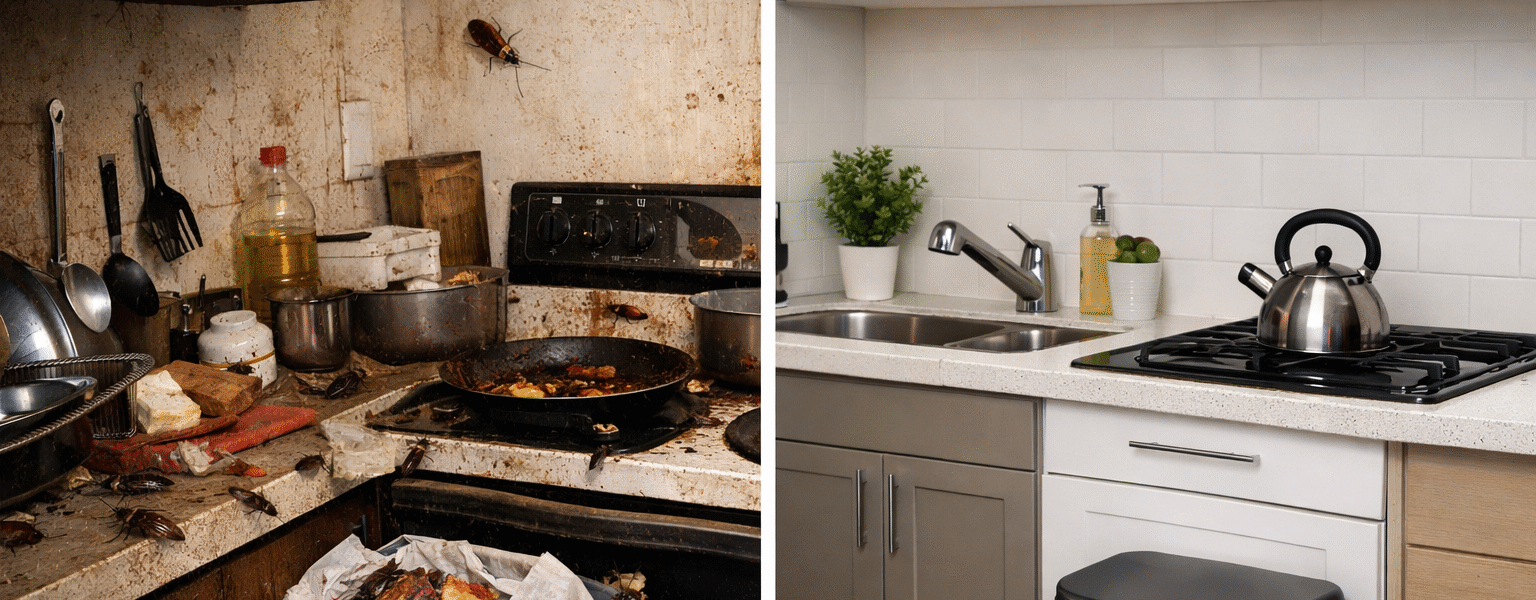
How to Effectively Control the German Cockroach Population in Your Home
Why Are German Cockroaches a Concern?
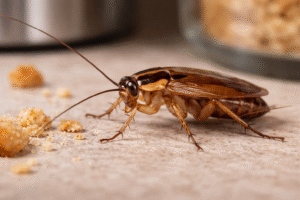
German cockroaches are small, light brown insects with distinctive black stripes running down their heads. They are highly adaptable, living in areas where food, water, and shelter are abundant. These roaches spread harmful bacteria such as salmonella, staphylococcus, E. coli, and cholera, as well as viruses like the polio virus. Their excrement and carcasses contribute to a foul odor that can lead to allergic reactions and trigger asthma, particularly in children.
With about 4,600 species of cockroaches, the German cockroach is one of the most common in residential areas. Because of their rapid breeding cycle and ability to thrive in almost any environment, it’s essential to implement control measures immediately.
Where to Look for German Cockroaches
German cockroaches are small—typically 1/2 to 5/8 inch long—with light brown or tan bodies and two black stripes running behind their heads. While they have wings, they prefer running quickly rather than flying.
They thrive in warm, dark, and moist environments, often hiding in places like:
-
Under sinks
-
Behind appliances (e.g., refrigerators and stoves)
-
Inside kitchen cabinets, especially the corners
-
Cracks in walls and foundations
-
Laundry rooms and bathrooms
If you notice pepper-like fecal pellets around these areas, it’s a clear sign of an infestation. A chemical flushing agent can help temporarily drive the roaches out of hiding, allowing you to identify their active harborage spots.
Preventive Measures for German Cockroaches
1. Outdoor Sanitation
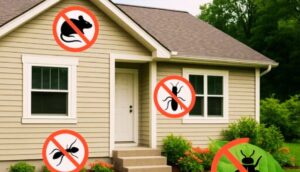
To keep cockroaches from invading, start by cleaning up your outdoor environment. Make sure your trash cans are tightly sealed and garbage is disposed of regularly. Avoid leaving debris or food scraps outside, as these can attract pests.
2. Indoor Sanitation
Keeping your indoor living space clean is crucial. Cockroaches are attracted to food, moisture, and shelter. Clean your kitchen thoroughly, including areas often overlooked such as:
-
Inside and behind the stove
-
Beneath the refrigerator
-
Cracks and crevices in cabinets and counters
Also, keep food stored in sealed containers, and regularly clean under kitchen appliances, where food particles can accumulate.
3. Exclusion: Seal Entry Points
German cockroaches can enter your home through tiny cracks and gaps. To prevent this, inspect:
-
Door and window screens (replace if torn)
-
Cracks in walls and foundations (seal with silicone caulk)
-
Gaps around plumbing and electrical pipes
-
Vents, air ducts, and dryer vents
For larger openings, use expandable foam or concrete patches. Even wood bundles brought in for fireplaces can harbor roaches, so inspect these carefully before bringing them indoors.
4. Tightly Sealed Containers and Food Packages
Always store dry foods in tightly sealed containers. If food packaging is torn, transfer the contents to sealed jars or bags. This prevents roaches from gaining access to food sources.
5. Repair Leaky Pipes and Water Sources
Cockroaches need water to survive. Repair any leaky faucets or pipes immediately. Don’t allow water to accumulate in containers or sinks.
6. Secure Trash Cans
Ensure trash cans have tight-fitting lids to prevent odors from attracting cockroaches. Dispose of trash regularly and keep the area around trash bins clean.
7. Keep Your Home Tidy
A clean home is less inviting to pests. Wipe down counters, clean dishes promptly, and eliminate any greasy build-up on stovetops and floors. Regularly vacuum and remove any food scraps from the floor.
8. Inspect Used Furniture and Appliances
Before bringing second-hand furniture or appliances into your home, carefully inspect them for signs of cockroaches or their eggs.
9. Dry Sinks and Bathtubs
Cockroaches and other pests are attracted to moisture. Always dry your sinks, tubs, and other water sources after use to eliminate their water supply.
Using Insecticides and Roach Baits
Gel Baits: Consider using gel baits like Advion Cockroach Gel Bait or Maxforce FC. Apply small drops in areas where cockroaches are likely to travel, such as behind appliances and in kitchen cabinets. These baits are highly effective because the roaches ingest the poison and carry it back to their nest, affecting other roaches.
Insecticides: Non-repellent insecticides like Alpine WSG mixed with an Insect Growth Regulator (IGR) like Tekko Pro can also be effective. Apply these products in areas with high roach activity.
Monitor Traps: Set up monitoring traps in suspected cockroach areas. These will help track the infestation’s progress. If roach activity persists, repeat the treatment after 14 days.
FAQ: 10 Most Common Questions About German Cockroaches
1. What Are German Cockroaches?
German cockroaches are small, light brown insects with two black stripes behind their heads. They are notorious for spreading diseases and triggering allergic reactions due to their rapid reproduction rate.
2. How Do German Cockroaches Get Into My Home?
These pests often hitch a ride on grocery bags, cardboard boxes, or used appliances. Once inside, they hide in warm, humid places such as kitchens and bathrooms.
3. What’s the Fastest Way to Get Rid of German Cockroaches?
Deep cleaning followed by the application of gel baits is the most effective way to eliminate German cockroaches. Baits are especially powerful because they spread poison throughout the roach population.
4. Do Bug Sprays Work on German Cockroaches?
Bug sprays can kill roaches on contact but aren’t effective for eliminating infestations. Baits and dusts that target hidden roaches are a more effective long-term solution.
5. Are Natural Remedies Effective?
Yes! Diatomaceous earth and boric acid can help control cockroaches naturally. You can also make homemade traps with sugar and baking soda.
6. Why Are German Cockroaches Hard to Get Rid Of?
They breed quickly and hide in hard-to-reach places, making them challenging to eradicate. Cockroaches have also developed resistance to certain insecticides.
7. Where Do German Cockroaches Hide?
Roaches love dark, warm, and moist environments, such as behind appliances, inside cabinets, or behind baseboards.
8. How Long Does It Take to Get Rid of German Cockroaches?
You may start seeing fewer roaches within a week, but complete eradication can take several weeks, especially with DIY methods.
9. How Can I Prevent German Cockroaches from Coming Back?
Maintain cleanliness, seal cracks and gaps, repair leaks, and store food properly. Always keep your kitchen and bathroom tidy to discourage roaches from returning.
10. Should I Call a Professional?
If DIY efforts aren’t working or the infestation is severe, it’s best to call a pest control expert. They have access to more effective treatments and can provide long-lasting results.
Conclusion
German cockroaches are a serious problem that can cause health issues and damage to your home. Whether you’re dealing with an existing infestation or want to prevent one, these steps will help you keep your home safe and pest-free. If the problem persists, don’t hesitate to call a professional pest control service for assistance.





Hi there
Very interesting article there
You are absolutely right, ignoring the presence of roaches can lead to significant health hazards and rapid population growth. With their ability to spread diseases and multiply quickly, even a single roach sighting should be taken seriously. From emitting foul odors to harboring harmful bacteria and viruses, these pests pose a threat to both health and hygiene.
Thanks for your guidance in helping readers to see the importance of taking proactive measures to control roach populations, especially the notoriously resilient German cockroach, is essential to safeguarding homes and communities from potential infestations and associated health risks.
Very enlightening reading
I am so happy to help, lest do what we can to maintain a pests free environment!
Hey buddy, how about the ‘Washington DC Roach’! Just kidding! This is a very informative article and well summarized. I found two areas you mentioned that I had overlooked when checking for sources of Roaches and other insects. What do you think is the best way to eliminate roaches that are coming from the filthy living conditions of your neighbors? Thank you for this article.
Hello and thanks so much for stopping by and commenting, With neighbors who don’t practice sanitary conditions is more challenging but the key is to ensure that your living conditions are always clean which will ensure that if one or two roaches visit your premises you will not have an outbreak or an infestation. I would rather deal with one or two roaches that wander from my neighbor’s yard than to have to deal with an outbreak because my living conditions are the same as my neighbors. I hope this helps.