
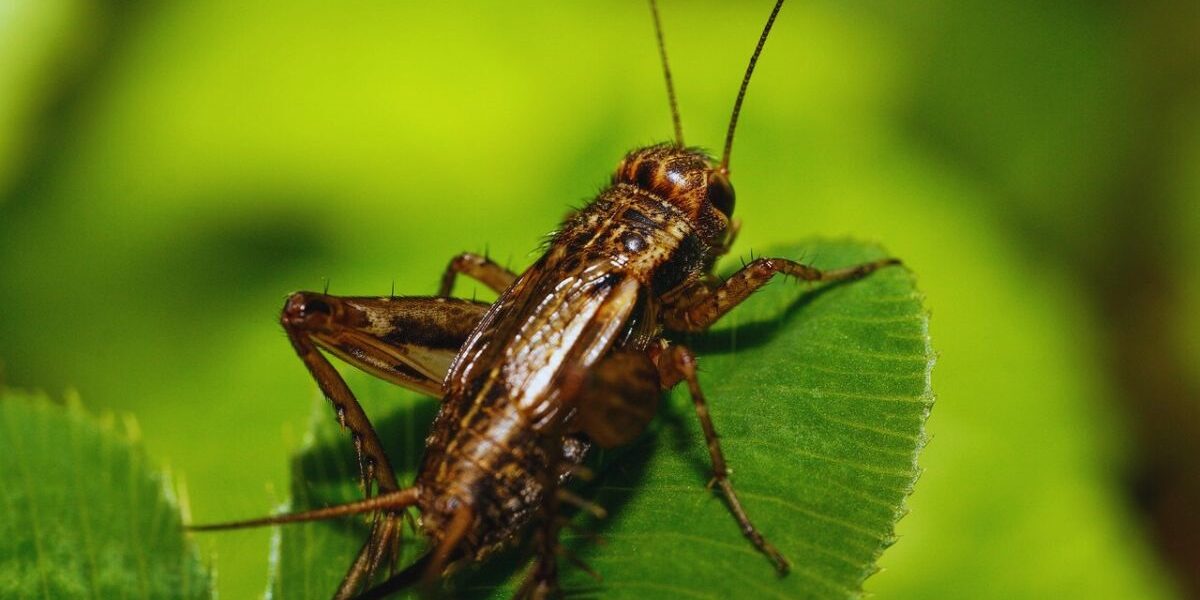
How to Exterminate Crickets: The Ultimate Homeowner’s Guide
Crickets might seem harmless at first, and their chirping can even be a little relaxing — at least for a while. But once they invade your home, they quickly turn into a noisy nuisance. Some species can even chew through fabrics, paper, and furniture, causing significant damage. If you’ve noticed these pests hopping around, it’s time to learn how to exterminate crickets before the problem gets worse.
There are nearly 2,400 species of crickets worldwide, all belonging to the Gryllidae family. These jumping insects are found almost everywhere on the planet and are easily recognizable thanks to their long antennae, powerful hind legs, and the males’ distinctive chirping sound. Crickets thrive in many habitats — from grassy fields and forests to caves, bushes, beaches, and even your backyard.
Indoors, they seek out dark, damp, and quiet spots where they can hide and stay safe from predators. While they’re common in most tropical and temperate areas, they’re rarely found in extreme cold regions or remote islands.
In this guide, we’ll walk you through exactly how to exterminate crickets using safe, effective methods. You’ll learn what attracts them, where they hide, and the best solutions to eliminate them and keep them from coming back — so you can enjoy a quiet, cricket-free home again.
Why Crickets Become a Problem
Crickets are usually outdoor insects. They prefer warm, damp, and dark areas where they can hide during the day. When the weather cools down or food becomes scarce, they sneak inside homes. Once inside, they reproduce quickly, making the problem worse.
Apart from the annoying chirping at night, crickets can damage belongings and attract predators like spiders. Acting fast will help stop a full-blown infestation.
House Crickets
House crickets get their name for a reason — they can easily adapt to indoor living and even survive inside year-round. These crickets are found all across the United States, especially east of the Rocky Mountains. Adults grow about ¾ to 1 inch long and are yellowish-brown with three distinct dark stripes across their heads. Their antennae are long and slender, often stretching longer than their bodies!
When the weather is warm, house crickets are happy to stay outdoors. But once the temperatures drop in the fall, they start looking for a warm place to spend the winter — and your home makes the perfect hideout. Inside, they’re usually found in cozy, damp spots like kitchens, basements, and bathrooms. Since they’re nocturnal, you probably won’t spot them much during the day.
When it comes to food, house crickets aren’t picky. Outside, they’ll nibble on plants and even other insects (dead or alive). Indoors, they’re known to snack on paper, fabric (like wool, cotton, and silk), as well as fruits and veggies you might leave out.
How to Know If Crickets Have Moved Into Your Home
Crickets love cozy, damp spots where they can feel safe. Things like pet food and water bowls, a bowl of fruit left on the counter, or even a leaky pipe can be an open invitation for them to come inside. Piles of clutter inside or outside your home can also attract crickets because they provide plenty of hiding spots.
The first sign of crickets indoors is usually sound, not sight. These little guys are night owls, so you’ll probably hear their signature chirping after dark if they’re around. To track them down, take a look under sinks, near trash cans, in basement closets, or anywhere dark and damp where they might be hiding out.
Step-by-Step Guide to Exterminate Crickets
1. Identify the Problem Areas
Crickets hide in basements, crawl spaces, kitchens, and garages. Try to locate them at night with the use of a flashlight. Check behind furniture, in closets, and near baseboards. Listening for chirping will also help locate them.
2. Clean and Declutter Your Home
Crickets love hiding in clutter. Remove piles of newspapers, cardboard, and laundry from the floor. Sweep and vacuum regularly. Clean up crumbs and food spills quickly to reduce their food source.
3. Reduce Moisture
Crickets are drawn to moisture. Fix leaky pipes, seal cracks near windows, and use a dehumidifier in damp rooms. Keeping the air dry will make your home less attractive to them.
4. Seal Entry Points
Inspect your home for cracks, gaps, and holes around windows, doors, and the foundation. Seal them with caulk or weatherstripping. Install door sweeps to keep pests out.
5. Use Sticky Traps
Sticky traps are effective for catching crickets. Place them in areas where you see activity, such as corners and near walls. This helps reduce the population and shows you where they are coming from.
6. Apply Insecticide (When Necessary)
If traps and cleaning aren’t enough, use a cricket-specific insecticide. Choose sprays or bait products labeled for indoor use. Follow all safety directions carefully. For heavy infestations, consider calling a professional pest control service.
7. Outdoor Control
Crickets often come from your yard. Mow the lawn regularly and remove tall grass and weeds near the house. Keep firewood, mulch, and debris away from the foundation. Outdoor treatments such as perimeter sprays can keep crickets from reentering.
Natural Ways to Get Rid of Crickets in Your Home
If you would rather skip harsh chemicals, there are plenty of safe and natural ways to send cricket packing. Here are some of the best methods to try:
1. Set sticky traps: glue traps or sticky boards, and another easy chemical-free option, place them in dark, moist areas like basements or behind appliances, and they will catch crickets. (And other stray bugs) in no time.
2. Sprinkle Diatomaceous Earth: Diatomaceous Earth is a natural, kid and pet-friendly safe powder that works wonders on crickets. When insects walk through it, the powder dehydrates them. Sprinkle powder along baseboards, around cracks, and even outside near the foundation for an effective barrier.
3. Make Simple Molasses Traps: Crickets have a sweet tooth! Mix 3 tablespoons of molasses with 2 cups of water and pour it into shallow containers or jars. Place them in problem areas-crickets will climb in, get stuck, and won’t make it back out.
4. Use Essential Oils: Crickets can’t stand the smell of peppermint! Mix a few drops of peppermint essential oil with water in a spray bottle and mist areas where crickets like to hide. Undersinks, in the basement and near doors or windows. The strong scent will cause them to move along.
5. Vacuum Hiding Spots: After spotting crickets, grab your vacuum and clean up the areas where you have seen them. This helps to remove eggs and droppings, so you won’t have another wave of crickets moving in. Just make sure to empty the vacuum into an outdoor trash can right away.
6. Try Chili Powder Spray: Spicy scents are another great cricket repellent. Combine chill powder with 2 cups of water and a few drops of dish soap, then spray the mixture around your home’s entry points, near plants, and in the soil to keep crickets away.
7. Let Your Pets Help: If you have a cat or playful dog, they may be able to assist with the control of crickets. Your cat or dog’s instinct will kick in, and they will happily chase down these little hoppers. Another idea is to attract birds by setting up a bird feeder in your yard. Birds are natural predators of crickets.
Prevention Tips
Once you’ve exterminated crickets, prevention is key:
- Keep your home dry and well-ventilated.
- Maintain a clutter-free environment.
- Regularly inspect your home for cracks and gaps.
- Store food in sealed containers.
- Keep outdoor lights to a minimum, as they attract crickets at night.
10 Frequently Asked Questions (FAQs)
1. Why are crickets so loud at night?
Male crickets chirp to attract females, and they are most active at night. The quiet environment makes their calls easier to hear.
2. Are crickets dangerous?
Crickets are not harmful to humans, but they can damage fabrics, paper, and furniture. They may also attract predators like spiders.
3. How do I know if I have a cricket infestation?
Hearing constant chirping, seeing crickets during the day, or noticing damaged fabrics are all signs you may have an infestation.
4. Do natural remedies work for crickets?
Yes, diatomaceous earth, soap sprays, and vacuuming are effective natural methods. However, larger infestations may still need chemical treatment or professional help.
5. What smell keeps crickets away?
Essential oils like peppermint, lemon, and cedarwood can deter crickets. Spray a diluted solution around entry points for best results.
6. How long will it take to get rid of crickets?
This depends on the severity of the infestation. Small problems may be resolved in a few days, while larger infestations could take weeks with consistent treatment.
7. Can crickets live in walls?
Yes. Crickets often hide inside walls, especially near warm pipes or insulation. Sticky traps and insecticide dusts can help control them.
8. Will crickets go away on their own?
Usually not. Once they find food and shelter inside your home, they are likely to stay until removed.
9. Are glue traps safe for pets?
Most glue traps are safe when placed out of reach of pets. Always check labels and keep traps in areas where pets cannot access them.
10. When should I call a professional?
Call a pest control expert if you’ve tried DIY methods for a few weeks and still see or hear crickets. Professionals have stronger treatments that work faster.
Conclusion
Crickets might seem harmless at first, but they can become an annoying and destructive problem when left unchecked. By cleaning your home, sealing entry points, reducing moisture, and using traps or insecticides, you can quickly get rid of them. Don’t forget to take steps to keep them from coming back. With consistent prevention, you can enjoy a quieter, cricket-free home.
Ready to take action? Start by inspecting your home tonight and setting traps in key areas. The sooner you act, the sooner you can enjoy a peaceful night’s sleep without the constant chirping.

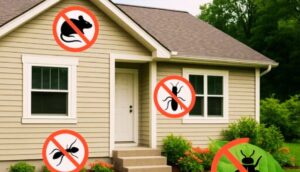




Hearing crickets chirping in the middle of the night can drive you crazy, especially when one somehow ends up in the basement and echoes through the whole house. We had an infestation one summer and found out leaving damp laundry and pet food bowls around was basically a cricket spa. Do you have any luck with sticky traps or diatomaceous earth for indoor crickets, or are targeted sprays the only thing that really works? I ended up vacuuming up the stragglers and sealing gaps around the foundation with caulk to keep them out, but I hate to resort to harsh chemicals because of our cats. Someone told me molasses traps (a shallow dish of molasses and water) can lure them – have you tried that? I also wonder if getting rid of outdoor debris and keeping the yard trimmed makes a big difference in preventing them from multiplying near the house. Thanks for any advice – those chirps are charming outside but not so much when you’re trying to sleep!