Tiny Black Bugs in the Kitchen: 7 Possible Insects
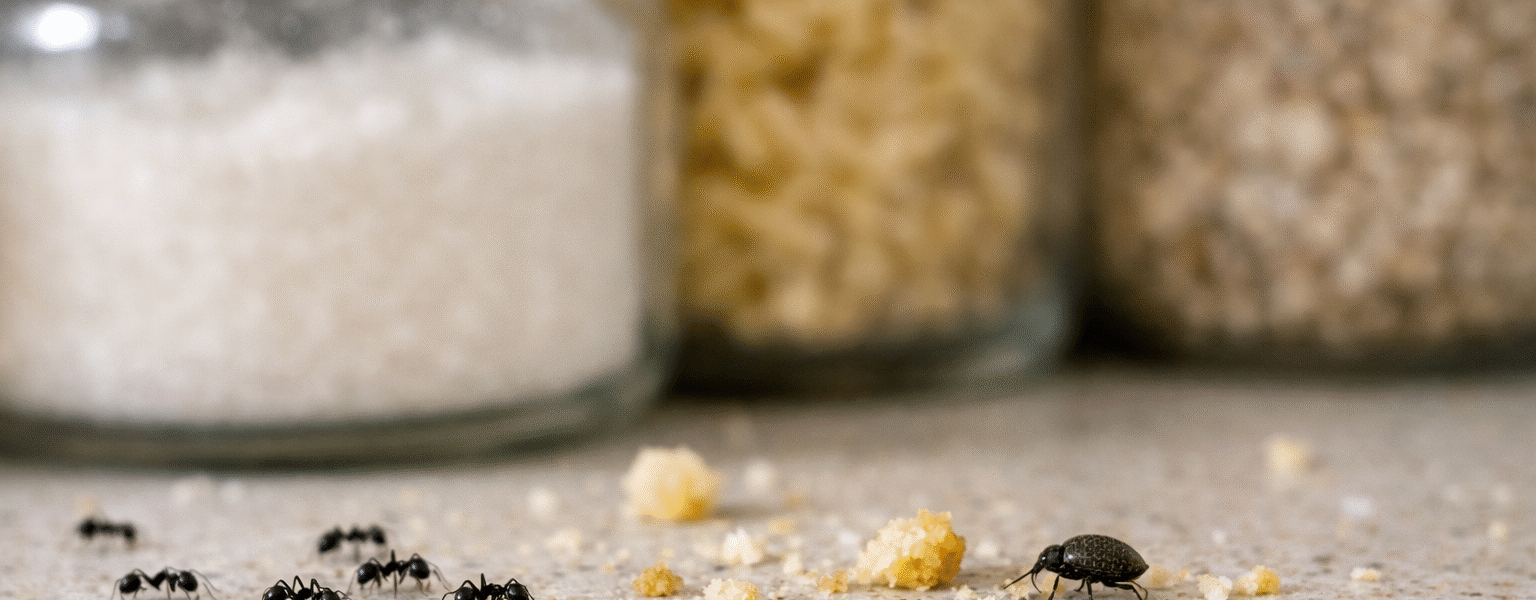
Spotting tiny black bugs in the kitchen can be annoying. Your counters may look perfectly clean, yet suddenly you notice little dark specks moving near the sink or wandering around the pantry shelves. Even a few of these pests can quickly catch your attention.
At that point, most people start wondering the same thing: What are these bugs and why are they in my kitchen? It’s a common concern, especially when the insects appear out of nowhere.
Fortunately, many small kitchen insects are harmless and fairly easy to manage once you figure out what they are. Still, they can multiply fast if left alone. In this guide, you’ll discover:
-
The 7 most common insects that look like tiny black bugs in the kitchen
-
Why they appear in kitchens
-
Simple methods to control them
-
Prevention tips to stop them from coming back
Let’s start by understanding why these pests show up in the first place.
Affiliate Disclosure: This page contains affiliate links. If you buy through my links, I may earn a small commission at no extra cost to you.
As an Amazon Associate, I earn from qualifying purchases.
Why Are There Tiny Black Bugs in the Kitchen?
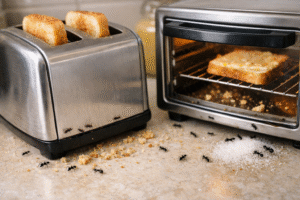
Kitchens attract insects because they offer three things bugs love:
-
Food crumbs
-
Moisture
-
Warm shelter
Even a clean kitchen can attract pests if tiny food particles or moisture are present.
For example:
-
Crumbs under appliances
-
Spilled sugar or flour
-
Wet sponges
-
Damp drains
-
Open pantry items
As a result, insects quickly find these food sources and move in.
Fortunately, once you identify the pest, you can take the right steps to remove it.
7 Possible Insects That Look Like Tiny Black Bugs in the Kitchen
Several insects can appear as tiny black dots crawling around your kitchen. Below are the most common ones.
1. Ants
Ants are one of the most common tiny black bugs found in kitchens.
They usually enter homes searching for food. Even the smallest crumb can attract them.
Signs of ants
-
Small black insects moving in a line
-
Ant trails along counters or walls
-
Ants near sugar, honey, or crumbs
Where they hide
-
Under cabinets
Once ants find food, they leave a scent trail so other ants can follow.
2. Grain Weevils
Grain weevils are tiny pantry pests that infest stored foods.
They are usually dark brown or black and extremely small.
Foods they infest
-
Rice
-
Flour
-
Pasta
-
Cereal
-
Beans
Often, people unknowingly bring them home from the grocery store.
You may notice them crawling inside food containers or near pantry shelves.
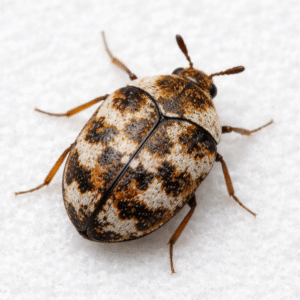
3. Carpet Beetles
Carpet beetles sometimes wander into kitchens.
Although they usually live in carpets or furniture, they may appear near food or windows.
Identification
-
Very small black oval-shaped insects
-
Slow-moving
-
Often found near windows
Carpet beetles are attracted to natural fibers, crumbs, and pet hair.
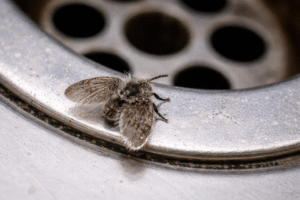
4. Drain Flies
Drain flies are tiny insects that often appear near sinks.
They look like small dark bugs resting on walls or counters.
Common locations
-
Kitchen sinks
-
Garbage disposals
-
Floor drains
-
Dishwasher drains
These insects breed in organic buildup inside drains.
If you see several tiny bugs near the sink, drain flies could be the cause.
5. Fungus Gnats
Fungus gnats look like tiny flying black insects.
They usually appear around plants or damp soil.
Where they come from
-
Overwatered houseplants
-
Damp organic material
-
Moist soil
While fungus gnats mostly live in soil, they may fly around the kitchen.
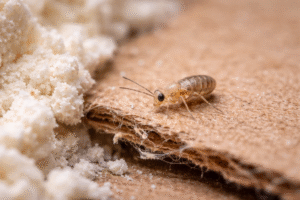
6. Booklice
Booklice are extremely tiny insects that thrive in humid environments.
Despite the name, they do not bite people.
Where they appear
-
Cardboard food packaging
-
Damp cabinets
They feed on mold and organic debris.
Therefore, high humidity often triggers an infestation.
7. Springtails
Springtails are tiny insects that jump when disturbed.
They are commonly found in moist areas of the kitchen.
Common hiding spots
-
Under sinks
-
Around leaking pipes
-
Near damp cabinets
Although harmless, large numbers can become annoying.
Methods to Control Tiny Black Bugs in the Kitchen
Once you identify the pest, controlling them becomes much easier. Fortunately, several simple solutions can remove most infestations.
1. Deep Clean the Kitchen
Cleaning is the first and most important step.
Start by removing food particles and sticky residue.
Focus on:
-
Countertops
-
Under appliances
-
Pantry shelves
-
Cabinet corners
Use warm water and mild soap.
Additionally, wipe surfaces with vinegar or disinfectant to remove scent trails left by ants.
2. Seal Food Properly
Open food packages attract many pests.
Instead of storing food in bags, transfer items into:
-
Airtight glass containers
-
Plastic storage bins
-
Sealed pantry jars
This step helps prevent weevils, ants, and beetles.
3. Empty Trash Regularly
Kitchen trash is a major insect magnet.
Make sure to:
-
Empty trash daily
-
Use bins with tight lids
-
Clean the inside of the garbage can weekly
Even small food residue can attract insects.
Use Natural Pest Control Methods
⚠️ SAFETY NOTE: While cleaning, never mix bleach with vinegar or ammonia. Combining these common household cleaners creates toxic chlorine or chloramine gas, which is extremely dangerous to inhale. Always use one product at a time and rinse thoroughly before switching.
4. Clean Kitchen Drains
Drains often hide organic buildup where insects breed.
To clean drains:
-
Pour boiling water into the drain
-
Add baking soda and vinegar
-
Scrub the drain with a brush
Regular cleaning helps prevent drain flies and other pests.
5. Fix Moisture Problems
Moisture attracts many insects.
Check your kitchen for:
-
Leaking pipes
-
Damp cabinets
-
Standing water
-
Wet sponges
Fix leaks quickly and keep surfaces dry.
6. Use Natural Pest Control Methods
Many homeowners prefer natural solutions.
Some effective options include:
Vinegar spray
Mix equal parts vinegar and water.
Spray surfaces to deter ants.
Diatomaceous earth
This natural powder kills crawling insects.
Sprinkle it in cracks and under appliances.
Lemon or citrus cleaners
Strong citrus scents repel some insects.
7. Set Traps if Necessary
If bugs persist, traps can help reduce their numbers.
Examples include:
-
Sticky traps for gnats
-
Pantry moth traps
These tools help eliminate hidden pests.
How to Prevent Tiny Black Bugs in the Kitchen
Prevention is always easier than dealing with an infestation.
Follow these simple habits to keep your kitchen bug-free.
Keep surfaces clean
Wipe counters daily and remove crumbs.
Store food in airtight containers
This prevents pantry pests from spreading.
Reduce humidity
Use ventilation fans or dehumidifiers if needed.
Check groceries before storing
Inspect rice, flour, and grains for pests.
Take trash out regularly
Do not let food waste sit overnight.
Seal cracks and entry points
Use caulk to close small gaps where insects enter.
When these habits become routine, kitchen pests rarely return.
Frequently Asked Questions (FAQs)
1. What are the tiny black bugs in my kitchen?
They could be several insects, including ants, weevils, carpet beetles, drain flies, fungus gnats, booklice, or springtails. Identifying the bug helps determine the best control method.
2. Are tiny black kitchen bugs dangerous?
Most tiny kitchen bugs are harmless. However, pantry pests like weevils can contaminate food, and ants can quickly spread through the home.
3. Why do tiny black bugs appear suddenly?
Insects often appear when they find food or moisture. For example, crumbs, damp areas, or open food containers can quickly attract pests.
4. How do I get rid of tiny black bugs fast?
Start with a deep kitchen cleaning. Then remove food sources, seal pantry items, and clean drains. In many cases, these steps eliminate the problem quickly.
5. Can tiny bugs come from pantry food?
Yes. Pantry pests like grain weevils often arrive inside rice, flour, cereal, or pasta packages purchased at the store.
6. Do tiny black bugs live in kitchen drains?
Some insects, especially drain flies, breed inside organic buildup in drains. Regular drain cleaning helps prevent this issue.
7. Are tiny kitchen bugs attracted to sugar?
Yes. Many insects, especially ants, are attracted to sugar, syrup, honey, and other sweet foods.
8. Can humidity cause tiny bugs in the kitchen?
Yes. High humidity encourages insects like booklice, springtails, and fungus gnats. Keeping the kitchen dry helps prevent infestations.
9. Should I throw away food if I see bugs in the pantry?
If food is infested with insects, it is best to discard it. Then clean the pantry thoroughly before storing new items.
10. When should I call pest control?
If the infestation continues despite cleaning and prevention steps, professional pest control may be necessary.
Conclusion
Finding tiny black bugs in the kitchen can feel alarming at first. However, the problem is usually easy to solve once you identify the pest.
In most cases, these insects appear because they found food, moisture, or shelter in your kitchen.
Fortunately, simple steps such as cleaning surfaces, sealing food containers, fixing moisture problems, and cleaning drains can eliminate the problem quickly.
Even better, regular maintenance keeps these pests from returning.
By following the control and prevention tips in this guide, you can keep your kitchen clean, safe, and pest-free all year long.