
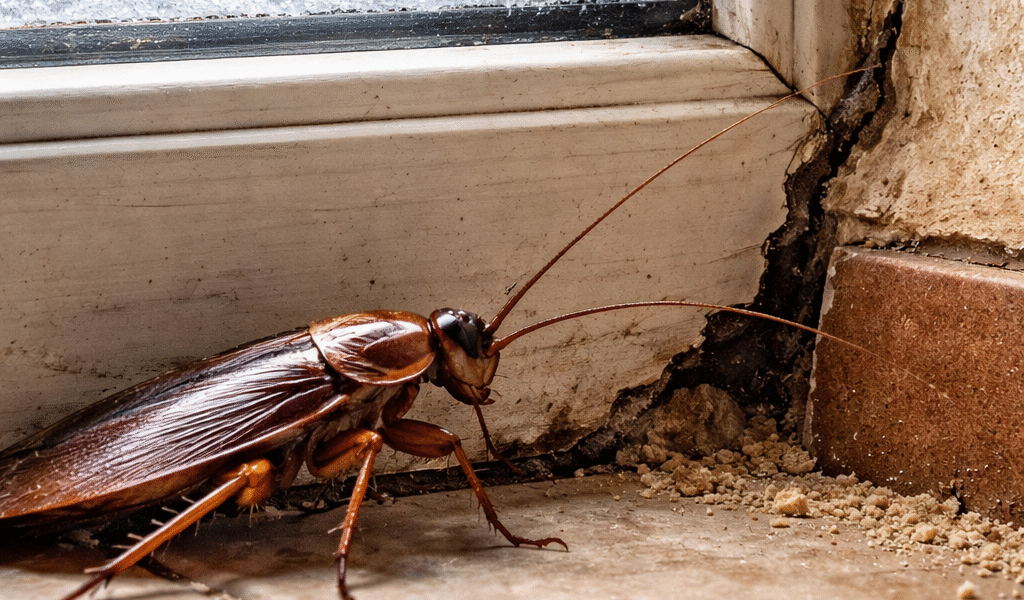
Will Roaches Die in the Winter? Methods to Prevent & Control Them
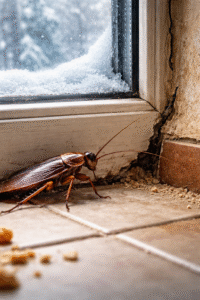
Winter is here, and while many of us are bundling up inside our homes to avoid the chill, there’s one guest that doesn’t care about the dropping temperatures: the cockroach. If you’ve ever thought can roaches survive the cold winter months?” or if they’re still lurking in your home during colder months, you’re not alone. Roaches are incredibly resilient creatures, and winter doesn’t necessarily spell the end for them. However, there are ways to manage and prevent roach infestations, even in the colder months.
In this article, we’ll explore whether roaches survive the winter, how to prevent them from entering your home, and the best control methods to keep them away during winter and beyond. Plus, we’ll answer some frequently asked questions to ensure you’re fully equipped to handle your roach problem this season.
Will Roaches Die in the Winter?
The short answer: no, cockroaches won’t die just because winter rolls around. These hardy pests are excellent survivors and adapt well to colder weather. In fact, most cockroach species, especially the Germanand American roach, can survive winter in warm environments, such as your home.
Why Do Cockroaches Survive Winter?
Cockroaches are cold-blooded, meaning they can’t regulate their body temperature. However, they can survive the winter by finding warmer areas to live, like inside your house. In colder climates, they’ll seek shelter in basements, attics, or behind walls, staying close to food and moisture sources. The warmth of indoor heating systems makes your home the perfect winter refuge.
Some cockroaches, such as the German roach, even thrive in environments that are slightly warmer than what we might consider comfortable. Their ability to hide in dark crevices, along with their tendency to enter homes in search of food and water, helps them survive harsh weather.
How Can You Tell If Roaches Are in Your Home During Winter?
Roaches are stealthy, and their presence is not always obvious. However, you can spot signs of infestation during winter:
-
Unusual Odors: Roaches emit a musty, oily scent that becomes more noticeable when the population grows.
-
Droppings: Tiny, dark specks in areas where food is stored or near cracks and crevices are a telltale sign.
-
Egg Cases: Roaches leave behind egg casings, which are typically about the size of a grain of rice and can be found hidden in cupboards or behind appliances.
-
Visible Roaches: Though they are nocturnal, cockroaches may become more visible at night, especially if they are in search of food or warmth.
How to Prevent Roaches in the Winter
Roaches may thrive indoors in winter, but there are several ways to prevent them from invading your home. By taking the right steps, you can discourage cockroaches from setting up shop in your space.
1. Seal Entry Points
The first step in preventing wintertime roach invasions is to seal up any cracks, gaps, or holes in your home’s exterior. Roaches can slip through tiny openings, so inspect areas like:
-
Around windows and doors
-
Gaps around pipes or wires entering your home
-
Cracks in walls, especially those near the ground
-
Vents and exhaust fans
Use weather stripping, caulk, or sealant to close these gaps and prevent roaches from entering.
2. Maintain Cleanliness
Cockroaches are scavengers, and they’ll seek out food crumbs and spills, even in the dead of winter. To make your home less appealing to these pests, keep your kitchen and dining areas clean. Here’s how:
-
Wipe down counters and tables after meals
-
Store food in airtight containers
-
Don’t leave pet food out overnight
-
Take out the trash regularly
By eliminating food sources, you discourage roaches from entering your home in search of sustenance.
3. Control Moisture Levels
Roaches need water to survive, so reducing moisture in your home can help keep them away. Check for any leaks under sinks, around toilets, or near windows and repair them promptly. You can also use a dehumidifier in damp areas like basements and bathrooms to reduce moisture levels.
4. Use Roach Traps
If you’re dealing with a mild infestation, sticky traps can be a simple and effective way to catch roaches. Place these traps in areas where you’ve noticed activity, like behind the fridge, near trash bins, or under sinks. This will help you monitor the situation and potentially capture some of the pests.
5. Consider Natural Repellents
There are several natural methods you can try to keep roaches at bay. While these methods may not entirely eliminate an infestation, they can act as deterrents. For example:
-
Bay Leaves: Roaches hates the strong scent that bay leaves emits. Placing a few dried bay leaves in your pantry or cupboards can help keep them away.
-
Citrus: Cockroaches dislike the smell of citrus. Spraying a mixture of water and lemon juice around areas where roaches are active can be effective.
-
Essential Oils: Oils like peppermint, eucalyptus, and tea tree oil are known to repel roaches. Try mixing a few drops with water in a spray bottle and apply it around your home.
Control Methods for Winter Roaches
Even with preventative measures, you may still encounter a roach problem in the winter. If so, these control methods can help you eliminate the issue:
1. Cockroach Baits
Baits are one of the most effective ways to control a roach infestation. These products attract roaches, and when they eat the bait, they ingest a poison that will kill them. Many baits also contain a delayed-action poison, so roaches may return to their nest and die, spreading the poison to others. Popular options include gel baits and bait stations.
2. Insecticide Sprays
While insecticide sprays are useful for spot treatments, they may not reach roaches hiding deep inside walls or cabinets. However, if you notice roaches in a specific area, spraying can provide immediate relief. Be sure to use insecticides that are safe for indoor use and follow the instructions carefully.
3. Dusts and Powders
Insecticidal dusts, such as food grade diatomaceous earth, are another option for controlling roaches. These fine powders can be applied in cracks and crevices where roaches hide. The dust damages their exoskeletons and causes them to dehydrate and die. It’s a non-toxic option for homes with pets and children.
4. Professional Pest Control
If your roach infestation is severe or difficult to control, calling a pest control professional is a good idea. Experts can assess the extent of the infestation, apply targeted treatments, and offer long-term solutions to prevent further issues.
FAQs: Common Questions About Winter Roaches
-
Do roaches hibernate in the winter?
No, roaches do not hibernate. They remain active during winter, but they may slow down and hide in warmer spots, such as inside your home. -
Will a cockroach die if it’s too cold?
Cockroaches can survive cold temperatures as long as they have access to warmth, food, and water. The extreme cold may slow them down, but they won’t die unless exposed to prolonged freezing temperatures. -
How can I tell if I have a wintertime roach problem?
Signs of a winter roach infestation include droppings, egg cases, visible roaches, and musty odors. You may also spot roaches more frequently during nighttime when they are active. -
Are roaches more active in the winter?
Roaches may not be as active as during warmer months, but they still look for food, water, and warmth, which means they are active enough to create problems in your home. -
How do cockroaches survive in the winter?
Cockroaches survive winter by finding warm places to live, such as inside your house. They rely on indoor heating systems and seek food and water sources indoors. -
Can I use bleach to kill roaches in winter?
While bleach may kill some roaches on contact, it’s not the most effective method for controlling an infestation. It’s better to use insecticides or traps specifically designed for roaches. -
Is it safe to use cockroach baits around children and pets?
Many modern cockroach baits are designed to be safe around pets and children, but always follow the label instructions and place baits in areas out of reach. -
How do I prevent roaches from entering my home in the winter?
Seal cracks, clean up food sources, and reduce moisture in your home to make it less appealing to roaches. Use roach traps as an extra precaution. -
Do cockroaches like the heat of winter?
Yes, cockroaches are drawn to the warmth of your home during cold weather. They seek out areas with consistent warmth, like kitchens, basements, and attics. -
Can a professional pest control service get rid of roaches in the winter?
Yes, professional pest control services can treat your home for roaches year-round, including during the winter. They have access to stronger treatments and can help eliminate infestations quickly.
Conclusion
While roaches may not die in the winter, they can certainly be kept at bay with the right prevention and control methods. By sealing entry points, maintaining cleanliness, controlling moisture, and using effective traps or insecticides, you can protect your home from these resilient pests. If you encounter a significant infestation, consider calling a pest control expert for more advanced treatment.
By taking these steps, you can enjoy a roach-free winter and maintain a pest-free home all year long. Keep your environment clean, stay vigilant, and you’ll significantly reduce the chances of a cockroach problem during the colder months.








Did you know you can buy cockroach costumes for your home’s pet? Thought that would lighten things up a bit. But I would’ve thought roaches would have a great chance of lasting through the winter. I’ve heard plenty of stories where they lasted through much tougher conditions: some through the likes of nuclear waste, extreme heats, and even worse. That’s all the reason why when pest control services approach you and offer protection against these things, you take it!
Haha, that’s a fun thought! A cockroach costume for your pet would definitely add a quirky twist to any home. And you’re right—cockroaches are incredibly resilient. They’ve been known to survive some of the harshest conditions, from extreme temperatures to even radiation. But while they might have a natural survival instinct, your home doesn’t have to be their survival zone. Pest control is key to keeping those little survivors from turning your space into their winter retreat. Definitely worth considering when those experts come knocking!