How to Spot Them and Protect Yourself
When the temperature drops and winter rolls in, most people assume that bugs are taking a long winter nap.
But, guess what? Winter bugs that bite are still around, and some of them can be even more annoying than their summer counterparts.
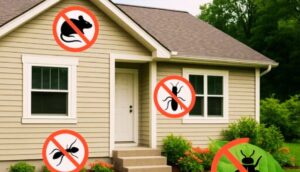
Whether you’re cozied up inside or braving the chilly outdoors, knowing which bugs are still active in the winter is crucial for keeping them away.
In this post, we’ll dive into the winter bugs that bite, how to spot them, and most importantly, how to keep them at bay.
What Are Winter Bugs?
Winter bugs are those pesky insects that continue to be active during colder months. While many insects slow down or die off when the temperatures drop, some species are perfectly suited for winter life.
These bugs might stay inside your home, hiding in cracks and crevices, or they might be outside, looking for a warm place to hide until the weather improves.
Common Winter Bugs That Bite
-
Mosquitoes
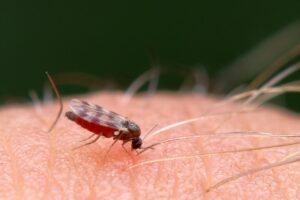
Yes, mosquitoes are not just a summer problem. Some mosquito species are hardy enough to survive the winter months. During colder weather, they often find shelter in warm, dark places like basements, attics, or even in your garage.
These mosquitoes typically come out during the winter if there’s a warm spell or if you’re heating your home. When they do bite, it can cause itchy, irritating welts, just like in the summer.
-
Fleas
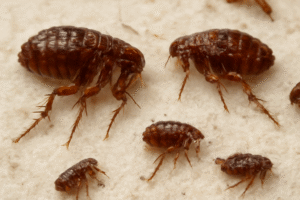
Fleas don’t take a winter break either. In fact, if you have pets at home, they’re probably still carrying fleas during the colder months.
Fleas tend to stay inside your home, particularly in places where your pets spend time, like their bedding or your couch. The problem is, fleas bite humans too, causing small, red, itchy bites that can be uncomfortable and tough to get rid of.
-
Bed Bugs
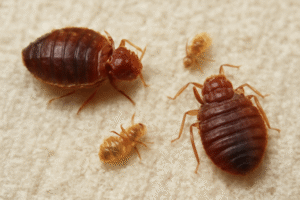
Bed bugs are active year-round, including in winter. These tiny, nocturnal pests are great at hiding in cracks and crevices in your bed frame, furniture, and carpets. While they may be more common in the summer, bed bugs don’t hibernate in the winter, meaning they can still bite you as you sleep.
These bites are often itchy and can cause red welts on your skin.
-
Mites
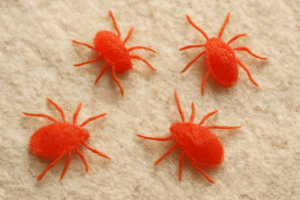
Mites are another bug that doesn’t mind the winter chill. The most common type of mite that bites is the chigger mite.
These tiny bugs tend to stay in tall grass and wooded areas, but they can also infest homes, particularly during mild winter months. When they bite, it’s often around the ankles or other exposed skin. The bites cause intense itching and can last for several days.
Spiders
-
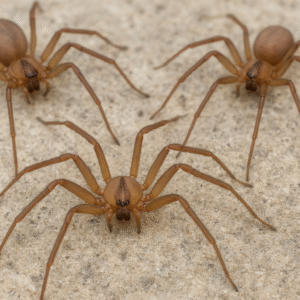
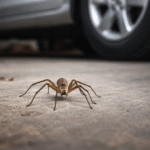
Brown recluse spiders While most spiders are harmless, some species are known to bite when they feel threatened. Certain types of house spiders, such as the brown recluse or the black widow, can still be active indoors during winter.
These spiders like warm, dark spaces and may find their way into your home. A bite from one of these can be dangerous, leading to a painful reaction, so be on the lookout.
Ticks
-

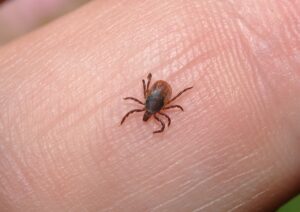
A deer tick pest ticks are
In winter, ticks tend to hide in areas like leaf litter, tall grass, or wooded areas. If you spend time outdoors, especially in regions where winter temperatures are still mild, you might be at risk of getting bit by a tick.
Ticks can transmit Lyme disease and other illnesses, so it’s important to protect active yourself when venturing outside. More commonly associated with warm months, but some species are active during winter time.
-
Ants
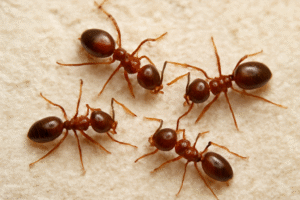
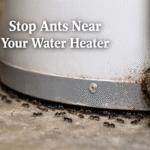
While you may think ants go into hibernation in the winter, some species don’t. Certain types of ants, like argentine ants, can still be active during the cold months.
These ants may come inside looking for food and warmth. If they invade your home, they might bite or sting, particularly if you disturb their nests.
-
Wasps
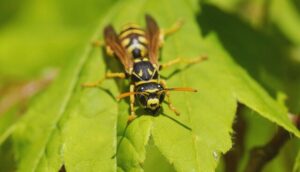
Wasps are typically less active during the winter, but they do not die off entirely. Some species, like the yellow jacket, survive the winter by entering a dormant state.
They may not be as active during winter, but if you happen to disturb a nest, you could end up with a painful sting. If you’re not careful, you might encounter wasps inside your home or in sheltered areas.
-
Cockroaches
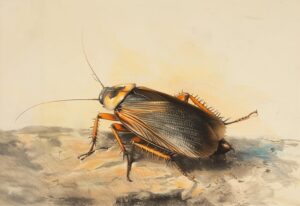
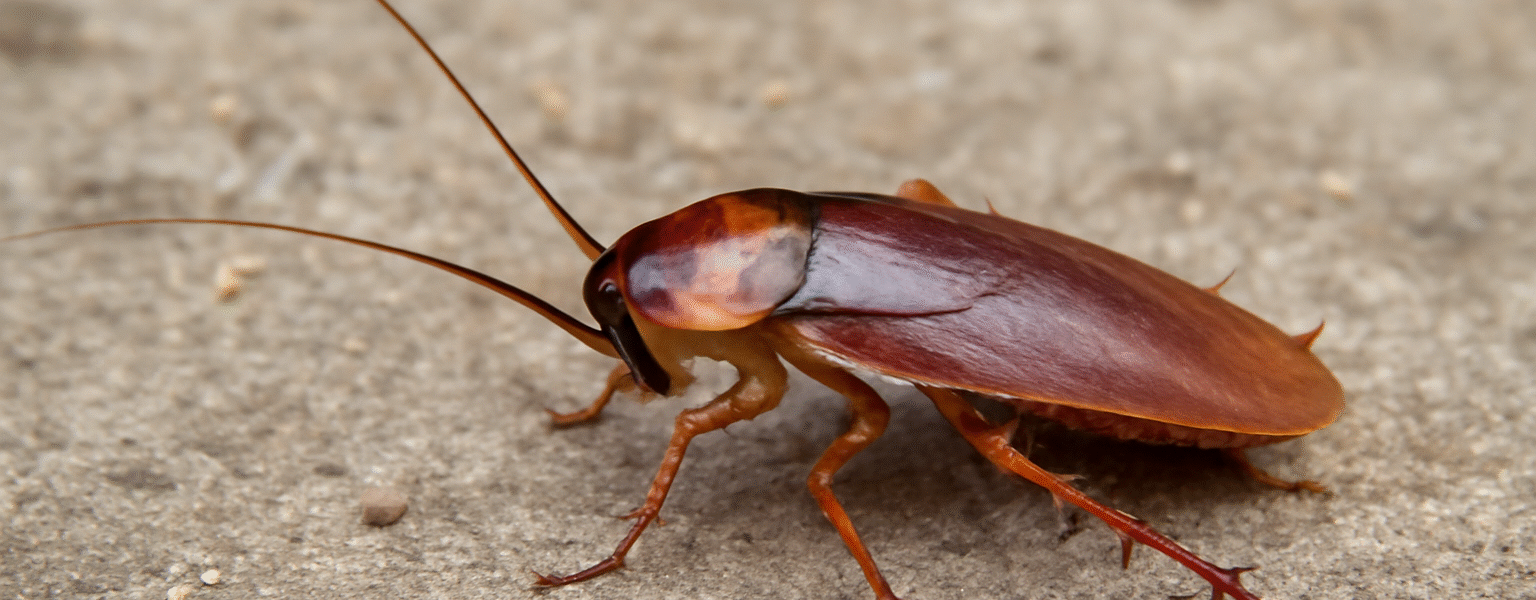
Cockroaches are resilient little creatures that can survive year-round, and they’re not afraid of the cold.
They’re often found inside homes during the winter, especially in kitchens or bathrooms. While they don’t usually bite, some people might experience irritation from cockroach saliva, feces, or body parts.
If you’re allergic, a cockroach infestation can cause breathing problems or allergic reactions.
-
Lice
Lice are more common in the warmer months, especially in places like schools or daycare centers, but they can be an issue year-round, particularly if you’re spending time indoors with others. Lice live on the scalp and bite to feed on blood.
While they don’t usually cause serious harm, the bites can be intensely itchy, leading to discomfort and skin irritation.
How to Protect Yourself From Winter Bugs That Bite
Now that you know which winter bugs are likely to bite, let’s talk about how to protect yourself.
-
Keep your home clean: Pests like fleas, bed bugs, and cockroaches thrive in messy, cluttered spaces. Vacuuming regularly, especially around furniture and bedding, can help keep these pests at bay.
-
Seal cracks and crevices: Bugs can sneak into your home through the smallest gaps. Check for cracks in your windows, doors, and walls and seal them properly.
-
Use pest control products: There are various pest control options available, including sprays, traps, and natural repellents. Consider using a repellent specifically designed for winter pests, like mosquito traps or flea control products for pets.
-
Check your pets: Fleas can hitch a ride on your pets, so regular grooming and flea treatments are essential during the winter. Make sure your pet’s bedding is washed frequently.
-
Wear protective clothing: If you’re going outside in colder months, wear long sleeves and pants, especially if you’re in an area with ticks or mites. Tucking your pants into your socks can also help protect against tick bites.
-
Inspect your bedding: Check your bed sheets and mattress for signs of bed bugs. If you find any, consider using a mattress cover to trap them in.
FAQs About Winter Bugs That Bite
1. Do mosquitoes bite in the winter?
Yes, mosquitoes can still bite during the winter. They tend to hibernate in warm places, like basements or attics, and become active when the weather warms up.
2. How can I tell if I have fleas in my house?
Fleas can be difficult to spot, but if you have pets, check for flea dirt on their fur. Flea bites on humans will often appear as small, red, itchy bumps.
3. Are bed bugs more active in winter?
Bed bugs are active year-round, but they might be harder to notice in the winter since they tend to hide in cracks and crevices in your bed frame and furniture.
4. Can mites survive winter?
Yes, certain types of mites, like chiggers, can survive in winter, especially during mild weather or in heated indoor spaces.
5. How can I prevent spider bites in the winter?
Seal cracks in windows and doors, and check for spider webs in corners. If you do find a spider, carefully remove it.
6. Are ticks still active in winter?
Yes, some species of ticks are active during winter, especially in warmer climates or if you live in areas with mild winter temperatures.
7. Can ants be a problem in the winter?
Some species of ants remain active in the winter and may even invade your home looking for food.
8. What should I do if I get bitten by a winter bug?
Clean the bite with soap and water, and apply an anti-itch cream. If you experience swelling or pain, seek medical attention.
9. How can I keep winter bugs out of my home?
Seal cracks and gaps in your home, clean regularly, and use pest control products to deter insects.
10. Do I need to worry about lice in the winter?
Lice can survive year-round, especially in places where people gather indoors, like schools or daycare centers.
Conclusion
Winter bugs that bite are a real problem for many homeowners, but with the right precautions, you can keep these pests at bay. From mosquitoes to ticks and bed bugs, it’s important to stay vigilant during the colder months. Keep your home clean, seal cracks, and use the appropriate pest control methods to protect yourself and your family.
By staying proactive and understanding the winter bugs that bite, you can enjoy the colder months without the itchy, irritating bites. Stay safe, stay protected, and don’t let these little pests ruin your winter fun!