

7 Proven DIY Solutions for Aphid Infestations on Roses (Fast & Natural)

Affiliate Disclosure: This page contains affiliate links. If you buy through my links, I may earn a small commission at no extra cost to you.
As an Amazon Associate, I earn from qualifying purchases.
Why Aphids Love Roses
Before diving into solutions, it helps to understand why roses attract aphids:
-
Soft, juicy leaves: Tender new growth is irresistible to aphids.
-
Fast reproduction: Aphids reproduce quickly without mating, causing infestations to explode.
-
Attractive buds: Sap in unopened buds is a delicacy for aphids.
Knowing this helps you prevent infestations before they start.
Signs of Aphid Infestation on Roses
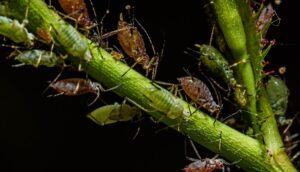
-
Clusters of tiny insects on stems, buds, or leaves
-
Curling, yellowing, or distorted leaves
-
Sticky honeydew coating leaves or nearby surfaces
-
Ants “farming” aphids for honeydew
-
Black sooty mold on leaves
If you spot these signs, act quickly with the solutions below.
7 DIY Solutions for Aphid Infestations on Roses
1. Blast Them Off With Water
Use a strong spray from your garden hose to knock aphids off stems and leaves. Aphids are weak crawlers; many won’t return to the plant.
Tip: Repeat every few days, ideally in the morning so leaves dry before nightfall.
Tool suggestion: Melnor Heavy-Duty Garden Hose Nozzle – adjustable spray patterns perfect for roses.
2. Soap and Water Spray
A mixture of mild dish soap and water will kill aphids on contact.
Recipe:
-
1 quart water
-
1 teaspoon mild dish soap
Spray affected areas thoroughly. Repeat as needed.
Tool suggestion: HDX 32oz Spray Bottle 3-Pack – durable, adjustable spray heads.
3. Neem Oil Solution
Neem oil disrupts aphids’ ability to feed and reproduce.
Recipe:
-
2 tablespoons neem oil + 1 gallon water
-
Add a few drops of dish soap to help it stick
-
Spray every 7–10 days until infestation is under control
Tool suggestion: Captain Jack Insecticide – safe for roses, effective on aphids, mites, and whiteflies.
4. Introduce Ladybugs
Ladybugs are natural predators that eat up to 50 aphids a day. Release in the evening and provide nearby flowers like dill or fennel to encourage them to stay.
Product: Live Ladybugs for Aphid Control – eco-friendly and effective.
5. Homemade Garlic Spray
Garlic confuses and deters aphids naturally.
Recipe:
-
Blend 2 cloves garlic with 2 cups water
-
Strain and pour into a spray bottle
-
Apply weekly for best results
Product suggestion: Mighty Mint Garlic & Peppermint Plant Spray – all-natural and garden safe.
6. Companion Planting
Planting certain flowers and herbs next to your roses will naturally repel aphids:
-
Chives: Strong scent repels aphids
-
Marigolds: Attract beneficial insects
-
Nasturtiums: Trap aphids away from roses
Starter packs: Outsidepride Flower & Herb Seeds
7. Prune Heavily Infested Areas
Cut off branches overrun with aphids and dispose of them away from your garden. This improves air circulation and reduces pest hiding spots.
Tool suggestion: Fiskars Steel Bypass Pruning Shears – sharp, durable, ideal for rose care.
Bonus DIY Tips
-
Banana peel trick: Bury chopped banana peels at the base to boost plant health.
-
Essential oils spray: Mix peppermint, clove, or rosemary oils with water and spray on roses.
-
Tomato leaf spray: Alkaloids in tomato leaves are toxic to aphids.
Prevention Tips to Keep Aphids Away
-
Check roses weekly, especially tender new growth
-
Encourage natural predators like ladybugs and lacewings
-
Avoid high-nitrogen fertilizer that encourages soft growth
-
Keep your garden tidy and rotate sprays for better results
Bonus: Miracle-Gro Rose Plant Food – balanced nutrition will strengthen roses which will in turn reduce pest attraction.
10 FAQs About DIY Aphid Control on Roses
-
What’s the fastest way to get rid of aphids on roses?
Blasting with water or using soap spray works quickly. Neem oil or ladybugs help long-term. -
Are DIY sprays safe for my roses?
Yes, as long as you test sprays on a small section first. -
Can I use vinegar to kill aphids?
Vinegar is too harsh; use neem oil, soap, or garlic sprays instead. -
Do coffee grounds repel aphids?
Not reliably. Better for compost or mulch. -
How often should I spray my roses?
Every 7–10 days or after rain. -
Will aphids kill my rose bush?
Rarely, but they weaken plants and make them disease-prone. -
What natural predators eat aphids?
Ladybugs, lacewings, hoverflies, wrens, and chickadees. -
Can fertilizer prevent aphids?
Balanced fertilizer helps; avoid high nitrogen. -
Are there indoor solutions for potted roses?
Soap sprays, neem oil, and pruning work well indoors. -
What if ants keep appearing?
Control ants by trimming access points and creating barriers at the base.
Conclusion
Aphids are common, but with the right approach, they are completely manageable. By using these 7 DIY solutions, you can protect your roses naturally, affordably, and effectively without relying on harsh chemicals. Combine multiple methods, encourage beneficial insects like ladybugs and lacewings, and stay consistent with your treatments. Regular monitoring and preventive care will keep your rose bushes healthy, vibrant, and resistant to future infestations. With patience and persistence, your roses will thrive, bloom beautifully, and bring joy to your garden all season long.






I just took a look at the article on Bugoff Control about DIY solutions for aphid infestations on roses. I think it’s a practical guide—simple, approachable, and full of everyday ingredients like soap, garlic, and even eggshells. The tips on how to effectively use soap sprays, high-pressure water, and natural concoctions really stand out as low-cost and accessible methods.
Testing on a small area: The article wisely suggests testing homemade sprays on a small part of the plant first to avoid leaf damage—but does it offer any guidance on how long to wait before deciding whether it’s safe? A clear timeframe could really help gardeners avoid accidentally harming their roses.
Long-term effectiveness: Many of the natural remedies—like soap sprays or garlic mixtures—require repeated applications. Does the article discuss what to do if aphids keep returning? For example, addressing root causes like over-fertilizing or encouraging beneficial insects could make a big difference over time.
Safeguarding beneficial insects: Since these curious solutions like soap sprays or alcohol could also harm helpful pollinators or predators, does the article provide any tips on how to minimize unintended impact—such as spraying only early in the morning or targeting just the underside of leaves?
Overall, the article feels really user-friendly and encourages thoughtful experimentation. I’d love to hear more about how to incorporate companion planting or beneficial bugs too—do they touch on those strategies anywhere else?
These DIY tips will help in the proper control of aphids!
This was such a helpful and thorough guide! I appreciate how you included not just quick fixes like the hose spray, but also long-term strategies like companion planting and encouraging beneficial insects—it feels very practical and sustainable. I also liked learning about some of the more unexpected tips, like banana peels and tomato leaf spray.
One question I had: do any of these DIY methods work better at certain times of day (like early morning vs. evening), or does timing not really make a difference when treating aphids?