
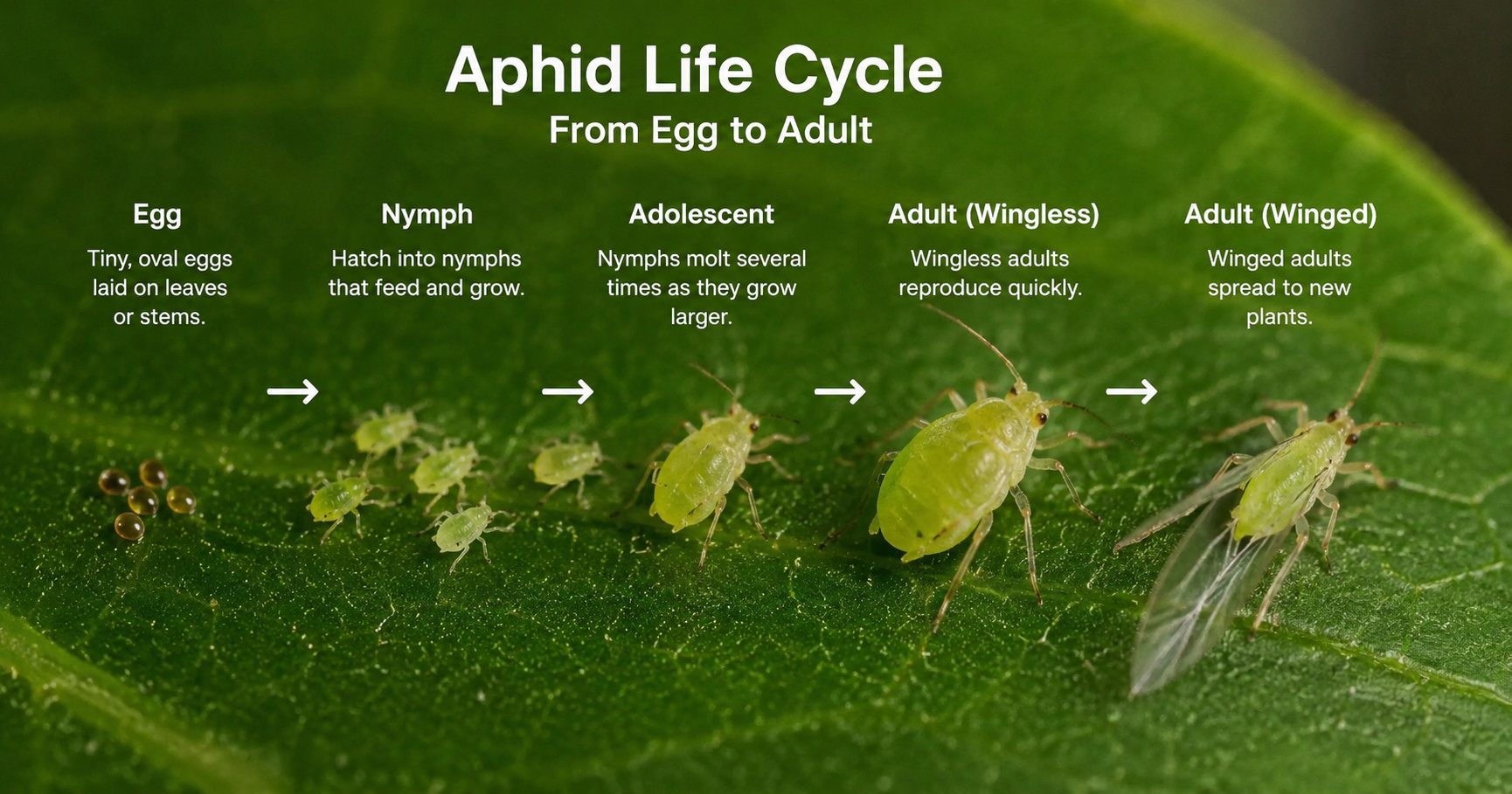
Aphid Life Cycle Explained: Eggs, Nymphs & Adults
Gardening can be a rewarding hobby, but it also comes with its challenges. One of the most common pests that can wreak havoc on your plants is the aphid.
These tiny, soft-bodied insects multiply quickly, feeding on the sap of your plants, and can weaken or even kill them if left unchecked.
To protect your garden, understanding the aphid lifecycle and knowing effective prevention strategies is essential. In this guide, we’ll break down everything you need to know in simple, actionable steps.
By the end, you’ll be armed with the knowledge to keep aphids at bay and maintain a healthy, thriving garden.
What Research Says
According to university extension services and entomology experts, aphids are among the fastest-reproducing garden pests. Many species give birth to live young during the growing season, allowing multiple generations to develop in just a few weeks under favorable conditions. This rapid reproduction is why early monitoring and prevention are far more effective than treating large infestations after they become established.
Quick Answer
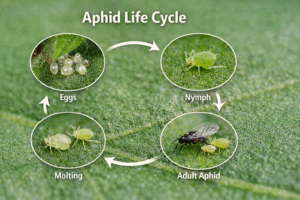
The aphid life cycle has three main stages: egg, nymph, and adult. In warm weather, aphids can develop from newly hatched nymphs into reproducing adults in as little as 7–14 days. Because many species reproduce without mating, populations can grow rapidly if not controlled early.
Affiliate Disclosure
This article contains affiliate links. If you purchase through these links, I may earn a small commission at no additional cost to you. As an Amazon Associate, I earn from qualifying purchases.
How to Stop Aphids at Every Stage
The best treatment depends on which stage the aphids have reached.
| Stage | Best Treatment |
|---|---|
| Eggs | Dormant horticultural oil |
| Nymphs | Insecticidal soap |
| Adults | Neem oil |
| Winged Adults | Yellow sticky traps |
Tip: If you already have aphids on your plants, don’t wait for the next life cycle stage. Treat the infestation as soon as possible to prevent rapid reproduction.
⭐ Best Aphid Control Products (Editor’s Picks for 2026)
Found aphids on your plants? The sooner you act, the easier they are to control. The products below target different stages of the aphid life cycle—from overwintering eggs to reproducing adults—helping you stop infestations before they spread throughout your garden.
Quick Recommendation: If you’re unsure which product to choose, Bonide Neem Oil Spray is our top overall pick because it helps control aphids during multiple life stages and is suitable for use on many vegetables, flowers, shrubs, herbs, and fruit trees when used as directed.
Compare the Best Aphid Control Products
| Product | Best For | Life Stage Targeted | Safe for Vegetable Gardens* | Our Rating |
|---|---|---|---|---|
| 🏆 Bonide Neem Oil Spray | Best Overall | Nymphs & Adults | ✔ | ⭐⭐⭐⭐☆ |
| 🧼 Safer Brand Insect Killing Soap | Active Infestations | Nymphs & Adults | ✔ | ⭐⭐⭐⭐☆ |
| 🌿 Monterey Horticultural Oil | Spring Prevention | Overwintering Eggs | ✔ | ⭐⭐⭐⭐☆ |
| 🟨 Yellow Sticky Traps | Monitoring Winged Aphids | Winged Adults | ✔ | ⭐⭐⭐⭐☆ |
| 🐞 Live Ladybugs | Natural Biological Control | Nymphs & Adults | ✔ | ⭐⭐⭐⭐☆ |
*Always follow the manufacturer’s label instructions for your specific plants and application timing.
🏆 Editor’s Top Pick
Bonide Neem Oil Spray
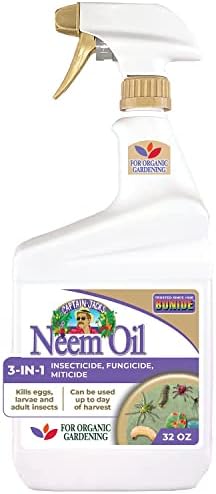
If you only buy one product, Bonide Neem Oil Spray is an excellent all-around choice. It works against aphids during multiple life stages, helps reduce future generations by interfering with feeding and development, and is suitable for use on many ornamental plants, vegetables, herbs, and fruit trees when used according to the label.
👉 Best know for: Home gardeners looking for one all-in-one organic solution to control aphids, mites, and common plant diseases while keeping vegetables, flowers, and fruit trees healthy.
Tip: Catching aphids early in the nymph stage is the most effective prevention strategy.
How to Identify Aphids During Each Life Stage
- Eggs: tiny black oval eggs
- Nymphs: small wingless insects
- Adults: green, black, yellow, red, or brown
- Winged adults: visible wings and longer bodies
Aphid Life Cycle Throughout the Year
| Season | Aphid Activity |
|---|
| Winter | Eggs overwinter |
| Spring | Eggs hatch into nymphs |
| Summer | Rapid reproduction |
| Fall | Eggs laid for next season |
Related Guides:
- Diy solutions for aphid infestation on roses
- Best natural aphid spray for vegetable garden
- How to get rid of aphids in the spring naturally
- How to get rid of root aphids
- How to control aphids
Aphid Life Cycle Timeline: From Egg to New Generation
Aphids have a surprisingly fast life cycle, which is one reason small infestations can quickly become a major garden problem. Under warm and favorable conditions, aphids can move through their development stages in just a few weeks, allowing multiple generations to appear during a single growing season.
Aphid Life Cycle Timeline
🥚 Egg Stage
↓
🐛 Nymph Stage
↓
🪴 Adult Aphid
↓
👶 Live Birth of New Aphids
↓
🌱 Growing Colony
How the Aphid Life Cycle Works
The cycle begins when aphid eggs hatch or when a female aphid gives birth to live young, depending on the species and time of year. Young aphids, called nymphs, immediately begin feeding on plant sap and go through several growth stages before becoming adults.
Once they reach adulthood, many female aphids can start producing offspring quickly. During the warmer months, some species skip the egg-laying stage entirely and give birth to live nymphs that are already capable of feeding and growing.
Because each generation develops rapidly, aphid populations can increase faster than many gardeners expect. This is why checking plants regularly and treating aphids early—before colonies become established—is one of the most effective ways to protect healthy growth.
Quick tip: Look closely at the undersides of leaves and around new plant growth, where aphids often gather before visible damage appears.
Why Prevention is Better than Cure
While there are treatments for aphid infestations, preventing them is far easier than controlling an outbreak.
Aphids reproduce quickly, so even a few insects left unchecked can lead to a full-blown infestation. Prevention keeps your plants healthy, saves money on sprays, and reduces the risk of attracting other pests like ants.
Top Aphid Prevention Strategies
Here’s a set of tried-and-true strategies for keeping aphids away from your garden:
1. Inspect Plants Regularly
Check leaves, stems, and buds for signs of aphids. Early detection prevents large infestations.
2. Encourage Natural Predators
Parasitic wasp, lacewings, and lady bugs use aphids as food. Plant flowers like dill, fennel, and yarrow to attract these beneficial insects.
3. Use Companion Planting
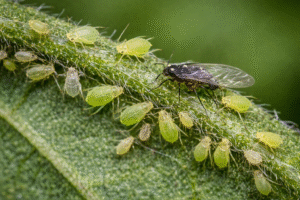
Certain plants repel aphids. For example:
-
Garlic and chives near roses
-
Marigolds near vegetables
-
Nasturtiums as trap crops
4. Spray with Water
One of the simplest and most effective ways to control aphids is to use a strong stream of water. This method works by physically knocking aphids off the plant, making it harder for them to feed and reproduce.
To do this properly, use a garden hose with a nozzle that produces a firm but controlled spray. Focus on the undersides of leaves and tender new growth, since aphids tend to cluster in these areas. Be thorough, but avoid using extremely high pressure that could damage delicate plants.
It’s best to spray plants in the morning so the leaves have time to dry during the day. Wet foliage left overnight can sometimes encourage fungal issues, especially in humid conditions.
You may need to repeat this process every few days at the beginning of an infestation. While water spraying doesn’t kill aphids outright, it significantly reduces their numbers and disrupts their ability to rebuild colonies. When combined with other control methods, it becomes even more effective.
5. Apply Organic Sprays
Organic sprays are another safe and reliable option for controlling aphids, especially when infestations start to grow beyond a few isolated clusters. These treatments work by either suffocating aphids or disrupting their feeding and reproduction.
Some of the most common options include neem oil, insecticidal soap, and horticultural oils. Neem oil works by interfering with aphids’ hormonal systems, which slows their growth and reproduction. Insecticidal soap breaks down their protective outer layer, causing dehydration. Horticultural oils, on the other hand, smother aphids by coating their bodies.
For best results, apply these sprays early in the morning or later in the afternoon. This helps avoid harming beneficial insects like bees, which are less active during these times. It also reduces the risk of leaf burn that can happen in strong sunlight.
When spraying, make sure to cover both the tops and undersides of leaves thoroughly, as aphids often hide in hard-to-see areas. Repeat applications may be necessary every 5–7 days until the infestation is under control.
Used correctly, organic sprays are an effective middle-ground solution—they are stronger than water sprays but still safe for most garden environments when applied carefully.
For more treatment options, explore our guide to the best natural aphid sprays for vegetable gardens.
6. Remove Infested Parts
Prune leaves or stems with heavy infestations and dispose of them far from your garden.
7. Maintain Healthy Plants
Strong, healthy plants resist pests better. Fertilize moderately and water consistently.
Aphid Prevention Methods
| Prevention Method | How It Works | Ease of Use |
|---|---|---|
| Inspect Plants Regularly | Catch infestations early | Easy |
| Encourage Natural Predators | Introduce beneficial insects | Medium |
| Companion Planting | Repels or traps aphids | Easy |
| Water Spray | Physically removes aphids | Easy |
| Organic Sprays | Disrupts feeding and growth | Medium |
| Remove Infested Parts | Reduces population | Medium |
| Maintain Healthy Plants | Improves natural resistance | Easy |
Common Aphid Control Mistakes Gardeners Make
Aphids are small, but their ability to reproduce quickly can make them a frustrating garden pest. Many infestations become difficult to manage because the early warning signs are missed or common control mistakes allow populations to recover.
Avoiding these mistakes can help you protect your plants and stop aphids before they cause serious damage.
Waiting Until Plant Damage Is Severe
One of the most common mistakes is waiting until leaves are curled, yellowing, or covered with sticky honeydew before taking action. By the time visible damage appears, aphid populations may already be well established.
Regularly checking new growth, stems, and the undersides of leaves makes it easier to catch small infestations before they spread.
Checking Only the Top of Leaves
Many gardeners inspect the upper surface of leaves and miss the areas where aphids often gather. Aphids commonly hide underneath leaves, around leaf joints, and near soft new plant growth.
When inspecting plants, gently turn leaves over and check hidden areas where small clusters may be forming.
Over-Fertilizing Plants With Nitrogen
While healthy plants are more resistant to pests, using too much nitrogen fertilizer can actually make aphid problems worse. Excess nitrogen encourages rapid growth with soft, tender plant tissue that aphids prefer to feed on.
Use fertilizer according to your plant’s needs and avoid creating an abundance of new growth that attracts sap-feeding insects.
Eliminating Beneficial Insects
Not every insect in your garden is harmful. Ladybugs, lacewings, and parasitic wasps are natural aphid predators that can help keep populations under control.
Using broad-spectrum insecticides can accidentally remove these helpful insects while allowing aphids to return. Whenever possible, choose targeted treatments that protect beneficial garden species.
Treating Only Once
A single treatment may reduce aphid numbers, but it does not always solve the entire problem. New aphids can hatch, survive in hidden areas, or move in from nearby plants.
Continue monitoring affected plants and repeat treatments when necessary according to product instructions. Consistent follow-up is often the key to preventing aphids from rebuilding their colony.
Ignoring Ant Activity Around Plants
If you notice ants frequently traveling up and down plant stems, they may be protecting aphids for their honeydew. Ants can interfere with natural predators and allow aphid colonies to grow more easily.
Managing both aphids and the ants that protect them can improve long-term control.
Focusing Only on Killing Adult Aphids
Adult aphids are easy to notice because they create visible colonies, but controlling only adults may not prevent future outbreaks. Understanding the full aphid life cycle helps you target nymphs and newly developing populations before they multiply.
Early detection, regular plant inspections, and a combination of control methods are usually more effective than relying on a single solution.
Aphids are only one of many common garden pests. Learn more about seasonal pest prevention in our guide on how to control aphids naturally throughout the growing season.
Best Products to Break the Aphid Life Cycle
| Product | Best For | Organic |
|---|---|---|
| Neem Oil | Adults | ✔ |
| Insecticidal Soap | Nymphs | ✔ |
| Horticultural Oil | Eggs | ✔ |
| Sticky Traps | Winged Aphids | ✔ |
Related Guides:
- How to Get Rid of Aphids Naturally
- Aphids on Tomato Plants
- Aphids on Roses
- Neem Oil Guide
- Best Aphid Sprays
- Garden Pest Identification
10 Frequently Asked Questions (FAQs)
1. What is the life cycle of an aphid?
Aphids go through four stages: egg, nymph, adult, and reproduction. Eggs hatch in spring, nymphs feed and grow, adults reproduce rapidly, and multiple generations can occur in one season.
2. How long do aphids live?
Aphid lifespan varies by species and conditions, but adults typically live 2–4 weeks. Nymphs mature in 1–2 weeks.
3. How fast do aphid populations grow?
Extremely fast! Under ideal conditions, one aphid can lead to hundreds in just a few weeks due to asexual reproduction.
4. What plants are most vulnerable to aphids?
Vegetables, roses, fruit trees, and ornamentals are common targets. Leafy greens like lettuce, spinach, and kale are especially susceptible.
5. Can aphids survive the winter?
Yes, many species lay eggs that overwinter on plants and hatch in spring.
6. How do natural predators help control aphids?
Predators like ladybugs and lacewings feed on aphids, reducing populations naturally without chemicals.
7. Are chemical sprays necessary for aphid control?
Not always. Organic sprays, companion planting, and natural predators are often sufficient. Chemicals should be a last resort.
8. How can I prevent aphids in spring?
Inspect plants, encourage beneficial insects, plant companion plants, and apply preventive sprays early in the season.
9. What is the best organic method to get rid of aphids?
Neem oil, insecticidal soap, and horticultural oils are highly effective and safe for most plants.
10. Can aphids harm humans or pets?
No, aphids will not bite nor do they transmit diseases to humans or pets. Their harm is mainly to plants.
Conclusion
If you’re dealing with an active infestation, start with insecticidal soap for fast knockdown, then follow with neem oil to interrupt feeding and reproduction. For long-term prevention, use yellow sticky traps to monitor winged aphids and apply dormant horticultural oil before spring hatch.
Remember:
-
Inspect plants regularly
-
Encourage natural predators
-
Use companion planting
-
Apply organic sprays when needed
By following these simple steps, you’ll stay ahead of aphids and maintain a healthy, beautiful garden all season long.
The key to controlling aphids is understanding their life cycle. By catching them early, encouraging beneficial insects, and taking action before colonies expand, you can prevent serious plant damage and keep your garden healthier throughout the growing season.