Aphid Lifecycle and Prevention: A Complete Guide for Gardeners
Gardening can be a rewarding hobby, but it also comes with its challenges. One of the most common pests that can wreak havoc on your plants is the aphid.
These tiny, soft-bodied insects multiply quickly, feeding on the sap of your plants, and can weaken or even kill them if left unchecked.
To protect your garden, understanding the aphid lifecycle and knowing effective prevention strategies is essential. In this guide, we’ll break down everything you need to know in simple, actionable steps.
By the end, you’ll be armed with the knowledge to keep aphids at bay and maintain a healthy, thriving garden.
What is an Aphid?
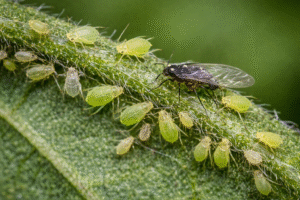
Before diving into the lifecycle, let’s quickly cover what an aphid is. Aphids are small insects, often green, black, brown, or red, that feed on plant sap. They are sometimes called plant lice and are notorious for reproducing rapidly.
Aphids can be found on almost every plant, including vegetables, flowers, and trees.
Why are they a problem? Aphids weaken plants, spread diseases, and produce sticky honeydew that attracts ants and promotes mold growth.
That’s why understanding their lifecycle is key to stopping infestations before they take over your garden.
The Aphid Life Cycle
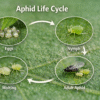
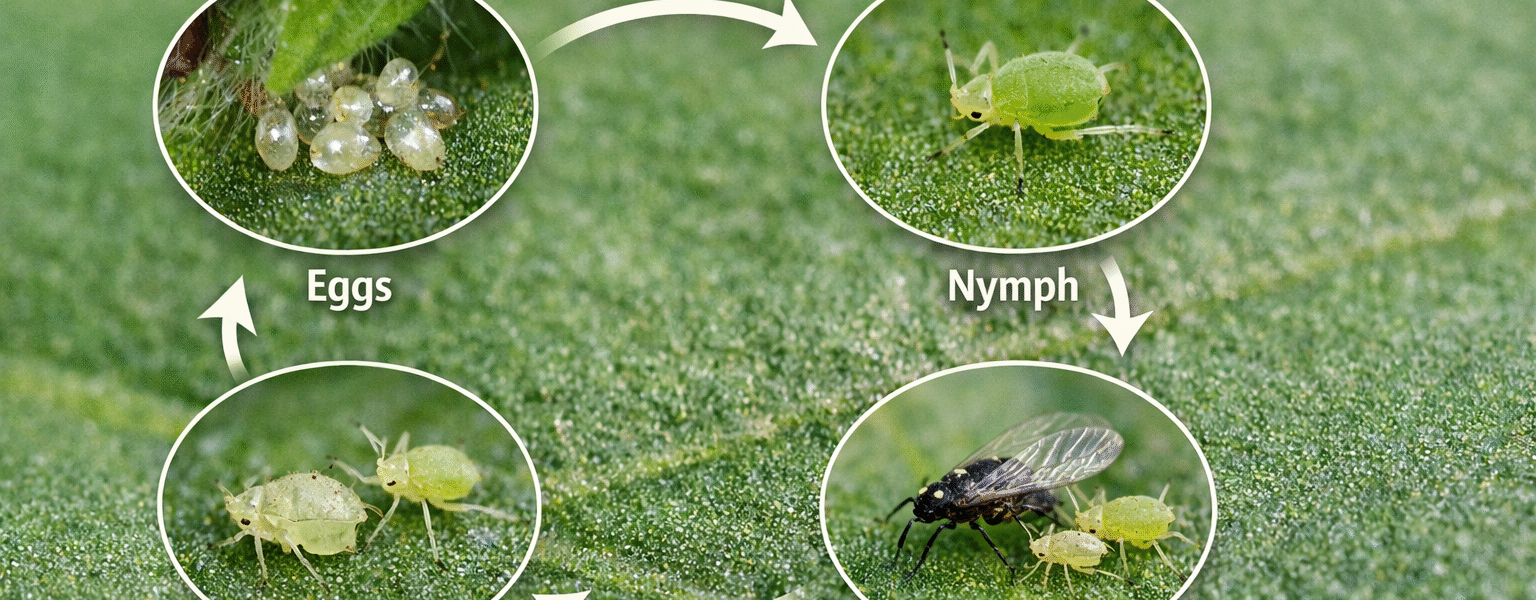
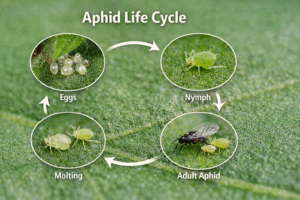
Aphids have a fascinating and fast-moving lifecycle. Understanding their stages helps gardeners anticipate and prevent infestations. Here’s a breakdown:
1. Egg Stage
Aphids typically lay eggs during the fall on host plants. The eggs are tiny, oval, and often tucked into plant crevices. These eggs survive harsh winter conditions and hatch in the spring.
2. Nymph Stage
When eggs hatch, they become nymphs. Nymphs look like miniature adults but are wingless. During this stage, they feed heavily on plant sap and molt several times as they grow. This stage lasts 1–2 weeks, depending on the species and climate.
3. Adult Stage
Nymphs mature into adults, which can be winged or wingless. Adults reproduce rapidly. Some species can reproduce without mating, a process called parthenogenesis, allowing populations to explode in just a few weeks.
4. Reproduction and Population Explosion
In ideal conditions, aphids can produce several generations in a single season. Winged adults can fly to new plants, spreading infestations quickly.
Tip: Catching aphids early in the nymph stage is the most effective prevention strategy.
Chart 1: Aphid Life Cycle
| Stage | Duration | Key Notes |
|---|---|---|
| Egg | Overwintering | Survives cold, hatches in spring |
| Nymph | 1–2 weeks | Feeds heavily, molts several times |
| Adult | 2–4 weeks | Reproduces rapidly, winged adults spread infestations |
| Population Growth | Entire Season | Several generations possible per season |
Why Prevention is Better than Cure
While there are treatments for aphid infestations, preventing them is far easier than controlling an outbreak.
Aphids reproduce quickly, so even a few insects left unchecked can lead to a full-blown infestation. Prevention keeps your plants healthy, saves money on sprays, and reduces the risk of attracting other pests like ants.
Top Aphid Prevention Strategies
Here’s a set of tried-and-true strategies for keeping aphids away from your garden:
1. Inspect Plants Regularly
Check leaves, stems, and buds for signs of aphids. Early detection prevents large infestations.
2. Encourage Natural Predators
Parasitic wasp, lacewings, and lady bugs use aphids as food. Plant flowers like dill, fennel, and yarrow to attract these beneficial insects.
3. Use Companion Planting
Certain plants repel aphids. For example:
-
Garlic and chives near roses
-
Marigolds near vegetables
-
Nasturtiums as trap crops
4. Spray with Water
A strong stream jet of water will dislodge aphids from plant leaves. This simple method reduces populations without chemicals.
5. Apply Organic Sprays
Neem oil, insecticidal soap, or horticultural oils work effectively. Spray early during the morning or late afternoon to avoid causing harm to pollinators.
6. Remove Infested Parts
Prune leaves or stems with heavy infestations and dispose of them far from your garden.
7. Maintain Healthy Plants
Strong, healthy plants resist pests better. Fertilize moderately and water consistently.
Chart 2: Aphid Prevention Methods
| Prevention Method | How It Works | Ease of Use |
|---|---|---|
| Inspect Plants Regularly | Catch infestations early | Easy |
| Encourage Natural Predators | Introduce beneficial insects | Medium |
| Companion Planting | Repels or traps aphids | Easy |
| Water Spray | Physically removes aphids | Easy |
| Organic Sprays | Disrupts feeding and growth | Medium |
| Remove Infested Parts | Reduces population | Medium |
| Maintain Healthy Plants | Improves natural resistance | Easy |
In case you missed it, other aphid control guides
10 Frequently Asked Questions (FAQs)
1. What is the life cycle of an aphid?
Aphids go through four stages: egg, nymph, adult, and reproduction. Eggs hatch in spring, nymphs feed and grow, adults reproduce rapidly, and multiple generations can occur in one season.
2. How long do aphids live?
Aphid lifespan varies by species and conditions, but adults typically live 2–4 weeks. Nymphs mature in 1–2 weeks.
3. How fast do aphid populations grow?
Extremely fast! Under ideal conditions, one aphid can lead to hundreds in just a few weeks due to asexual reproduction.
4. What plants are most vulnerable to aphids?
Vegetables, roses, fruit trees, and ornamentals are common targets. Leafy greens like lettuce, spinach, and kale are especially susceptible.
5. Can aphids survive the winter?
Yes, many species lay eggs that overwinter on plants and hatch in spring.
6. How do natural predators help control aphids?
Predators like ladybugs and lacewings feed on aphids, reducing populations naturally without chemicals.
7. Are chemical sprays necessary for aphid control?
Not always. Organic sprays, companion planting, and natural predators are often sufficient. Chemicals should be a last resort.
8. How can I prevent aphids in spring?
Inspect plants, encourage beneficial insects, plant companion plants, and apply preventive sprays early in the season.
9. What is the best organic method to get rid of aphids?
Neem oil, insecticidal soap, and horticultural oils are highly effective and safe for most plants.
10. Can aphids harm humans or pets?
No, aphids will not bite nor do they transmit diseases to humans or pets. Their harm is mainly to plants.
Conclusion
Aphids may be small, but they can cause major problems in your garden. By understanding the aphid lifecycle and applying effective prevention strategies, you can protect your plants and enjoy a thriving garden.
Remember:
-
Inspect plants regularly
-
Encourage natural predators
-
Use companion planting
-
Apply organic sprays when needed
By following these simple steps, you’ll stay ahead of aphids and maintain a healthy, beautiful garden all season long.
Pro tip: Combine your knowledge of the aphid life cycle with preventive measures, and your garden will remain virtually aphid-free. For more tips, check out our guides on DIY solutions for aphids on roses and best natural sprays for vegetable gardens.