Best Wi-Fi & Smart Pest Traps for Home: Modern Solutions to Keep Your House Pest-Free
Pests in your home are more than just annoying—they can damage furniture, contaminate food, chew wires, and spread harmful bacteria. Unfortunately, traditional pest traps are often messy, easy to forget about, and inconvenient to monitor.
That’s where Wi-Fi and smart pest traps for home use come in.
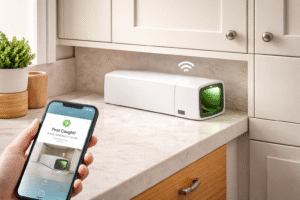
Today’s smart pest control devices use sensors, mobile apps, automated alerts, and advanced designs to help you detect, monitor, and control pests with far less effort. Some models connect directly to Wi-Fi for real-time notifications, while others use smart technology—such as UV attraction, enclosed traps, or self-resetting mechanisms—to simplify pest control.
In this guide, we’ll cover the best Wi-Fi pest traps and smart pest control devices for home, explain the differences between them, and help you choose the right solution for your needs. Whether you’re dealing with rodents, flying insects, or ongoing pest activity, this guide will help you make a confident, informed decision.
Affiliate Disclosure: This page contains affiliate links. If you buy through my links, I may earn a small commission at no extra cost to you.
As an Amazon Associate, I earn from qualifying purchases.
Wi-Fi Pest Traps vs Smart Pest Traps: What’s the Difference?
Before choosing any device, it’s important to have full understanding about the difference:
Wi-Fi Pest Traps
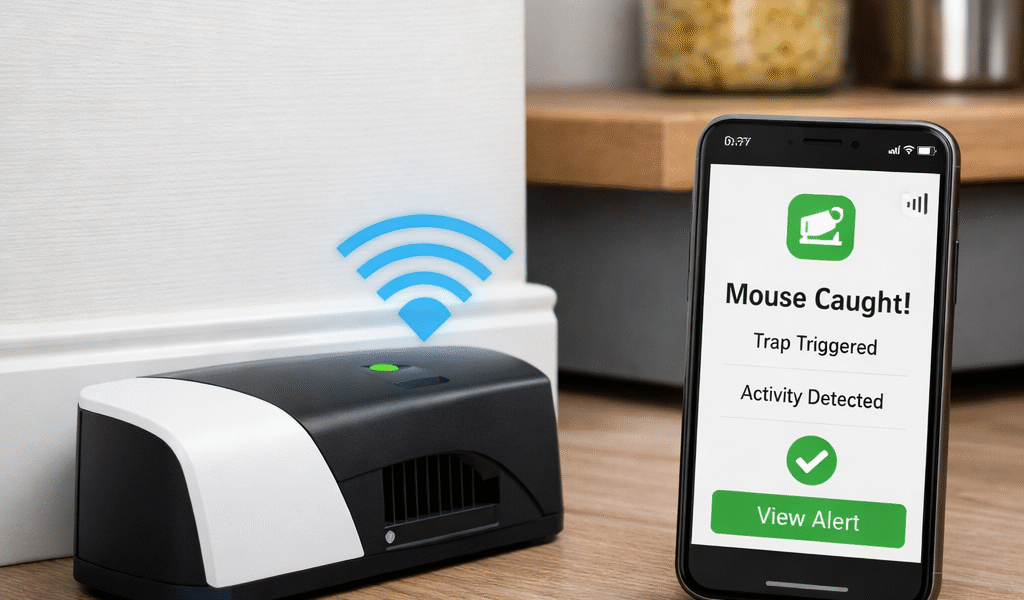
These devices connect to your home Wi-Fi and send:
-
Real-time alerts
-
Trap activation notifications
-
Usage and activity data via a mobile app
They are commonly used for rodent control.
Smart Pest Traps (Non-Wi-Fi)
These do not connect to Wi-Fi but still use smart technology, such as:
-
UV or blue-light attraction
-
Enclosed, no-touch designs
-
Fans, sticky traps, or electronic zappers
They are popular for flying insects and indoor use.
This guide includes both categories, clearly labeled for accuracy and safety.
Top Wi-Fi & Smart Pest Traps for Home (Comparison Chart)
| Product | Targets These Pests | Smart / Tech Features | Use Location | Ideal For |
|---|
| Victor Smart-Kill Wi-Fi Electronic Trap (M1/M2) | Mice and rats | Wi-Fi connection with instant catch alerts | Indoor use | Busy homeowners who want worry-free rodent control |
| Goodnature Smart Trap | Mice and rats | App notifications and automatic self-reset | Indoor & outdoor | Eco-conscious users looking for long-term rodent solutions |
| Zevo Plug-In Flying Insect Trap | Flies, gnats, fruit flies | Soft blue and UV light attraction | Indoor only | Kitchens, dining rooms, and everyday living spaces |
| Katchy Indoor Insect Trap | Gnats, mosquitoes, flies | UV light, quiet fan, and sticky capture pad | Indoor only | Bedrooms, offices, and noise-sensitive areas |
| Aspectek Electronic Bug Zapper | Mosquitoes and flying insects | High-powered UV electric grid | Indoor & outdoor | Large rooms, patios, and covered outdoor areas |
Best Wi-Fi Pest Traps for Home (Rodents)
Victor Smart-Kill Wi-Fi Electronic Trap (M1/M2)
Best for: Fully automated rodent control
This Wi-Fi-enabled electronic trap sends instant alerts to your phone when a mouse or rat is caught. You never have to guess or check manually.
Pros
-
Real Wi-Fi connectivity
-
Instant kill notifications
-
No-touch disposal
-
Enclosed and pet-safer design
Cons
-
Indoor use only
-
Higher upfront cost than traditional traps
Best for homeowners who want true smart rodent monitoring
Goodnature Smart Trap (Mouse & Rat)
Best for: Eco-friendly pest control
The Goodnature trap automatically resets after each catch and connects to an app that tracks activity. It’s ideal for both indoor and covered outdoor use.
Pros
-
Self-resetting design
-
App-based monitoring
-
No poison required
-
Suitable for outdoor areas
Cons
-
Requires CO₂ cartridge replacement
-
Higher initial investment
Best for long-term, low-maintenance rodent control
Best Smart Pest Traps for Flying Insects (Non-Wi-Fi)
Zevo Flying Insect Trap (Plug-In)
Best for: Kitchens and food prep areas
Zevo uses blue and UV light to attract flies, gnats, and fruit flies to a discreet sticky pad—no chemicals or odors.
Pros
-
Safe for homes with kids and pets
-
Odorless and non-toxic
-
Simple plug-and-play design
Cons
-
No Wi-Fi or app alerts
-
Sticky pads need replacement
Katchy Indoor Insect Trap
Best for: Bedrooms, offices, and quiet spaces
Katchy combines UV light, airflow, and a sticky trap to capture flying insects quietly and effectively.
Pros
-
Silent operation
-
Chemical-free
-
Stylish, modern design
Cons
-
Requires regular sticky trap changes
-
Best for light to moderate infestations
Aspectek Electronic Bug Zapper
Best for: Large indoor or covered outdoor areas
This high-powered zapper uses UV light to attract and eliminate flying insects quickly.
Pros
-
Covers large areas
-
No chemicals
-
Immediate results
Cons
-
Zapping noise
-
Not ideal for bedrooms
Why Choose Wi-Fi or Smart Pest Traps for Home?
Smart pest control devices offer several advantages over traditional traps:
-
Real-time alerts (Wi-Fi models)
-
Reduced manual checking
-
Better hygiene with no-touch disposal
-
Data tracking for pest activity patterns
-
Safer designs for homes with pets and kids
-
Energy-efficient operation
These features make them especially useful for busy homeowners and smart homes.
FAQs About Wi-Fi & Smart Pest Traps
1. Do Wi-Fi pest traps actually work?
Yes. Wi-Fi pest traps use sensors and real-time alerts to notify you immediately when rodents are caught, making them more efficient than traditional traps.
2. Are smart pest traps safe for pets?
Most smart traps are enclosed and non-toxic. Always check manufacturer safety guidelines if you have pets or small children.
3. Are all smart pest traps Wi-Fi enabled?
No. Some devices are “smart” due to automation or design but do not connect to Wi-Fi. This guide clearly identifies each type.
4. How often do smart pest traps need maintenance?
Wi-Fi traps notify you when triggered. Non-Wi-Fi traps usually need weekly checks depending on pest activity.
5. Do these traps use a lot of electricity?
No. Most are energy-efficient and many run on batteries or USB power.
6. Can Wi-Fi pest traps be used outdoors?
Some models, like Goodnature, are suitable for outdoor or covered areas. Always confirm weather resistance.
7. What’s the average price of a Wi-Fi pest trap?
Most range from $50–$150, depending on features and pest type.
8. Do smart traps replace professional pest control?
They work well for monitoring and minor infestations. Severe infestations may still require professional help.
9. Can multiple traps connect to one app?
Yes. Many Wi-Fi pest traps allow multiple devices to be managed from a single app.
10. Are smart pest traps worth the cost?
For many homeowners, the convenience, hygiene, and early detection make them a worthwhile investment.
Conclusion: Are Wi-Fi Pest Traps Worth It?
Wi-Fi and smart pest traps offer a modern, convenient way to keep your home pest-free without the mess and guesswork of traditional traps. With features like real-time alerts, automated trapping, and safer designs, they’re ideal for today’s busy households.
If you want true Wi-Fi monitoring, the Victor Smart-Kill Wi-Fi Trap stands out for hands-free rodent control. For eco-conscious users, the Goodnature Smart Trap offers long-term, self-resetting performance. For flying insects, smart plug-in traps like Zevo and Katchy provide safe, chemical-free solutions.
Protect your home today by checking current prices, verified reviews, and availability on Amazon and choosing the smart pest trap that fits your needs best.