
Garden Pest Control: 7 Common Mistakes (And How to Avoid Them)

Gardening is one of the most rewarding hobbies because of the endless styles you can explore. Whether you prefer low-maintenance landscapes, edible vegetable patches, or formal English and Japanese designs, there is a style for every personality. However, regardless of the type of garden you choose, each comes with its own set of unique challenges
Among the most frustrating problems are pests. Unfortunately, even experienced gardeners make mistakes that allow pests to thrive, damage plants, and reduce harvests. Avoiding these mistakes can save your garden from unnecessary stress and damage.
In this article, we’ll walk through 7 common garden pest control mistakes and how to prevent them. Plus, we’ll include a handy chart of the most common garden pests, their signs of damage, and ways to control them naturally and chemically.
Let’s dig in!
Affiliate Disclosure: This page contains affiliate links. If you buy through my links, I may earn a small commission at no extra cost to you.
As an Amazon Associate, I earn from qualifying purchases.
Quick Summary: Most Common Garden Pest Control Mistakes
If you are looking for a fast way to protect your plants, here are the primary mistakes gardeners make when managing pests:
- Ignoring Early Signs: Waiting until damage is visible before taking action.
- Overusing Chemicals: Relying solely on pesticides and harming beneficial insects.
- Skipping Crop Rotation: Planting the same crops in the same spot, allowing pest cycles to continue.
- Poor Garden Hygiene: Leaving dead leaves and debris where pests can hide and breed.
- Overcrowding Plants: Reducing airflow and creating humid “micro-climates” for bugs.
- Neglecting Soil Health: Growing weak plants that can’t naturally resist infestation.
- Misidentifying Pests: Applying the wrong treatment to the wrong insect.
Mistake #1: Ignoring Early Signs of Garden Pest Infestation
Many gardeners make the mistake of waiting until a pest problem becomes obvious. By the time you notice chewed leaves or stunted growth, the infestation may already be severe.
Tip: Check your plants regularly. Look under leaves, around stems, and near the soil. Catching pests early makes them much easier to control.
Why it matters: Early detection can save you time, money, and frustration.
Mistake #2: Overusing Chemical Pesticides in Garden Pest Control
Chemical pesticides can be effective, but overuse can harm beneficial insects, soil health, and even your plants. Some gardeners spray pesticides “just in case,” which can create more problems than it solves.
Tip: Use chemical pesticides only when necessary. Always follow label instructions and consider targeted application rather than spraying the entire garden.
Better approach: Combine chemicals with natural pest control methods, such as introducing ladybugs or using neem oil.
Mistake #3: Not Rotating Crops
Planting the same crops in the same spot year after year encourages pests to multiply. Many pests specialize in certain plants, so rotating crops can naturally break their life cycles.
Tip: Rotate crops annually. For example, follow tomatoes with leafy greens, and plant beans after corn.
Why it works: Crop rotation reduces the buildup of pests and prevents soil nutrient depletion.
Mistake #4: Neglecting Garden Hygiene
Dead leaves, fallen fruits, and plant debris are not just unsightly—they’re perfect hiding spots for pests. Neglecting garden hygiene creates a safe haven for insects and disease.
Tip: Clean up fallen leaves and rotting fruit. Prune damaged branches and remove dead plants.
Extra benefit: Healthy, clean gardens attract more pollinators and beneficial insects.
Mistake #5: Planting Susceptible Plants Too Close Together
Crowded plants may look lush, but they create ideal conditions for pests and disease. Poor airflow and constant humidity allow pests like whiteflies, spider mites, and fungal infections to flourish.
Tip: Space plants properly according to their requirements. Use companion planting to naturally repel pests.
Example: Marigolds can help deter nematodes and other pests when planted near vegetables.
Mistake #6: Ignoring Soil Health
Healthy soil produces strong plants that are naturally more resistant to pests. Many gardeners focus on watering and fertilizing but forget about soil structure, organic matter, and pH balance.
Tip: Add compost, mulch, and organic fertilizers to improve soil health. Consider rotating crops and cover cropping for long-term soil strength.
Why it matters: Strong plants can resist pests more effectively and recover faster from damage.
Mistake #7: Failing to Identify Pests Correctly
One of the biggest mistakes is treating a pest problem without knowing exactly what you’re dealing with. Misidentification can lead to wasted effort, ineffective treatments, or even harming beneficial insects.
Tip: Take a close look at the insects, leaves, and stems. Use a magnifying glass if necessary. Consult pest identification guides or local extension services if unsure.
Remember: Different pests require different strategies. One size does not fit all.
Common Garden Pests Chart
This garden pest control chart helps you identify common garden pests, spot damage early, and choose the best natural or chemical treatments:
| Pest | Identification | Signs of Damage | Natural Control | Chemical Control |
|---|---|---|---|---|
| Mealybugs | Small, white, cotton-like insects on stems and leaves | Yellowing, sticky leaves, stunted growth | Neem oil, insecticidal soap, ladybugs | Systemic insecticides, pyrethroids |
| Scales | Hard or soft shell insects on stems and leaves | Yellow spots, leaf drop, honeydew | Pruning, horticultural oils, predatory beetles | Insecticidal sprays, systemic insecticides |
| Spider Mites | Tiny red or yellow dots on leaves, fine webbing | Speckled yellow leaves, leaf drop | Water sprays, predatory mites, neem oil | Miticides, insecticidal soap |
| Whiteflies | Small, white, moth-like insects under leaves | Yellowing leaves, honeydew, sooty mold | Yellow sticky traps, neem oil, ladybugs | Insecticidal sprays, pyrethroids |
| Thrips | Tiny, slender insects | Silvering or streaks on leaves, distorted flowers | Blue sticky traps, neem oil, predatory insects | Spinosad, insecticidal sprays |
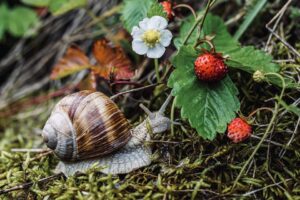
| Snails & Slugs | Soft-bodied mollusks, slime trails | Holes in leaves, chewed stems | Handpicking, beer traps, diatomaceous earth | Metaldehyde baits, iron phosphate pellets |
| Beetles | Varied; shiny or dull, hard bodies | Chewed leaves, holes, skeletonized foliage | Handpicking, neem oil, beneficial nematodes | Pyrethroids, Catchmaster beetle trap |
| Caterpillars | Soft-bodied larvae of moths/butterflies | Chewed leaves, fruits, and flowers | Bacillus thuringiensis (Bt), handpicking, birds | Insecticidal sprays, pyrethroids |
| White Grubs | Larvae of beetles, C-shaped, in soil | Yellowing grass, root damage | Nematodes, beneficial insects | Soil-applied insecticides, grub killers |
| Earwigs | Brown, pincered insects | Holes in leaves, flowers, soft fruits | Traps (rolled cardboard), diatomaceous earth | Pyrethroids, insecticidal sprays |
| Cabbage Worms | Green caterpillars on Brassicas | Holes in leaves, chewed heads | Bt, handpicking, birds | Insecticidal sprays, spinosad |
10 FAQs About Garden Pest Control
1. How can I prevent pests naturally?
Plant pest-repelling herbs, use mulch, encourage beneficial insects, and rotate crops. Healthy soil also strengthens plants to resist pests.
2. Are chemical pesticides harmful to my garden?
They can be if overused. Pesticides may kill beneficial insects and pollinators, harm soil, and even affect human health if misapplied.
3. How often should I check my plants for pests?
Ideally, inspect your garden weekly. Pay close attention to undersides of leaves, stems, and soil.
4. Can companion planting reduce pests?
Yes! For example, planting marigolds with tomatoes deters nematodes. Basil near peppers can reduce aphids.
5. What are the signs of garden pest infestation?
Look for chewed leaves, stunted growth, sticky residue (honeydew), discoloration, and insect presence.
6. How do I identify which pest is causing damage?
Examine the insect’s size, color, shape, and feeding pattern. Use a magnifying glass or consult online guides for accurate identification.
7. Are natural remedies as effective as chemicals?
They can be very effective, especially when combined with good garden hygiene, proper spacing, and crop rotation.
8. Should I remove affected plants?
Yes, if the infestation is severe. Removing affected plants can prevent pests from spreading to healthy ones.
9. How can I attract beneficial insects?
Plant flowering plants like dill, fennel, and sunflowers. Avoid broad-spectrum pesticides that kill all insects.
10. Is it worth using sticky traps?
Absolutely. Yellow or blue sticky traps help monitor pest populations and catch flying pests like whiteflies and thrips early.
Conclusion
Avoiding these 7 common garden pest control mistakes can save your garden from stress, damage, and reduced yields. Always start with proper plant spacing, garden hygiene, soil health, and early pest identification. Use natural pest control methods first and reserve chemicals as a last resort.
With a little attention and proactive care, you can keep your garden thriving, healthy, and pest-free. Remember, a healthy garden is a resilient garden. And by combining observation, knowledge, and prevention, your plants can flourish all season long.