The Venus Flytrap: Nature’s Fascinating Bug-Catcher
The Venus flytrap is one of the most fascinating plants on the planet, and it has a history just as interesting as its bite. Native to the wetlands of North and South Carolina, this plant was first documented in the 18th century and quickly captured the attention of botanists around the world. It evolved in nutrient-poor soil, which is why it developed its famous bug-catching ability — insects provide the nutrients the soil can’t. That unique survival strategy is what makes people assume it could double as an indoor pest control solution.
What makes the Venus flytrap truly special is how selective it is. Each trap is lined with tiny trigger hairs, and the plant only snaps shut when those hairs are touched multiple times. This prevents it from wasting energy on dust or debris. While that mechanism is amazing to watch, it also limits how many insects the plant can catch. A single trap takes days to reopen and can only close a handful of times before it dies back.
When it comes to indoor pests, Venus flytraps aren’t the miracle fix many hope for. They may catch an occasional fly or small gnat if one wanders close enough, but they won’t control infestations. Roaches, ants, and most household pests are either too large, too fast, or simply not attracted to the plant. Think of the flytrap as a novelty plant with benefits, not a replacement for proper pest control.
That said, Venus flytraps can still play a small role in an indoor pest strategy. They’re great conversation starters, fun for kids and adults alike, and they do catch a few nuisance insects now and then. Just don’t rely on them to solve bigger issues like winter roaches, which require sealing entry points, reducing moisture, and using proven control methods.
In the end, the Venus flytrap works best as what it truly is — a unique, living example of nature’s creativity. It’s not an indoor pest control hero, but it is a fascinating plant with a rich history and an impressive survival story. Pair it with smart prevention methods, and you’ll have both a cooler houseplant and a more effective way to keep pests under control.
Affiliate Disclosure: This page contains affiliate links. If you buy through my links, I may earn a small commission at no extra cost to you.
As an Amazon Associate, I earn from qualifying purchases.
How a Venus Fly Trap Works
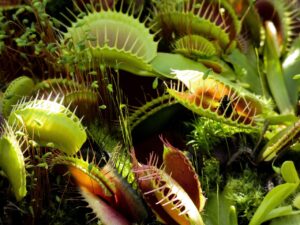
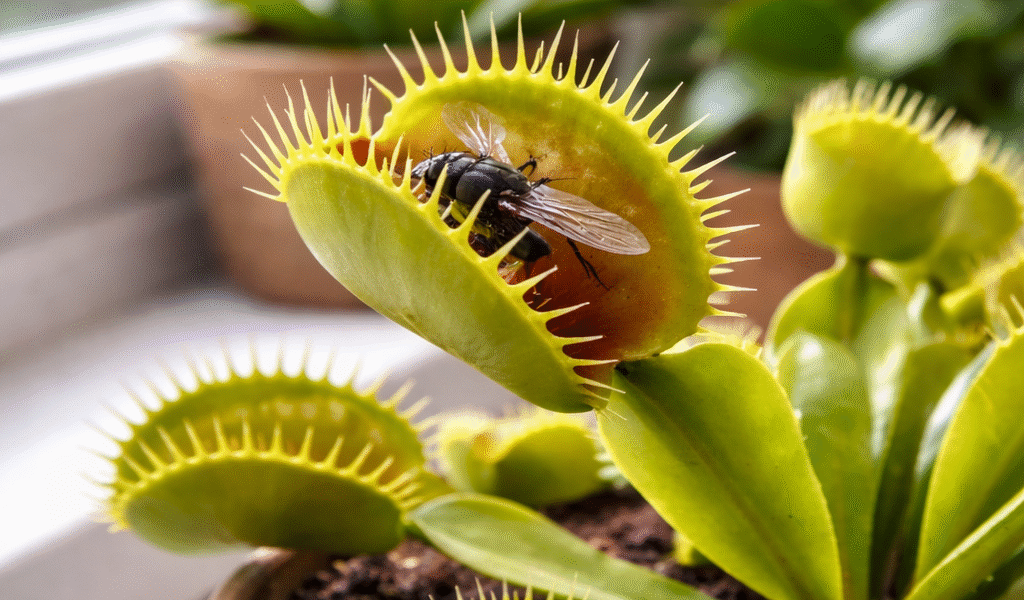
A Venus flytrap is a carnivorous plant that catches insects using modified leaves. Each leaf has two lobes that snap shut when triggered.
Inside the trap are tiny hairs. When an insect touches these hairs multiple times, the trap closes. The plant then releases digestive enzymes and absorbs nutrients from the insect.
This process is fascinating. Still, it’s important to understand one thing: it’s slow. Each trap can only close a limited number of times before it stops working. Because of that, Venus flytraps are not designed for rapid or large-scale pest control.
Even so, they can still play a small role indoors.
Curious? You can check this Venus Fly Trap for indoor use on Amazon to see if it fits your home.
What Indoor Pests Can a Venus Fly Trap Catch?
Venus flytraps work best on small, slow-moving insects. Indoors, this usually includes:
-
Houseflies (occasionally)
-
Fungus gnats near houseplants
-
Small flying insects
-
Tiny crawling insects that wander into the trap
However, they are not very effective against fast or large pests. They also don’t attract insects from across the room. Because of this, placement and expectations matter a lot.
Does a Venus Fly Trap Actually Work for Indoor Pests?
Here’s the honest answer:
Yes, a Venus flytrap can catch indoor pests.
But no, it will not solve an infestation.
A single plant may catch a few flies or gnats over time. That can help in small areas, for example, near a sunny window or next to houseplants. However, if insects are breeding indoors, a Venus flytrap won’t stop the problem. It simply doesn’t have the capacity. So, think of it as a supporting tool, not a primary solution.
Where Venus Fly Traps Work Best Indoors
Venus flytraps perform best in specific situations:
-
Pest activity is light
-
There is strong natural sunlight
-
Insects are already landing nearby
-
The plant is healthy and properly cared for
For example, fungus gnats flying around houseplants are a common use case. In that scenario, the plant may reduce visible insects over time. Even then, results are modest.
Check out this Venus Fly Trap on Amazon — it works well near windows or houseplants.
Benefits of Using a Venus Fly Trap Indoors

Despite their limits, Venus flytraps offer a few benefits:
-
Chemical-free: Safe in homes with children or pets.
-
Educational and interesting: Fun to watch and learn from.
-
May reduce sprays in minor situations: Helpful for small pest problems.
Still, benefits depend heavily on realistic expectations. For a kid- and pet-safe option, this Venus Fly Trap on Amazon is highly rated.
Limitations You Should Know
Before relying on a Venus flytrap for indoor pests, consider:
-
Needs bright light to survive
-
Doesn’t work in dark rooms
-
Catches insects slowly
-
Cannot handle infestations
-
Poor care causes it to die quickly
Because of these limits, combining methods works better.
Better Indoor Pest Control Options
If indoor pests keep returning, stronger solutions are usually needed:
-
Removing food and moisture sources
-
Proper cleaning routines
These approaches target the source of the problem, not just the symptoms.
Why Roaches Are a Bigger Problem in Winter
Many people think pests disappear in winter. Roaches do the opposite. As outdoor temperatures drop, roaches move indoors searching for warmth, food, and water. That’s why winter is a high-risk season for roach infestations. Unfortunately, Venus flytraps do nothing for roaches — they’re too large, too smart, and rarely wander into traps. Prevention and control are critical.
Methods to Prevent Roaches in Winter
Preventing roaches is easier than getting rid of them:
Seal Entry Points: Cracks around baseboards, pipes, doors, windows, and cabinets should be sealed.
Eliminate Food Sources: Store food in airtight containers, clean crumbs, and take out trash frequently. Don’t forget pet food.
Reduce Moisture: Fix leaks and avoid standing water. Dry environments are less attractive.
Declutter Storage Areas: Cardboard, paper, and clutter provide shelter. Less hiding space means fewer roaches. (storage containers).
Winter Roach Control Methods That Actually Work
If roaches are already inside, prevention alone isn’t enough. Effective winter control includes:
-
Gel baits placed in hidden areas
These reach roaches where they hide. Sprays alone often fail.
How Venus Fly Traps Fit Into a Smart Pest Control Plan
Venus flytraps can be part of a broader strategy but should never be the main defense. They are best used for:
-
Minor fly activity
-
Light fungus gnat problems
-
Educational or decorative purposes
For serious pests like roaches, proven prevention and control methods are essential.
Frequently Asked Questions
-
Do Venus fly traps really eat houseflies?
Yes, but only occasionally. The fly must land inside the trap and trigger it correctly. -
Can a Venus fly trap stop an indoor fly infestation?
No. It can reduce a few insects but cannot eliminate infestations. -
Are Venus fly traps safe to keep indoors?
Yes. They are non-toxic and safe when properly cared for. -
How many insects can one Venus fly trap catch?
Only a few at a time. Each trap has a limited lifespan. -
Do Venus fly traps work for mosquitoes?
Rarely. Mosquitoes are too light and fast to trigger traps consistently. -
Can Venus fly traps help control roaches?
No. Roaches are not suitable prey and usually avoid the traps. -
Why do roaches appear more often in winter?
They move indoors to escape cold temperatures and find food and water. -
What is the best way to prevent roaches in winter?
Sealing entry points and removing food sources works best. -
Are sticky traps more effective than Venus fly traps?
Yes. Sticky traps catch far more insects and work continuously. -
Should I use multiple pest control methods together?
Absolutely. Integrated pest control is always more effective.
Conclusion
So, does a Venus fly trap work for indoor pests?
Yes — but only in limited situations. A Venus fly trap may help catch a few flies or gnats when pest activity is low. It works best near sunny windows and houseplants. However, it is not a solution for infestations.
For winter pests like roaches, prevention and targeted control methods are far more effective. Sealing cracks, removing food sources, reducing moisture, and using proven traps deliver real results.
In the end, Venus fly traps are best viewed as a natural supplement, not a standalone pest control solution. When combined with smart indoor prevention strategies, they can play a small but interesting role in keeping your home pest-free year-round.