
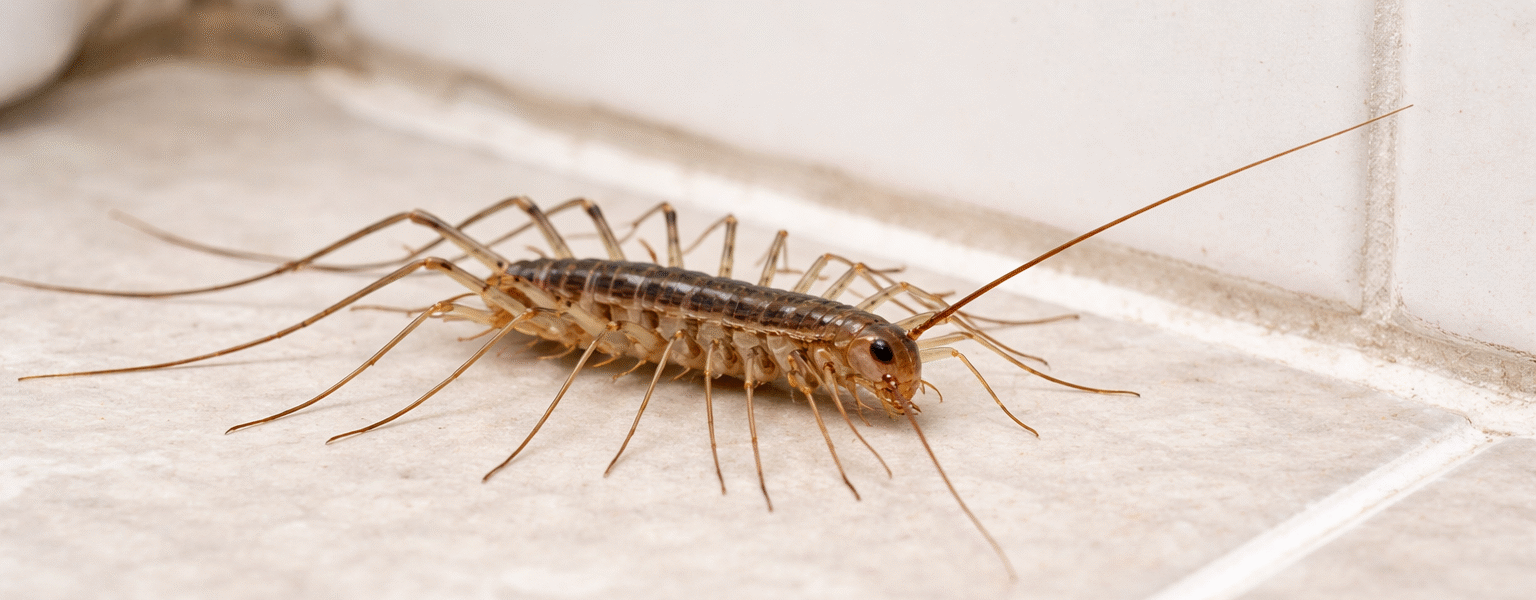
How to Prevent House Centipedes in Your Home
Few household pests cause panic quite like a house centipede. With their long legs, lightning-fast movement, and sudden nighttime appearances, they can turn a calm evening into an uncomfortable surprise.
The good news? House centipedes are preventable.
If you’ve seen one crawling across your bathroom floor or darting into a crack in the basement, don’t worry. In this complete guide, you’ll learn:
-
Why house centipedes come indoors
-
Whether they are dangerous
-
How to get rid of them naturally
-
When to use insecticides
-
And most importantly — how to prevent them from coming back
Let’s take control of the situation.
Affiliate Disclosure: This page contains affiliate links. If you buy through my links, I may earn a small commission at no extra cost to you.
As an Amazon Associate, I earn from qualifying purchases.
What Are House Centipedes?
House centipedes are arthropods belonging to the class Chilopoda. There are over 8,000 species of centipedes worldwide, but the most common indoor species is the house centipede (Scutigera coleoptrata).
They have:
-
Long, flattened bodies
-
15 pairs of legs
-
Yellowish-gray coloring with darker stripes
-
Long antennae
-
Extremely fast movement
Their speed and appearance are what make them so unsettling — not necessarily their danger level.
Are House Centipedes Dangerous?
This is one of the most common questions homeowners ask.
Do They Bite?
Yes, house centipedes can bite — but it’s rare.
They typically bite only if:
-
They feel threatened
-
They are handled
-
They are trapped against skin
When a centipede bites, it injects venom into its prey. That venom is strong enough to kill small insects like roaches and spiders.
In humans, however, a bite usually causes:
-
Mild redness
-
Short-term pain
-
Minor swelling
In rare cases, someone may experience an allergic reaction. If symptoms worsen or you notice severe swelling, seek medical attention.
For most people, house centipedes are more frightening than harmful.
Why Are House Centipedes in My Home?
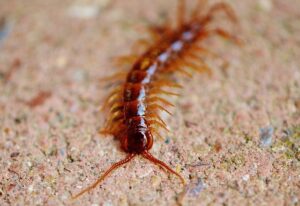
If you see one indoors, it means one of two things:
-
They found an entry point.
-
Your home provides food and moisture.
Centipedes enter homes because they are searching for:
-
Moisture
-
Shelter
-
Food (other insects)
They often hide in:
-
Basements
-
Bathrooms
-
Crawl spaces
-
Closets
-
Under sinks
-
Around drains
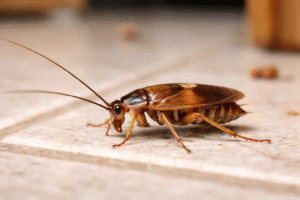
If you are seeing centipedes, you may also have other insect activity — because centipedes feed on:
-
Roaches
-
Spiders
In a strange way, their presence can signal a larger pest issue.
The Life Cycle of a House Centipede
Understanding their lifecycle helps with prevention.
House centipedes go through three main stages:
-
Egg – Females lay eggs in damp, hidden areas.
-
Nymph – After hatching, young centipedes resemble smaller adults.
-
Adult – They go through multiple molts before reaching full maturity.
House centipedes can live up to 6 years, which means prevention is important to avoid long-term issues.
How to Get Rid of House Centipedes Naturally
If you prefer non-chemical methods first, start here.
1. Seal All Entry Points
Centipedes enter through:
-
Cracks in foundations
-
Gaps around doors
-
Window frame openings
-
Utility pipe openings
-
Torn screens
Use:
Inspect the exterior of your home carefully, especially where pipes and electrical lines enter.
2. Eliminate Excess Moisture
Centipedes are highly attracted to humidity.
To reduce moisture:
-
Fix leaking pipes
-
Repair dripping faucets
-
Use a dehumidifier in basements
-
Run bathroom exhaust fans
-
Improve crawlspace ventilation
A dry home is far less attractive to centipedes.
3. Remove Their Food Source
Since centipedes feed on other insects, controlling those pests will naturally discourage them.
Focus on eliminating:
-
Roaches
-
Ants
-
Silverfish
-
Spiders
The fewer insects you have, the less reason centipedes have to stay.
4. Use a High-Powered Vacuum
If you see centipedes regularly, vacuum:
-
Baseboards
-
Corners
-
Under appliances
-
Behind toilets
-
Along wall edges
This removes eggs and reduces hiding spots.
5. Apply Food-Grade Diatomaceous Earth
Diatomaceous earth (DE) is a natural powder made from fossilized algae.
When centipedes crawl through it:
-
It damages their exoskeleton
-
Causes dehydration
-
Leads to elimination
Apply thin layers in:
-
Cracks
-
Door thresholds
-
Basement edges
-
Under sinks
Important:
-
Use food-grade DE only
-
Keep it dry
-
Reapply after moisture exposure
6. Treat Drains Carefully
Some homeowners pour vinegar or diluted bleach into drains to reduce insect activity.
If using this method:
-
Never mix chemicals
-
Use proper ventilation
-
Follow safety guidelines
Drains can be entry points if there is high moisture and organic buildup.
How to Control House Centipedes With Insecticides
If natural methods are not enough, insecticides can provide stronger control.
Before applying any product:
-
Properly identify the pest
-
Read the label carefully
-
Follow all safety instructions
Where to Apply Indoor Insecticides
For best results, treat:
-
Along baseboards
-
Around doors and windows
-
Under sinks
-
Inside closets
-
Around drains
-
In cracks and crevices
Dust formulations work well in wall voids and tight spaces.
Outdoor Barrier Treatment (Highly Effective)
Applying a liquid insecticide around the foundation can prevent entry.
Treat:
-
3 feet up the foundation
-
3 feet out from the base
-
Around doors and windows
-
Around vents and pipe openings
Reapply every 30–60 days, or as directed by the product label.
Recommended Insecticides for Centipede Control
Many products can help reduce centipede activity. Two popular options include:
Ortho® Home Defense® Insect Killer for Cracks & Crevices
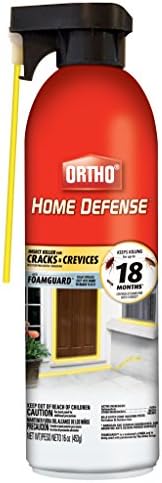
-
Ideal for tight indoor spaces
-
Long residual control
-
Easy precision application
Best for spot treatments indoors.
Ortho® Home Defense® Indoor & Perimeter
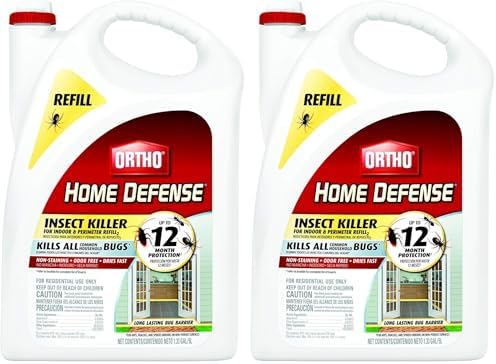
-
Creates a protective barrier
-
Kills on contact
-
Helps control other insects centipedes feed on
Best for preventative protection around your home.
As an Amazon Associate, I earn from qualifying purchases.
When choosing a product, always select one labeled for centipedes and follow directions carefully.
How to Prevent House Centipedes Long-Term
Prevention is the key to avoiding future surprises.
Reduce Outdoor Hiding Areas
Centipedes often live outdoors before entering your home.
Remove:
-
Piles of leaves
-
Grass clippings
-
Mulch near foundations
-
Stacked firewood
Store firewood on a raised platform and inspect each piece before bringing it indoors.
Declutter Indoors
Centipedes hide in clutter for protection.
Keep:
-
Basements organized
-
Crawlspaces clear
-
Closets tidy
-
Storage boxes elevated
The fewer hiding spots available, the less attractive your home becomes.
Inspect Items Before Bringing Them Inside
Centipedes sometimes hitchhike indoors on:
-
Potted plants
-
Firewood
-
Yard sale furniture
-
Cardboard boxes
Inspect carefully before bringing items inside.
Signs You May Have a Centipede Problem
Seeing one occasionally is common. But repeated sightings may indicate a bigger issue.
Watch for:
-
Frequent nighttime activity
-
Increased moisture in certain rooms
-
Presence of other insects
-
Sightings in basements or bathrooms
If activity continues despite prevention efforts, professional pest control may be necessary.
When to Call a Professional
Consider calling a licensed pest control company if:
-
You see multiple centipedes regularly
-
Natural and chemical treatments fail
-
You suspect a larger insect infestation
-
You’re uncomfortable applying insecticides
Professionals can identify root causes and apply targeted treatments safely.
Frequently Asked Questions
Do house centipedes come up through drains?
Yes, especially if drains are damp or have organic buildup.
Are house centipedes good to have?
They help control other insects, but most homeowners prefer not to see them indoors.
What smells keep centipedes away?
Centipedes dislike strong scents like peppermint and tea tree oil, but moisture control is more effective long-term.
How long do house centipedes live?
They can live up to 6 years.
Do centipedes lay eggs indoors?
Yes, in damp hidden areas.
Does bleach kill centipedes?
Bleach may kill on contact but is not a long-term prevention solution.
Why are centipedes in my bathroom?
Bathrooms provide moisture, which attracts them.
Can centipedes climb walls?
Yes. They can climb smooth surfaces easily.
Conclusion
House centipedes may look alarming, but they are manageable with the right strategy.
To prevent house centipedes:
-
Reduce moisture
-
Seal entry points
-
Eliminate other insects
-
Declutter storage areas
-
Apply preventative treatments when necessary
With consistent effort and proper prevention, you can create a home environment that centipedes simply don’t want to enter.
If DIY methods aren’t enough, don’t hesitate to contact a professional for assistance.
With the right approach, you can turn your home into a centipede-free zone — and enjoy peace of mind once again.



Hi, this is the first time I’ve heard about centipedes being a pest in people’s houses. Disgusting looking insect. But I guess they all are. If they were cool looking people will probably wouldn’t mind as much. That’s one of the annoying things about house maintenance is dealing with insect infestations. So good to fall at least tips to help that.
I am so happy to have helped, centipede control is so important once they are spotted indoors, in fact let’s do our part to keep them from entering our homes.
While I have not had a centipede problem in my house, I do have a problem with other insects coming into my house. I didn’t know that other insects are the food source for centipedes and could potentially attract them to my household. I definitely want to avoid that, so controlling my insect problem would be crucial to not having an additional centipede problem in my house. I appreciate the breakdown of the different ways to prevent centipedes inside the home, from your discussion on using insecticides to more natural solutions such as decreasing food sources or sealing all entry points.
I also appreciate your advice on checking things from outside before bringing them inside, as I tend to forget about this when I bring in some plants or storage items from outside. This applies not just to centipedes but also to any insects or critters.
You are welcome and I am so happy to have helped.