
Flea Control For Cats: Keep Your Feline Happy, Healthy, and Itch-Free
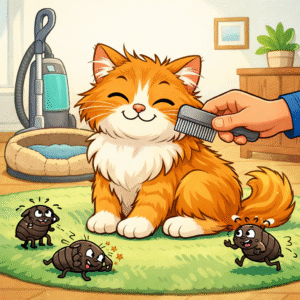
Flea control for cats starts with catching the problem early and using treatments that are safe for your feline friend. If you notice frequent scratching, tiny black specks in the fur, or irritated skin, fleas may be to blame. The most effective approach combines gentle grooming, cat-approved flea treatments, and keeping your home clean so fleas don’t have a chance to come back.
If your cat seems extra itchy or uncomfortable, you’re not alone—fleas are a common issue for many pet owners. While these pests are small, they can quickly cause discomfort if ignored. Thankfully, there are simple, cat-friendly ways to manage fleas without relying on harsh chemicals.
By learning how to spot fleas, recognizing early warning signs, and taking preventive steps, you can keep both your cat and your home protected. Flea control doesn’t need to be overwhelming—staying one step ahead makes all the difference. 🐾✨
Affiliate Disclosure: This page contains affiliate links. If you buy through my links, I may earn a small commission at no extra cost to you.
As an Amazon Associate, I earn from qualifying purchases.
1️⃣ What Fleas Look Like on Cats
Fleas are small, fast-moving insects that hide in your cat’s fur and bedding. Here’s how to recognize them:
🐜 Appearance: Tiny, dark brown or black insects, about the size of a sesame seed
⚡ Quick Identifiers: They jump quickly and are hard to catch with fingers
🧐 Common Locations: Around the neck, behind the ears, near the tail, and on the belly
You may also notice tiny black specks (flea dirt) that turn reddish-brown when wiped with a damp cloth.
2️⃣ Signs Your Cat Has Fleas
Not sure if fleas are bothering your cat? Watch for these common signs:
🔍 Excessive Scratching or Biting: Especially around the neck and tail
💩 Flea Dirt: Small black dots in fur or on bedding
🩹 Skin Irritation: Redness, scabs, or hair loss
😿 Restlessness: Your cat may seem uncomfortable or agitated
Early detection makes flea control much easier.
3️⃣ Why Fleas Target Cats
Understanding why fleas infest cats helps prevent repeat problems:
🐾 Warm Fur: Fleas thrive in warm, furry environments
🏠 Indoor & Outdoor Exposure: Even indoor cats can get fleas from humans, other pets, or open windows
🐕 Other Pets: Dogs or visiting animals can bring fleas inside
Fleas reproduce quickly, so fast action is important.
4️⃣ How to Prevent Fleas on Cats
Prevention is the best flea control strategy. Try these steps:
✅ Regular Grooming: Use a flea comb weekly
✅ Clean Bedding: Wash cat bedding in hot water often
✅ Vacuum Frequently: Especially carpets, furniture, and baseboards
✅ Limit Exposure: Reduce contact with untreated pets
Keeping your home clean helps break the flea life cycle.
5️⃣ Fast & Safe Flea Treatment Options for Cats
If fleas are already present, use cat-safe solutions:
🌿 Natural Options: Diatomaceous earth (food-grade) or herbal flea sprays made for cats
🧴 Topical Treatments: Vet-approved flea drops designed specifically for cats
💊 Oral Flea Medications: Fast-acting tablets prescribed by a veterinarian
🏠 Home Treatment: Use flea sprays safe for pets to treat carpets and furniture
⚠️ Important: Never use dog flea products on cats—they can be toxic.
6️⃣ Top Recommended Flea Control Products for Cats
🐱 Flea Comb for Cats – Detect and remove fleas naturally
🌿 Natural Flea Spray for Cats – Gentle, plant-based protection
🧴 Cat Flea Treatment Drops – Long-lasting prevention
🪣 Home Flea Spray (Pet-Safe) – Stops fleas at every life stage
Here are trusted Amazon-friendly flea control options:
Frequently Asked Questions (FAQs) About Flea Control for Cats
1️⃣ Can indoor cats get fleas?
Yes. Fleas can enter on clothing, shoes, or other pets.
2️⃣ How often should I treat my cat for fleas?
Most treatments are monthly, but always follow product instructions.
3️⃣ Are natural flea remedies safe for cats?
Only if they’re specifically formulated for cats, some essential oils are toxic to cats.
4️⃣ What is flea dirt?
It’s flea feces made of digested blood and a strong sign of infestation.
5️⃣ Can fleas make cats sick?
Yes. Fleas can cause anemia, skin infections, and transmit tapeworms.
6️⃣ How long does it take to get rid of fleas?
With consistent treatment, most infestations clear within 2–4 weeks.
7️⃣ Do fleas live in carpets and furniture?
Yes. Fleas lay eggs in soft surfaces throughout the home.
8️⃣ Can kittens use flea treatments?
Only age-appropriate, vet-approved products should be used.
9️⃣ Should I treat my home if my cat has fleas?
Absolutely. Treating the cat alone won’t eliminate the infestation.
🔟 How can I prevent fleas from coming back?
Monthly prevention, regular cleaning, and grooming are key.
Conclusion
Fleas may be small, but they can seriously affect your cat’s comfort and health. By learning the signs, using cat-safe treatments, and keeping your home clean, you can control fleas effectively and prevent future infestations.
Don’t wait until scratching becomes a bigger issue—take action today and give your cat the relief they deserve 🐾💚
Ready to protect your cat? Shop trusted flea control products now and keep your home flea-free!
This article does a thorough job of explaining how to identify fleas on cats, why they can become a problem even for indoor pets, and practical ways to prevent and treat infestations by combining grooming, cleaning, and cat‑safe treatments (including natural options and vet‑approved products) as part of a comprehensive plan. It was helpful to see the emphasis on both spotting early signs and keeping your home environment clean to break the flea life cycle. I’m curious what the author thinks about integrating environmental control methods like regular vacuuming and washing bedding with professional flea prevention advice from vets, especially since some chemical treatments have environmental concerns and varying effectiveness. Do you recommend a specific routine or schedule for combining these approaches for the best long‑term flea prevention?
I’m really glad you found the article helpful! Integrating environmental control methods like regular vacuuming and washing bedding is definitely a great complement to professional flea prevention advice. Vacuuming helps remove flea eggs, larvae, and pupae from carpets and furniture, while washing bedding regularly ensures you’re keeping those hidden spots clean. As for a routine, I’d recommend vacuuming at least once a week and washing your pet’s bedding and any blankets or fabric they frequent bi-weekly. This, combined with vet-approved treatments (especially natural ones if you’re concerned about chemicals), helps create a multi-layered defense. By maintaining a consistent cleaning schedule alongside preventive treatments, you’ll break the flea life cycle and keep your cat’s environment safe and flea-free.