

How to Get Rid of Surinam Cockroaches: The Ultimate Guide for Gardeners and Homeowners
Surinam cockroaches can be a real headache for gardeners, causing damage to plants and leaving your outdoor space looking messy. These pesky critters thrive in warm, humid environments and often go unnoticed until they’ve already made a home in your garden.
If you’re dealing with an infestation or simply want to prevent these roaches from taking over, you’re in the right place. In this guide, we’ll help you identify Surinam cockroaches and give you the tools you need to control and manage them effectively.
Whether you’re looking for natural solutions or practical control methods, we’ve got you covered. Follow these tips to keep your garden and home pest-free and enjoy a healthier, cleaner outdoor space!
What Are Surinam Cockroaches?
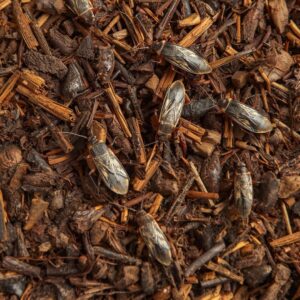
The Surinam cockroach (Pycnoscelus surinamensis) is a tropical species that thrives in warm, humid environments. These roaches are native to South America but have spread to regions of the United States, particularly in the Southeastern states like North Carolina, Florida, and Texas. Unlike other cockroaches, Surinam cockroaches are all female and reproduce without mating, which means they can quickly create large infestations. These roaches do not typically invade your kitchen, but they love garden areas, especially where plants and decomposing organic matter are present.
Identifying Surinam Cockroaches
Surinam cockroaches are small but stout, measuring between 18 to 25 mm in length. Their color can range from dark brown to black, with shiny, pale brown undersides. The adults look similar to other garden roaches but are generally more compact. The presence of these pests is often first noticed in mulch, compost piles, and flower pots. While they may not be as disturbing as kitchen cockroaches, they can wreak havoc on your outdoor environment.
Where Do Surinam Cockroaches Live?
Surinam cockroaches are garden dwellers, and their favorite places to hide include:
-
Mulch beds and compost piles
-
Under flower pots, garden debris, and in leaf litter
-
Greenhouses, especially heated ones
-
Wood piles, rocks, and rotten branches
-
Indoor potted plants that are kept in damp, humid conditions
These cockroaches thrive in moist, warm environments, which is why they prefer places like compost heaps, decaying organic matter, and even greenhouses. If you’re dealing with a greenhouse, it’s especially important to monitor these areas closely.
The Lifecycle of Surinam Cockroaches
Surinam cockroaches have a relatively long developmental cycle that spans anywhere between 160 to 220 days. The lifecycle includes six molting stages during their nymph phase, and it can take months for them to fully mature into adults. Female Surinam cockroaches live for about 307 days, and since they reproduce without mating, an infestation can escalate quickly if not managed.
-
Egg to Nymph (Immature Stage): The eggs hatch into nymphs, which are small and white, but darken as they mature.
-
Nymph to Adult: Nymphs go through six molts before reaching adulthood, usually in a span of around 5–6 months.
-
Adult: Surinam cockroaches can live up to 307 days as adults, reproducing during this time.
By understanding the lifecycle, you can better plan your control and prevention methods to prevent a large infestation from taking root.
Signs of Surinam Cockroach Infestation
If you suspect a Surinam cockroach problem, here are some common signs:
-
Visible Cockroaches: You may see them crawling in your garden, under flower pots, or in mulch beds, especially at night.
-
Damaged Plants: Since Surinam cockroaches feed on decomposing plant matter, they can cause damage to the roots or leaves of plants.
-
Cockroach Feces: Roach droppings near affected plants or garden areas could signal an infestation.
-
Unusual Smells: If you notice a musty odor near mulch or compost, it may be a result of the decaying plant matter that these roaches feed on.
Effective Control Methods for Surinam Cockroaches
There are several ways to control Surinam cockroaches, ranging from cultural practices to insecticide applications. Here’s a breakdown of methods to help you deal with these garden pests.
1. Cultural Control (Non-Chemical Methods)
The first line of defense against Surinam cockroaches is maintaining clean garden practices:
-
Remove Organic Matter: Keep garden beds clear of leaf litter, compost, and plant debris. These are ideal food sources and hiding spots for the roaches.
-
Elevate Wood Piles: Store wood off the ground using racks or pallets. If you have to store wood on the ground, treat it with insecticides to prevent cockroach infestations.
-
Control Mulch: Surinam cockroaches love hiding in mulch, so consider replacing thick layers of mulch with dry, non-organic ground covers like gravel.
-
Weed Management: Regularly remove weeds to reduce potential harborage areas.
2. Using Insecticides
Insecticides can be an effective tool in controlling Surinam cockroaches, but they should be used carefully:
-
Outdoor Insecticides: Apply insecticides to your garden beds, around the base of plants, and in mulch areas. Use products that are specifically designed for cockroach control.
-
Residual Insecticides: Applying residual insecticides around the perimeter of your home or greenhouse can create a barrier to prevent roaches from entering.
-
Bait Stations: Place cockroach baits in flower beds and potted plants. Always follow the manufacturer’s directions to avoid harming beneficial insects.
3. Keeping Them Outdoors

While Surinam cockroaches are garden pests, they can sometimes make their way indoors. Prevent this by:
-
Sealing Entry Points: Check for cracks and crevices around your home’s foundation and seal them with caulk or another appropriate sealant.
-
Inspecting Potted Plants: Always inspect outdoor potted plants before bringing them indoors. Look for any roaches or eggs hiding in the soil.
-
Repairing Screens: Ensure that window and door screens are intact to prevent cockroaches from entering.
-
Regular Inspection: Inspect your garden regularly for signs of pests, and treat any affected areas immediately.
10 Frequently Asked Questions (FAQs) About Surinam Cockroaches
1. What is a Surinam cockroach and how is it different from other roaches?
The Surinam cockroach is a tropical species that thrives in warm, moist environments. Unlike other roaches, it’s all-female in the U.S., reproducing asexually, which can lead to fast infestations. They prefer hiding in garden spaces, feeding on decaying plant matter, and are less likely to invade homes like other cockroach species.
2. Are Surinam cockroaches harmful to humans?
No, Surinam cockroaches don’t bite humans or spread diseases. However, they can damage plants and introduce bacteria into garden soil. Their presence in large numbers may also be unsettling.
3. Where do Surinam cockroaches usually hide?
These roaches prefer hiding in moist, organic areas like mulch, compost piles, and potted plants. They also hide under rocks, logs, and in greenhouses.
4. How can I tell if I have a Surinam cockroach problem?
You may notice adult cockroaches in your garden or greenhouse, especially during the evening. You may also see damage to plants or find them crawling in mulch or under flower pots.
5. What’s the best way to get rid of Surinam cockroaches naturally?
To get rid of Surinam cockroaches naturally, focus on drying out their environment. Reduce mulch, fix drainage issues, and water your plants less frequently. Diatomaceous earth can also help kill the roaches without chemicals.
6. Can I use insecticides to eliminate Surinam cockroaches?
Yes, insecticides can be effective, but be sure to choose products specifically labeled for outdoor cockroach control. Follow all application instructions carefully to protect beneficial insects.
7. Will removing mulch help control the infestation?
Yes, removing or replacing mulch with a dry, non-organic ground cover like gravel can make your garden less inviting to Surinam cockroaches.
8. Can Surinam cockroaches infest potted plants?
Yes, they can! If you have potted plants outside, check for roaches in the soil. You can soak the pots in soapy water or repot with fresh soil to get rid of any roaches.
9. How do I prevent Surinam cockroaches from coming back?
Prevent re-infestation by sealing cracks in your home’s foundation, limiting mulch, fixing leaky faucets, and regularly inspecting your garden for roach activity.
10. Should I call a pest control professional for Surinam cockroaches?
If the infestation is large or spreading indoors, it’s a good idea to call a pest control professional. They can apply more effective treatments and help locate the source of the infestation.
Conclusion
Surinam cockroaches may seem like a minor pest, but they can cause significant damage to your garden and outdoor spaces if left unchecked. By maintaining good garden hygiene, using insecticides wisely, and taking preventative measures, you can control or even eliminate these pests. Keep your garden clean, monitor regularly for signs of infestations, and act quickly to prevent Surinam cockroaches from taking over your space.



Wow! I’m discovering new things everyday! I didn’t know that Surinam cockroaches exist in the United States! I really hate cockroaches; and I don’t want to see them in my environment. In Cameroon where I come from, cockroaches are symbols for problems and witchcraft. I like the solutions you provide to get rod of them, including insecticides and garden plants all around your house. Thanks for sharing!
Roaches are disease carrying and can lead to and infestation if their presence are not dealt with. These proven methods will take care of roaches.