How Many Insects Live In The Average Home? (A Clear, Honest Breakdown)

Have you ever glanced up at the ceiling, spotted a spider tucked into the corner, and suddenly wondered what else might be quietly sharing your space? You’re definitely not alone. That tiny moment of curiosity happens in homes everywhere.
It’s a simple thought, but it quickly turns into a bigger question: How many insects actually live in the average home? The idea can sound a little unsettling at first. After all, no one likes imagining unseen guests.
Here’s the good news. The real answer is far less dramatic than your imagination might suggest. Once you understand what those numbers truly mean, it becomes much less alarming — and much more manageable. Let’s break it down quickly.
The average home contains between 50 and 200 different insect species at any given time.
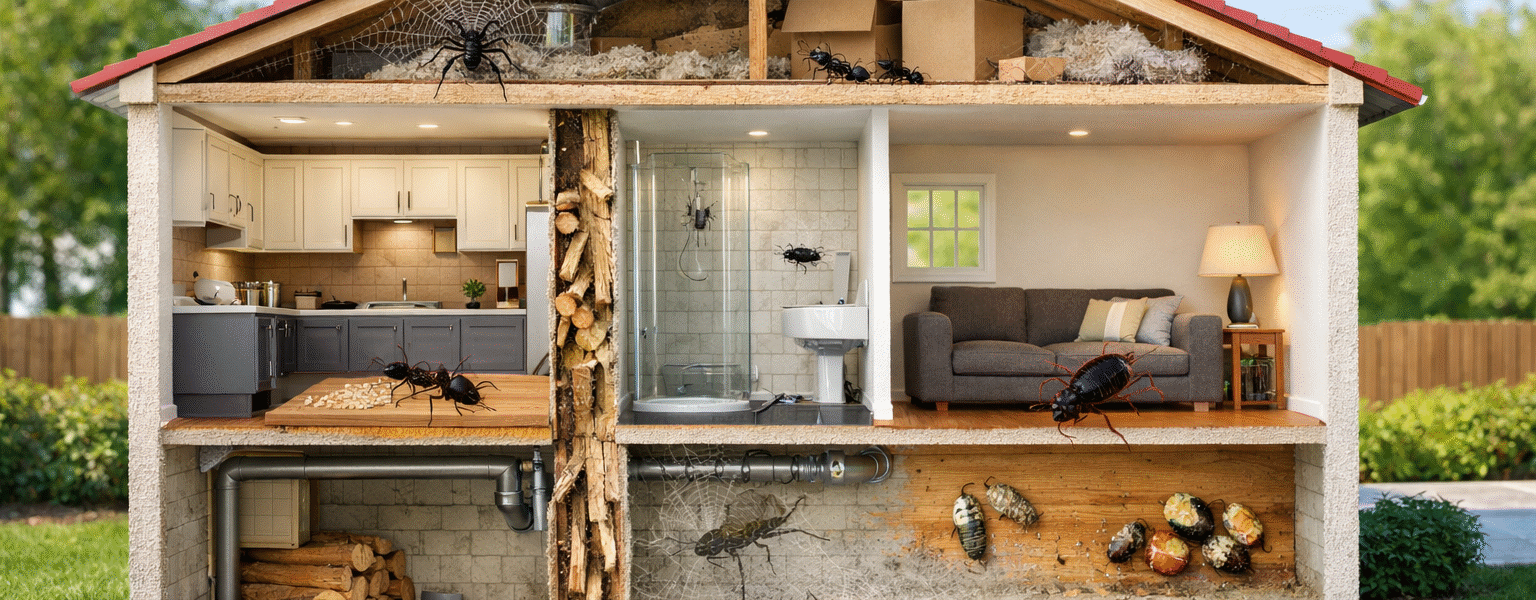
That does not mean you have hundreds of visible bugs crawling around. Instead, it means small, often hidden populations of insects live in walls, basements, attics, crawl spaces, and drains.
Most are harmless and many are temporary visitors and nearly all go unnoticed. Now let’s explore what that really means — and whether you should worry.
What Does “How Many Insects Live In The Average Home” Actually Mean?
Before diving deeper, it’s worth clearing up one key detail. When researchers estimate indoor insect life, they usually measure species diversity, not total bug count.
There’s a big difference between:
-
Species – different types of insects
-
Individuals – total number of insect
Insects in the Average Home: Species vs. Individuals
| Insect Type | Typical Species Count | Typical Number of Individuals | Notes |
|---|---|---|---|
| Ants | 2–5 species | 5–50 ants | Usually seasonal; attracted to food. |
| Spiders | 2–4 species | 1–10 spiders | Most are harmless predators. |
| Carpet Beetles | 1–2 species | 1–5 beetles | Feed on natural fibers; often hidden. |
| Silverfish | 1 species | 1–5 insects | Prefer damp areas like basements or bathrooms. |
| Cockroaches | 0–2 species | 0–10 (if present) | Thrive in warm, moist areas; not in every home. |
| Pantry Pests | 1–3 species | 1–20 insects | Include flour beetles, grain beetles, and moths. |
| Drain Flies | 0–1 species | 1–10 insects | Breed in organic buildup; appear near drains. |
For example, your home might have:
-
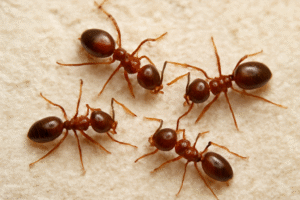
3 species of ants
-
2 species of spiders
-
1 species of beetle
-
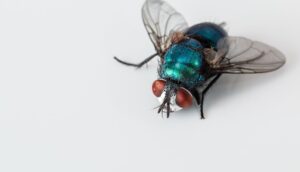
Several types of small flies
That already adds up quickly, however each species may exist in very small numbers. So yes, insects in your home are normal. But that does not mean infestation.
Why Are There So Many Insects In Homes?
At first glance, 50 to 200 species sounds overwhelming. However, once you understand why insects enter homes, the number makes sense.
Let’s break it down.
1. Homes Provide Shelter

Insects look for stable environments. Your home offers:
-
Consistent temperatures
-
Protection from weather
-
Fewer predators
-
Safe breeding spaces
Because of that, some insects move in permanently. Others simply pass through.
2. Food Is Always Available

- Even very clean homes provide food sources.
- Crumbs. Pet food. Dust. Organic fibers.
- Even tiny amounts of organic matter can support small insect populations.
- So cleanliness helps, but it does not eliminate all insects.
3. Entry Points Are Everywhere
Most homes have tiny gaps around:
-
Doors
-
Windows
-
Utility pipes
-
Electrical wiring
-
Foundations
Insects only need a small opening. As a result, completely sealing a home is nearly impossible.
4. Some Insects Enter Accidentally
Not every insect is a resident.
Some:
-
Fly toward porch lights
-
Enter during storms
-
Hitch a ride on groceries
-
Crawl in through open doors
They may stay briefly. Or they may leave.
Still, they count toward the total.
Common Insects Found Indoors
Now let’s look at the types of insects most often found in the average house. These are the usual suspects.
Ants
Ants are one of the most common indoor insects, they enter looking for food and water. Most activity happens in kitchens, however many ant invasions are seasonal and temporary.
Spiders
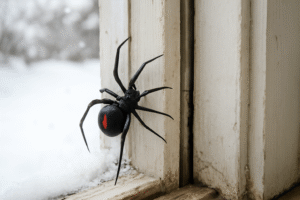
Spiders are predators they feed on other insects in fact, they help reduce the overall indoor insect population. Most house spiders are harmless and avoid human contact.
Carpet Beetles
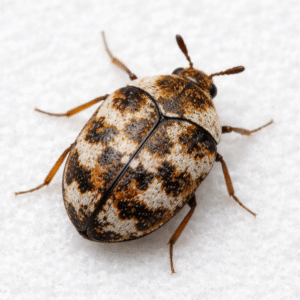
Carpet beetles feed on natural fibers.
They can damage:
-
Wool
-
Carpets
-
Upholstery
-
Clothing
Often, homeowners notice fabric damage before seeing the insect.
Silverfish
Silverfish prefer damp environments, they feed on paper, glue, and starchy materials. Bathrooms and basements are common hiding spots.
Cockroaches
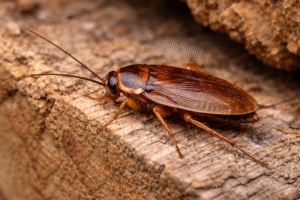
Cockroaches thrive in warm, moist areas they are not present in every home. However, when conditions are right, they reproduce quickly.
Pantry Pests
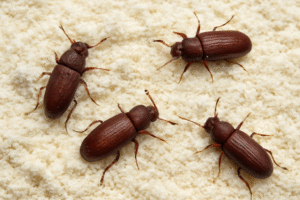
Pantry pests include:
-
Grain beetles
-
Food moths
They usually enter through packaged goods. Once inside, they spread easily through shelves.
Drain Flies
Drain flies breed in organic buildup inside pipes, they appear near sinks, showers, and floor drains. They are small but persistent.
Should You Worry About Bugs in Your Home
Yes. It is completely normal even brand-new homes are not insect-free. Within weeks of construction, insects begin to enter, however, there is a difference between occasional sightings and on going infestations. Seeing one spider every few weeks is normal, seeing insects daily is not. Frequency and pattern matter.
When Should You Be Concerned?
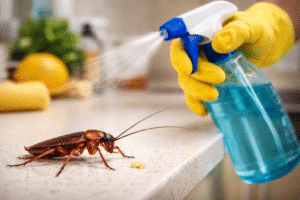
It’s normal to see the occasional spider or ant, but some situations indicate that insect activity is higher than it should be. Here’s when to pay closer attention:
Signs of increased insect activity:
-
You see insects every day rather than occasionally.
-
You notice droppings or unexplained debris.
-
Food packaging appears chewed or damaged.
-
Wood or furniture shows gnawing or holes.
-
You detect unusual odors that weren’t there before.
-
Insects appear during the daytime consistently rather than just at night.
Mini-case study: The Johnson Family
The Johnsons lived in a warm, humid area and noticed occasional ants in their kitchen. At first, they ignored it, thinking it was normal. Over a few weeks, they observed:
-
Ants crawling near the pantry daily
-
Tiny moths in cereal boxes
-
Small droppings behind cupboards
By the time they called a pest professional, what started as a few ants and pantry pests had grown into a moderate infestation that required targeted treatment.
Lesson: Occasional sightings are usually harmless, but persistent or repeated activity—especially in multiple areas of the home—is a warning sign. Acting early can prevent a minor nuisance from becoming a larger problem.
Quick takeaway:
-
Occasional insect sightings → normal
-
Daily sightings, damage, or droppings → investigate and take action
These signs indicate population growth and growth requires action.
What Factors Affect Indoor Insect Populations?
Not all homes have the same insect diversity. Several factors influence how many bugs live in the average house.
Climate
- Warm climates support year-round insect activity.
- Colder climates experience seasonal increases.
- Therefore, location matters.
Home Age

Older homes often have:
-
More cracks
-
Worn seals
-
Settling gaps
These provide additional entry points.
Moisture Levels
Humidity attracts many insects.
For example:
-
Silverfish
-
Cockroaches
-
Drain flies
Reducing moisture can dramatically lower insect activity.
Surrounding Environment

Homes near:
-
Trees
-
Water sources
-
Gardens
-
Wood piles
Often experience higher insect pressure. Outdoor conditions influence indoor life.
Cleanliness
Clean homes reduce food sources, however, insects can survive on very little. So cleaning alone is not enough.
Can You Completely Eliminate Indoor Insects?
Realistically, no.
Every home connects to the natural environment. However, you can reduce insect populations significantly, the goal is not total elimination. The goal is control.
How To Reduce Insects In Your Home
Here are practical steps that work.
1. Seal Entry Points
Inspect and seal:
-
Window frames
-
Door sweeps
-
Foundation cracks
-
Utility openings
Small gaps allow insects inside, closing them reduces entry dramatically.
2. Control Moisture
- Fix leaks immediately
- Use bathroom exhaust fans
- Install dehumidifiers in damp areas
- Lower humidity means fewer insects
3. Store Food Properly
- Switch to airtight containers
- Avoid leaving pet food exposed
- Wipe down counters nightly
- These habits reduce attraction
4. Vacuum Regularly
Focus on:
-
Baseboards
-
Under appliances
-
Closet corners
-
Upholstered furniture
Vacuuming removes eggs and organic debris.
5. Maintain Outdoor Areas
- Trim vegetation away from walls
- Remove leaf piles near foundations
- Store firewood away from the home
- Outdoor management reduces indoor migration
Related Ant Guides:
- Why are ants attracted to toasters and toaster ovens
- Why are ants attracted to wall outlets and switch boxes
- Best natural ways to get rid of ants in your home
- Why are ants attracted to electronics
- How to keep ants out of the coffee maker
- Why are ants attracted to my laptop
- Best ant baits 2026: Top 5 traps to eliminate ants fast
- How to get rid of ants in the kitchen naturally
- Why do dead ants attract more ants
- Why do I suddenly have sugar ants
- How to get rid of sugar ants in your car
- Best way to get rid of sugar ants
- How to get rid of ants in the car
- How to get rid of ants in walls
- How to get rid of ants in potted plants
- Plants that attract ants
- Why are ants attracted to AC units
- Ants near water heater
10 Frequently Asked Questions
1. How many insects live in the average home?
Most estimates range between 50 and 200 different species. The number depends on climate, home size, and environment.
2. Does a clean house still have bugs?
Yes. Clean homes still contain insects. Cleanliness reduces food sources but does not eliminate entry points.
3. Are most indoor insects dangerous?
No. Most are harmless or mildly annoying. Only a small percentage cause health or structural problems.
4. How many spiders live in the average house?
Most homes contain several spiders at any time. They typically remain hidden and help control other insects.
5. Is it possible to have zero bugs in your house?
No home is completely insect-free. However, prevention can keep numbers very low.
6. Why do I see more insects at night?
Many insects are nocturnal. They become more active when lights are off and human activity decreases.
7. Are insects worse in summer?
Yes. Warm weather increases breeding and activity for many species.
8. Do larger homes have more insects?
Generally, yes. Larger homes provide more hiding places and entry points.
9. How do insects get inside?
They enter through cracks, vents, open doors, groceries, and even clothing.
10. What is the fastest way to reduce indoor insects?
Seal gaps and reduce moisture first. Those two steps often produce noticeable improvements quickly.
Conclusion: Should You Worry?
So, how many insects live in the average home? between 50 and 200 species. That number may seem unsettling at first, however, most insects remain hidden most are harmless and most exist in very small populations. Your home is part of a larger ecosystem and is not sealed off from nature, the goal is not perfection. The goal is prevention. If you notice increasing sightings, visible damage, or repeated activity, then action is necessary otherwise, a small indoor insect population is normal. Now you understand the full picture and when you understand something, it becomes far less intimidating.