
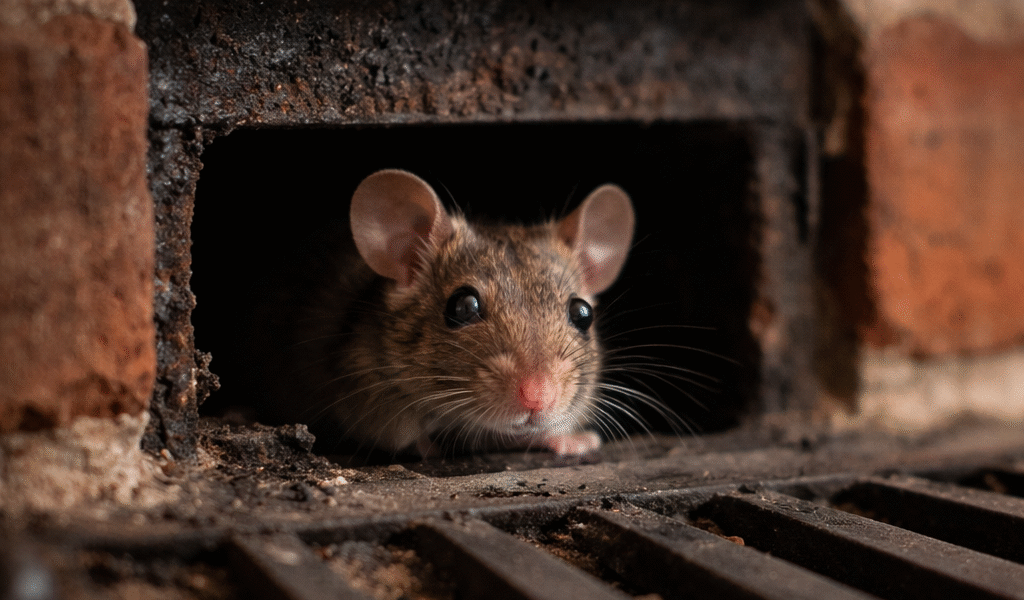
Mice In Chimney: How to Handle an Unwanted Guest
Why Are Mice In Your Chimney?
Mice are resourceful creatures that will make use of any opportunity for shelter, food, and warmth. Your chimney provides an ideal space for them to live. Here’s why mice are so attracted to chimneys:
1. Warmth and Shelter
During the colder months, mice seek warm environments to escape the cold. Your chimney, especially if it’s unused, offers a warm, secluded place perfect for nesting.
2. Easily Accessible Entry Point
Chimneys are often open at the top and bottom, making them an easy access point for mice to enter your home. Once inside, they can climb down the chimney’s walls and make their way into your living space. Installing a rodent-proof chimney cap can help prevent mice from entering while still allowing proper airflow.
3. Food Sources
If there’s any food or garbage near the chimney, mice may be tempted to explore. Crumbs in your fireplace or even birdseed near the chimney can attract them further.
4. Safe from Predators
The chimney offers a safe haven for mice, as the walls are often too smooth for larger predators to climb. This makes it an ideal place for them to raise their young and stay hidden from danger.
The Risks of Having Mice in Your Chimney
Having mice in your chimney isn’t just an inconvenience—it can be dangerous for several reasons:
1. Fire Hazards
Mice can chew through the lining of your chimney or the wood framing around it. They can also damage flue pipes or the damper, creating fire hazards. The worst-case scenario is that their nesting materials, such as leaves or insulation, could catch fire.
2. Health Risks
Mice carry diseases and parasites, including hantavirus, salmonella, and fleas. These can spread to humans through droppings, urine, and even direct contact. If left unchecked, the infestation could lead to potential health risks.
3. Structural Damage
Mice are notorious for chewing on wood, wiring, and even chimney components. Over time, they can cause significant damage to your chimney and home’s structure.
4. Odor Issues
Dead mice, urine, and feces can leave unpleasant odors that are difficult to remove. The smell can seep into your living areas and remain for an extended period.
How to Identify Mice in Your Chimney
Identifying a mouse infestation early can help prevent more significant problems down the line. Here’s what to look for:
1. Noises
Scratching, scurrying, or squeaking noises coming from the chimney, especially at night, can indicate mice are present. These sounds are most likely to happen during the late evening or early morning hours when mice are most active.
2. Droppings
Small, dark droppings near the fireplace or in the chimney itself may indicate the presence of mice. Mice tend to leave their droppings in areas where they frequent, so if you notice clusters, it’s a clear sign.
3. Nesting Materials
Look for shredded paper, fabric, leaves, or other debris near the chimney. These are common materials mice use to build their nests.
4. Chewing Marks
If you notice chewed wood, wires, or even the chimney lining, this is a clear indication that mice are active in your chimney.
How to Get Rid of Mice in Your Chimney
Getting rid of mice in your chimney requires a systematic approach. Here are some steps you can take to evict these unwelcome guests:
1. Block Entry Points
The first step is to identify and block all potential entry points. Install a chimney cap or cover to prevent mice from entering. These covers can also keep birds and debris out, further protecting your home. A heavy-duty chimney cap with mesh sides is one of the most effective ways to block mice and other small animals.
2. Set Traps
Once you’ve sealed the entry points, place traps inside the chimney to catch any mice that may still be inside. There are different types of traps available, from traditional snap traps to humane catch-and-release traps. Be sure to place the traps in areas where you’ve seen activity. For fast results, many homeowners use snap traps for mice, while others prefer a humane catch-and-release mouse trap to remove mice without harming them.
3. Call a Professional
If the infestation is large or you’re not comfortable handling the problem on your own, consider calling a professional pest control service. They will have the right tools and expertise to deal with the situation safely and effectively.
4. Clean the Chimney
Once the mice have been removed, it’s essential to clean the chimney thoroughly. Remove any nesting material, droppings, and debris to avoid further contamination. You can also disinfect the area to reduce the risk of disease. Using a respirator mask rated for rodent cleanup can help protect you from airborne contaminants during cleaning.
5. Install a Chimney Guard
To prevent future infestations, install a chimney guard or a proper chimney cap that mice cannot easily bypass. This will provide long-term protection and peace of mind.
6. Maintain Regular Inspections
Regularly inspect your chimney and home for signs of mouse activity. A proactive approach can help you catch any issues early before they become major problems.
Preventing Mice from Entering Your Chimney
Now that you know how to deal with mice in your chimney, it’s time to take steps to prevent them from coming back. Here are a few preventative measures:
1. Regular Maintenance
Ensure your chimney is in good condition. Have it cleaned and inspected annually to ensure there are no cracks or gaps that mice can use to enter.
2. Seal Gaps and Cracks
Check your home for any other entry points for mice, including gaps in doors, windows, and walls. Seal these cracks to prevent mice from entering your home in the first place .A rodent-resistant expanding foam sealant is commonly used to close small gaps mice can squeeze through.
3. Remove Attractants
Keep your home clean and free from food debris. Ensure your fireplace and chimney area are clear of any food sources that might attract mice.
4. Trim Back Tree Branches
If you have trees near your chimney, trim back any branches that may provide a bridge for mice to access your roof.
FAQs About Mice in Chimney
-
How do mice get into my chimney?
Mice can enter through cracks, gaps, or open flue tops. Chimneys that are not properly sealed are more susceptible to infestations. -
What damage can mice do to my chimney?
Mice can chew through chimney lining, wood, and even electrical wiring. They can also cause blockages, leading to chimney fires. -
How do I know if there are mice in my chimney?
Look for signs like scratching noises, droppings, nesting materials, or chewing marks. -
Are the traps safe for my chimney?
Yes, traps can be safe if placed carefully. Make sure they are positioned away from the chimney’s flammable parts. -
Should I call a professional for a mouse infestation?
If you’re unsure about handling the infestation or if the situation seems severe, calling a professional pest control service is recommended. -
Can I prevent mice from entering my chimney?
Yes, installing a chimney cap, sealing gaps, and maintaining regular chimney inspections can help prevent mice from entering. -
Is it possible to remove mice from my chimney without harming them?
You can use humane traps to catch and release mice safely. -
How can I get rid of the smell of mice in my chimney?
Clean the chimney thoroughly and disinfect it. A mixture of vinegar and water can help neutralize odors. -
What if I find dead mice in my chimney?
If you find dead mice, carefully remove them using gloves and disinfect the area to prevent the spread of diseases. -
How often should I check my chimney for mice?
It’s a good idea to check your chimney seasonally, especially before winter, to ensure no rodents have made it their home.
Conclusion
Dealing with mice in your chimney can be a hassle, but it’s a problem that can be tackled with the right knowledge and tools. By sealing entry points, setting traps, and maintaining regular chimney inspections, you can protect your home from these pesky rodents. Don’t wait for the situation to escalate—take action today to ensure your chimney stays mouse-free and safe!
Preventative tools like a rodent-proof chimney cap and reliable mouse traps can help keep your chimney mouse-free long-term.




You are right, a chimney can be like a hotel to a mouse. And it is such an awkward place to get into to clean up after them. What happens if you light a fire, would this not chase the mice out through the top?
I am scared of mice and rats and I would definitely need to call in the specialists if this happened to me, as I would be to scared to release them from the traps.
Lighting a fire in your chimney might chase mice out temporarily, but it’s not a safe or permanent solution, as it could cause a fire, harm the mice, or leave you with the hassle of dealing with trapped or dead rodents.