How to Get Rid of Brown-Banded Cockroaches: A Complete Guide to Control and Prevention
Brown-Banded Cockroach Identification: How to Spot Them
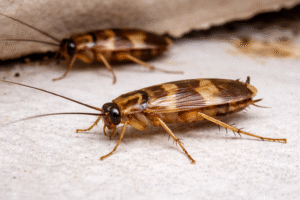
The brown-banded cockroach is easily recognizable by its light brown color and distinct banding across its wings and abdomen. These roaches grow between 5/16 to 5/8 inches long and have six legs, wings, and antennae. While they may appear similar to other cockroaches, their unique banded pattern and smaller size make them stand out. If you’ve spotted one, it’s important to act fast, as these pests can breed rapidly.
The Brown-Banded Cockroach Lifecycle
Brown-banded cockroaches follow a three-stage life cycle: egg, nymph, and adult. Female cockroaches carry the egg capsule for 24 to 36 hours before attaching it to surfaces like tables, furniture, walls, or ceilings. The egg capsule itself is yellowish or reddish-brown and about 3/16 inch in size. These roaches live for approximately one year, during which time they can reproduce quickly, creating significant infestations if not controlled early.
How Brown-Banded Cockroaches Get Indoors
There are many ways these pests can infiltrate your home. Here are some common entry points for brown-banded cockroaches:
-
Cracks and crevices in the foundation or walls
-
Damaged window and door screens
-
Openings around utility pipes entering the home
-
Missing or damaged door thresholds
-
Cracks around door and window frames
Additionally, brown-banded cockroaches can hitch a ride on used furniture, boxes, appliances, and luggage. This makes it especially important to inspect secondhand items carefully before bringing them into your home.
Common Places to Find Brown-Banded Cockroaches Indoors
If you suspect a brown-banded cockroach infestation, here are some common places to check:
-
Behind wallpaper (where they feed on glue)
-
Upper corners of kitchen cabinets and bathrooms
-
Behind picture frames and wall-mounted fixtures
-
Beneath tables, chairs, and furniture
-
Inside electronics like radios, clocks, and TVs
-
In appliances like refrigerators and dryers
-
Behind baseboards and within cracks in door frames
If you’re seeing them in high places or hidden areas, it’s a sign that they’ve found a comfortable hiding spot.
Natural Methods to Control Brown-Banded Cockroaches
If you’re dealing with a small infestation, natural methods can be effective for control. Try these tips:
-
Seal cracks and crevices with caulk or foam.
-
Repair damaged window and door screens.
-
Install or repair door thresholds to seal gaps.
-
Use weather-stripping to block air leaks around doors and windows.
-
Store dry foods in airtight containers.
-
Clean up food particles after every meal and keep surfaces clear.
-
Fix leaky pipes to remove water sources.
-
Clean pet food bowls and store dry pet food in sealed containers.
-
Reduce clutter by discarding old boxes and papers.
While natural methods can help keep small infestations at bay, combining them with other methods like baits or insecticides might be necessary for larger problems.
Insecticides and Baits to Control Brown-Banded Cockroaches
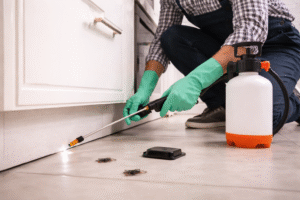
If you’re dealing with a larger infestation, insecticides and baits will be necessary to eliminate brown-banded cockroaches. Some of the most effective products include:
-
Granules and Baits: Products like Intice Bait or Niban FG are excellent for use in basements, attics, and crawl spaces. For kitchens and bathrooms, try Advion Roach Bait Gel or Maxforce FC Roach.
-
Cracks and Crevices: Apply CB Borid Boric Acid or Delta Dust to hard-to-reach areas like behind baseboards, in wall voids, and under appliances.
-
Insect Growth Regulators (IGRs): IGRs like Gentrol IGR disrupt the cockroach’s growth cycle, preventing them from molting and reproducing. This is especially useful for long-term control.
-
Contact Insecticides: Sprays like 565 Plus XLO or D-Force HPX kill cockroaches on contact and can flush them out from hiding areas. Use these to target visible cockroaches and areas where they are likely to be hiding.
-
Residual Insecticides: Products like Demon WP and Suspend SC offer long-lasting protection. These sprays can persist for several hours or even weeks, providing continued control.
10 FAQs About Brown-Banded Cockroaches
-
What is a brown-banded cockroach, and how is it different from other roaches?
-
Brown-banded cockroaches are smaller and prefer dry, warm areas. Unlike German cockroaches, they are often found in cabinets or electronics.
-
-
Are brown-banded cockroaches harmful to my health?
-
Yes, they spread bacteria, trigger asthma, and can cause allergic reactions.
-
-
Where do brown-banded cockroaches hide indoors?
-
They like high, dry areas like upper kitchen cabinets, closets, and behind picture frames.
-
-
How do they get into my home?
-
They can enter via cracks, damaged screens, and by hitchhiking on used furniture and appliances.
-
-
What’s the best way to get rid of them?
-
Use a combination of baits, gel traps, and insect growth regulators for best results.
-
-
Can I use natural methods?
-
Yes, boric acid and baking soda can be effective for smaller infestations.
-
-
How do I keep them from coming back?
-
Seal cracks, store food properly, clean up spills, and fix leaky pipes.
-
-
Are they more active at night?
-
Yes, brown-banded cockroaches are nocturnal and hide during the day.
-
-
Can brown-banded cockroaches fly?
-
Males can glide short distances, but females cannot fly.
-
-
Should I call a professional?
-
If the infestation is severe, it’s best to contact a pest control expert.
Conclusion
Brown-banded cockroaches can be challenging to control, but with the right knowledge and tools, you can manage them effectively. By following the tips outlined in this guide, you can eliminate brown-banded cockroaches and prevent future infestations. If you’re facing a severe infestation, don’t hesitate to call in a professional pest control service to take care of the problem for good.