Your Ultimate Guide to a Healthy, Lush Lawn
If you’ve noticed patches of yellow or brown grass on your lawn or find that your grass pulls up easily, you might have a grub problem. These pesky larvae of beetles, such as Japanese beetles and June bugs, can wreak havoc on your lawn if not controlled early.
In this comprehensive guide, we’ll walk you through how to control grubs in your lawn and restore its health. From identifying the problem to natural and chemical solutions, we’ve got you covered.
What Are Grubs and Why Are They Harmful?
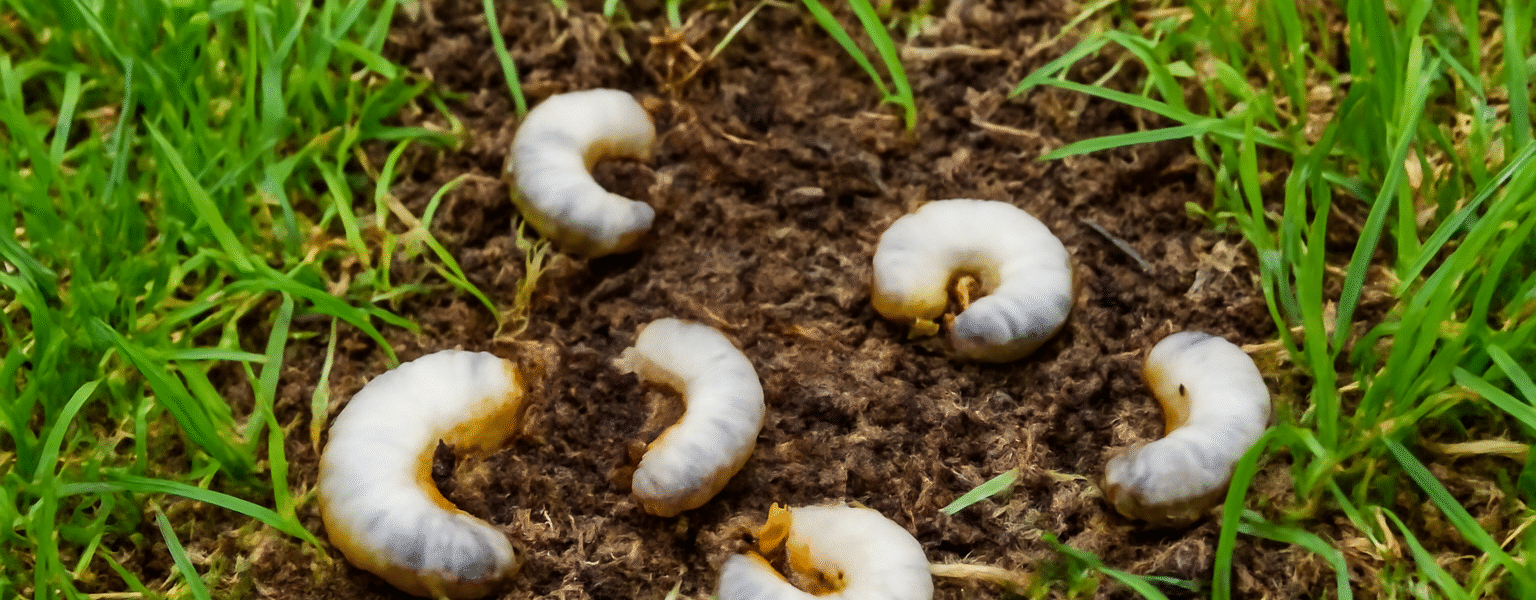
Grubs are the larvae of beetles that live in the soil. They feed on grassroots, which weakens the lawn and makes it more susceptible to disease. Grubs can also attract predators like birds, skunks, and raccoons, which will dig up your yard in search of their next meal. If left untreated, grubs can cause severe damage to your lawn, leading to expensive repairs.
Common Signs of a Grub Infestation
-
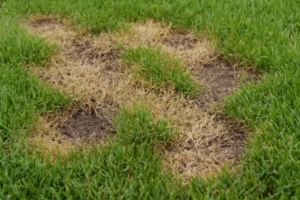
Brown patches: Your lawn may start to turn brown or yellow, particularly in the summer months.
-
Easy-to-pull-up grass: If the grass lifts up easily in patches, it may be due to the roots being eaten by grubs.
-
Increased animal activity: Animals like birds, raccoons, and skunks digging up your lawn could indicate a grub infestation.
How To Control Grubs in Your Lawn
Now that you understand the problem, let’s dive into the best methods to control and prevent grubs from damaging your lawn.
1. Use Beneficial Nematodes
One of the most natural ways to control grubs is by introducing beneficial nematodes into your lawn. These microscopic worms are natural predators of grubs. When you apply them to your lawn, they burrow into the soil and infect the grubs, effectively killing them without harming your grass or other plants.
Pros:
-
Eco-friendly
-
Safe for pets and wildlife
-
Targets only grubs, leaving beneficial insects unharmed
Cons:
-
Can take a few weeks to show results
-
Must be applied in the right conditions (moist, warm soil)
2. Apply Grub Control Products
There are plenty of chemical grub control products available. These products typically contain insecticides like imidacloprid or chlorantraniliprole, which kill grubs by interfering with their nervous system. Apply these treatments during the active grub season, usually in late summer or early fall, for the best results.
Pros:
-
Fast-acting
-
Widely available
-
Targets grubs directly
Cons:
-
Can harm beneficial insects
-
May require reapplication
-
Chemical treatment can be harmful to pets if not applied correctly
3. Maintain a Healthy Lawn
A healthy lawn is less likely to suffer from a grub infestation. Proper lawn care practices, such as regular watering, mowing at the correct height, and fertilizing appropriately, help grass grow strong and resilient. A well-maintained lawn can recover from minor grub damage and better withstand attacks from pests.
Tips for a Healthy Lawn:
-
Water deeply but infrequently: This promotes deeper root growth and healthier grass.
-
Mow at the right height: Keeping your grass a little longer can help shade the soil, making it less attractive to grubs.
-
Fertilize regularly: Healthy, thick grass will naturally fend off pests.
4. Dethatch Your Lawn
Dethatching is the process of removing excess organic material that builds up on the surface of the soil. This thick thatch layer can provide a perfect environment for grubs to thrive. Regular dethatching improves air circulation in the soil, which in turn makes it harder for grubs to survive.
Pros:
-
Reduces the likelihood of grub infestations
-
Improves soil health
-
Helps your lawn absorb water and nutrients better
Cons:
-
Can be labor-intensive
-
Not effective if the infestation is severe
5. Attract Predators
Certain predators like birds, frogs, and certain types of beetles are natural predators of grubs. By creating a wildlife-friendly lawn with native plants, you can encourage these predators to help control the grub population. Birdbaths, birdhouses, and native plants will make your lawn a welcoming environment for these grub-eating critters.
Pros:
-
Eco-friendly solution
-
Enhances biodiversity in your yard
-
Low-cost solution
Cons:
-
Results can be slow
-
Might not entirely eliminate the problem
6. Aerate Your Lawn
Aeration is the process of creating small holes in the soil to allow for better airflow, water absorption, and root growth. Grubs prefer compact, waterlogged soils, so aerating your lawn makes the environment less inviting for them.
Pros:
-
Improves overall lawn health
-
Reduces soil compaction
-
Can be done in conjunction with other treatments
Cons:
-
Requires equipment or professional help
-
Best done during cooler months (spring or fall)
7. Timing is Key
The timing of your treatment is crucial. Grubs are most vulnerable during their early life stages. Apply treatments in late summer or early fall, when grubs are still feeding close to the surface. This increases the likelihood of effective control.
10 FAQs About Grub Control
1. What are the signs of a grub infestation in my lawn?
Signs include brown patches, easy-to-pull-up grass, and increased animal activity as they dig up the lawn.
2. When is the best time to apply grub control?
The best time is late summer or early fall when grubs are most active and close to the surface.
3. Are there natural ways to control grubs?
Yes, beneficial nematodes and attracting natural predators like birds are eco-friendly ways to control grubs.
4. Can grub damage be repaired?
Yes, light grub damage can be repaired by reseeding the affected areas and following proper lawn care practices.
5. What’s the difference between chemical and natural grub control?
Chemical grub control uses insecticides to kill grubs, while natural control methods, like beneficial nematodes, use organisms that naturally target grubs.
6. Do grubs harm my lawn permanently?
Not necessarily. If caught early, you can often repair the damage and prevent further infestations.
7. Can I apply grub control during any season?
It’s best to apply grub control in late summer or early fall when grubs are active. Spring and winter are less effective times for treatment.
8. How often should I treat my lawn for grubs?
If using chemical treatments, follow the manufacturer’s guidelines, which may require annual or biannual application.
9. Will lawn aeration help prevent grubs?
Yes, aeration helps reduce soil compaction and makes your lawn less attractive to grubs.
10. Are there any pets-safe grub control products?
Yes, there are pet-safe products, such as beneficial nematodes, that will not harm your pets.
Conclusion
Grubs can cause significant damage to your lawn, but with the right approach, you can control and prevent an infestation. Whether you choose natural methods like beneficial nematodes or opt for chemical treatments, timing and proper lawn care are key. Remember, a healthy lawn is your best defense against grubs, so make sure you maintain it regularly.
By following these tips, you can enjoy a lush, green lawn all year round—free from the damage caused by grubs. Stay proactive and monitor your lawn for signs of infestation, and you’ll keep your yard in top shape for the long term.


This is such a clear and practical guide! I especially appreciate how you break down the difference between minor and major infestations, it helps to know when DIY methods are sufficient versus when it’s time to call in the pros. The tip about applying nematodes in the evening or on a cloudy day is a crucial detail that often gets overlooked. And your emphasis on proper lawn care (like not cutting the grass too short) as a long-term prevention method is so important. It’s a great reminder that the health of the lawn itself is the best defense! Thanks for making a potentially overwhelming topic feel totally manageable.
Thank you for your kind words! I’m so glad the guide helped clarify the differences between minor and major infestations—it’s all about knowing when to tackle things yourself and when to bring in the experts. The lawn care tip really is key for long-term prevention, and I’m happy it stood out to you!