How to Kill Bed Bugs Fast: Safe DIY Methods That Actually Work
Bed bugs are one of the most frustrating pests you can deal with at home. Even a small infestation can quickly turn your bedroom into a place of stress instead of rest.
These tiny insects feed on blood, usually while you are sleeping. Because of this, many people wake up with itchy red bites without knowing what caused them.
At first, the bites may seem harmless, but they can lead to redness, swelling, and ongoing irritation. In some cases, scratching too much can even cause skin infections or allergic reactions.
The good news is this: you can get rid of bed bugs at home if you act quickly and use the right methods.
The key is not relying on just one solution—but combining several proven techniques for best results.
In this guide, you’ll learn simple DIY steps to kill bed bugs fast and prevent them from coming back.
What Bed Bugs Look Like (Quick Identification)
Adult bed bugs are small, flat, and oval-shaped—about the size of an apple seed. After feeding, they become swollen and darker in color.
They do not fly, but they move quickly across floors, walls, and furniture.
You’ll usually find them hiding in:
- Mattress seams
- Bed frames
- Headboards
- Box springs
- Furniture cracks
They tend to stay close to where people sleep so they can feed easily at night.
How Bed Bugs Get Into Your Home
Bed bugs are expert hitchhikers. They don’t fly or jump—they travel by attaching themselves to objects like:
- Used furniture
- Clothing
- Luggage and backpacks
- Bedding
- Visitors’ belongings
Sometimes they can also enter through small cracks in walls or floors.
This is why infestations often start quietly without being noticed.
How to Identify Bed Bug Bites
Bed bug bites often appear after sleeping and can look like:
- Small red bumps
- Itchy, raised spots
- A darker center in the bite
- Clusters or straight-line patterns
You may also notice:
- Blood spots on sheets
- Dark droppings on fabric
- Skin irritation that worsens overnight
Unlike mosquito bites, bed bug bites often appear repeatedly in the same sleeping areas.
Bed Bug Eggs and Life Cycle (Why They Spread Fast)
Bed bug eggs are tiny, white, and shaped like small grains.
A female bed bug can lay 200–250 eggs in her lifetime, usually in hidden cracks and crevices.
Eggs hatch in about 6–10 days, which is why infestations grow quickly if not treated early.
Bed bugs can also survive months without feeding, making them very persistent pests.
Why Quick Action Matters
Bed bugs won’t go away on their own. In fact, the longer you wait, the worse the infestation becomes.
That’s why combining multiple treatment methods is the most effective way to eliminate them fast.
DIY Ways to Kill Bed Bugs Fast
Here are safe and effective home methods you can start using right away.
1. Wash Bedding in Hot Water
Washing your sheets, pillowcases, and clothing in hot water is one of the simplest ways to kill bed bugs and their eggs.
After washing, always dry everything on high heat.
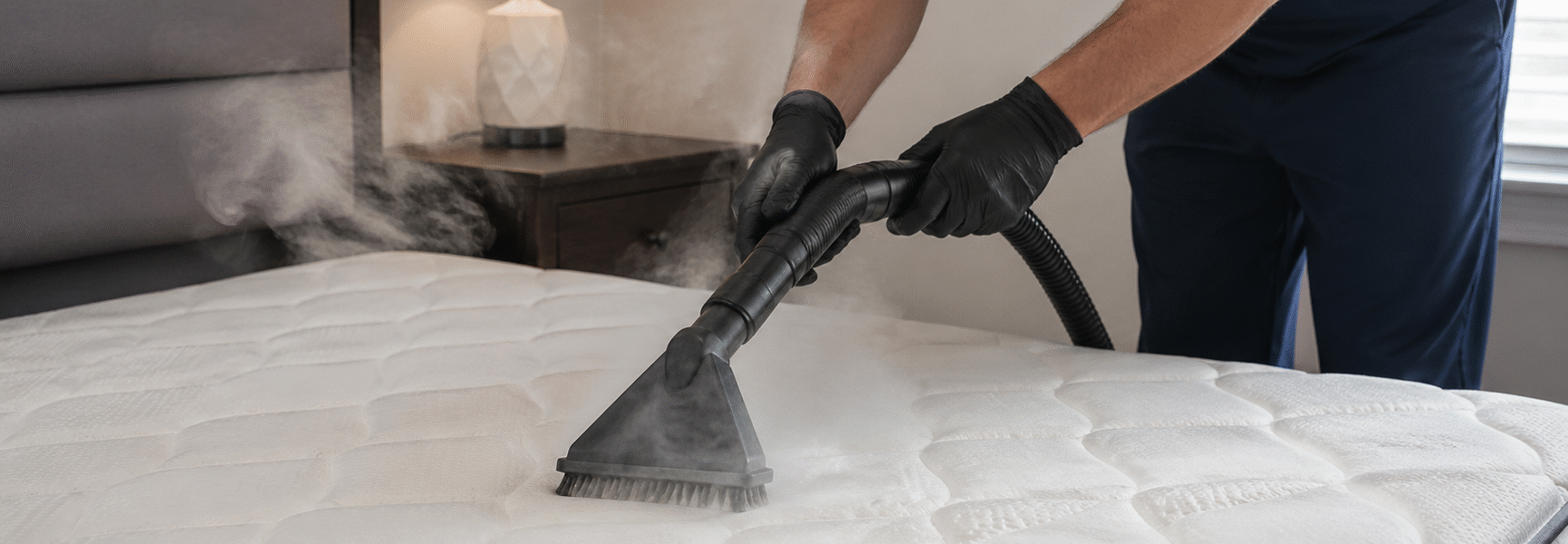
2. Steam Treatment (Very Effective)
Steam is one of the fastest ways to kill bed bugs instantly.
Temperatures above 140°F (60°C) can kill both bugs and eggs on contact.
For best results, use a professional tool like a steam system designed for deep cleaning furniture.
Best Vacuum And Steamer For Bed Bugs
3. Vacuum Everything Thoroughly
A strong vacuum helps remove bed bugs from:
- mattresses
- carpets
- cracks
- furniture seams
After vacuuming, immediately empty the bag and seal it before disposal.
This step works best when combined with steaming.
4. Rubbing Alcohol Spray
Rubbing alcohol can kill bed bugs on direct contact.
Spray lightly into cracks and hiding spots—but avoid overuse near heat or open flames.
5. Use a Stiff Brush
Brushing mattress seams helps dislodge bed bugs and eggs hiding in tight spaces.
It’s simple but very effective when combined with vacuuming.
Why Steam + Vacuum Is the Strongest Method
If you want the fastest results, the most powerful combination is:
✔ Steam cleaning
✔ Vacuuming
This combo reaches deep hiding places where bed bugs survive.
That’s why many people use a dedicated tool setup like:
Best Vacuum And Steamer For Bed Bugs
Not sure which treatment to choose? Here’s a quick side-by-side comparison to help you pick the best option fast:
Best Bed Bug Treatments (Top Picks Compared)
| Product | Best For | Key Feature | Why It Stands Out | Check Price |
|---|---|---|---|---|
| Eco Defense Bed Bug Killer | Natural solution | Plant-based formula | Safe for kids & pets, no harsh chemicals | Check Price on Amazon |
| Harris Black Label Bed Bug Killer | Tough infestations | Resistant-bed-bug formula | Kills even pyrethroid-resistant bugs fast | Check Price on Amazon |
| Rockwell CimeX Dust | Long-term control | Residual insecticide dust | Keeps killing for weeks in hidden areas | Check Price on Amazon |
| EcoRaider Bed Bug Killer | Everyday use | USDA-tested natural spray | Proven effective yet non-toxic | Check Price on Amazon |
| Raid Bed Bug Foaming Spray | Deep cracks & crevices | Expanding foam action | Reaches hidden bugs sprays miss | Check Price on Amazon |
| Ortho Home Defense Max | Budget option | Affordable spray | Great value for large areas | Check Price on Amazon |
| Bedlam Plus | Mattresses & furniture | Dual-action formula | Kills eggs, nymphs & adults | Check Price on Amazon |
Don’t wait—bed bugs multiply quickly. Choose a treatment above and start eliminating them today before the problem spreads
When DIY May Not Be Enough
If the infestation is large or keeps coming back, you may need professional help.
Costs can range from a few hundred dollars to several thousand depending on severity.
DIY works best for early or moderate infestations.
7 Best Bed Bug Treatment
1. Best natural: Eco-defense bed bug killer.
2. Best overall bottle: Harris black label bed bug killer.
3. Best powder: Rockwell cimeX insecticide dust.
4. Best overall: Bed Bug Killer by Eco Raider.
5. Best spray foam: Raid bed bug foaming spray, for indoor use, non-staining.
6. Best for your budget: Ortho home defense max bed bug, flea, and tick killer.
7. Best for mattresses: Bedlam plus.
Bed Bug Prevention Tips
Once you get rid of them, prevention is key:
- Vacuum regularly
- Avoid clutter around beds
- Wash travel clothes after trips
- Use protective mattress covers
- Seal cracks and gaps
- Avoid placing luggage on beds
❓ FAQs About Killing Bed Bugs
1. What is the fastest way to kill bed bugs?
A combination of steam, vacuuming, and hot washing is the fastest DIY method.
2. Can bed bugs be killed permanently?
Yes, but only if all hiding spots and eggs are treated properly.
3. Do bed bugs come back after treatment?
They can if eggs or hidden bugs are missed.
4. Is steam better than spray?
Yes—steam kills bugs and eggs instantly without chemicals.
5. Do I need professional help?
Only if the infestation is severe or widespread.
Conclusion
Bed bugs are tough, but they are not impossible to eliminate.
With the right approach—especially combining heat, steam, and vacuuming—you can remove them effectively from your home.
The key is acting early and being consistent with treatment.
For the best results, many homeowners use a combined setup like:
Best Vacuum And Steamer For Bed Bugs
Taking quick action now can save you time, money, and stress later—and help you sleep peacefully again.