
Home & Garden Pest Control: How to Identify, Treat & Prevent Common Pests

Pests can show up almost anywhere—from ants crossing your kitchen counter to mosquitoes breeding in the backyard or aphids covering your favorite plants.
The tricky part isn’t always getting rid of the pest. It’s knowing what you’re dealing with, why it appeared, and which control method makes sense for the situation.
That’s where BugOffControl can help.
This guide brings together practical pest control information for your home, yard, lawn, and garden. Use it to identify common pests, find targeted treatment advice, compare control options, and learn how to reduce the chances of the problem returning.
Start here if you have a pest problem
1. Identify the pest
Look at its appearance, location, behavior, and the damage or signs it leaves behind.
2. Find the right control method
Once you know the pest, choose a treatment that is appropriate for that particular problem.
3. Address the reason it appeared
Food, moisture, shelter, standing water, damaged plants, and gaps around the home can all contribute to pest activity.
4. Prevent it from returning
Good sanitation, exclusion, garden maintenance, and regular inspections can make your property less attractive to pests.
Affiliate Disclosure: This page contains affiliate links. If you buy through my links, I may earn a small commission at no extra cost to you.
As an Amazon Associate, I earn from qualifying purchases.
The best pest control usually starts with identification—not with buying a product.
Quick Garden Pest Identification
Garden damage can be frustrating, especially when several pests can cause similar symptoms.
Before treating a plant, look closely at the insects, the damage, where you find them, and when the problem appears. Correct identification can help you avoid using a treatment that isn’t designed for the pest you’re actually dealing with.
| Garden Pest | What to Look For | Common Signs of Damage | Learn More |
|---|---|---|---|
| Aphids | Tiny, soft-bodied insects clustered around new growth | Curled, distorted, or yellowing leaves; sticky honeydew | Aphid Control Guide |
| Whiteflies | Tiny white insects that flutter away when disturbed | Yellowing leaves, weakened growth, sticky residue | Whitefly Control Guide |
| Mealybugs | White, cotton-like clusters on stems and leaf joints | Stunted growth, yellowing, sticky foliage | Mealybug Control Guide |
| Thrips | Very small, slender insects | Silvery streaks, scarred foliage, distorted flowers | Thrips Control Guide |
| Caterpillars | Visible larvae or fresh feeding damage | Holes, ragged edges, missing leaves, droppings | Caterpillar Control Guide |
| Slugs & Snails | Slime trails and nighttime feeding | Ragged holes and missing plant tissue | Slug & Snail Control Guide |
| Lawn Grubs | White or curled larvae beneath turf | Brown patches, thinning grass, loose turf | Lawn Grub Guide |
Can’t identify the pest yet? Don’t rush into treatment. Start with the location, appearance, feeding pattern, and damage. Those clues can narrow down the possibilities considerably.
Find the Right Pest Control Solution
Once you’ve identified the pest, it’s much easier to decide what to do next.
Different pests require different approaches. A bait that works well for ants isn’t necessarily appropriate for mosquitoes, termites, or caterpillars.
1. Identify the pest
Determine what you’re seeing and where the activity is occurring.
Pay attention to:
- What the pest looks like
- Where you found it
- Whether it is indoors or outdoors
- What time of day you notice it
- What type of damage or evidence it leaves behind
2. Find the source
Ask yourself what may be attracting or supporting the pest.
Common factors include:
- Food
- Water
- Moisture
- Shelter
- Standing water
- Overgrown vegetation
- Damaged wood
- Gaps and cracks
- Outdoor breeding areas
3. Choose targeted control
Depending on the pest, control may involve:
- Baits
- Traps
- Barriers
- Exclusion
- Sanitation
- Physical removal
- Targeted treatments
- Plant-care practices
- Repellents
4. Follow up
Pest control isn’t always a one-time job.
Continue monitoring the area and address anything that could allow the pest to return.
Start With the Problem, Not the Product
It’s easy to see a pest and immediately start searching for a spray or trap.
But buying a product before identifying the problem can lead to wasted money—and sometimes make the situation harder to manage.
Instead, start with these questions:
What pest is this?
Why is it here?
Where is it coming from?
What is allowing it to survive or reproduce?
What control method fits the situation?
Once those questions are answered, product selection becomes much easier.
Find Your Pest
Use the sections below to jump directly to the type of pest you’re dealing with.
🏠 Common Home Pests
🐜 Ants
Ant problems can range from a few scouts in the kitchen to persistent colonies nesting around or inside a home.
Explore guides covering:
- How to get rid of ants in the kitchen
- Carpenter ant control
- Fire ant control outdoors
- Why ants are attracted to electronics
- Natural ways to control ants
🪳 Cockroaches
Cockroaches are particularly frustrating because they can hide in cracks, walls, cabinets, appliances, and other hard-to-reach areas.
Learn about:
- German cockroach control
- American cockroach control
- Controlling indoor roach infestations
- How to get rid of roaches overnight
🦟 Mosquitoes
Mosquito control works best when you address both breeding areas and adult mosquitoes.
Explore:
- Backyard mosquito control
- Natural mosquito control
- Mosquito traps for large yards
- Mosquito control around the home
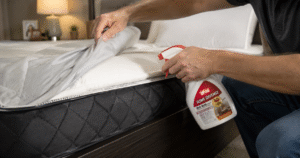
🛏️ Bed Bugs
Bed bugs can be difficult to eliminate because they hide in seams, cracks, furniture, and other protected areas.
Helpful resources include:
- Bed bug bites vs. mosquito bites
- Bed bug mattress protection
- Vacuum and steam treatment
- Natural bed bug control
🐀 Rats & Mice
Rodent control should focus on both removing the animals and preventing new ones from getting inside.
Learn more about:
🪵 Termites
Termites deserve particular attention because an established infestation can damage structural wood.
Start with:
- How to check your home for termites
- Termite treatment kits for homeowners
- Termite treatment for first-time homeowners
- Wood protection
🌿 Garden Pest Control
A healthy garden naturally attracts insects, but not every insect belongs on your plants.
The key is learning to distinguish between plant-damaging pests and beneficial insects.
When possible, use targeted methods that minimize unnecessary harm to pollinators and other helpful insects.
Learn how to protect beneficial insects while controlling garden pests.
🌹 Aphids
Aphids are tiny sap-feeding insects that often gather on young shoots, stems, buds, and the undersides of leaves.
A small population may go unnoticed, but larger infestations can weaken plants and distort new growth.
Signs of aphids
- Sticky honeydew on leaves
- Curled or distorted growth
- Yellowing foliage
- Clusters of small insects
- Increased ant activity around affected plants
Explore:
🐛 Caterpillars
Caterpillars can chew through leaves surprisingly quickly, particularly when populations build up.
Look for:
- Large holes in leaves
- Ragged leaf edges
- Missing foliage
- Caterpillar droppings
- Visible larvae
When treating caterpillars, consider the plants you’re protecting and try to minimize unnecessary impact on beneficial insects.
Learn how to control caterpillars in the garden.
🪰 Whiteflies
Whiteflies commonly gather on the undersides of leaves. When an affected plant is disturbed, the tiny insects may suddenly fly into the air.
Common signs include:
- Small white insects
- Yellowing leaves
- Sticky residue
- Weak or reduced plant growth
Learn how to control whiteflies.
🐛 Mealybugs
Mealybugs can hide around stems, leaf joints, and other protected areas.
Look for:
- Cotton-like white clusters
- Sticky foliage
- Yellowing leaves
- Slow plant growth
- Sooty mold
Learn how to control mealybugs.
🐜 Thrips
Thrips are tiny insects that can damage flowers, vegetables, and ornamental plants.
Signs may include:
- Silvery streaks
- Scarred foliage
- Brown patches
- Distorted flowers
- Tiny dark droppings
Read our thrips control guide.
🐌 Slugs & Snails
Slugs and snails are especially troublesome for young plants and seedlings. Because they’re often most active at night, you may notice the damage before you see the pests.
Watch for:
- Ragged holes
- Missing leaves
- Slime trails
- Damage that appears overnight
Helpful approaches can include removing hiding places, watering earlier in the day, and using appropriate barriers or baits when necessary.
Learn more about slug and snail control.
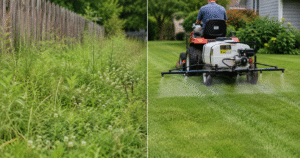
🌱 Lawn Grubs
Lawn grubs live beneath the soil and feed on grass roots. Damage can appear as thinning or brown areas that gradually become more noticeable.
Possible warning signs include:
- Brown patches
- Loose turf
- Grass that pulls up easily
- Increased bird activity
- Visible larvae beneath the soil
Learn how to control lawn grubs.
Recommended Pest Control Products
Once you’ve identified the pest and determined what type of treatment you need, a product can be a useful part of the solution.
The important thing is to match the product to the pest, location, and treatment goal rather than reaching for a general-purpose product simply because it is popular.
Below are some of the product categories commonly used for different pest problems.
🐜 Ant Control
Best suited for: Persistent ant activity and situations where the colony needs to be addressed.
Common options include:
Ant baits can be particularly useful when ants are repeatedly appearing because workers may carry bait back toward the colony.
Consider ant control products when:
- Ants keep returning
- You suspect a nearby or hidden colony
- Indoor and outdoor activity continues
👉 View Recommended Ant Control Products
🪳 Roach Control
Best suited for: Indoor cockroach activity, especially when roaches are hiding in cracks, cabinets, walls, or other protected areas.
Popular product categories include:
If you’re seeing roaches at night, finding droppings, or repeatedly spotting them despite previous treatment, identification and monitoring can help determine how extensive the problem may be.
👉 Explore Recommended Roach Products
🦟 Mosquito Control
Mosquito control usually works best as a combination of source reduction, personal protection, and targeted outdoor control.
Depending on your situation, options include:
Before treating the yard, check for standing water. A product may reduce adult mosquitoes, but eliminating breeding opportunities addresses an important part of the problem.
👉 Explore Mosquito Control Products
🛏️ Bed Bug Control
Bed bugs require a more thorough approach than simply spraying the insects you can see.
Useful tools may include:
Because bed bugs can hide in many locations, treatment should include careful inspection and follow-up rather than relying on a single application.
👉 Browse Bed Bug Control Solutions
🐀 Rodent Control
Rodent control works best when you combine exclusion with appropriate trapping.
Depending on your circumstances, options include:
The long-term goal isn’t simply to catch the rodent you see. It’s to prevent additional rodents from finding their way inside.
🪵 Termite Protection
Termite prevention deserves special attention because termite activity can remain hidden for long periods.
Depending on the situation, homeowners may encounter products such as:
- Termite monitoring stations
- Termite bait systems
- Wood treatments
- Soil barriers
If you suspect an established termite infestation or discover structural damage, professional inspection may be the safest next step.
👉 Learn More About Termite Protection
Most Popular Pest Control Guides
Not sure where to start?
These guides address some of the pest questions homeowners commonly encounter.
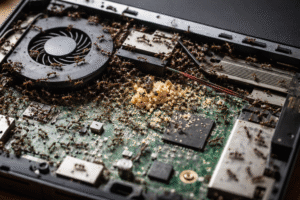
🐜 Why Are Ants Attracted to Electronics?
Ants can sometimes turn up around laptops, routers, outlets, and other electronics. Learn what may attract them and how to deal with the problem without unnecessarily risking damage to your equipment.
- Why ants are attracted to laptops
- Why ants are attracted to electronics
- How to keep ants out of a Wi-Fi router
- Ants around wall outlets
👉 Read the Complete Electronics Ant Guide
🪳 Tiny Black Bugs in the Kitchen
Finding tiny dark bugs around the kitchen can be alarming. Identification is important because several small pests can appear in kitchens and pantries.
👉 Learn What Those Tiny Black Bugs Could Be
🌹 Aphid Control
Learn how to recognize aphids, understand their life cycle, and protect flowers, vegetables, and shrubs from feeding damage.
🦇 Humane Bat Control
Bats play an important role in ecosystems, so keeping them away from a home should focus on safe exclusion rather than harming them.
👉 Learn Humane Bat Exclusion Methods
🦟 Outdoor Mosquito Control
Reduce mosquito activity by addressing breeding areas, improving your yard, and choosing outdoor control methods appropriate for your situation.
👉 Explore Outdoor Mosquito Control
Pest Control by Category
🐜 Ant Control Guides
Find information for common indoor and outdoor ant problems:
- Ants in the kitchen
- Ants in electronics
- Ants around outlets
- Natural ant control
- Outdoor fire ant control
🪳 Roach Control Guides
Learn how to identify cockroach species, locate hiding areas, and build a more effective control strategy.
- Identify cockroach species
- Eliminate cockroaches indoors
- Roaches inside walls
- Indoor roach bait
- Pet-conscious indoor pest control
👉 Browse Roach Articles
🦟 Mosquito Control Guides
Mosquito control starts with understanding where mosquitoes breed and how to reduce exposure.
Explore:
- Backyard mosquito control
- Mosquito repellents
- Mosquito control inside the home
- Bug spray for tropical climates
👉 Browse Mosquito Guides
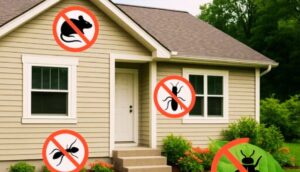
Why Pest Prevention Matters
Getting rid of the pests you can see is only one part of pest control.
If the conditions that attracted them remain, the problem can return.
A few simple habits can make your home and garden less inviting:
- Store food in sealed containers.
- Clean crumbs and spills promptly.
- Repair plumbing leaks.
- Remove unnecessary standing water.
- Keep vegetation from touching the house.
- Seal cracks and gaps around doors and windows.
- Check utility openings and other potential entry points.
- Keep outdoor areas reasonably clean and maintained.
- Inspect plants regularly for early signs of pest activity.
Remember that some infestations begin outdoors before pests eventually make their way indoors. That’s why home maintenance and yard maintenance work best together.
Seasonal Pest Control Guide
Pest activity changes throughout the year. Weather, temperature, moisture, and available food can all influence when particular pests become more noticeable.
🌸 Spring Pest Control
As temperatures rise, outdoor pest activity begins increasing.
Watch for:
Spring checklist
- Inspect plants for early infestations.
- Remove winter debris.
- Check for standing water.
- Inspect around the foundation.
- Look for new cracks or entry points.
☀️ Summer Pest Control
Warm weather can create ideal conditions for many pests.
Common summer concerns include:
Summer checklist
- Empty standing water.
- Maintain the lawn.
- Inspect plants regularly.
- Protect outdoor living areas.
- Check pets and outdoor areas for pest activity.
🍂 Fall Pest Control
As temperatures change, some pests begin looking for protected places to spend the colder months.
Watch for:
- Rodents
- Spiders
- Stink bugs
- Lawn grubs
- Other overwintering insects
Fall checklist
- Seal cracks and gaps.
- Clean gutters.
- Store firewood away from the house.
- Remove unnecessary yard debris.
- Inspect the exterior before cooler weather arrives.
❄️ Winter Pest Control
Cold weather doesn’t necessarily mean pests disappear. Many simply move indoors or become more noticeable around food and shelter.
Common indoor concerns include:
Winter checklist
- Keep food properly stored.
- Check for leaks and moisture.
- Inspect cupboards and storage areas.
- Look for signs of rodent activity.
- Keep up with basic home maintenance.
Common Pest Control Mistakes to Avoid
Even a good pest control product may not solve the problem if the underlying conditions aren’t addressed.
Here are some of the mistakes homeowners commonly make.
1. Treating the wrong pest
If identification is wrong, the treatment may be ineffective.
2. Treating only the visible pests
Seeing a few insects doesn’t necessarily mean those are the only ones present.
The source may be hidden.
3. Ignoring food and water sources
Crumbs, leaks, standing water, pet food, and other resources can continue attracting pests.
4. Treating once and stopping
Some pest problems require monitoring and follow-up rather than a single treatment.
5. Forgetting entry points
If pests can continue entering through gaps, cracks, vents, doors, or utility openings, the problem may return.
6. Overusing pesticides
More product isn’t automatically better. Always follow the product label and use only the amount and application method specified.
When Should You Call a Pest Control Professional?
DIY pest control can be appropriate for many common household and garden pests, but some situations deserve professional attention.
Consider professional help when:
- An infestation continues despite appropriate treatment.
- You discover significant termite activity or structural damage.
- Bed bugs have spread across multiple rooms.
- Rodents continue entering after obvious entry points have been sealed.
- You’re unsure whether a pest could pose a significant health or structural risk.
- You cannot safely reach or treat the affected area.
Getting professional advice early can sometimes prevent a relatively small problem from becoming a much larger one.
Pest Control Safety
Pest control products should always be used responsibly.
Before applying an insecticide, bait, rodenticide, or other pest control product:
- Read the entire product label.
- Follow the specified application directions.
- Keep products away from children and pets unless the label specifically permits their presence.
- Wear any protective equipment required by the label.
- Never mix products unless the manufacturer specifically instructs you to do so.
- Keep products in their original containers.
- Store them securely and according to the label.
For garden treatments, pay particular attention to directions involving edible crops, pollinators, pets, and other beneficial organisms.
Featured Pest Guides
If you aren’t sure which resource to read first, these guides are good starting points for some common pest problems:
- Tiny Black Bugs in the Kitchen
- Why Are Ants Attracted to Electronics?
- Why Are Ants Attracted to My Laptop?
- How to Get Rid of Gnats Outside
- How to Identify Bed Bug Bites
- How to Keep Bats Away Without Harming Them
- How to Get Rid of Ticks in Your Yard
- How to Get Rid of Rats in the House
Frequently Asked Questions About Home & Garden Pest Control
What is the fastest way to get rid of pests?
The fastest effective approach is usually to identify the pest, locate the source, choose a treatment appropriate for that pest, and remove the conditions supporting the infestation.
Trying random products without identifying the pest can waste time and money.
Are DIY pest control methods effective?
Yes, many common household and garden pests can be managed with DIY methods when the pest is correctly identified and the treatment is used according to its directions.
However, persistent, extensive, structural, or difficult-to-access infestations may require professional assistance.
Why do pests keep coming back?
Recurring pest problems usually mean that something is still supporting the infestation.
Common causes include:
- Food
- Water
- Moisture
- Shelter
- Breeding areas
- Entry points
- Untreated outdoor sources
Removing the underlying attraction is often just as important as treating the pests themselves.
Should I use a spray, bait, or trap?
It depends on the pest and the situation.
Baits can be useful for certain social insects and hidden infestations.
Traps can help monitor or capture certain pests.
Sprays may be appropriate for specific pests and locations when used according to the label.
The best option isn’t necessarily the product with the strongest marketing claims—it’s the one appropriate for the pest and the situation.
How can I prevent pests naturally?
Start with prevention basics:
- Keep food stored properly.
- Clean spills and crumbs.
- Eliminate unnecessary standing water.
- Repair leaks.
- Reduce clutter and hiding places.
- Seal potential entry points.
- Maintain your lawn and garden.
- Inspect plants and the home regularly.
Natural products can also be useful for certain pest problems, but they should still be selected and used appropriately.
When should I call a professional pest controller?
Professional assistance is worth considering when an infestation is persistent, widespread, difficult to access, or potentially damaging to the structure of your home.
Termites, extensive bed bug infestations, and recurring rodent problems are examples where professional expertise may be especially valuable.
Why Choose BugOffControl?
Pest control information can be overwhelming. There are countless products, home remedies, treatments, and conflicting recommendations online.
Our goal at BugOffControl is to make the process easier.
Instead of simply telling you to buy a product, our guides focus on helping you understand:
- What the pest is
- Why it may be appearing
- What signs to look for
- Which control methods may be appropriate
- When DIY treatment makes sense
- When professional help may be better
- How to reduce the chance of the problem returning
We believe better pest control decisions start with understanding the problem first.
Home & Garden Pest Control: Start Here
Whether you’re dealing with ants in the kitchen, cockroaches behind the cabinets, mosquitoes around the patio, rodents in the attic, termites in the structure, or aphids on your plants, the first step is the same:
Identify the pest.
From there, you can choose a targeted solution, address the conditions attracting the pest, and put prevention measures in place.
Use the guides throughout BugOffControl to find the information that matches your situation.
Identify the problem → Choose the right control method → Treat appropriately → Prevent it from coming back.
That’s the foundation of effective home and garden pest control.