7 Best Aphid Sprays For Vegetable Gardens That Actually Work
Growing your own vegetables has become more popular than ever. Many homeowners are turning their backyards into edible gardens to enjoy fresh, healthy food while becoming more self-sufficient.
Few things feel as satisfying as picking fresh vegetables from plants you grew and looked after with your own hands.
However, vegetable gardens often attract unwanted pests.
Some bugs simply wander in searching for a safe place to stay, while others come hungry and eager to chew through the plants you worked so hard to grow. One of the most common troublemakers gardeners face is aphids.
I have dealt with aphid problems in my own garden, so I understand how frustrating these tiny pests can be. The good news is that there are many effective products and safe solutions available that can help bring aphid infestations under control.
If you spot aphids spreading through your vegetable garden, don’t worry — you can still get the problem under control. With the right approach, you can safely protect your plants, restore your garden’s health, and enjoy the harvest you worked so hard to grow.
Who Will Find This Guide Helpful? (Start Here First)
Before we jump into sprays and solutions, it helps to quickly see if this guide matches your situation. Every gardener handles aphids differently, so the best solution usually comes down to your gardening style and the type of treatment you feel most comfortable using
If you’re growing vegetables at home, this guide is designed with you in mind. Whether you’re tending tomatoes, peppers, cucumbers, leafy greens, or herbs, aphids can show up quickly and spread just as fast. The good news is that you don’t need complicated treatments to get them under control.
Beginner gardeners
If you’re new to gardening, don’t worry. You don’t need deep pest control knowledge to fix an aphid problem. This guide breaks everything down in an easy way, helping you find sprays that act quickly, stay safe around your garden, and are simple to use without any guesswork.
Organic or natural gardeners
If you prefer to avoid harsh chemicals, you’ll find clear natural options here like neem oil and insecticidal soap. These are popular choices in organic gardening since they can manage pests effectively while still being gentle on your soil and edible plants when applied the right way.
Chemical or fast-results gardeners
If you’re dealing with a heavy infestation and need results quickly, this guide also covers stronger options that act fast and stop aphids before they spread further across your garden.
Vegetable garden owners (important)
If you’re growing edible crops, safety matters just as much as pest control. Every product in this guide is chosen with vegetable gardening in mind, and we highlight which options are safer for food plants and which ones require extra care before harvesting.
Aphid Identification
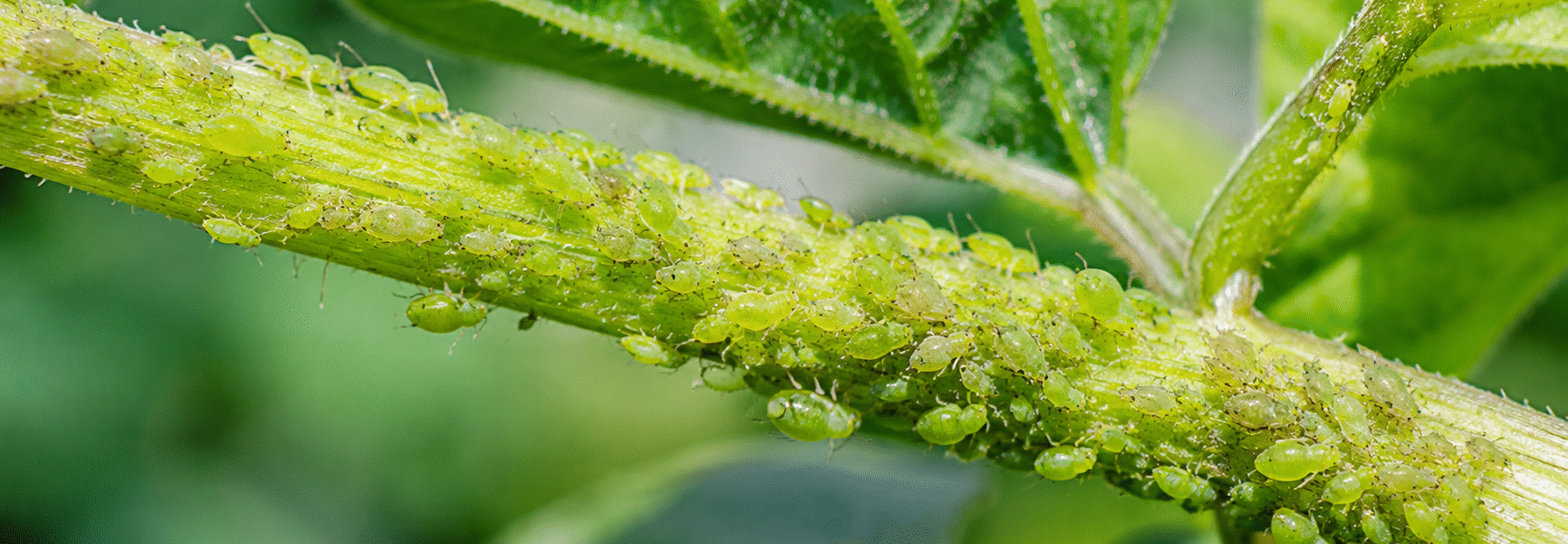
Aphids are tiny soft-bodied insects that gather in clusters on plant stems, leaves, and new growth.
They are usually green, but some species can appear black, yellow, brown, red, or even white.
These garden pests feed by sucking sap from plants, which can cause curling leaves, yellowing, stunted growth, and sticky honeydew buildup. Aphids are commonly found underneath leaves or around fresh plant shoots where the growth is tender and easy to feed on.
Aphid Lifecycles
Aphids multiply at an impressive speed, which is why you can go from just a few to a full-blown infestation in a very short time.
You may first notice small groups of aphids gathering on tender new growth, and within days the colony can grow much larger.
Female aphids can give birth to live young without mating, allowing several generations to develop in a short time. As the population increases, some aphids may grow wings and move to nearby plants to start new colonies.
Signs of Aphid Damage
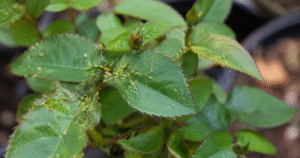
One of the first signs of aphid damage is curled, yellowing, or distorted leaves on your vegetable plants. You may also notice sticky residue, known as honeydew, on leaves and stems, which can attract ants and lead to black sooty mold growth.
When aphids really take hold, plants can start to look tired, droopy, or stunted since these small insects feed on the sap and slowly sap away their strength.
Important Checklist (Read First – Saves You Time & Money)
Before you buy any garden insect spray, check this:
- ✔ Identify your pest (aphids, mites, whiteflies, caterpillars, etc.)
- ✔ Decide: natural vs chemical control
- ✔ Check if plants are edible (some sprays have waiting periods)
- ✔ Look at reapplication frequency
- ✔ Confirm indoor/outdoor safety
- ✔ Avoid mixing multiple sprays at the same time
Affiliate Disclosure: This page contains affiliate links. If you buy through my links, I may earn a small commission at no extra cost to you.
As an Amazon Associate, I earn from qualifying purchases.
Trust & Safety Note
All products below are widely used garden pest control solutions available on Amazon. Always follow label instructions to protect pollinators, pets, and edible plants.
Quick Visual Guide (At-a-Glance)
Best choices by goal:
- ⚡ Fast kill: Pyrethrin sprays
- 🌿 Organic gardening: Neem oil or insecticidal soap
- 🛡️ Disease + insects: BioAdvanced 3-in-1
- ❄️ Seasonal protection: Dormant oil
Best Overall Choice
BioAdvanced 3-in-1 Fruit, Citrus & Nut Tree Spray Ready-to-Spray, 32 oz, Fruit Tree Spray. If you want one product that handles multiple garden problems at once, this is the strongest all-round option. It kills insects, controls fungal issues, and helps manage mites in a single spray.
Best for: Serious infestations + full garden protection
Best Organic Option
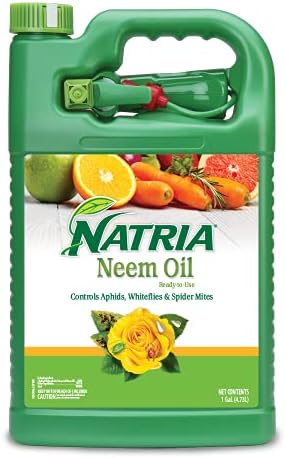
Natria Neem Oil Ready-to-Use For gardeners who prefer a more natural approach, neem oil is a reliable choice. It helps disrupt aphids and other pests while also supporting plant health over time.
Best for: Organic vegetable gardens and long-term care
Fastest Pest Knockdown
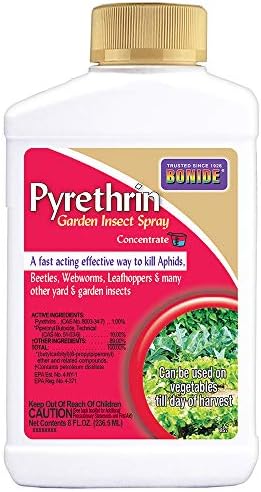
Bonide Pyrethrin Garden Spray
When aphids suddenly explode and you need immediate results, pyrethrin works fast on contact. It’s a strong “stop the damage now” option.
Best for: Heavy infestations and emergency control
Best Budget-Friendly Choice
Natria Insecticidal Soap Ready-to-Use
If you want something simple, effective, and affordable, insecticidal soap is a great starting point. It’s easy to apply and works well on soft-bodied pests like aphids.
Best for: Light infestations and beginner gardeners
Best for Vegetable Gardens
Safer’s Insecticidal Soap
This is one of the most trusted options for edible plants. It works on contact and is commonly used on vegetables like lettuce, peppers, and tomatoes.
Best for: Safe use on food crops during the growing season
Once you know your category, you can scroll down to the full product breakdown and choose the exact spray that fits your garden situation.
What You Will Be Getting By Staying
By the end of this guide, you’ll know:
- Which spray works fastest on pests
- Which is safest for organic gardening
- Which product gives the best long-term protection
- Exactly what to buy for your specific garden problem
Product Comparison Table
| Product | Best For | Speed of Action | Organic Friendly | Reapplication Frequency | Severity Level | Check Listed Price On Amazon |
|---|---|---|---|---|---|---|
| Natria Neem Oil Ready-to-Use | Organic pest + fungus control | Medium | Yes | Every 7–14 days | Light to Medium | Go Organic – Get Natria Neem Oil for Natural Aphid Control |
| Safer’s Insecticidal Soap | Soft-bodied insects (aphids, mites) | Fast (contact kill) | Yes | Every 3–7 days | Light to Medium | Safer’s Insecticidal Soap |
| BioAdvanced 3-in-1 Spray | Multi-pest + disease control | Fast to Medium | No | Every 10–14 days | Medium to Heavy | Take Control Now – Get BioAdvanced 3-in-1 Garden Protection |
| Bonide Pyrethrin Garden Spray | Emergency pest outbreaks | Very Fast | Yes (natural-based but not organic certified) | Every 3–7 days | Heavy infestations | Eliminate Pests Immediately – Order Bonide Pyrethrin Spray |
| Garden Safe Neem Oil Extract | Custom organic mixing control | Medium | Yes | Every 7–14 days | Light to Medium | Garden Safe Neem Oil |
| Natria Insecticidal Soap RTU | Quick home garden cleanup | Fast | Yes | Every 3–5 days | Light infestations | Natria RTU Soap |
| Bonide All Seasons Dormant Oil | Seasonal prevention (eggs, overwintering pests) | Slow (preventive) | Yes | 1–2 times per season | Prevention only | Bonide Dormant Oil |
Top Picks (Best Over-All Most For Gardens)
BioAdvanced 3-in-1 Insect, Disease & Mite Control
⭐ Rating: 4.5/5
If you want one bottle that handles almost everything, this is the strongest all-round option.
It works on insects, fungal disease, and mites — making it ideal for gardeners dealing with multiple problems at once.
Pros

- Controls insects, fungus, and mites
- Fast visible results
- Long-lasting protection
- Works on ornamentals and many garden plants
Cons
- Not organic certified
- Needs careful timing on edible crops
Take full control of your garden today
Natria Neem Oil Ready-to-Use
⭐ 4.2/5
A go-to for gardeners who prefer natural pest control with dual action.
Neem oil disrupts feeding and reproduction, while also helping with fungal issues like mildew.
Pros
- Organic-friendly
- Works on insects + fungus
- Ready-to-use spray
- Safe for many plants
Cons
- Slower results
- Needs repeated application
Switch to natural pest protection
Safer’s Insecticidal Soap
⭐ 4.4/5
Perfect for quick control of soft-bodied pests like aphids and whiteflies.
It works by breaking down the insect’s outer layer.
Pros

- Very safe for edible plants
- Fast contact kill
- Low environmental impact
- Great for indoor plants
Cons
- No residual protection
- Must spray directly on pests
- Requires frequent use
Stop pest outbreaks quickly
Bonide Pyrethrin Garden Spray
⭐ 4.4/5
When pests explode suddenly, this is your fastest emergency solution.
Derived from chrysanthemum flowers, it kills insects on contact.
Pros
- Extremely fast action
- Broad insect coverage
- Good for heavy infestations
Cons
- Short residual effect
- Requires careful use timing
Eliminate pests immediately
Garden Safe Neem Oil Extract
⭐ 4.7/5
A mix-your-own neem solution for gardeners who want full control over strength.
Pros

- Adjustable concentration
- Organic gardening compatible
- Multi-purpose pest + fungus control
Cons
- Requires mixing
Customize your garden protection
Natria Insecticidal Soap Ready-to-Use
⭐ 4.2/5
A convenient spray version for quick and simple pest cleanup.
Pros

- Ready-to-use formula
- Safe for many plants
- Good for light infestations
Cons
- Not strong for severe infestations
- Needs repeat spraying
Quick garden pest fix
Bonide All Seasons Horticultural & Dormant Oil
⭐ 4.5/5
Best for preventing pests before they wake up in spring.
It smothers eggs and overwintering insects on trees and shrubs.
Pros

- Strong preventive control
- Long-term protection
- Works on eggs and dormant pests
Cons
- Not for active infestations
- Seasonal use only
Stop pests before they start
How T0 Choose The Right Product
Here’s a simple breakdown:
- 🐛 Active infestation → Pyrethrin or BioAdvanced
- 🌿 Organic gardening → Neem oil or insecticidal soap
- 🍅 Vegetable garden → Soap or neem oil
- ❄️ Prevention stage → Dormant oil
🥕 Vegetable Pest Control Products Comparison (Quick Guide for Featured Snippets)
If you’re looking for the best vegetable pest control products, this quick comparison helps you match the right treatment to the right problem fast.
| Vegetable Group | Main Pest Problems | Best Pest Control Products | Best Use Type |
|---|---|---|---|
| Leafy Greens | Aphids, cabbage worms, slugs | Neem Oil, Natria, Bt,Insecticidal Soap, Diatomaceous Earth | Organic / Preventive |
| Tomatoes & Peppers | Hornworms, whiteflies, mites | Bt, Neem Oil, Spinosad | Organic + Targeted |
| Cucumbers & Squash | Squash bugs, beetles, vine borers | Neem Oil, Spinosad, Sticky Traps | Mixed Control |
| Root Vegetables | Root maggots, wireworms | Nematodes, DE, Row Covers | Soil + Prevention |
| Corn | Earworms, cutworms | Bt, Spinosad, Neem Oil | Targeted Spray |
| Onions & Garlic | Thrips, onion maggots | Neem Oil, Soap Spray, Nematodes | Preventive |
This table is optimized for search intent around:
“vegetable pest control products” and “what to use on garden vegetables for insects”
🥬 Vegetable-Specific Pest Control Guide
Different vegetables attract different insects, which means using the right product matters if you want real results. Below is a breakdown of the most effective organic pest control for vegetables, organized by crop type.
🥬 Leafy Greens (Lettuce, Kale, Spinach, Cabbage)
Common pests: Aphids, cabbage worms, flea beetles, slugs
Best vegetable pest control products:
- Neem Oil Spray
- Bacillus thuringiensis (Bt)
- Insecticidal Soap
- Diatomaceous Earth (food grade)
Pro tip: Bt works best when applied early before larvae spread across leaves.
🍅 Tomatoes, Peppers & Eggplants
Common pests: Hornworms, whiteflies, spider mites, aphids
Best pest control products for vegetables:
- Bt (especially for hornworms)
- Neem Oil Spray
- Spinosad Spray (for heavy infestations)
- Insecticidal Soap
Pro tip: Check under leaves daily—hornworms can destroy plants quickly.
🥒 Cucumbers, Squash & Zucchini
Common pests: Squash bugs, cucumber beetles, vine borers
Best organic pest control for vegetables:
- Neem Oil Spray
- Spinosad
- Yellow Sticky Traps
- Bt (for larvae stages)
Pro tip: Remove squash bug eggs manually before spraying for best results.
🥕 Root Vegetables (Carrots, Beets, Radishes)
Common pests: Root maggots, wireworms, flea beetles
Best vegetable pest control products:
- Beneficial nematodes
- Diatomaceous Earth (soil application)
- Floating row covers
- Neem soil drench
Pro tip: Prevention is critical—once pests enter soil, treatment is harder.
🌽 Corn
Common pests: Corn earworms, cutworms, aphids
Best pest control products for vegetables:
- Bt (top choice for earworms)
- Spinosad Spray
- Neem Oil
- Sticky traps
Pro tip: Apply Bt directly into corn silk for best protection.
🧄 Onions, Garlic & Leeks
Common pests: Thrips, onion maggots
Best organic pest control for vegetables:
- Neem Oil Spray
- Insecticidal Soap
- Beneficial nematodes
- Row covers (best prevention)
Pro tip: Rotate crops yearly to break pest cycles in soil.
❓ 10 Frequently Asked Questions
1. What is the safest spray for vegetables?
Insecticidal soap and neem oil are safest when used properly.
2. How fast does neem oil work?
It usually takes several days and repeated applications.
3. What kills pests instantly?
Pyrethrin sprays kill on contact very quickly.
4. Is BioAdvanced safe for edible plants?
Yes, but follow label timing carefully.
5. Can I use neem oil every day?
No. Usually every 7–14 days is enough.
6. Does insecticidal soap kill all bugs?
No, mainly soft-bodied insects only.
7. What is dormant oil used for?
It kills overwintering eggs and insects before spring.
8. Will these sprays harm bees?
They can if sprayed directly. Apply early morning or evening.
9. Why do pests return after spraying?
Because eggs are often unaffected.
10. What is best for organic gardening?
Neem oil and insecticidal soap are top choices.