Emergency Pest Control Tips For Hurricane Season
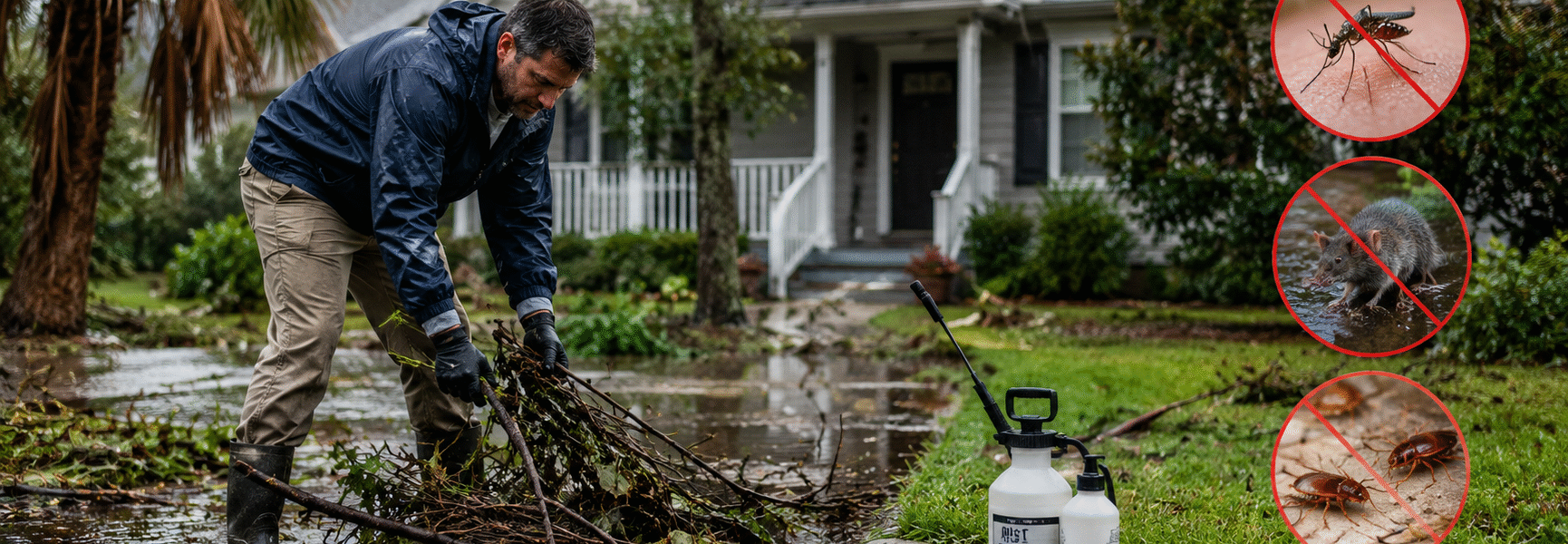
Emergency pest control tips for hurricane season are essential for protecting your home from post-storm infestations.
Hurricane season brings strong winds, heavy rain, flooding, and power outages. However, it also creates the perfect environment for pests. Mosquitoes breed in standing water. Rodents search for dry shelter. Cockroaches move indoors after floods. Ants invade kitchens looking for food and water.
That is why homeowners need a solid pest prevention plan before, during, and after a storm.
In this guide, you will learn practical and effective emergency pest control tips for hurricane season. These tips are simple, affordable, and easy to follow. More importantly, they can help protect your home, family, pets, and garden from unwanted infestations.
Why Hurricane Season Causes Pest Problems
Storms disrupt the natural environment. As a result, pests lose their nesting areas and begin searching for safer places.
For example:
- Floodwater drives rodents into homes
- Standing water increases mosquito breeding
- Fallen trees attract termites and ants
- Garbage buildup draws flies and roaches
- Humidity encourages mold-loving pests
Even a small storm can trigger pest activity. Therefore, early prevention matters.
Affiliate Disclosure: This page contains affiliate links. If you buy through my links, I may earn a small commission at no extra cost to you.
As an Amazon Associate, I earn from qualifying purchases.
Emergency Pest Control Tips For Hurricane Season
1. Remove Standing Water Immediately
Standing water is one of the biggest pest risks after hurricanes. Even small puddles can become mosquito breeding spots because mosquitoes only need a little water to lay their eggs.. In fact, some species only need a bottle cap of water to reproduce.
Check these common areas:
- Buckets
- Flower pots
- Bird baths
- Gutters
- Kiddie pools
- Tarps
- Trash can lids
- Outdoor furniture covers
Empty water daily when possible. Additionally, clean gutters so water drains properly.
Bonus Tip
If you have ponds or water features that can’t be drained, drop in mosquito dunks to help control mosquito larvae and keep the water from becoming a breeding spot.
2. Seal Entry Points Before The Storm
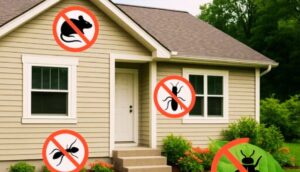
Pests often enter homes during hurricanes because they need shelter.
Inspect your home for:
- Cracks in walls
- Gaps around windows
- Broken screens
- Roof damage
- Spaces around pipes
- Garage door gaps
Use caulk or weather stripping to close openings.
This simple step can help keep out:
As a result, your home becomes harder for pests to invade.
3. Store Food In Airtight Containers
Power outages can spoil food quickly. Unfortunately, exposed food attracts pests fast.
Store dry goods in sealed containers. It’s also a good idea to avoid leaving pet food outdoors overnight, since it can attract pests while you’re not looking.
Good storage options include:
In addition, clean crumbs and spills immediately.
This reduces the chance of:
4. Keep Trash Secure
Overflowing garbage is a magnet for pests after storms.
Strong winds may scatter trash around your property. Consequently, rats, raccoons, flies, and cockroaches become more active.
To reduce problems:
- Use tight-fitting trash lids
- Double-bag food waste
- Take out garbage regularly
- Clean bins with disinfectant
If possible, store trash cans away from doors and windows.
5. Trim Trees And Remove Yard Debris
Hurricanes often leave behind branches, leaves, and damaged wood.
This debris creates ideal hiding spots for pests.
For example:
- Wet wood attracts termites
- Piles of leaves attract roaches
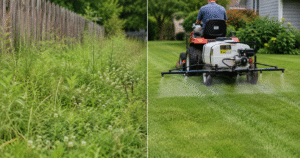
- Tall grass shelters mosquitoes and ticks
- Rodents hide under debris piles
After the storm passes, clean your yard as soon as it is safe.
Furthermore, trim tree branches away from your roof.
6. Check Your Home For Water Damage
Moisture problems can lead to serious pest issues.
Many pests thrive in damp conditions, including:
- Cockroaches
- Silverfish
- Carpenter ants
- Mold mites
- Termites
Inspect:
- Basements
- Crawl spaces
- Attics
- Under sinks
- Behind appliances
Try using fans or a dehumidifier to dry out damp areas as quickly as possible, since pests are less likely to stick around in dry spaces.
Additionally, repair leaks right away.
7. Protect Your Home From Rodents
Rodents become extremely active during hurricanes.
Flooding forces rats and mice to move into homes, garages, and sheds.
To prevent infestations:
- Store food properly
- Remove clutter
- Seal holes larger than a dime
- Keep firewood elevated
- Set traps in vulnerable areas
Pay close attention to kitchens and attics.
Rodents can spread diseases and damage wiring. Therefore, fast action is important.
8. Use Outdoor Mosquito Control Solutions
Mosquitoes are one of the worst post-hurricane pests.
Warm weather and standing water create perfect breeding conditions.
Effective mosquito control methods include:
If you have a large yard, consider using a mosquito trap designed for wide coverage.
Some advanced traps protect up to one acre or more.
9. Inspect Flooded Areas Carefully
Floodwater can carry dangerous pests.
After hurricanes, watch for:
Wear gloves and boots while cleaning.
Additionally, avoid placing your hands into dark or wet areas without checking first.
Safety should always come first.
10. Schedule Preventive Pest Inspections
Professional inspections can identify hidden problems early.
This is especially useful after severe storms.
A pest control expert may check for:
- Termite activity
- Rodent entry points
- Water damage pests
- Nesting areas
- Mosquito breeding zones
Preventive inspections can save money over time because they stop infestations before they grow.
Best Areas To Focus On After A Hurricane
Some parts of the home are more vulnerable than others. Here’s a quick breakdown of where pests usually show up after a hurricane:
Prioritize these areas first:
| Area | Common Pests |
|---|---|
| Kitchen | Ants, roaches, rodents |
| Basement | Silverfish, roaches, termites |
| Yard | Mosquitoes, ticks, ants |
| Attic | Rats, mice, spiders |
| Garage | Rodents, roaches |
| Gutters | Mosquitoes |
By targeting these areas early, you reduce the risk of major infestations.
Natural Pest Control Tips During Hurricane Season
Some homeowners prefer natural pest control methods.
Fortunately, several eco-friendly options work well.
Use Essential Oils
Peppermint oil may help repel spiders and mice.
Tea tree oil can discourage some insects.
However, natural solutions usually work best alongside preventive cleaning.
Plant Pest-Repelling Herbs
Certain plants may help reduce mosquitoes naturally.
Examples include:
- Lavender
- Basil
- Citronella grass
- Rosemary
- Mint
These plants also improve the look of your yard.
Reduce Outdoor Lighting
Bright lights attract insects at night.
Switching to warm LED bulbs may reduce bug activity near doors.
Signs You May Have A Pest Problem After A Hurricane
Watch for these warning signs:
- Droppings
- Chewed wires
- Strange smells
- Scratching sounds in walls
- Insect wings near windows
- Bite marks on food packaging
- Increased mosquito activity
Early detection makes pest control easier.
Therefore, inspect your home regularly after severe weather.
How To Prepare A Hurricane Pest Control Kit
Having supplies ready before a storm can make recovery easier.
Your emergency pest kit may include:
- Flashlights
- Batteries
- Trash bags
- Rubber gloves
- Disinfectant spray
- Caulk
- Mouse traps
- Mosquito repellent
- Airtight containers
- Paper towels
Store everything in a waterproof bin.
Common Mistakes Homeowners Make
Many people accidentally attract pests after storms.
Avoid these common mistakes:
Ignoring Small Leaks
Even small water leaks can attract pests.
Leaving Pet Food Outside
Outdoor food attracts rodents and raccoons.
Delaying Cleanup
Debris piles become pest shelters quickly.
Forgetting Gutters
Clogged gutters create mosquito breeding zones.
Storing Wet Cardboard Indoors
Wet cardboard attracts cockroaches and silverfish.
Long-Term Hurricane Pest Prevention Tips
Short-term cleanup matters. However, long-term prevention is equally important.
Consider these strategies:
- Install gutter guards
- Improve drainage around your home
- Repair roof damage quickly
- Use gravel instead of mulch near foundations
- Keep shrubs trimmed
- Schedule yearly pest inspections
Over time, these steps reduce pest pressure significantly.
Frequently Asked Questions
1. Why do pests become more active during hurricane season?
Storms destroy natural habitats and force pests to search for food, water, and shelter indoors.
2. What pests are most common after hurricanes?
Mosquitoes, rodents, cockroaches, ants, termites, and flies are very common after storms.
3. How can I prevent mosquitoes after flooding?
Remove standing water, clean gutters, and use mosquito traps or larvicide products.
4. Can hurricanes increase rodent infestations?
Yes. Flooding often drives rats and mice into homes and buildings.
5. Should I use professional pest control after a hurricane?
Professional inspections are helpful if you notice signs of infestation or severe water damage.
6. Is standing water dangerous besides mosquitoes?
Yes. Standing water may also attract flies and increase mold growth.
7. What is the fastest way to reduce pest activity after a storm?
Clean up any debris right away, dry out wet spots, store food securely, and eliminate standing water to help keep pests away.
8. Are natural pest control methods effective?
Natural methods can help, especially when combined with proper sanitation and prevention.
9. How often should I inspect my home after a hurricane?
Inspect your property weekly for several weeks after the storm.
10. Can termites become a problem after hurricanes?
Yes. Wet wood and moisture create ideal conditions for termites.
Conclusion
Hurricane season can create major pest problems. However, preparation makes a huge difference.
By following these emergency pest control tips for hurricane season, you can protect your home, yard, and family from unwanted infestations.
Start by removing standing water and sealing entry points. Then, focus on cleanup, moisture control, and food storage.
Small preventive steps today can prevent costly pest problems tomorrow.
Most importantly, stay consistent. Pest control works best when homeowners act early and stay proactive throughout hurricane season.
With the right strategy, you can keep your property cleaner, safer, and far less attractive to pests year-round.