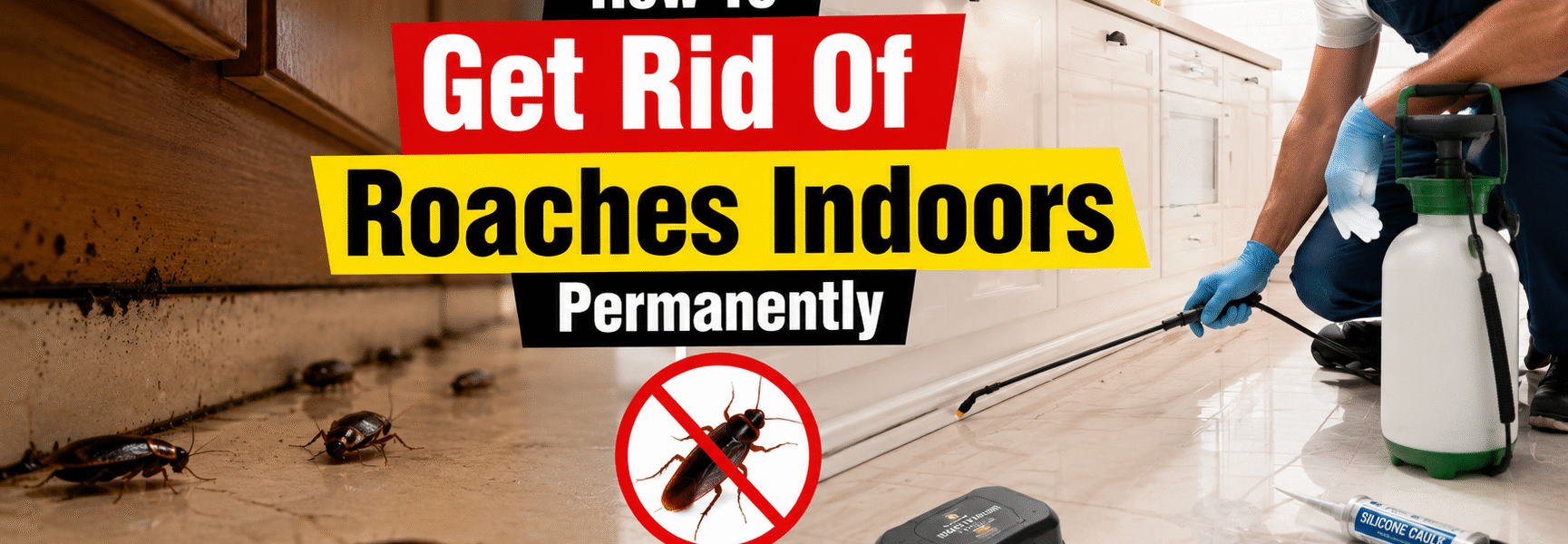
How To Control Roaches Indoors Permanently (DIY) Homeowner Guide)
Roaches are one of the most frustrating indoor pests. Many homeowners spray constantly but still keep seeing roaches weeks later. Why? Because killing visible roaches is not the same as eliminating the infestation. Most indoor roach problems continue because the hidden nest is still active inside the home.
Roaches are experts at hiding in dark, warm, and moist areas such as behind appliances, inside cabinets, under sinks, and even inside wall cracks. While sprays may kill a few roaming roaches, they often fail to reach eggs and hidden colonies. As a result, new roaches continue appearing even after repeated treatments.
Permanent indoor roach control requires more than quick spraying. Homeowners must combine deep cleaning, moisture control, sealing entry points, and targeted bait treatments to fully break the infestation cycle. Once food, water, and hiding spots are removed, it becomes much harder for roaches to survive indoors.
Most Indoor Roach Problems Continue because of:
- Hidden nests inside walls, cabinets, and appliances
- Food crumbs and grease left in kitchens
- Moisture from leaks, sinks, and drains are ignored
- Cluttered storage areas that provide hiding spots
- Cracks and gaps that allow roaches to enter
- Using sprays only instead of bait systems
- Roach eggs surviving after treatments
- Entry points stay open
- Garbage and pet food left exposed overnight
- Inconsistent cleaning and pest control routines
- Nearby infestations spreading from neighboring homes or apartments
Affiliate Disclosure: This page contains affiliate links. If you buy through my links, I may earn a small commission at no extra cost to you.
As an Amazon Associate, I earn from qualifying purchases.
This guide explains:
- Why roaches invades homes
- How to identify the infestation level
- What actually works
- What homeowners do wrong
- And how to stop roaches permanently
Why Roaches Suddenly Appear Indoors
Roaches usually invade homes for 4 reasons:
1. Food Availability
Even tiny crumbs can support a cockroach population. Roaches commonly feed on:
- Grease
- Pet food
- Garbage residue
- Dirty dishes
- Pantry spills
- Cardboard glue
- And even toothpaste residue
2. Moisture Problems
Roaches love humid environments, common moisture hotspots include:
- Under sinks
- Leaking pipes
- refrigerator drip trays
- laundry rooms
- Bathroom cabinets
- AC condensation areas
3. Shelter & Hiding Areas
Roaches prefer tight, dark spaces, these hiding places are typically:
- Behind appliances
- Inside wall voids
- Under cabinets
- Inside wall voids
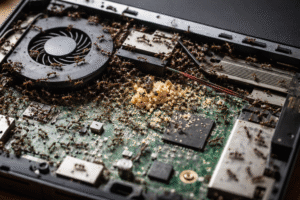
- Inside electronics
- Behind baseboards
- Cluttered storage areas
4. Entry Points
- Roaches often enter through:
- Pipe gaps
- Foundation cracks
- Drain systems
- Grocery bags
- Cardboard boxes
- neighboring apartments
First: Identify The Severity Of The Roach Problem
Many DIY treatments fail because homeowners underestimate the infestation:
Mild Infestation
Signs:
- Occasional roach sightings
- Mostly at night
- Few droppings
Usually localized.
DIY control is highly possible.
Moderate Infestation
Signs:
- Daytime sightings
- Droppings under sinks
- Egg Cases
- Activity in multiple rooms
Population is growing rapidly, requires a full treatment system.
Server Infestation
- Strong musty odor
- Roaches everywhere
- Visible babies
- Activity during daylight
- Infestation spreading from room to room
At this stage:
- Wall voids may contain nest
- Reproduction is active
- And professional treatment may be necessary
What Most Homeowners Do Wrong
| Product | Best For | Type | Key Benefit |
|---|---|---|---|
| Advion Cockroach Gel Bait | German roaches | Gel Bait | Professional-grade colony elimination |
| Combat Max 12 Month Roach Killing Bait | Long-term protection | Bait Stations | Kills hidden roaches continuously |
| Harris Boric Acid Roach Powder | Budget DIY control | Powder | Long residual effectiveness |
| Hot Shot Ultra Liquid Roach Bait | Kitchens & bathrooms | Liquid Bait | Attracts and kills quickly |
| Raid Roach Gel | Crack & crevice treatment | Gel | Easy indoor spot treatment |
| Ortho Home Defense Insect Killer | Indoor perimeter defense | Spray | Creates long-lasting barrier |
| Gentrol Point Source IGR | Preventing reproduction | Growth Regulator | Stops roach breeding cycle |
Mistake #1 : Spraying Everywhere
Heavy spraying often makes infestation worse, why:
Many Sprays:
- Scatter roaches deeper into walls
- Contaminate bait placements
- And only kill exposed insects
The colony survives.
Mistake #2: Ignoring Moisture
You can kill hundreds of roaches, but if water remains available, survivors continues reproducing. Roaches need water more than food.
Mistake #3: Treating Only The Kitchen
Roaches frequently spread to:
- Bathrooms
- Laundry rooms
- Closets
- Electrical outlets
- And wall voids
Mistake #4: Stopping Treatment Too Early
Even after visible roaches disappear:
- Eggs may still hatch
- Hidden colonies may survive
- And infestation may survive
Consistency matters.
The DIY Indoor Roach Elimination System
Step 1: Deep Inspection
Before treatment identity:
Hiding spots
Water sources
Food sources
And travel routes
Areas To Inspect First
- Under sinks
- Behind refrigerator
- Behind stoves
- Dishwater gaps
- Cabinet hinges
- Pantry corners
- Bathroom vanities
Pro Tip
Use a flashlight at night roaches are nocturnal, night inspections reveal activity zones faster
Step 2: Remove Water Sources Immediately
This is one of the fastest ways to weaken roach survival.
Focus on:
- Pipes leaks
- Standing water
- Wet sponges
- Pet bowls overnight
- Refrigerator condensation
Why This Works
Dehydrated roaches become more aggressive toward bait, this increases treatment effectiveness
Step 3 : Eliminate Food Access
Roaches survive surprisingly well on tiny food sources.
- Priority Cleaning Areas
- Grease near stove
- Crumbs under appliances
- garbage can residue
- Pantry spills
- Pet feeding areas
Important
Do not leave dirty dishes overnight, that single habit alone can sustain a population.
Step 4: Use Gel Baits Correctly
This where many homeowners fail.
Why Gel Baits Work Better Than Sprays
Gel baits create:
- Delayed toxicity
- Secondary kill
- And colony transfer
A poisoned roach returns to hiding areas, other roaches will consume:
- Droppings
- Body remains
- And contaminated secretions
The poison spreads though the colony that is why baiting often outperforms spraying.
Where To Place Gel Baits
- Apply small placements:
- Under sinks
- Cabinet corners
- Behind appliances
- Drawer tracks
- Wall gaps
- Near plumbing
Do Not:
- Spray over bait
- Place large blobs
- Contaminate bait with cleaners
Sprays can repel roaches away from baits
Step 5: Use Glue Traps For Monitoring
- Glue traps help determine:
- infestation size
- Activity zones
- Treatment progress
Best Locations:
- Behind refrigerator
- Beside stoves
- Under sinks
- Near pantry
This is exactly how many professionals monitor infestations.
Step 6: Seal Entry Points
Long-term control requires exclusion.
Use caulk to seal:
- Pipe gaps
- Wall cracks
- Cabinet openings
- Utility penetrations
- Baseboard gaps
Why This Matters
Even successful treatments fail if new roaches continuously enter the home.
Step 7: Reduce Clutter
Roaches thrive in clutter because it:
- Traps moisture
- Creates darkness
- protects nesting zones
Especially reduce:
- Cardboard storage
- Paper piles
- Crowded cabinets
Cardboard is a surprisingly common roach harborage.
Indoor Roach Prevention Checklist
Weekly Prevention Routine
- Vacuum kitchen edges
- Empty trash regularly
- Inspect under sink for leaks
- Wipe grease buildup
- Monitor glue traps
- Store pantry foods in sealed containers
- Keep pet food sealed
- Reduce excess carboard
What I would Do First As A DIY Homeowner
If I discovered roaches today, my first priorities wound be:
1. Identify moisture sources
2. Place monitoring traps
3. Deep clean grease zones
4. Apply gel bait strategically
5. Seal plumbing gaps
6. Continue monitoring for 2-4 weeks
This order matters.
Many homeowners spray first and skip the real causes.
When DIY Treatment May Not Be Enough
Some infestations require professional help especially:
- Wall infestation
- Apartment spread
- Severe German roach infestations
- Repeated infestation
- Heavy daytime activity
At that point:
- Professional dust applications
- Wall void treatments
- And advanced insect growth regulators may be needed
Final Thoughts
Controlling indoor roaches permanently is not about killing a few visible insects, its about:
- Removing survival conditions
- Targeting the colony
- Monitoring activity
- And preventing reinfestation
The homeowners who succeed long term are usually the ones who:
- Stay consistent
- Focus on moisture control
- Use bait properly
- And think beyond temporary spraying.
That is how you turn a frustrating roach problem into a permanently controlled environment.