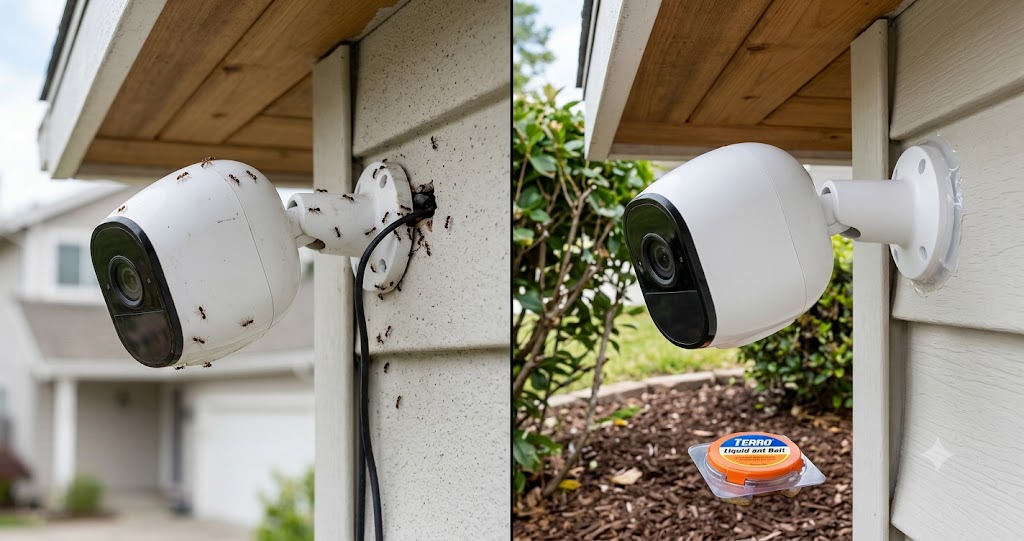
Ants Inside Your Security Camera? Causes, Risks & How to Get Rid of Them
Outdoor security cameras are designed to help keep your home safe, but they can sometimes attract an unexpected visitor—ants. If you’ve noticed tiny ants crawling around your camera or suspect they’ve made their way inside, you’re not alone. Many homeowners are surprised to discover that outdoor electronics can provide the warmth, shelter, and small protected spaces that ants look for.
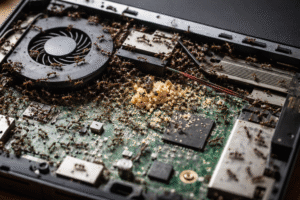
An ant infestation inside a security camera is more than just a nuisance. As ants move through vents, wiring, and other internal components, they can interfere with your camera’s performance. You might experience false motion alerts, blurry video, random shutdowns, or other problems that affect your home’s security. If the infestation is left untreated, it could even lead to costly repairs or the need to replace the camera.
The good news is that, in many cases, you can solve the problem before it causes permanent damage. By identifying why ants are attracted to your security camera and taking the right preventive steps, you can protect your equipment and reduce the risk of future infestations.
In this guide, you’ll learn:
- Why ants are attracted to outdoor security cameras
- How to remove ants safely without damaging your camera
- Practical ways to prevent ants from returning
- Recommended products that can help protect your outdoor electronics
Whether you’ve already spotted ants inside your security camera or simply want to prevent future problems, this guide will walk you through effective, easy-to-follow solutions to help keep your security system working reliably.
Affiliate Disclosure: This page contains affiliate links. If you buy through my links, I may earn a small commission at no extra cost to you.
As an Amazon Associate, I earn from qualifying purchases.
Recommended Solution
If you’ve already seen ants around your security camera, don’t wait for them to spread deeper into the device. The most effective approach is to eliminate the nearby colony before it has a chance to damage your outdoor electronics.
Here are two trusted options to consider:
- TERRO Outdoor Liquid Ant Baits – A great choice for placing near ant trails, camera mounts, or around the foundation of your home. The bait is carried back to the colony, helping eliminate the source of the infestation.
- Advion Ant Gel – Ideal for applying in small cracks, crevices, and other areas where ants are actively traveling. Its gel formula works well in hard-to-reach spots around outdoor installations.
If your security camera is mounted outdoors, choose a weather-resistant ant bait that can withstand rain and changing weather conditions while continuing to target the colony.
Taking care of the colony first—and then cleaning and sealing your camera—is one of the best ways to prevent ants from coming back.
Click below: These highly rated ant control products help stop ants before they invade your cameras and damage your security system
| Product | Best For | Key Feature | Protect Cameras Before Ants Strike |
|---|---|---|---|
| TERRO Outdoor Liquid Ant Baits | Killing outdoor colonies | Weather-resistant bait stations | Eliminate entire ant colonies before they reach your home |
| Harris Food Grade Diatomaceous Earth | Natural insect barrier | Non-toxic outdoor use | Create a safe, long-lasting barrier against crawling pests |
| CRC Compressed Air Duster | Cleaning camera vents | Safe dust and insect removal | Blast out dust, ants, and debris from hard-to-reach camera vents |
| WD-40 Specialist Silicone Spray | Moisture protection | Protects seams and surfaces | Shield outdoor equipment from moisture, dirt, and insect buildup |
| Mighty Mint Peppermint Spray | Natural ant repellent | Plant-based peppermint formula | Repel ants naturally with a powerful peppermint barrier |
| Alex Plus Silicone Caulk | Sealing cable gaps | Waterproof exterior sealant | Seal entry points and stop pests from getting inside |
| Ring Stick Up Cam Outdoor | Replacement outdoor camera | Weather-resistant smart camera | Upgrade to a smarter, weather-ready outdoor security solution |
Protect your home 24/7 with trusted, best-selling Amazon security cameras
Outdoor Home Security Camera Comparison Table
| Camera | Video Quality | Key Features | Best For | Sharper Video Safer Peace Of Mind |
|---|---|---|---|---|
| Blink Outdoor 4 | 1080p HD | Wire-free, 2-year battery, two-way audio, night vision | Easy outdoor monitoring | Secure your home with long-lasting protection — Check Price on Amazon |
| Wyze Cam v4 | 2.5 K QHD | Color night vision, weather-resistant, budget-friendly | Affordable smart security | Upgrade your security for less — View Today’s Amazon Deal |
| Ring Stick Up Cam Battery | 1080p HD | Outdoor use, battery-powered, motion alerts | Flexible placement anywhere | Monitor your home from anywhere — See It on Amazon Now |
| Google Nest Cam | 1080p HDR | Smart AI alerts, people/vehicle detection, wireless | Smart home integration | Get smarter home protection — Check Availability on Amazon |
| Arlo Essential Outdoor 2K | 2K Resolution | Color night vision, spotlight, Alexa & Google support | Sharp outdoor video | Protect your property in crystal-clear 2K — Shop on Amazon Today |
Why Are Ants Going Inside Security Cameras?
Ant infestations inside electronics are more common than most homeowners realize. Outdoor security cameras create the perfect environment for certain ant species.
BugOffControl Tip: Based on the information covered in this guide, ants are more likely to invade outdoor security cameras than many people expect. The warmth generated by electronic components, combined with moisture, shelter, and small entry points, can make these devices attractive hiding places. That’s why it’s important to deal with nearby ant colonies as well as clean the camera itself. Taking both steps can help reduce the chances of another infestation.
Heat Attraction
Security cameras produce a small amount of heat while operating. At night, this warmth becomes even more noticeable to insects searching for stable temperatures.
Outdoor cameras often stay slightly warm around the clock, especially:
- WiFi cameras
- solar-powered units
- motion detection cameras
- night vision systems
Ants naturally seek warm, protected environments, making cameras an attractive target.
Electrical Fields
Some ants appear attracted to electromagnetic fields generated by electronics.
Researchers have observed species like crazy ants invading:
- routers
- circuit boxes
- HVAC systems
- security cameras
These ants can swarm electrical components in large numbers and may damage electronics in the process.
Shelter and Protection
Outdoor cameras offer protection from:
- rain
- predators
- intense sunlight
- wind
Small gaps around mounting brackets and wiring create hidden shelter areas ants love.
Moisture
Condensation inside outdoor electronics can also attract insects.
Humidity buildup near camera housings may provide moisture ants need to survive, especially in humid climates.
Nesting Opportunities
Tiny internal compartments can become nesting locations for ants.
Once a few worker ants discover the space, pheromone trails may attract an entire colony.
Why Ants Choose Outdoor Cameras More Often Than Indoor Cameras
Although ants can find their way into almost any electronic device, outdoor security cameras are usually at greater risk than indoor models. Since they’re constantly exposed to the elements, they provide more opportunities for ants to discover and settle inside.
Several outdoor conditions make these cameras especially inviting:
- High humidity: Moist air and condensation around the camera can create a more comfortable environment for ants, particularly in warm climates.
- Nearby plants and trees: Shrubs, vines, and tree branches that touch your home often act as natural bridges, allowing ants to reach the camera with little effort.
- Established ant trails: Once ants locate a reliable food source or nesting area, they leave scent trails that guide other workers to the same location. If a trail passes near your camera, it becomes much more likely to be explored.
- Mulch and landscaping: Mulch beds, flower gardens, and decorative rocks often provide ideal nesting sites close to exterior walls, making it easier for ants to travel to mounted cameras.
- Small gaps around the exterior: Tiny openings where cables enter the wall or where mounting brackets meet the siding can give ants direct access to the camera housing.
Regularly trimming vegetation, keeping mulch away from your home’s foundation, and sealing exterior gaps can greatly reduce the chances of ants invading your outdoor security cameras.
Related Guides:
- How To Keep Ants Out Of Electronics
- How To Keep Ants Out Of Power Strips
- Why Ants Go Inside TVs
- Why Ants Are Attracted to Game Console
- Why Are Ants Attracted To My Laptop
- Why Are Ants Attracted To Wall Outlets And Switch Boxes
Can Ants Damage A Security Camera?
Yes, even a small infestation can lead to surprisingly big problems if it’s not dealt with quickly.
Short Circuits
Dead ants can create electrical bridging between components.
When enough ants accumulate inside circuitry, electrical shorts may occur.
Overheating
Ants can block ventilation areas and cooling channels.
This may cause:
- overheating
- reduced camera lifespan
- random shutdowns
Blurry Image Problems
Ants crawling across the lens can interfere with image quality.
You may notice:
- blurry night footage
- dark moving spots
- distorted images
Motion Sensor Issues
Security cameras rely heavily on motion detection.
Moving ants near infrared sensors can trigger:
- false alarms
- unnecessary notifications
- constant app alerts
Wiring Damage
Some ant species chew insulation around wiring.
Damaged wires may eventually cause camera failure.
⚠️Warning: Large infestations can permanently damage expensive smart cameras.
Signs You Have Ants Inside Your Security Camera
Watch for these common warning signs:
- Tiny ants near the camera mount
- Motion alerts with no person detected
- Camera overheating
- Small dirt piles near seams
- Flickering camera feed
- Camera shutting off randomly
- Ant trails along wires
- Increased nighttime camera activity
Ants are often most active after dark, so nighttime inspections can help identify infestations early.
How To Remove Ants From A Security Camera Safely
Safety should always come first when dealing with electronics.
Step 1 – Disconnect Power
Before touching the camera:
- unplug the device if possible
- turn off the breaker for wired systems
- disconnect batteries for wireless units
Never clean powered electronics.
Step 2 – Remove The Camera Carefully
Take the camera down gently.
Avoid:
- crushing ants inside the housing
- shaking debris deeper into vents
- pulling on cables aggressively
Place the unit on a clean, dry surface.
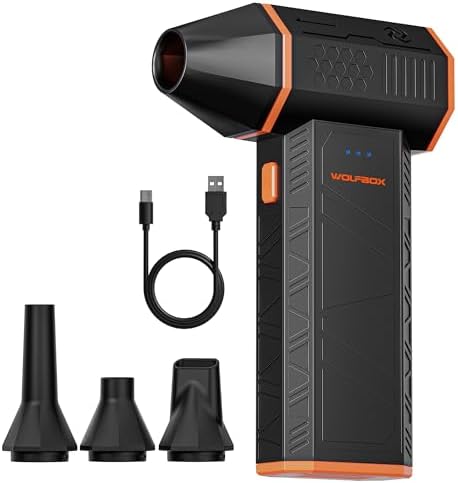
Step 3 – Use Compressed Air
Compressed air works well for removing ants from seams and vents.
Carefully blow air into:
- ventilation openings
- cable ports
- mounting seams
Avoid excessive pressure that could damage components.
Recommended Product
Pros

- Easy to use
- Safe for electronics
- Removes dust and insects quickly
Cons
- Requires careful handling
- Can run out quickly with heavy cleaning
Best For: Cleaning delicate security camera vents and sensors.
Clean Your Camera Now Before Dust Causes Malfunctions – Get It on Amazon
Step 4 – Clean Exterior Areas
Use gentle cleaning materials only.
Recommended:

- microfiber cloth
- isopropyl alcohol
- soft brush
Avoid:
- soaking electronics
- bleach
- harsh insecticide sprays
- pressure washers
Carefully clean around seams and lenses.
Step 5 – Eliminate Nearby Ant Trails
Removing ants from the camera alone is not enough.
You also need to stop nearby colonies.
Helpful solutions include:
- outdoor ant bait stations
- peppermint oil barriers
- vinegar cleaning around mounts
Recommended Products
TERRO Outdoor Liquid Ant Baits
Pros

- Kills entire colonies
- Weather-resistant
- Easy outdoor placement
Cons
- Takes several days to work
- Needs replacement over time
Best For: Eliminating ants near security camera mounts.
Stop the Ant Colony Before It Spreads – Get TERRO Baits on Amazon Now
Mighty Mint Peppermint Spray

Pros
- Natural formula
- Pleasant smell
- Safe around most outdoor areas
Cons
- Requires reapplication
- Strong scent initially
Best For: Natural ant prevention around cables and mounts.
Don’t Wait for Ants to Return – Get Mighty Mint Spray on Amazon Today
Common Mistakes That Make the Problem Worse
When you discover ants inside your security camera, it’s tempting to fix the problem as quickly as possible. However, a few common mistakes can cause more damage than the ants themselves. Avoiding these errors can help protect your camera and make it easier to eliminate the infestation for good.
Spraying Insecticide Directly Into the Camera
Although insect sprays kill ants on contact, they should never be sprayed inside a security camera. Liquid chemicals can damage delicate electronic components, leave behind residue, and increase the risk of permanent failure. Instead, treat nearby ant trails and use bait stations to eliminate the colony at its source.
Ignoring Ant Trails
Removing the ants from the camera doesn’t solve the real problem if the colony is still active nearby. Worker ants will continue following the same scent trails and may return within days. Take a few minutes to locate where the ants are coming from and place ant bait near the trail.
Letting Plants Touch the Camera
Tree branches, shrubs, vines, and tall plants can act like natural bridges that lead ants straight to your security camera. Keeping vegetation trimmed back makes it much harder for insects to reach your equipment.
Forgetting to Seal Cable Entry Points
Even the smallest gap around mounting brackets, screws, or cable openings can provide an easy way for ants to get inside. After cleaning the camera, inspect these areas carefully and seal any openings with a weatherproof exterior sealant.
Cleaning the Camera While It’s Still Powered On
Always disconnect the power before cleaning or inspecting your camera. Working on an energized device increases the risk of electrical damage and could also create a safety hazard. Turning the camera off first helps protect both you and the equipment.
By avoiding these common mistakes, you’ll have a much better chance of removing the infestation completely and keeping your outdoor security camera working reliably for years to come.
How To Keep Ants Out Of Security Cameras Permanently
Prevention is the best solution.
Seal Entry Points
Tiny gaps around cables and mounting brackets allow ants inside.
Use:
Recommended Products
Alex Plus Silicone Caulk
Pros

- Waterproof
- Affordable
- Easy to apply
Cons
- Drying time required
Best For: Sealing outdoor cable gaps.
Seal Gaps Before Ants Get Inside Your Camera – Get It on Amazon Now
Cable Protection Sleeves
Pros
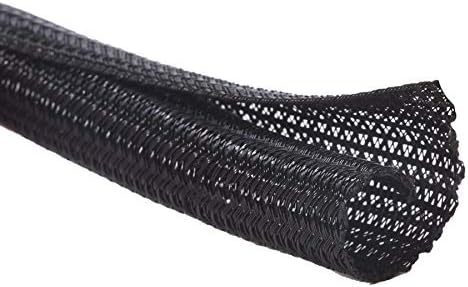
- Protects exposed wiring
- Reduces ant trails
- Weather resistant
Cons
- Requires installation time
Best For: Outdoor security camera cable management.
Don’t Leave Your Cables Exposed – Protect Them Now on Amazon
Keep Vegetation Away
Branches touching walls often create “ant highways.”
Trim nearby:
- shrubs
- vines
- tree branches
This removes easy access points.
Avoid Mounting Cameras Near Ant Colonies
Inspect walls, trees, and fence posts before installation.
Avoid placing cameras near:
- ant hills
- rotting wood
- mulch piles
Use Natural Repellents
Natural repellents may help discourage insects.
Popular options include:
- peppermint oil
- cinnamon
- citrus oil
Apply carefully around mounting areas — not directly inside electronics.
Install Ant Bait Nearby
Ant bait stations work best when placed near trails keep away from children and pets.
This helps eliminate the colony before infestations spread.
Reduce Moisture Around Cameras
Moisture attracts insects and increases condensation.
Improve drainage by:
- fixing leaks
- sealing gaps
- improving airflow
Best Products To Prevent Ants In Security Cameras
1. TERRO Outdoor Liquid Ant Baits
Short Description: Outdoor bait stations designed to eliminate entire ant colonies.
Pros
- Weatherproof design
- Kills hidden colonies
- Simple setup
Cons
- Takes time to work
Best For
Outdoor infestations near mounted cameras.
2. CRC Compressed Air Duster
Short Description: Electronics-safe compressed air cleaner.
Pros

- Easy vent cleaning
- Removes insects fast
Cons
- Limited can lifespan
Best For
Cleaning vents and sensor openings.
3. Mighty Mint Peppermint Spray
Short Description: Natural peppermint insect deterrent.
Pros
- Plant-based formula
- Pleasant smell
Cons
- Needs frequent reapplication
Best For
Natural outdoor protection.
See Amazon Price For Ants Control
4. Waterproof Silicone Sealant
Short Description: Seals tiny gaps around mounts and cables.
Pros

- Weather resistant
- Durable seal
Cons
- Requires drying time
Best For
Preventing insect entry.
Check On Amazon And Stop Ants Before They Get In
5. Cable Protection Tubing
Short Description: Protective sleeves for exposed camera wiring.
Pros
- Shields cables
- Reduces ant access
Cons
- Installation required
Best For
Outdoor wiring protection.
View On Amazon To Protect Cables From Damage
Are Certain Ant Species More Attracted To Electronics?
Some ant species invade electronics more frequently than others.
Crazy Ants
Known for swarming electronics and causing electrical damage.
Argentine Ants
Form massive colonies that spread quickly around homes.
Fire Ants
Sometimes attracted to outdoor electrical equipment.
Carpenter Ants
Often associated with moisture-related infestations.
Can Bugs Other Than Ants Get Inside Security Cameras?
Yes. Several insects may invade outdoor cameras.
Common offenders include:
These insects may also trigger motion sensors and reduce camera performance.
When To Replace The Camera
Sometimes replacement is the best option.
Signs include:
- permanent fogging
- electrical failure
- overheating continues
- water damage
- dead pixels
If internal components are severely damaged, replacing the unit may be more cost-effective.
Recommended Replacement Camera
Ring Stick Up Cam Outdoor
Pros

- Weather-resistant
- Smart motion alerts
- Easy installation
Cons
- Subscription features optional
Best For: Reliable outdoor home security replacement.
Check Price On Amazon And Let This Home System Go To Work For You
Frequently Asked Questions
Why do ants go inside security cameras?
Ants are attracted to warmth, shelter, moisture, and small protected spaces.
Can ants damage electronics?
Yes. Ants may cause short circuits, overheating, and wiring problems.
How do I bug-proof my outdoor camera?
Seal gaps, reduce moisture, use repellents, and install bait stations nearby.
Are ants attracted to electricity?
Certain ant species seem drawn to the heat and electrical signals produced by electronic devices.
Can ants cause false motion alerts?
Yes. Moving ants may trigger motion sensors repeatedly.
Is it safe to spray insecticide near cameras?
Avoid spraying harsh chemicals directly onto electronics.
What smell keeps ants away from electronics?
Peppermint oil, cinnamon, and citrus scents may help repel ants.
Can spiders trigger security cameras?
Yes. Spiders and webs often trigger motion detection systems.
How often should outdoor cameras be cleaned?
Inspect and clean cameras every few months or after heavy insect activity.
Should I replace a camera after an infestation?
If damage is severe or overheating continues, replacement may be necessary.
Conclusion
Finding ants inside a security camera can be incredibly frustrating, especially when your home security system starts malfunctioning. These tiny insects are attracted to outdoor cameras because they provide warmth, moisture, and safe shelter from the elements. Unfortunately, even a small infestation can quickly grow into a serious problem that leads to false motion alerts, overheating, blurry footage, or permanent electronic damage.
The good news is that most infestations can be stopped early with proper cleaning, sealing, and prevention methods. Regular inspections, compressed air cleaning, ant bait stations, and weatherproof sealants can dramatically reduce the chances of future infestations.
Protecting your outdoor electronics is much easier — and far less expensive — than replacing damaged smart cameras.
Start by inspecting your cameras today, sealing entry points, and using ant repellents or bait stations before a small problem becomes a costly repair.