First Home, First Infestation? Smart Termite Solutions for New Homeowners
Becoming a first-time homeowner is an exciting accomplishment. Along with decorating rooms and learning how everything works, it’s also the perfect time to think about protecting your investment. One issue many new homeowners overlook is termite control. Taking steps early can help keep your home safe from hidden damage.
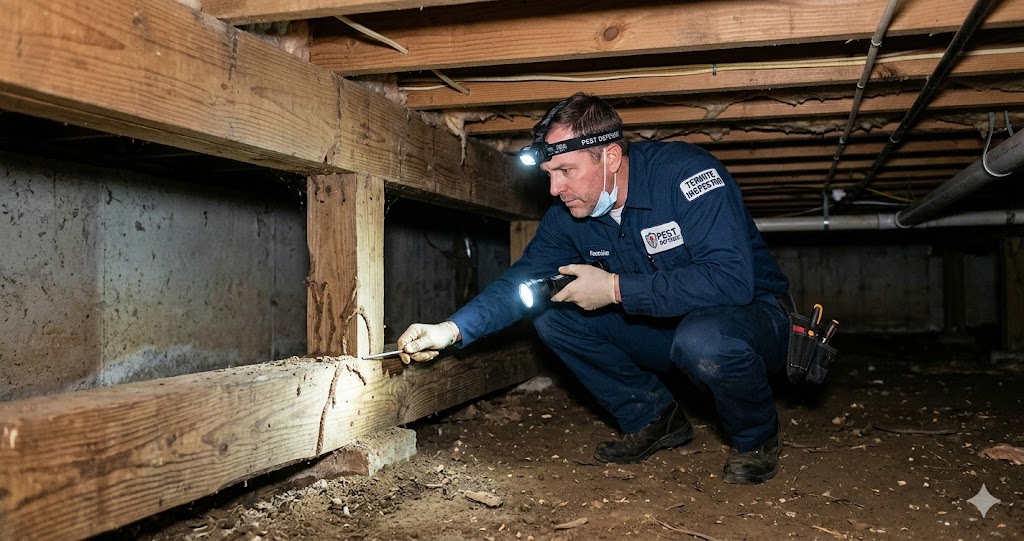
Termites may be small, but they can cause serious problems over time. These pests feed on wood and often stay hidden inside walls, floors, and foundations. Because of this, termite damage can grow for months or even years before it becomes obvious. Learning the early warning signs can help you act before the damage becomes expensive.
The good news is that smart termite solutions make prevention much easier. Regular inspections, choosing the right termite treatment, and keeping moisture away from your home can greatly reduce the risk of an infestation. With a few simple precautions, new homeowners can protect their property and enjoy their home with greater peace of mind.
Why Termite Protection Matters for New Homeowners
Every year, termites damage U.S. properties worth an estimated $5 billion. The tricky part? Most homeowners’ insurance doesn’t cover this type of damage, since it’s considered something you can prevent
Subterranean termites are the primary culprits behind most residential damage. They build colonies underground and infiltrate homes through soil contact, silently feeding on wood and compromising structural integrity. Drywood termites, though less common, also pose a serious risk, especially in warmer climates.
If your new home is in a warm, humid, or coastal area—think the Southeastern U.S., California, or tropical islands—you’re in a high-risk termite zone and should be especially proactive.
How to Tell If You Have Termites
Termites are sneaky. Infestations often go unnoticed until the damage is significant. Here’s what to keep an eye on.
-
Mud Tubes: These pencil-width tunnels are built by subterranean termites and can be found along foundations, walls, or crawl spaces.
-
Swarmers (Flying Termites): Usually seen in spring, these winged termites signal a mature colony nearby. Found discarded wings indoors? That’s a red flag.
-
Hollow or Damaged Wood: Tap beams or floors—if they sound hollow or give under pressure, termites may be munching inside.
-
Frass (Termite Droppings): Drywood termites leave tiny, pellet-like droppings resembling sawdust.
- Bubbling or Warped Paint: While it might look like water damage, it could mean termites are lurking beneath. Schedule a professional inspection as soon as possible.
- If you tap a baseboard and it sounds like a drum—or worse, your screwdriver pokes right through the wood like it’s wet cardboard—you’ve moved past ‘prevention’ and into ‘intervention’ territory.
Affiliate Disclosure: This page contains affiliate links. If you buy through my links, I may earn a small commission at no extra cost to you.
As an Amazon Associate, I earn from qualifying purchases.
Termite Treatment Options Explained
Each termite infestation is different, and so are the solutions to tackle them. Below is an overview of the most widely used methods for termite treatment:
1. Liquid Termiticide Barrier
This approach involves applying a chemical barrier around your home’s perimeter. When termites come in contact with the treated soil, they are either eliminated or driven away. It’s a tried-and-true option for subterranean termites and offers years of protection.
2. Baiting Systems
Bait stations are installed around your home’s exterior. Termites ingest the bait and transport it back to the colony, slowly decreasing their population. Baits are discreet, eco-friendly, and excellent for long-term termite control.
3. Fumigation (Tent Treatment)
When dealing with drywood termites, treating the entire structure with fumigation is often the most efficient solution. The home is sealed off and treated with a gas that soaks into the wood, exterminating the termites. This process requires vacating your home for 2–3 days, but it is thorough.
4. Localized Spot Treatments
If the infestation is small and isolated, professionals may use direct chemical injections or foaming agents into wood where termite activity is detected. This approach offers great value, especially when combined with ongoing monitoring.
Prevention: The Smartest Termite Strategy
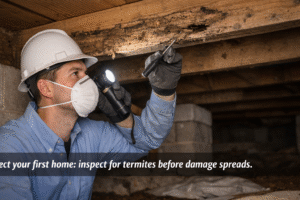
Pro-Tip: If you decide to supplement your prevention with store-bought treatments, be sure to check local regulations first, as some chemicals are restricted in certain regions.
Want to avoid termite treatment in the future? Prevention is your best bet. Start with these essential tips:
-
Get Annual Termite Inspections: Professionals can detect early warning signs before damage gets costly.
-
Eliminate Wood-to-Soil Contact: Keep decks, fences, and other wood structures from directly touching soil.
-
Control Moisture Around Your Home: Fix leaks, ensure proper drainage, and clean gutters regularly.
- Keep Firewood Away from Buildings: Avoid stacking wood next to your house or beneath your deck.
-
Use Termite-Resistant Materials: When building or repairing, opt for treated lumber or termite-resistant wood species.
-
Seal Cracks and Entry Points: Caulk foundation cracks and install mesh screens over vents and crawl spaces.
Quick Termite Prevention Product Comparison
| Product | Best For | Key Benefit | Check Price |
|---|---|---|---|
| Spectracide Terminate Stakes | Early termite detection | Monitors termite activity around your home | Check on Amazon |
| TERRO T300B Bait Stakes | Killing termite colonies | Termites carry bait back to colony | Check on Amazon |
| Wagner Orion 910 Moisture Meter | Moisture detection | Helps identify termite-friendly conditions | Check on Amazon |
| Bora-Care Wood Treatment | Long-term wood protection | Professional-grade borate termite prevention | Check on Amazon |
Are Treatments Safe for Families and Pets?
One of the biggest concerns for homeowners is safety, and rightfully so. Fortunately, most modern termite treatments are formulated to be safe for children and pets when applied properly.
-
Bait systems are hidden underground and pose virtually no risk.
-
Liquid barriers dry quickly and become safe after application.
-
Fumigation requires temporary evacuation, but certified technicians ensure your home is completely safe before you return.
If you prefer natural or low-toxicity solutions, ask your pest control provider about eco-friendly termite treatments. Many companies now offer green alternatives.
What Does Termite Treatment Cost?
That $4,000 price tag can certainly trigger some immediate “buyer’s remorse,” but it’s helpful to view termite treatment as a structural insurance policy rather than a simple repair. The cost isn’t arbitrary; it’s calculated based on the total linear footage of your home’s foundation and the volume of termiticide required to create an unbroken chemical barrier.
For a larger home, technicians may have to trench hundreds of feet of soil or drill through concrete slabs and porches to ensure there are no “gaps” in the shield. When you consider that a professional treatment typically protects your home for five to ten years, that high upfront cost breaks down to roughly the price of a streaming subscription per month—a small price to pay to keep your biggest investment from literally being eaten from the inside out.
Costs vary based on your home’s size, infestation severity, and the treatment method. Here’s a rough estimate:
-
Inspection: $75–$150 (often waived with treatment service)
-
Liquid Treatment: $800–$3,000 depending on size and infestation
-
Baiting Systems: $1,200–$3,000 (with monitoring)
-
Fumigation: $1,500–$4,000+
-
Annual Prevention Plans: $200–$500/year
Pro tip: Ask about warranties or service agreements that include free follow-up visits and damage repair coverage.
New Homeowner Termite Prevention Checklist
Since you’re settling into your first home, you can do a quick 10-minute “perimeter check” every few months. Use this checklist to spot trouble before it scales:
-
The 6-Inch Rule: Ensure there is at least a 6-inch gap between the soil and the start of your wood siding or stucco.
- Keep wood structures: 6 inches above soil
- Inspect crawl spaces: twice a year
-
The “Mud Line” Check: Examine the concrete foundation for thin, brown, pencil-like tubes running vertically toward the wood.
-
The Moisture Trap: Look at your AC condensate line and gutters. If water is pooling against the house, you’re essentially putting out a “Welcome” mat for subterranean termites. Fix moisture problems immediately
-
The Mulch Buffer: If you have wood mulch, try to keep it a few inches away from the actual foundation wall; pine bark and wood chips are a favorite hiding spot for scouts.
- Store firewood: 20 feet from the house
- Schedule a termite inspection: within 30 days of purchase
Before You Buy: Always Request a Termite Inspection
If you’re still in the home-buying process, don’t skip the termite inspection. Many lenders require a Wood-Destroying Organism (WDO) report, especially in high-risk regions. Even if it’s optional, it’s a smart way to uncover hidden issues.
Finding termites during an inspection doesn’t mean the deal is off—it means you can negotiate repairs or treatment costs before signing.
10 Frequently Asked Questions (FAQs)
1. How can I tell if I have termites in my home?
Answer: As a first-time homeowner, spotting termites early can save you a ton of trouble. Look for tiny mud tubes along walls or foundations, wings near windows, and wood that feels soft or hollow when you tap it. Sometimes, your door or window frames may feel a bit warped—that’s a sneaky sign, too!
2. Should I treat my home for termites even if I haven’t seen any?
Answer: Yep, it’s a smart move. Just because you don’t see them doesn’t mean they’re not there. Termites are pros at hiding. Preventive treatment acts like a shield for your home, stopping damage before it starts.
3. What’s better: liquid treatment or bait stations?
Answer: Both are great options, but they work in different ways. Liquid treatments build a barrier in the soil to block termites. Bait stations are more like termite traps—they attract termites and slowly wipe out the colony. Your choice depends on your home’s layout and what your pest pro recommends.
4. Can I handle termite treatment myself?
Answer: You can try, but termite control is a tricky business. DIY kits may not get to the root of the problem. A certified pest control expert knows exactly where to look and how to apply the treatment safely and thoroughly. It’s usually worth the investment for first-timers. Keep in mind that some states have strict laws on the use of professional-grade termiticides, so always check your local regulations before DIY-ing chemicals.
5. What’s the usual cost to treat a home for termites?
Answer: The price tag can vary depending on the size of your home and the severity of the infestation. On average, you might spend anywhere from $800–$3,000 depending on size and infestation. The good news? Many companies offer free inspections and payment plans to make it more manageable.
6. Are termite treatments safe for my kids and pets?
Answer: Yes, when it’s done professionally. Reputable pest control companies use treatments that are approved for residential use and safe when applied properly. Just be sure to follow any advice your technician gives you, like keeping pets and kids away from treated areas for a bit.
7. How long does a termite treatment last?
Answer: Most soil treatments offer protection for around five years. Bait stations, on the other hand, need to be checked and maintained regularly, often a few times a year. Regular checkups keep your home protected all year round.
8. How do I get ready for a termite treatment?
Answer: A little prep goes a long way! Make sure the pest pro can easily access your foundation, crawl spaces, or attic. Move any outdoor items that are close to your walls. For some treatments, you may be asked to water the soil or keep pets indoors for a few hours.
9. Can termites return after treatment?
Answer: They can, but regular follow-up helps keep them at bay. Even the best treatments can’t prevent future infestations if conditions are ideal. That’s why annual inspections and preventive care are so important, especially in warmer climates.
10. What can I do to keep termites away for good?
Answer: There’s plenty you can do! Keep your home dry—termites love moisture. Fix any leaky pipes, clear gutters, and make sure soil and mulch aren’t stacked too close to your foundation. Also, keep firewood stored well away from your house. These simple steps go a long way in making your home less inviting to termites.
Conclusion
Termites might not be at the top of your mind when buying a house, but they should be. With the right knowledge, regular inspections, and preventative steps, you can keep your home termite-free for years to come.
Being proactive today could save you thousands tomorrow. If you’re unsure where to start, reach out to a licensed pest control company and ask for a consultation. Better safe than infested, remember your home is one of your biggest investments, so do it right the first time. Don’t let a bug the size of a grain of rice devalue it. A little vigilance now keeps your ‘home sweet home’ from becoming a ‘home-cooked meal.