Ant Life Cycle: How Colonies Grow and Multiply
Ants are one of the most organized insects on the planet. You see them in your kitchen, garden, or walls, but what you are really seeing is just a small part of a much larger system.
The ant life cycle is the foundation of how colonies survive, grow, and multiply. Understanding it helps explain how ants appear suddenly, how infestations spread, and why they are so difficult to eliminate completely.
In this guide, you’ll learn the ant life cycle stages, how ants grow, how colonies form, and what environmental triggers cause rapid colony expansion. You will also understand ant colony behavior, reproduction patterns, and the hidden processes most people never notice.
Let’s break it down step by step.
What Is the Ant Life Cycle?
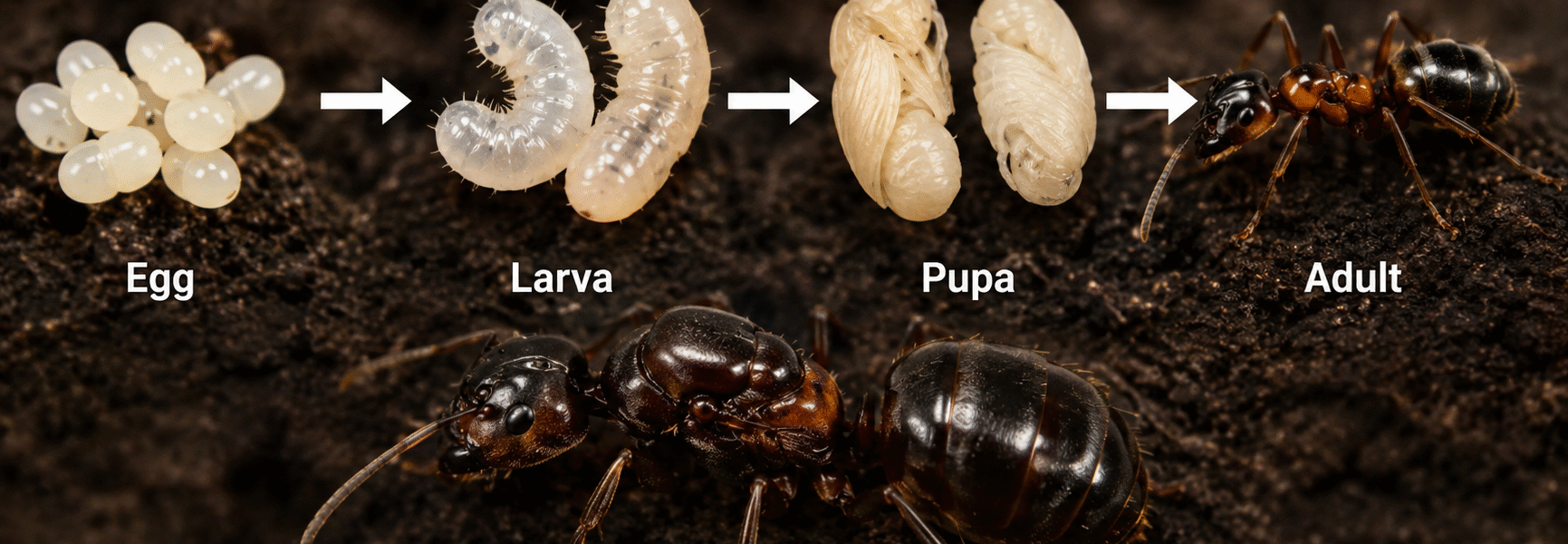
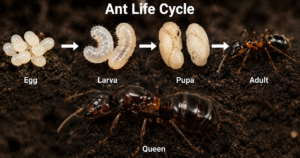
The ant life cycle is the process ants go through from egg to adult. It is a complete metamorphosis, meaning the insect changes form entirely during development.
There are four main ant life cycle stages:
- Egg
- Larva
- Pupa
- Adult
However, ants are not just biological insects. They are part of a structured colony system where every stage supports survival and expansion.
In fact, scientists studying insect colonies have found that ant colony growth is one of the most efficient systems in nature.
Ant Life Cycle Stage 1 – Egg Stage Explained
Everything begins with the queen ant. After mating, she finds a safe place to build a colony and begins laying eggs.
These eggs are tiny, soft, and often hidden deep inside soil, wood, or wall voids.
What happens in the egg stage?
- Eggs are extremely small and fragile
- They are protected by worker ants or the queen
- Development depends on temperature and moisture
- Growth pauses if conditions are poor
Environmental triggers:
Egg development speeds up when:
- Temperatures stay between 20–30°C
- Moisture levels are stable
- Food is available nearby
According to general entomology research, warm and humid environments significantly increase ant reproduction cycle speed.
At this stage, the colony is still forming, but structure is already being built.
Ant Larva Stage and Growth Behavior
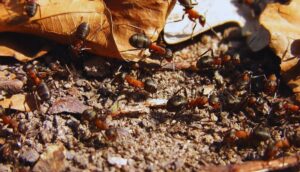
Once eggs hatch, they become larvae. These are soft, legless, worm-like forms completely dependent on worker ants.
This stage plays a major role in how ants grow and how the colony is structured.
What happens in the larva stage?
- Constant feeding by worker ants
- Rapid body growth
- Multiple molting phases
- Development of future roles
Important behavior insight:
Here is where ant colony behavior becomes fascinating. The diet of each larva determines its future.
- High nutrition → future queen or soldier
- Low nutrition → worker ant
This means colonies actively control their population structure based on food availability.
Environmental triggers:
- High protein and sugar availability increases growth
- Stable nesting conditions support survival
- Disturbance slows down development
Scientists have observed that colonies adjust larval feeding patterns depending on resource pressure.
Ant Pupa Stage Transformation Process
After the larva stage, ants enter the pupa stage. This is where full transformation happens inside a protective casing.
What happens in the pupa stage?
- Body structures form (legs, antennae, eyes)
- No feeding or movement occurs
- Pupae are carefully protected by workers
- Development continues internally
Colony behavior insight:
Even though pupae are inactive, worker ants constantly adjust their position in the nest.
They move them to:
- Warmer areas for faster development
- Safer zones during danger
- Moist locations when needed
This shows how advanced ant colony growth systems are at protecting future generations.
Adult Ant Stage and Colony Roles
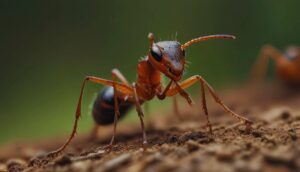
Once development is complete, adult ants emerge and immediately take on roles within the colony.
There are three main types:
- Queen ants (egg production)
- Worker ants (food, defense, construction)
- Male ants (reproduction only)
What happens in the adult stage?
- Workers begin foraging immediately
- Queens continue laying eggs daily
- Males die shortly after mating
- Colony expansion begins rapidly
Behavior insight:
Ants communicate using pheromones, chemical signals that guide movement and behavior.
This is why you see:
- Organized ant trails
- Fast food discovery
- Coordinated group movement
This communication system is a major reason how ant colonies form so efficiently.
📈 Ant Colony Growth Timeline
The speed of the ant life cycle stages depends on species and environment, but a general timeline looks like this:
- Egg stage: 7–14 days
- Larva stage: 2–4 weeks
- Pupa stage: 1–3 weeks
- Adult formation: 6–10 weeks total
Colony expansion stages:
- 1–2 months: hidden colony forms
- 3–6 months: visible activity begins
- 6–12 months: full trails develop
- 1+ year: mature colony with thousands of ants
At this stage, colonies may split, increasing ant colony growth in nearby areas.
🔁 How Ant Colonies Grow and Multiply
Ant colonies expand in two main ways:
1. Colony Budding
A group of ants leaves the main nest with a queen to start a new colony nearby.
2. Mating Flights
Winged ants leave the nest, mate in the air, and new queens establish new colonies.
Why this matters:
This explains why infestations return even after treatment. Multiple colonies may already exist nearby.
Pest control studies show that ignoring hidden nests is the main reason infestations persist.
🌡️ Environmental Triggers That Affect Ant Colonies
Several environmental factors directly influence the ant reproduction cycle:
1. Temperature
Warm weather increases reproduction and activity.
2. Moisture
Ants prefer humid environments and often move indoors during drought or flooding.
3. Food supply
Sugars, fats, and proteins increase colony size rapidly.
4. Disturbance
Physical disruption can cause colonies to split and relocate.
5. Seasonal changes
Spring and summer trigger mating flights and rapid growth.
Why Understanding the Ant Life Cycle Matters
Understanding the ant life cycle stages is essential for pest control.
You are not dealing with single ants—you are dealing with a system that:
- Reproduces continuously
- Expands through multiple colonies
- Adapts quickly to changes
- Works as a coordinated network
That is why simple surface spraying often fails.
For deeper solutions, you can explore related guides on:
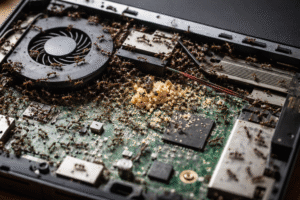
Why Ants Are Attracted To Electronics & Appliances
- Why Ants Are Attracted To Electronics
- Why Are Ants Attracted To My Laptop
- How To Keep Ants Out Of A WiFi Router
- Ants Inside Security Camera
- How To Keep Ants Out Of Power Strips
- Why Ants Go Inside TVs
- Why Are Ants Attracted To Gaming Consoles
- How To Keep Ants Out Of Coffee Maker
- Why Are Ants Attracted To Toasters And Toaster Ovens
- Why Are Ants Attracted To Wall Outlets And Switch Boxes
- Why Are Ants Attracted To AC Units
- How To Why Are Ants Attracted To Refrigerators/Freezers
- Ants Near Water Heater
Why are Ants in My Vehicle
Why Ants Suddenly Appear & Home Infestation Questions
- Why Do I Suddenly Have Sugar Ants
- Why Dead Ants Attract More Ants
- How To Find An Ant Nest In Your Home
Indoor Ant Control & Prevention
- How To Get Rid Of Ants In The Kitchen Naturally
- Best Natural Ways To Get Rid Of Ants in Your Home
- How To Control House Ants
- Best Indoor Pest Control Solutions That Actually Work for Ants and Roaches
- Best Ant Baits 2025: Top 5 Traps to Eliminate Ants Fast
Ant Species Identification & Targeted Control
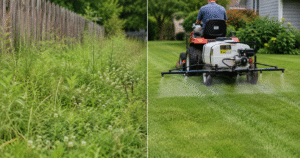
Outdoor, Garden & Structural Ant Problems
- Control Aphids On Tomato Plants
- Plants That Attract Ants
- How to Get Rid of Ants in Potted Plants
- How to Get Rid of Fire Ants Outdoors
- Flying Ants
- Carpenter Ants Treatment
- Best Carpenter Ant Killer For Indoors
- How to Get Rid of Ants in Walls
Simple Signs of an Active Ant Colony
Watch for these early indicators:
- Continuous ant trails
- Small soil piles near walls or floors
- Winged ants indoors
- Activity near water sources
- Ants returning quickly after cleaning
These are strong signs of active ant colony behavior nearby.
❓ Frequently Asked Questions (FAQs)
1. How long does the ant life cycle take?
Most ants complete development in 6–10 weeks depending on species and environment.
2. What is the most important stage in the ant life cycle?
The larva stage, because diet determines the ant’s future role.
3. Why do ants suddenly appear in my home?
They are searching for food, moisture, or shelter due to environmental changes.
4. Can one ant start a colony?
Yes, a fertilized queen can begin a new colony alone.
5. Why do I see winged ants inside?
These are reproductive ants preparing for mating flights.
6. Do ants sleep?
They do not sleep like humans but rest in short cycles.
7. What kills ant colonies naturally?
Extreme dryness, flooding, or lack of food can reduce colonies.
8. Why do ant colonies keep coming back?
Nearby colonies or hidden nests are usually still active.
9. How fast do ant colonies grow?
They can expand from a few ants to thousands within a year.
10. What is the biggest trigger for ant infestations?
Moisture changes and food availability are the main triggers.
Conclusion
The ant life cycle is one of nature’s most efficient growth systems. From egg to adult, each stage plays a role in building and expanding colonies.
Understanding ant life cycle stages, ant colony growth, and environmental triggers helps explain why ants spread so quickly and why infestations are persistent.
If you want long-term control, you must think beyond visible ants. The real source is always the colony system underneath.
If you want more practical pest control strategies, explore more guides on bugoffcontrol.com to protect your home from recurring infestations.