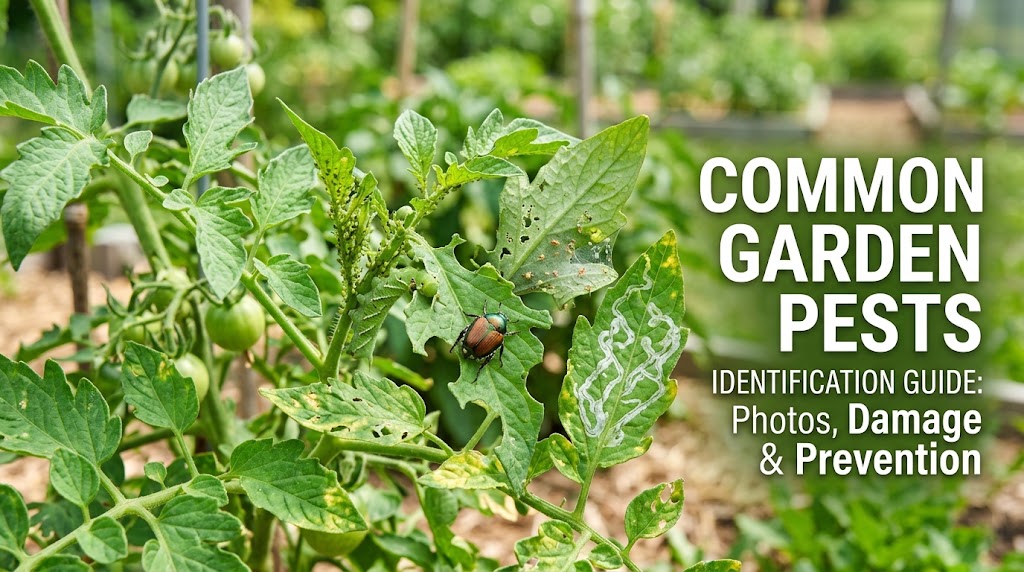
How To Identify Common Garden Pests: Quick Identification Guide
Finding holes in your leaves, yellowing plants, or damaged stems can be frustrating—especially when you don’t know what is causing the problem.
The good news is that many common garden pests leave recognizable clues. Aphids cluster on new growth, spider mites can leave fine webbing, caterpillars chew holes in leaves, and leaf miners create winding trails inside leaves.
This guide helps you identify common garden pests by their appearance, feeding damage, life cycle, and typical activity. You’ll also find photos and practical prevention tips so you can figure out what is attacking your plants before choosing a treatment.
Quick tip: Before applying any pesticide, inspect both sides of the leaves, stems, soil around the plant, and nearby plants for insects, eggs, webbing, droppings, or other signs of activity.
Are bugs damaging your garden plants? Learning how to identify common garden pests is the fastest way to stop damage before it spreads. Whether you’re dealing with aphids, whiteflies, spider mites, tomato hornworms, Japanese beetles, slugs, or cabbage worms, correct identification helps you choose the right treatment and avoid wasting time on ineffective solutions.
In this guide, you’ll discover:
✅ Common garden pests
✅ Photos and visual clues to look for
✅ Pest life cycles and active seasons
✅ Signs of plant damage caused by each pest
✅ Proven prevention methods that work
✅ Top-rated organic pest control products
✅ Answers to frequently asked garden pest questions
Affiliate Disclosure: This page contains affiliate links. If you buy through my links, I may earn a small commission at no extra cost to you.
As an Amazon Associate, I earn from qualifying purchases.
Why Garden Pest Identification Matters
Many gardeners rush to spray products before identifying the pest. Unfortunately, this can waste time and money.
Correct identification helps you:
- Choose the right treatment
- Protect beneficial insects
- Reduce unnecessary pesticide use
- Prevent recurring infestations
- Save damaged plants before it’s too late
Therefore, accurate identification should always come first.
🌿 Common Garden Pest Identification Guide
| 🐛 Garden Pest | 👀 What It Looks Like | 🍃 Common Damage | 📅 Most Active |
|---|---|---|---|
| Aphids | Tiny, pear-shaped insects that cluster on new growth | Curled or yellow leaves, sticky honeydew | Spring & summer |
| Spider Mites | Extremely tiny spider-like pests; fine webbing may appear | Speckled leaves, yellowing, leaf drop | Hot, dry weather |
| Whiteflies | Tiny white flying insects that flutter when disturbed | Yellowing leaves, sticky honeydew | Warm weather |
| Caterpillars | Soft-bodied larvae, often green or brown | Large holes and missing foliage | Spring & summer |
| Japanese Beetles | Metallic green beetles with copper-colored wing covers | Skeletonized leaves and damaged flowers | Summer |
| Slugs | Soft-bodied, slimy pests with no legs | Ragged holes and missing seedlings | Wet conditions |
| Leaf Miners | Tiny larvae that feed between leaf surfaces | Winding trails or tunnels inside leaves | Spring–fall |
Why Early Pest Detection Matters
- Small infestations double quickly
- Damage becomes irreversible in days (hornworms, aphids, mites)
- Early detection can help limit plant damage and prevent small infestations from becoming much harder to manage.
How To Identify Mealybugs
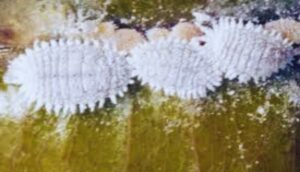
Mealybugs appear as white, cottony clusters on stems and leaf joints.
Signs
- Sticky residue
- Yellow leaves
- Stunted growth
- White fuzzy masses
Prevention
- Inspect new plants
- Avoid over-fertilizing
- Encourage ladybugs
- Prune heavily infested areas
How To Identify Scale Insects
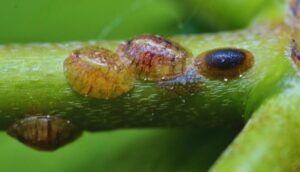
Scale insects look like tiny bumps attached to stems and branches.
Signs
- Sticky honeydew
- Yellow leaves
- Weak plant growth
Prevention
- Prune infected branches
- Improve air circulation
- Inspect plants regularly
How To Identify Caterpillars
Caterpillars chew large holes in leaves and fruits.
Signs
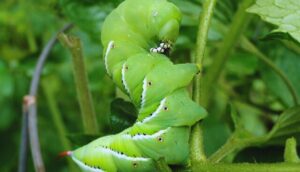
- Missing foliage
- Black droppings
- Visible larvae
Prevention
- Use row covers
- Hand-pick caterpillars
- Encourage birds
How To Identify Beetles
Garden beetles vary greatly in appearance but often chew irregular holes.
Signs

- Skeletonized leaves
- Damaged flowers
- Visible adult beetles
Prevention
- Remove plant debris
- Hand-pick beetles
- Rotate crops
How To Identify Cutworms
Cutworms attack young seedlings at soil level.
Signs
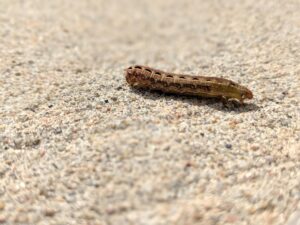
- Seedlings cut off overnight
- Missing sprouts
Prevention
- Use collars around seedlings
- Clear weeds
- Till soil before planting
How To Identify White Grubs
White grubs live underground and feed on roots.
Signs
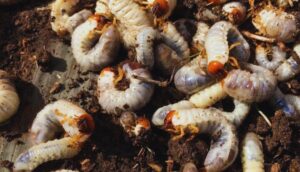
- Wilting plants
- Brown patches in lawns
- Easy-to-pull plants
Prevention
- Attract beneficial nematodes
- Avoid overwatering
- Maintain healthy soil
How To Identify Leaf Miners
Leaf miners create winding tunnels inside leaves.
Signs
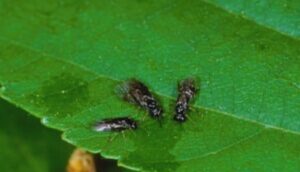
- White squiggly trails
- Distorted leaves
Prevention
- Remove infected leaves
- Encourage parasitic wasps
- Use row covers
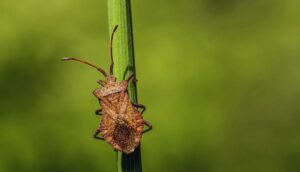
How To Identify Squash Bugs
Squash bugs target pumpkins, zucchini, and squash plants.
Signs
- Yellow spots
- Wilting vines
- Clusters of bronze eggs
Prevention
- Remove eggs
- Rotate crops
- Clean garden debris
How To Identify Aphids
Aphids gather on new growth and suck plant sap.
Signs
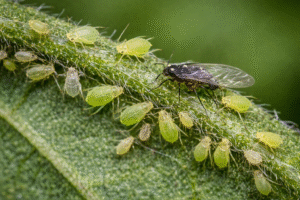
- Curled leaves
- Sticky residue
- Ant activity
Prevention
- Encourage ladybugs
- Spray with water
- Avoid excessive nitrogen fertilizer
Pro Tip: Aphids reproduce extremely fast in warm weather—one untreated plant can spread them across your entire garden in under a week.
How To Identify Whiteflies
Whiteflies resemble tiny white moths.
Signs
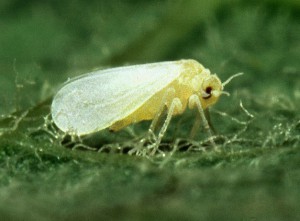
- Clouds of insects when disturbed
- Yellowing leaves
- Honeydew buildup
Prevention
- Use reflective mulch
- Install sticky traps
- Improve airflow
How To Identify Spider Mites
Spider mites thrive during hot, dry weather.
Signs
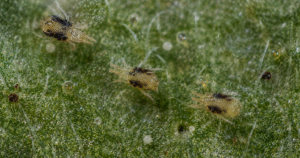
- Tiny webbing
- Speckled leaves
- Leaf drop
Prevention
- Increase humidity
- Spray plants with water
- Remove heavily infested foliage
How To Identify Cabbage Worms
These green caterpillars attack cabbage-family crops.
Signs
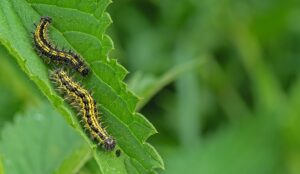
- Large holes
- Green droppings
- Chewed leaves
Prevention
- Use floating row covers
- Hand-pick worms
- Inspect plants often
How To Identify Tomato Hornworms
Tomato hornworms are large green caterpillars.
Signs
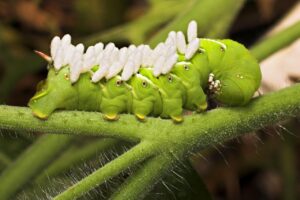
- Stripped foliage
- Damaged tomatoes
- Large droppings
Prevention
- Hand-pick hornworms
- Encourage parasitic wasps
- Rotate crops
How To Identify Japanese Beetles
Japanese beetles are metallic green with copper-colored wings.
Signs
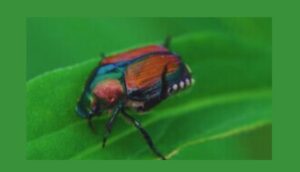
- Skeletonized leaves
- Damaged flowers
Prevention
- Hand-pick early morning
- Remove grubs
- Use row covers
How To Identify Slugs and Snails
These pests feed mostly at night.
Signs
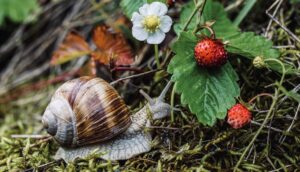
- Ragged holes
- Slime trails
- Missing seedlings
Prevention
- Water in the morning
- Remove hiding places
- Use barriers
How To Identify Thrips
Thrips are tiny insects that damage flowers and leaves.
Signs
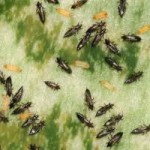
- Silver streaks
- Distorted growth
- Flower damage
Prevention
- Use blue sticky traps
- Remove weeds
- Encourage beneficial insects
How to Tell Which Garden Pest Is Damaging Your Plants
Sometimes you don’t actually see the pest—you only see the damage it has left behind. A plant may suddenly have holes in its leaves, sticky spots, winding trails, or fine webbing, and figuring out what caused it can feel like detective work.
The good news is that different garden pests tend to leave different clues. Use the signs below to narrow down what may be feeding on your plants.
Holes in Leaves
Large holes, ragged edges, or sections of leaves that have disappeared can point to several chewing pests.
Common possibilities include:
- Caterpillars: Often leave irregular holes and may leave dark droppings on or beneath the leaves.
- Japanese beetles: Commonly eat the tissue between leaf veins, leaving leaves looking skeletonized.
- Cabbage worms: Create irregular holes in cabbage, broccoli, kale, and other related crops.
- Slugs: Usually feed at night and leave ragged holes along with slimy trails.
- Snails: Can cause similar chewing damage, particularly during cool or damp conditions.
Quick check: Inspect the plant in the evening or early morning. Some leaf-chewing pests are much easier to spot when they are actively feeding.
Leaves Are Curled, Yellow, or Sticky
If young leaves are curling, becoming distorted, or covered with a sticky substance, look closely for small sap-feeding insects.
Possible culprits include:
- Aphids: Often gather in clusters around new growth, stems, and the undersides of leaves.
- Whiteflies: Tiny white insects may fly into the air when an affected plant is disturbed.
- Mealybugs: Look for small white, cotton-like clusters around stems and leaf joints.
- Scale insects: These pests can look like small bumps attached firmly to stems or leaves.
The sticky material is often honeydew, a sugary substance produced by several sap-feeding insects.
Fine Webbing Appears on Leaves
Fine webbing combined with tiny speckles, yellowing, or fading leaves can be a warning sign of spider mites.
Look closely at the undersides of leaves and around leaf joints. Spider mites can be extremely difficult to see without close inspection, so the webbing and stippled appearance of the foliage may be easier to notice than the pests themselves.
Quick check: Hold an affected leaf up to the light and examine it carefully. You may notice tiny moving specks along with delicate webbing.
Winding Trails Appear Inside Leaves
Curving white, tan, or translucent trails running through a leaf are a classic sign of leaf miners.
The larvae feed between the upper and lower surfaces of the leaf, creating tunnels as they move. Because the pest is inside the leaf tissue, simply looking at the outside of the plant may not reveal the insect.
Remove badly affected leaves and inspect nearby plants for similar patterns.
Seedlings Are Cut Off Near the Soil
If young seedlings look healthy one day and are suddenly severed close to the soil surface, cutworms may be responsible.
These larvae commonly hide in or near the soil during the day and emerge to feed when conditions are favorable.
Look around the base of damaged seedlings and gently check the surrounding soil for curled-up larvae.
Plants Are Wilting Even Though the Soil Is Moist
Wilting doesn’t always mean your plant needs more water. If the soil is adequately moist but the plant continues to wilt, investigate the roots and soil for possible pests.
Potential causes include:
- White grubs: These larvae live underground and can feed on plant roots.
- Cutworms: Some species can damage young plants near the soil line and affect their ability to grow normally.
- Root-feeding pests: Several insects can attack roots without being immediately visible above ground.
Carefully inspect the soil around an affected plant and compare it with nearby healthy plants.
A Simple Way to Narrow Down the Problem
When you’re unsure what is damaging your garden, don’t focus only on finding the insect. Start with the type of damage.
Ask yourself:
- Are there holes in the leaves? Look for caterpillars, beetles, cabbage worms, slugs, or snails.
- Are the leaves curled or sticky? Check for aphids, whiteflies, mealybugs, or scale.
- Do you see fine webbing? Spider mites may be responsible.
- Are there winding trails inside the leaves? Look for leaf miners.
- Are seedlings being cut off at the soil line? Check for cutworms.
- Is the plant wilting despite having enough water? Examine the roots and surrounding soil for root-feeding pests.
Once you have a good idea of which pest you’re dealing with, you can choose a control method that is appropriate for that specific problem instead of treating your garden blindly.
Remember: Damage can sometimes look similar between different pests, so inspect the plant closely before deciding on a treatment. When using any pest-control product, always read and follow the product label and make sure it is labeled for the pest and plant you are treating.
Quick Comparison Chart: Best Organic Garden Pest Control Products
| 🏆 Product | ⭐ Rating | Best For | Key Benefit | Price | Best Buy |
|---|---|---|---|---|---|
| 🥇 Neem Captin Jack Neem Oil (Best Overall Choice) | 4.4/5⭐⭐⭐⭐☆ | Aphids, Whiteflies, Spider Mites, Soft-bodied insects | Highly concentrated, versatile organic control for most garden pests | $$ | Buy on Amazon |
| Natria Neem Oil Spray | 4.4/5⭐⭐⭐⭐☆ | Multiple soft-bodied insects | Ready-to-use spray, beginner-friendly application | $$ | Check Price on Amazon |
| Garden Safe Insecticidal Soap | 4.4⭐⭐⭐⭐ ☆ | Aphids, Mealybugs, Whiteflies | Fast contact kill with minimal environmental impact | $ | View on Amazon |
| Monterey BT Caterpillar Killer | 4.5/5⭐⭐⭐⭐☆ | Caterpillars & cabbage worms | Targets only caterpillars without harming beneficial insects | $$ | See Amazon Deal |
| Bonide Captain Jack’s Deadbug Brew | 4.4/5⭐⭐⭐⭐☆ | Beetles, Thrips, Leaf Miners | Broad-spectrum organic control for stubborn infestations | $$ | Shop on Amazon |
| Harris Diatomaceous Earth | 4.6⭐⭐⭐⭐☆ | Slugs, Beetles, Cutworms | Long-lasting physical barrier (chemical-free) | $ | Buy on Amazon |
| Safer Brand Slug & Snail Killer | 4.5/5⭐⭐⭐⭐☆ | Slugs & Snails | Effective bait that protects seedlings and young plants | $$ | Check Latest Price |
Best Garden Pest Control Products
1. Captin JackNeem 100% Pure Neem Oil
Pros
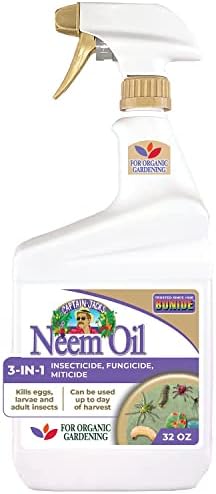
✔ Organic
✔ Multi-purpose
✔ Effective against soft-bodied pests
Cons
✘ Strong smell
Check the latest price on Amazon and protect your garden naturally with Captin Jack Neem Oil.
2. Natria Neem Oil Spray
Pros

✔ Ready to use
✔ Organic formula
✔ Easy application
Cons
✘ Frequent applications needed
✘ Smaller bottle size
View today’s Amazon deal and start controlling pests naturally.
3. Garden Safe Insecticidal Soap
Pros

✔ Fast acting
✔ Safe for vegetables
✔ No mixing required
Cons
✘ Direct contact needed
✘ Reapplication often necessary
See customer reviews on Amazon and keep your plants healthy.
4. Monterey BT Caterpillar Killer
Pros

✔ Targets caterpillars
✔ Organic
✔ Highly effective
Cons
✘ Limited pest range
✘ Rain can reduce effectiveness
Check Amazon for current pricing and protect crops from caterpillars.
5. Bonide Captain Jack’s Deadbug Brew
Pros
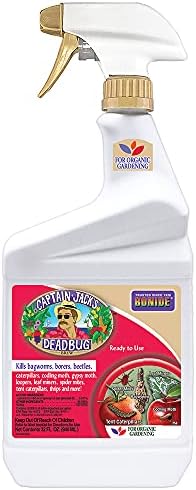
✔ Broad-spectrum control
✔ Organic-approved
✔ Effective on many pests
Cons
✘ Not instant
✘ Requires repeated use
Visit Amazon today and stop damaging insects before they spread.
6. Harris Diatomaceous Earth
Pros
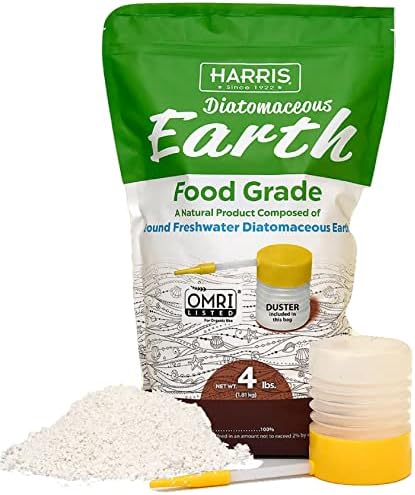
✔ Chemical-free
✔ Long-lasting
✔ Affordable
Cons
✘ Must remain dry
✘ Dust can be messy
View Amazon deals and create a natural pest barrier around your garden.
7. Safer Brand Slug & Snail Killer
Pros
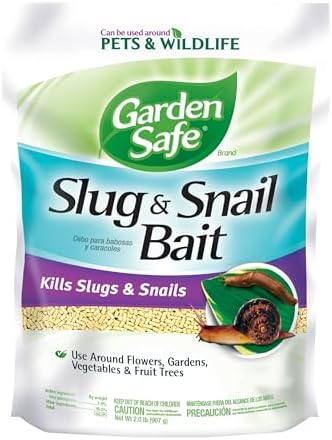
✔ Effective bait
✔ Pet-friendly when used correctly
✔ Easy application
Cons
✘ Needs reapplication after rain
✘ Limited to slugs and snails
Check the latest Amazon price and protect your seedlings from slug damage.
Frequently Asked Questions
1. What is the most common garden pest?
Aphids are among the most common pests found in home gardens.
2. How do I identify pests on my plants?
Look for insects, eggs, feeding damage, sticky residue, webbing, or tunnels in leaves.
3. What causes garden pest infestations?
Overcrowded plants, poor airflow, excess fertilizer, and stressed plants often attract pests.
4. Are organic pest controls effective?
Yes. Many organic products work very well when applied correctly.
5. What pest eats holes in leaves?
Caterpillars, beetles, slugs, and cabbage worms commonly chew holes in leaves.
6. How do I stop aphids naturally?
Use water sprays, ladybugs, neem oil, or insecticidal soap.
7. When are garden pests most active?
Most pests become active during spring and summer when temperatures rise.
8. Can healthy plants resist pests better?
Yes. Healthy plants are often more resilient and recover faster from damage.
9. Should I remove damaged leaves?
Yes. Removing heavily damaged leaves can reduce pest populations.
10. How often should I inspect my garden?
Weekly inspections help detect problems before they become severe.
Conclusion
Learning how to identify common garden pests is the first step toward protecting your plants. Instead of treating every problem the same way, look closely at the insect, feeding damage, eggs, webbing, or other clues to determine what you’re dealing with.
Aphids, whiteflies, spider mites, caterpillars, beetles, slugs, snails, and other garden pests can cause very different types of damage, so the right control method depends on the pest you find.
Regularly inspecting your plants, especially the undersides of leaves, removing heavily damaged material, keeping the garden clean, and encouraging beneficial insects can all help reduce pest problems. If treatment is necessary, choose a product specifically labeled for the pest and plant you’re treating and follow the label directions carefully.
The sooner you identify the problem, the easier it is to take appropriate action and keep a small pest problem from becoming a major garden infestation.