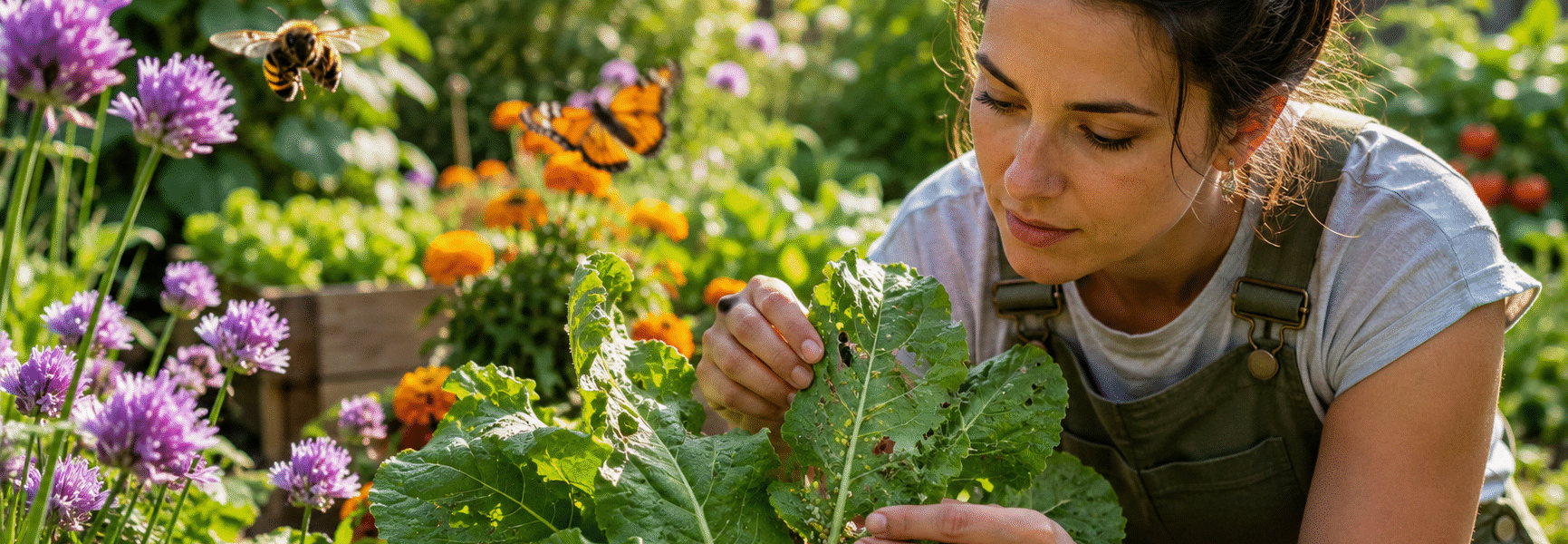
How To Protect Pollinators While Controlling Garden Pests (Without Ruining Your Garden)
If your garden is full of life but also full of pests, you’re not alone.
You want healthy plants. But you also don’t want to harm bees, butterflies, and other helpful insects doing important work in your yard.
Here’s the real challenge:
How do you control pests without damaging pollinators?
The good news is this is absolutely possible. You just need the right approach, timing, and tools.
Let’s break it down in a simple, practical way.
🟢 Quick Action Plan (Do This First)
If you’re short on time, here’s the safest way to protect pollinators while controlling pests:
- Inspect plants early in the morning
- Remove visible pests by hand
- Use neem oil only in the evening
- Add marigolds or basil near vegetables
- Avoid spraying open flowers
Why Pollinators Are So Important
Pollinators are not just “nice to have.” They are essential.
They help:
- Tomatoes grow properly
- Fruits develop fully
- Flowers reproduce
- Vegetable yields increase
Without them, gardens slowly become less productive.
So the goal is not to eliminate insects.
The goal is balance.
Common Garden Pests You Might Be Dealing With
Most gardens deal with at least a few of these:
- Aphids (sap suckers)
- Whiteflies (tiny flying pests)
- Caterpillars (leaf damage)
- Spider mites (plant stress)
- Beetles (chewing leaves)
They spread quickly, especially in warm weather.
But here’s the key:
You don’t need harsh chemicals to control them.
Affiliate Disclosure
This article contains affiliate links. If you purchase through these links, we may earn a small commission at no extra cost to you. As an Amazon Associate, we earn from qualifying purchases.
🚨 Signs Your Garden Has a Pest Problem
Look for:
- Leaves with holes or bite marks
- Sticky residue on plants (honeydew)
- Wilting even with proper watering
- Tiny moving insects under leaves
- Yellowing or curling leaves
Early detection makes control much easier and safer for pollinators.
📅 When Pest Problems Are Worst
Pest pressure changes with seasons:
- Spring: Aphids and early infestations
- Summer: Peak insect activity
- Fall: Rodents and late pests increase
- Winter: Indoor pests like roaches rise
Knowing this helps you prevent outbreaks instead of reacting late.
Safe Ways to Control Garden Pests (Without Harming Pollinators)
1. Neem Oil (Use the right way)
Neem oil is one of the most popular natural pest solutions.
It:
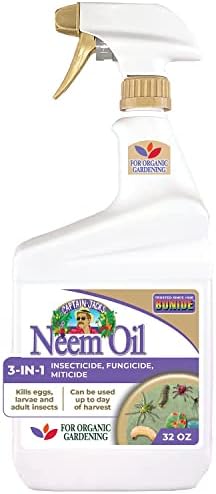
- Disrupts pest growth
- Stops feeding
- Reduces reproduction
⚠️ Important:
Apply it:
- Late evening or early morning
- Never on open flowers
- Directly on leaves only
This protects bees and butterflies.
Recommended Product:
If you’re looking for a trusted option:
Organic neem oil sprays
2. Insecticidal soap (gentle control)
This works best for soft-bodied pests like aphids.
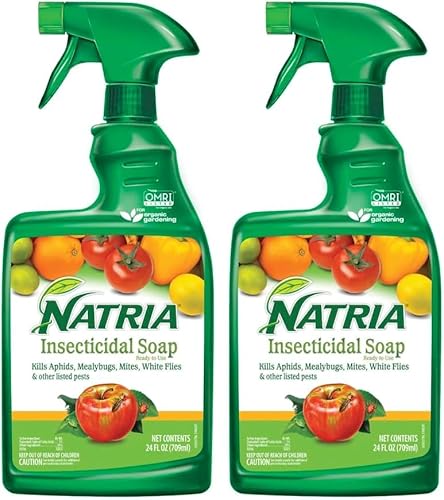
Use it:
- Directly on pests
- Not on flowering areas
It breaks down quickly and is safer than harsh chemicals.
3. Companion planting (natural defense system)
Some plants naturally protect others.
Try:
- Basil → repels flies
- Marigolds → reduce aphids
- Lavender → attracts pollinators, repels pests
This reduces pest problems naturally over time.
4. Encourage beneficial insects
Helpful ones include:
- Ladybugs (eat aphids)
- Lacewings (eat soft pests)
- Parasitic wasps (control caterpillars)
To attract them, plant:
- Dill
- Fennel
- Yarrow
🐞 Helpful Garden Allies (Do Not Remove These)
These insects help control pests naturally:
- Ladybugs → eat aphids
- Lacewings → eat mites and small pests
- Hoverflies → pollinators + pest control
- Parasitic wasps → control caterpillars
If you see them, your garden is already defending itself.
5. Physical barriers (very effective)
Simple tools can make a big difference:
These block pests without harming pollinators.
Timing is everything (this is where most people go wrong)
Even safe products can harm pollinators if used incorrectly.
Best time to apply treatments:
- Early morning (before bees are active)
- Late evening (after sunset)
Avoid:
- Midday spraying
- Spraying open flowers
Timing matters more than product choice.
⚠️ Common Mistakes That Hurt Pollinators
Avoid these:
- Spraying pesticides during midday
- Using broad-spectrum chemicals on flowers
- Overusing neem oil every few days
- Removing all “weeds” (some feed pollinators)
- Ignoring beneficial insects
These mistakes often do more harm than the pests themselves.
How To Prevent Roaches In Winter (Indoor + Outdoor Control)
Now let’s shift to a different problem — roaches in winter.
Many people think cold weather kills them.
It doesn’t.
Roaches simply move indoors.
🚨 Early Signs of Roach Infestation
Watch for:
- Small droppings (coffee-ground-like)
- Musty odor in kitchen areas
- Egg cases (oval brown capsules)
- Nighttime sightings
- Smear marks along walls
Early action prevents full infestations.
Why roaches come inside
They look for:
- Warm spaces
- Moisture
- Food crumbs
- Shelter
Your home becomes perfect for them.
1. Seal entry points
Check:
- Doors
- Window cracks
- Pipes
Use:
2. Remove food sources
Roaches survive on tiny crumbs.
Do this:
- Store food properly
- Clean kitchen surfaces daily
- Don’t leave dishes overnight
3. Fix moisture problems
Roaches need water.
Fix:
- Leaky pipes
- Damp sinks
- Standing water
4. Use bait stations (highly effective)
Gel bait is one of the best long-term solutions.
Place it:
- Under sinks
- Behind appliances
- Dark corners
Roaches carry poison back to nests.
Recommended Product:
Roach gel bait stations (Amazon top-rated options work well for home control)
5. Natural deterrents
These don’t eliminate infestations but help:
- Bay leaves
- Peppermint oil
- Cucumber peels
🔄 What connects garden pests and roaches?
It’s simple:
Prevention beats reaction every time.
In gardens:
- Healthy ecosystems reduce pests naturally
In homes:
- Clean, sealed environments reduce roaches
What most guides don’t tell you (important SEO value section)
Most articles miss key long-term strategies:
1. Pest resistance
Overusing one method makes pests stronger over time.
2. Seasonal behavior
Pests act differently in winter vs summer.
3. Soil health
Healthy soil = stronger plants = fewer pests.
4. Over-clean gardens
Too clean = fewer beneficial insects.
Final thoughts
Protecting pollinators while controlling pests is not about elimination.
It’s about balance.
And when it comes to roaches in winter, the same rule applies:
Stop them early before they settle in.
A smart, consistent approach always beats aggressive chemical use.
❓ FAQs
1. What is the safest pest control for gardens?
When used the right way, options like neem oil, insecticidal soap, and companion planting can be some of the safest choices for managing pests.
2. Will neem oil harm bees?
Only if sprayed on open flowers during the day. Timing prevents harm.
3. How do I naturally reduce garden pests?
Use beneficial insects, plant diversity, and physical barriers.
4. Why do roaches come inside during winter?
They search for warmth, food, and moisture.
5. What kills roaches permanently?
Gel bait systems and sanitation combined work best long-term.
6. Can I use pesticides safely in a garden?
Yes, but only when carefully targeted and timed.
7. What plants attract pollinators?
Lavender, marigold, basil, and yarrow.
8. Do roaches die in cold weather?
Some do, but most survive indoors.
9. What is the biggest gardening mistake?
Spraying during the day when pollinators are active.
10. How often should I treat pests?
Only when needed—overuse creates resistance.
📞 When You Should Call a Professional
Sometimes DIY isn’t enough.
Call a pest expert if:
- Roaches keep returning after treatment
- Garden pests spread rapidly
- Plants are severely damaged
- Infestation covers large areas
Professional treatment can save plants and prevent structural damage.
Related Pest Control Guides
You may also find these helpful:
- How to Get Rid of Ants Naturally
- Best Mosquito Control After Rain
- How to Keep Bugs Out of Your Garden
- Termite Prevention Tips for Homeowners
Conclusion
Keeping your garden healthy doesn’t have to mean choosing between pests and pollinators. In fact, the best gardens are the ones that manage both in a balanced way.
When you take a thoughtful approach—like using neem oil at the right time, encouraging beneficial insects, and adding simple barriers—you’re not just controlling pests. You’re building a stronger, more natural system that protects itself over time.
At the same time, small changes indoors during winter, like sealing entry points and reducing moisture, can make a big difference in keeping roaches out before they become a real problem.
The key takeaway is simple: consistency matters more than harsh treatments. A few smart habits done regularly will always outperform aggressive one-time fixes.
So, whether you’re working in the garden or protecting your home in colder months, focus on prevention, timing, and balance. Your plants—and the helpful pollinators that support them—will thank you for it.