Mosquito Breeding Hotspots: 15 Places Around Your Home to Check
Mosquitoes don’t need a pond or swamp to multiply. Sometimes, all they need is a small amount of standing water sitting unnoticed around your home.
The good news is that many mosquito breeding spots are easy to find and eliminate. A quick walk around your yard after rain can help you spot places where water is collecting and remove them before they become a bigger problem.
Use this simple mosquito breeding checklist to inspect your yard, patio, garden, and other outdoor areas.
Not Every Wet Spot Is a Mosquito Breeding Site
Finding moisture around your yard doesn’t necessarily mean you’ve found a mosquito breeding area. Mosquitoes are more likely to take advantage of water that sits undisturbed long enough for eggs to hatch and larvae to develop.
That’s why a damp patch of grass after a rainstorm usually isn’t the same concern as a flowerpot saucer, overturned toy, clogged gutter, or bucket that continues holding water for days.
When checking your property, focus on places where water can collect and remain relatively still. Even a small amount can become a potential breeding site if it stays there long enough.
So instead of worrying about every wet area in your yard, look for unnecessary standing water that you can empty, cover, drain, or otherwise prevent from collecting.
That’s where your mosquito check should start.
Mosquito Breeding Checklist
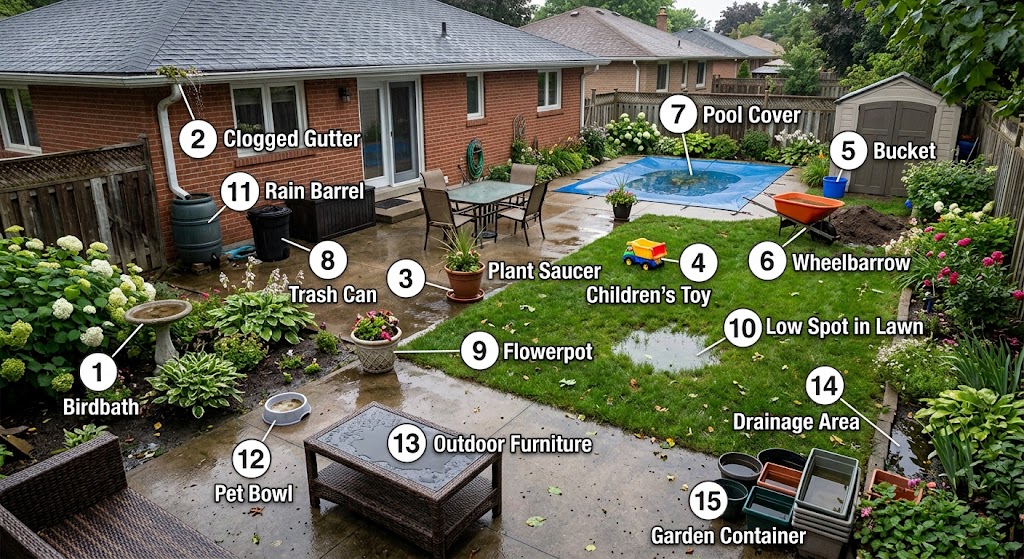
1. Birdbaths
Birdbaths can become mosquito-friendly if the water is left standing for too long.
What to do: Empty and scrub the birdbath regularly, then refill it with fresh water.
2. Clogged Gutters
Leaves and debris can trap rainwater inside gutters and downspouts.
What to do: Keep gutters clear and make sure water drains properly rather than pooling around the house.
3. Plant Saucers
The trays underneath flowerpots can hold surprisingly small amounts of water.
What to do: Empty them regularly, especially after rainfall. You can also reduce the amount of standing water by improving drainage around your plants.
4. Children’s Outdoor Toys
Buckets, toy containers, play equipment, and other objects left outside can collect rainwater.
What to do: Turn toys upside down or store them somewhere covered when they aren’t being used.
5. Buckets and Containers
An uncovered bucket can become an easy place for water to collect.
What to do: Empty unused containers and store them indoors or under cover whenever possible.
6. Wheelbarrows
A wheelbarrow left outside can catch rainwater in its basin.
What to do: Store it upside down or under shelter so rain cannot accumulate inside.
7. Pool Covers
Water that collects on top of a pool cover can sit undisturbed for days.
What to do: Remove accumulated water and keep the cover positioned so it doesn’t create pockets where water can collect.
8. Trash Cans and Lids
Rain can collect inside uncovered trash cans or in the rim and lid.
What to do: Keep lids securely closed and empty any water that has collected around the container.
9. Flowerpots and Garden Containers
Unused pots, planters, and other garden containers can hold water after rain.
What to do: Store empty containers upside down and check decorative planters for areas where water remains trapped.
10. Drainage Areas
Low areas of the yard can remain wet after rainfall, particularly where soil is compacted or drainage is poor.
What to do: Look for recurring puddles and improve drainage where practical.
11. Rain Barrels
Rain barrels are useful for collecting water, but they need to be properly covered.
What to do: Keep openings securely screened or covered so mosquitoes cannot reach the stored water.
12. Outdoor Pet Bowls
Pet water bowls can become another source of standing water if they aren’t refreshed regularly.
What to do: Replace the water frequently and wash the bowl rather than simply adding fresh water on top of old water.
13. Outdoor Furniture
Patio chairs, tables, cushions, and other outdoor items can sometimes hold small pockets of rainwater.
What to do: Turn items over when possible and check hidden areas after storms.
14. Low Spots in the Yard
Small depressions in lawns, gardens, and landscaped areas can collect water after heavy rain.
What to do: Pay attention to places that repeatedly stay wet and address the underlying drainage problem when possible.
15. Drains and Drainage Grates
Blocked or poorly draining areas can leave water sitting around your property.
What to do: Remove leaves and debris where it is safe to do so, and make sure outdoor drains can carry water away efficiently.
How Often Should You Check for Mosquito Breeding Spots?
You don’t have to spend hours inspecting your property every day.
A quick inspection after heavy rain is a good habit, especially during warm and humid weather when mosquitoes can be more active.
Walk around your property and ask one simple question:
“Where is water collecting that shouldn’t be there?”
Check the obvious places first, then look for smaller containers and hidden pockets of water.
A Simple Weekly Mosquito Check
Use this quick routine:
- Empty standing water from containers
- Check plant saucers and flowerpots
- Inspect gutters and downspouts
- Turn over unused outdoor containers
- Check toys and garden equipment
- Inspect pool covers
- Refresh outdoor pet water
- Check birdbaths
- Look for puddles and low areas
- Clear debris from outdoor drains
After a major storm or several days of rain, it’s worth doing an additional inspection.
Don’t Forget About Small Amounts of Water
One easy mistake is to search only for large puddles and overlook the little places where rainwater can collect.
Mosquitoes can make use of surprisingly small amounts of standing water. Plant saucers, buckets, outdoor toys, containers, and other objects around your property can all hold enough water to become potential breeding spots when the water remains undisturbed.
That’s why a careful walk around your property is worth the effort.
You don’t need to remove every source of water outdoors. Some water may be there intentionally, such as in a birdbath or rain barrel, while other sources may be difficult or impractical to eliminate completely.
Instead, focus on unnecessary stagnant water that you can empty, cover, turn over, or drain. For water sources you want to keep, make sure they are cleaned, refreshed, covered, or otherwise properly maintained to reduce mosquito breeding opportunities.
The goal is simple: get rid of the water you don’t need and properly manage the water you do.
The 10-Minute Mosquito Yard Check
Short on time? You don’t need to inspect every corner of your property to get started. A quick 10-minute walk around the yard can help you spot many of the common places where rainwater collects.
Grab this checklist and take it with you the next time you’re outside after a storm or heavy rainfall.
Start With These 10 Spots
- Check containers — Empty buckets, cans, bins, and anything else holding rainwater.
- Look at your gutters — Check for leaves, debris, or water that isn’t draining properly.
- Inspect plant saucers — Empty water sitting beneath flowerpots and planters.
- Check outdoor toys — Turn over toys, play equipment, and containers that may have collected rain.
- Inspect birdbaths — Empty, clean, and replace the water regularly.
- Refresh pet bowls — Replace outdoor pet water and wash the bowls regularly.
- Check the pool cover — Look for puddles sitting on top of the cover and remove them safely.
- Inspect outdoor drains — Clear leaves and debris where it is safe to do so.
- Look for low spots — Check lawns, gardens, and landscaped areas for water that repeatedly collects.
- Check garden equipment — Turn over wheelbarrows, pots, trays, and other equipment that can catch rain.
Pay Extra Attention After Rain
The best time to use this checklist is after a heavy rainstorm or several days of wet weather. Water can collect in places that looked completely harmless when they were dry.
As you walk around, don’t just look for large puddles. Check small containers, hidden pockets, and anything with a surface that can hold water.
If you find standing water, deal with it right away when practical. Empty it, turn the container over, cover it, or improve drainage depending on the situation.
Make It a Weekly Habit
One quick inspection is helpful, but making this a regular habit is even better. During warm, rainy periods, check your property at least once a week and take another look after major storms.
You may be surprised by how many small water-holding spots appear around your yard.
The goal isn’t to make your property completely water-free. It’s to catch and remove the unnecessary standing water that mosquitoes can use for breeding.
What If You Still Have Lots of Mosquitoes?
Removing breeding opportunities is an important part of mosquito control, but it may not solve every mosquito problem.
Mosquitoes can fly in from surrounding properties, natural areas, drainage areas, and other locations you don’t control.
If mosquitoes remain a problem after you’ve cleaned up standing water, consider combining several control measures, such as:
- Using appropriate mosquito repellents when spending time outdoors
- Improving screens and other physical barriers around living areas
- Keeping vegetation trimmed where practical
- Using suitable mosquito traps or other control products
- Working with a qualified pest professional when the problem is severe or persistent
The best approach is usually to reduce breeding opportunities first, then add other control methods based on the situation.
The 10-Minute Mosquito Yard Check
If you’re short on time, focus on these areas first:
Containers → gutters → plant saucers → toys → birdbaths → pet bowls → pool covers → drains → low spots → garden equipment
A short inspection can reveal several places where rainwater is sitting unnoticed.
What If You Still Have Lots of Mosquitoes?
Removing standing water is one of the best places to start, but it may not completely solve a mosquito problem. Adult mosquitoes can travel in from nearby yards, wooded areas, drainage areas, and other places outside your control.
If you’ve cleaned up the obvious breeding spots and mosquitoes are still bothering you, you may need to combine several control methods. The best option depends on whether you’re trying to reduce mosquitoes across the yard, capture them, or simply protect yourself while spending time outdoors.
Treat the Yard
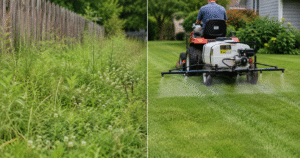
If mosquitoes are making it difficult to enjoy your entire backyard, a yard-treatment approach may be worth considering. These options are designed to help reduce mosquito activity across outdoor living areas.
- [Best Mosquito Misting Systems] – A convenient option for homeowners looking for automated mosquito control around outdoor spaces.
- [Backyard Treatment for Mosquitoes] – Explore different ways to treat mosquito-prone areas around your property.
- [Best Battery Backpack Sprayers for Mosquito Control] – Useful when you want to cover larger outdoor areas without being tied to an electrical outlet.
- [Best Manual Backpack Sprayers for Mosquito Control] – A practical choice for applying mosquito-control treatments manually.
- [Best Mosquito Fogger for Backyard After Rain] – Worth considering when mosquito activity increases after periods of heavy rainfall.
Trap or Reduce Mosquitoes
Sometimes you want to reduce the number of adult mosquitoes around a particular outdoor area rather than treat the entire property. Mosquito traps and other control devices can provide another option.
- [Best Mosquito Trap for Large Backyard] – Helpful for homeowners looking for a mosquito trap designed for larger outdoor spaces.
- [Best Mosquito Trap for Large Backyard] – A look at combinations of mosquito-control products that can work together around larger properties.
Protect Yourself Outdoors
Even after you reduce mosquito breeding areas and adult mosquito activity, personal protection can still be useful—especially when you’re gardening, relaxing on the patio, or spending time outdoors in the evening.
- [Best Mosquito Repellent] – Compare options for personal protection when mosquitoes are active.
- [Natural Mosquito Repellent for Infants] – Explore options for families looking for mosquito-repellent approaches for younger children.
- [Top Mosquito Repellents for Sensitive Skin] – Find options suited to people who prefer products formulated with sensitive skin in mind.
Use More Than One Approach When Needed
You don’t necessarily have to choose just one mosquito-control method. Start by removing unnecessary standing water, then consider additional measures based on where mosquitoes are coming from and how much of a problem they are.
For many homeowners, a combination of source reduction, yard management, mosquito control products, and personal protection can be more practical than relying on a single solution.
The key is to deal with the breeding opportunities first. Once you’ve reduced the places where mosquitoes can reproduce, you can choose additional control methods based on the areas where mosquitoes are still causing trouble.
Frequently Asked Questions About Mosquito Breeding Sites
1. Where do mosquitoes lay eggs around the house?
Mosquitoes often lay their eggs in or near small areas of standing water around a property. Common examples include buckets, plant saucers, birdbaths, clogged gutters, outdoor toys, pet bowls, pool covers, and other containers that can collect rainwater.
A good rule of thumb is to check anything outdoors that can hold water for more than a short time.
2. Can mosquitoes breed in a small amount of water?
Yes. Mosquitoes don’t need a large pond or deep pool to reproduce. Some species can use surprisingly small amounts of stagnant water collected in containers, plant saucers, toys, gutters, and other objects.
That’s why checking the little things around your yard can make a difference.
3. How long does standing water need to sit before mosquitoes breed?
Mosquito development can happen surprisingly quickly when conditions are warm and favorable. Some mosquito species can complete their development from egg to adult in roughly a week or more, although the timing varies with species, temperature, food availability, and other conditions.
Because of that, it’s better to remove unnecessary standing water regularly rather than waiting for mosquitoes to appear.
4. How often should I check my yard for mosquito breeding sites?
A weekly inspection is a good routine for many homes, with an additional check after heavy rain or storms.
During warm, rainy periods, water can collect in outdoor containers and other overlooked areas very quickly. Regular inspections make it easier to catch these spots before they become a bigger problem.
5. Can mosquitoes breed in gutters?
Yes. Gutters that are clogged with leaves and other debris can hold pockets of stagnant water. These areas can become potential mosquito breeding sites if water remains trapped.
Keep gutters and downspouts clear and make sure rainwater can drain away properly.
6. Can mosquitoes breed in plant saucers?
Yes. The shallow trays beneath flowerpots can collect enough water to become a potential breeding site.
Check plant saucers regularly, particularly after rainfall, and empty water that has accumulated whenever practical.
7. Can mosquitoes breed in birdbaths?
Yes. Birdbaths can provide mosquitoes with a convenient water source if the water is allowed to remain stagnant.
Regularly emptying and scrubbing the basin and replacing the water can help reduce the opportunity for mosquitoes to use it.
8. Can mosquitoes breed in pet water bowls?
Outdoor pet bowls can potentially become breeding sites if water is left sitting for extended periods.
Refresh the water frequently and clean the bowl regularly. Avoid simply topping off old water with more water without cleaning the container.
9. Do mosquitoes breed in wet grass?
Not necessarily. A lawn that is simply damp after rainfall is not automatically a mosquito breeding site.
The bigger concern is water that collects and remains relatively stagnant, such as in depressions, containers, blocked drains, or other areas where water doesn’t drain away.
10. Why do I still have mosquitoes after removing standing water?
Removing standing water can eliminate breeding opportunities around your property, but it may not remove every mosquito. Adult mosquitoes can travel from neighboring properties, wooded areas, drainage locations, and other nearby habitats.
If mosquitoes remain, consider combining source reduction with other appropriate control methods, such as repellents, physical barriers, traps, yard treatments, or professional pest control when necessary.
11. What should I check for mosquitoes after heavy rain?
Start with anything that can collect rainwater. Check buckets, toys, plant saucers, flowerpots, gutters, birdbaths, pet bowls, pool covers, wheelbarrows, trash containers, drains, and low areas of the yard.
A quick walk around your property after a major storm can reveal water that wasn’t there during your last inspection.
12. What is the best way to prevent mosquito breeding around my home?
The simplest place to start is by regularly removing unnecessary standing water. Empty containers, maintain gutters and drains, turn over unused outdoor items, refresh water that needs to remain outdoors, and correct recurring drainage problems where practical.
Making these checks part of your normal yard routine can reduce many of the places mosquitoes may use to reproduce. If adult mosquitoes continue to be a problem, add other control measures based on your particular situation.
Final Thought
You don’t need to turn your backyard upside down to make it less attractive to mosquitoes.
Start with the simple things: empty standing water, keep containers covered or stored, maintain drainage, and check your property after rain.
Making this a regular habit can remove many of the small water sources mosquitoes may use around your home—and it’s one of the easiest steps you can take before reaching for a mosquito-control product.
Bookmark this checklist and use it after heavy rain. Your future self—and your mosquito-free backyard—will thank you.